Welcome to Modern Agriculture!

In regions with mild to moderate winters, fruit trees often flower earlier than the last frost date. While early blossoms can be a treat, they leave trees vulnerable when a sudden cold snap arrives. This guide shares proven, science‑backed techniques to protect your early‑blooming fruit trees from unexpected late frosts.
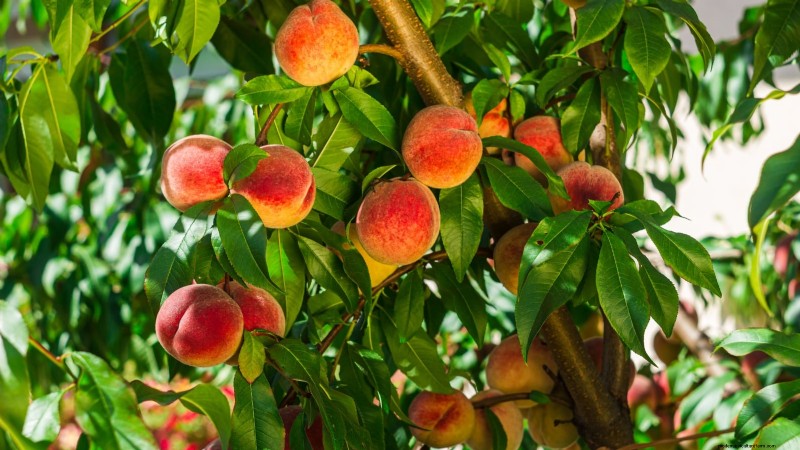
Fruit trees stay dormant until they receive enough chill hours—time spent between 32 °F (0 °C) and 45 °F (7 °C). Once chill hours are met, buds swell and may open in a single week of warm weather. For example, the "Tropic Snow" peach in my yard needed only 150‑200 chill hours, so it began blooming in mid‑February, while the "Florida Glo" peach—requiring 250‑350 chill hours—remains sealed until later.
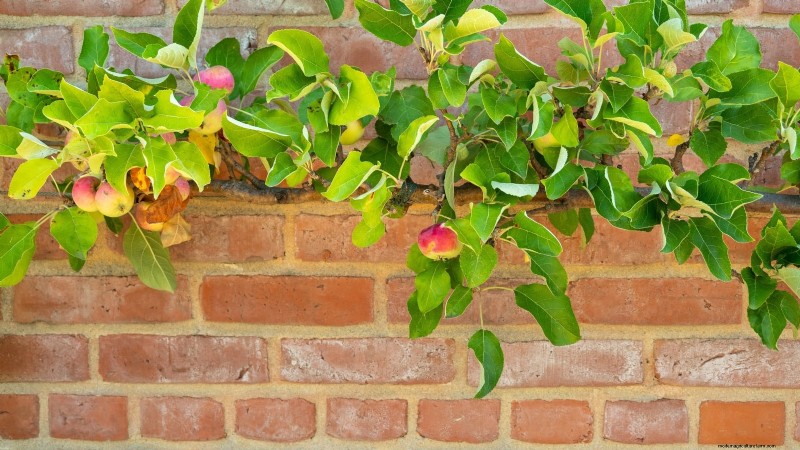
Planting near a south‑facing wall allows the wall to absorb daylight heat and radiate warmth at night, raising the micro‑temperature around the tree by a few degrees—often enough to keep buds from freezing.
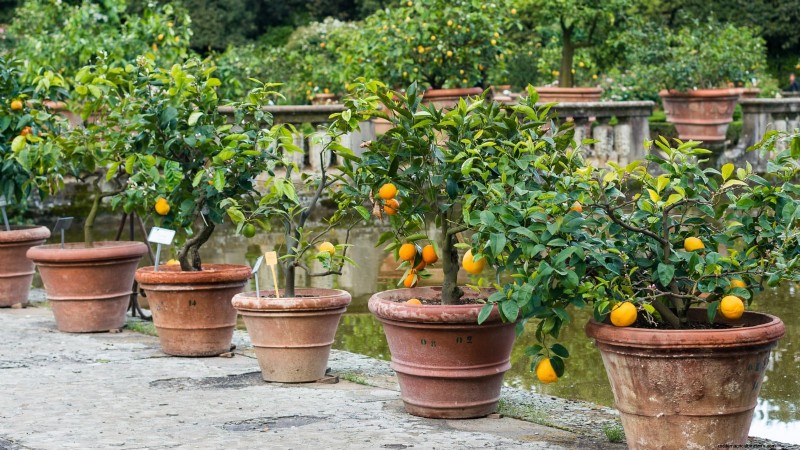
Water bodies like ponds, lakes, or even large swimming pools keep air temperatures slightly warmer during cold nights. The evaporative cooling effect raises local temperatures, offering a modest shield for nearby trees.
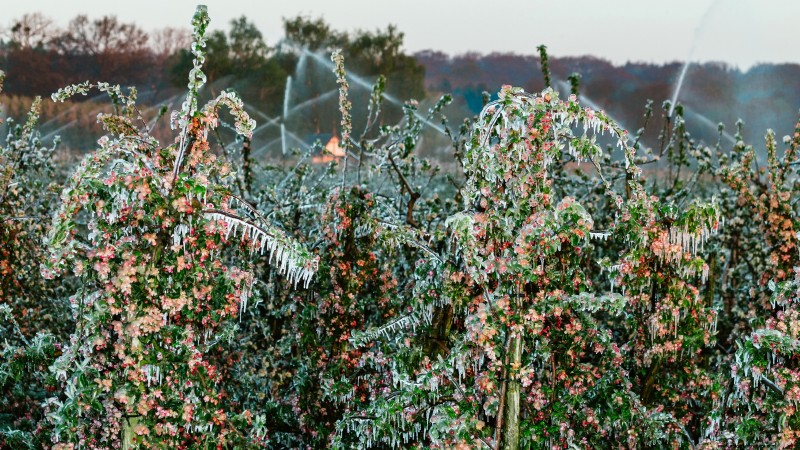
Although counterintuitive, a thin, continuous layer of ice at 32 °F (0 °C) protects blossoms from sub‑freezing temperatures. Run a sprinkler before the air drops to 32 °F, allowing the water to freeze and then remain in a steady state as new water continues to fall. The freeze–thaw equilibrium keeps the ice just at the freezing point, shielding buds from colder air.
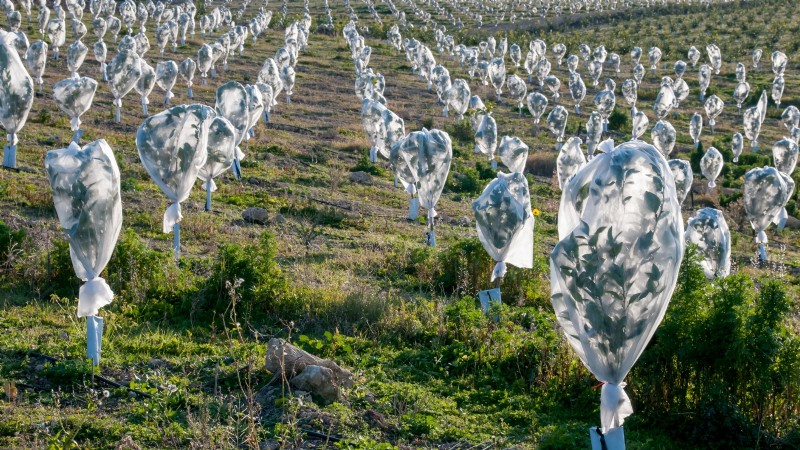
Wrap blossoms in frost‑proof fabric, sheets, or garden blankets. Keep the cover in place during the warmest part of the day to trap heat, and remove it as soon as temperatures rise above freezing to avoid crushing delicate flowers. Ensure the cover extends to the ground to prevent heat loss.
Stringing old incandescent Christmas lights around a tree can generate enough heat to keep blossoms from freezing. Avoid LED lights, as they emit negligible warmth. This method is especially effective on nights with light snowfall.
By planning ahead, selecting the right varieties, and employing layered protection, you can preserve early blossoms and enjoy a bountiful harvest without the fear of late‑season frost.