
Welcome to Modern Agriculture!

Grapes grow on long, flexible vines that wrap around supports, much like squash or cucumber vines. Their vigorous, cold‑hardy, and quick‑growing nature makes them a perfect choice for home gardeners.
Because grapevines produce new shoots each year, they benefit from annual pruning. Don’t shy away from making bold cuts; these structural changes ultimately improve the crop’s health and yield. In this guide, we’ll explore the two primary pruning methods—cane and spur pruning—and show how to train vines for maximum output. The best approach depends on your garden layout, your grape variety, and your aesthetic goals. First, let’s determine the optimal timing for cuts before diving into technique.
Ina Wall
Trellis
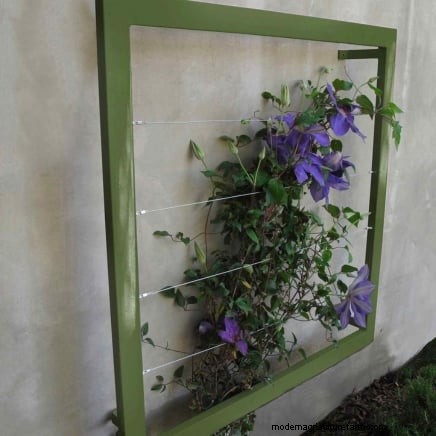
Mira Garden Trellis
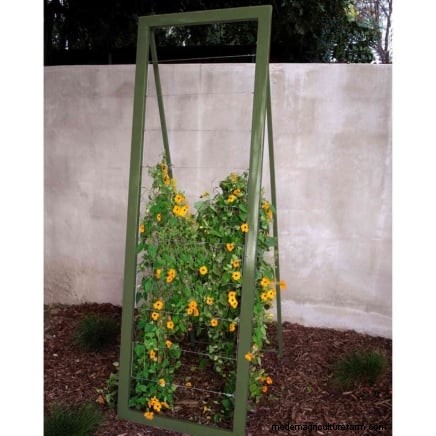
Gracie Modern Arbor
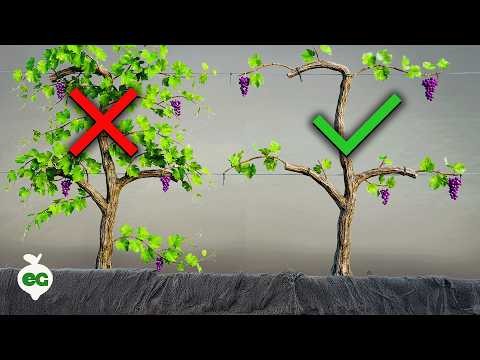
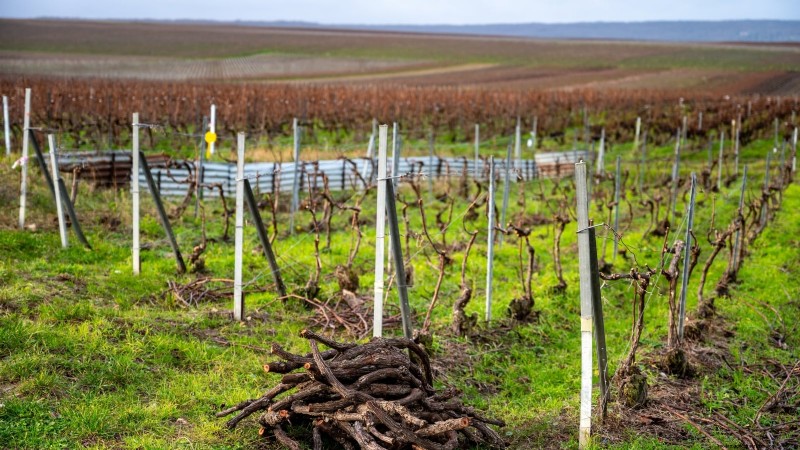
Trim Vitis vinifera during dormancy—from January through the first of March—to direct energy toward fruit production.
Pruning during the dormant season, known as dormant‑in‑jury, is most effective because the vine can reconfigure itself before any damage occurs. Oregon State University Extension Service horticulturist Erica Chernoh recommends cutting during this period. With no leaves, flowers, or fruit, you can clearly see where adjustments are needed.
Pruning at this time redirects the vine’s growth, ensuring that future fruiting structures are preserved and that energy is conserved for the next growing season.
Although pruning can be performed in spring or summer, the dormant season is preferable. Open wounds are more vulnerable to infection and pest attacks during the growing season.
When in doubt, wait until the vine is leafless and buds are actively swelling. Avoid cutting before buds form or after they have already opened.
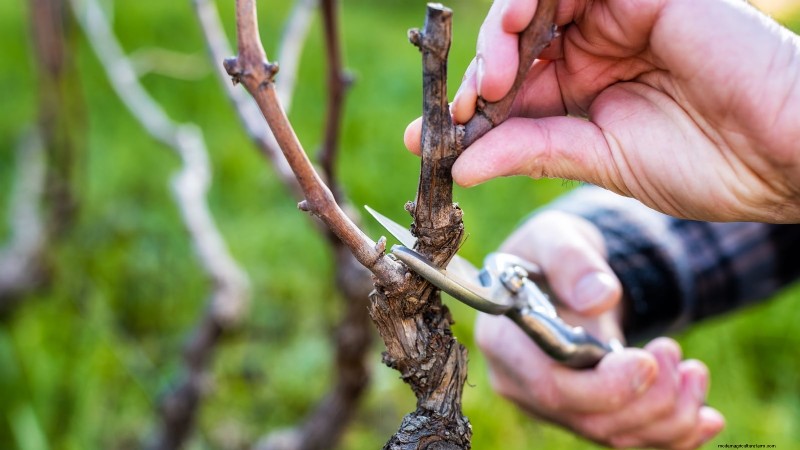
The trimming technique depends on the training system you choose. Some methods target spurs, while others shape entire canes or cordons. Below, we outline the most common systems and how to apply them.
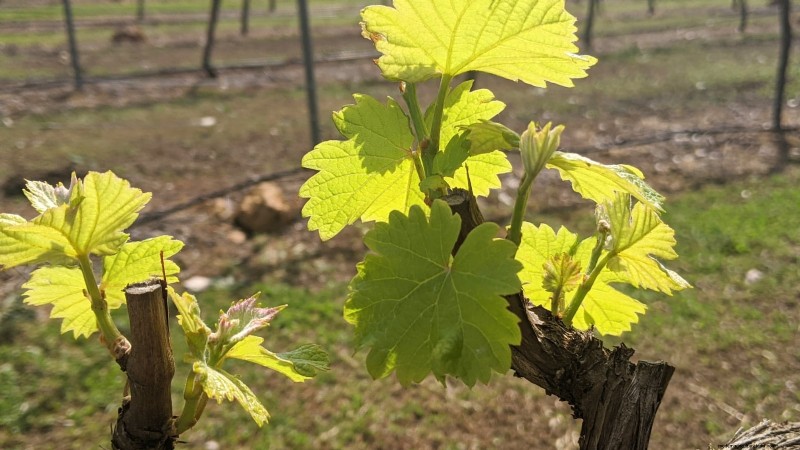
Understanding these terms helps you plan a structure that maximizes fruit yield.
Fruit buds form on one‑year‑old growth; therefore, maintaining a healthy rotation of fresh and one‑year‑old wood keeps the vine productive year after year. One‑year‑old canes produce fruit this season, while new canes become the source of next year’s fruiting stems.
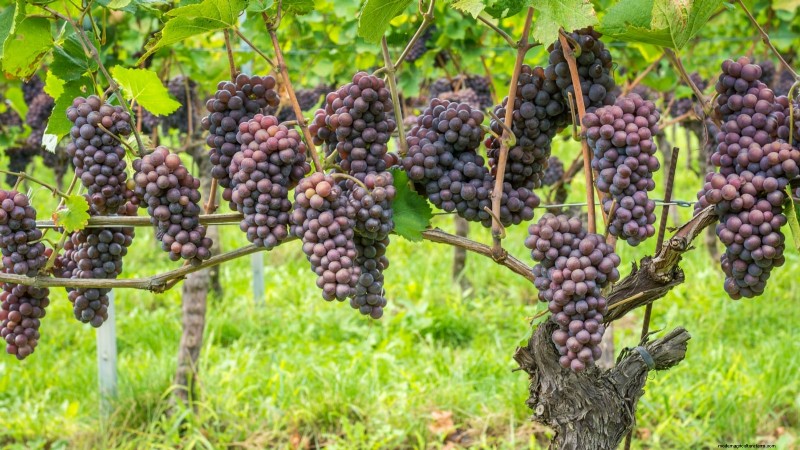
Not all systems are suited for every garden. Bilateral cordon works well for commercial vineyards, while fan and arbor systems excel in residential settings.
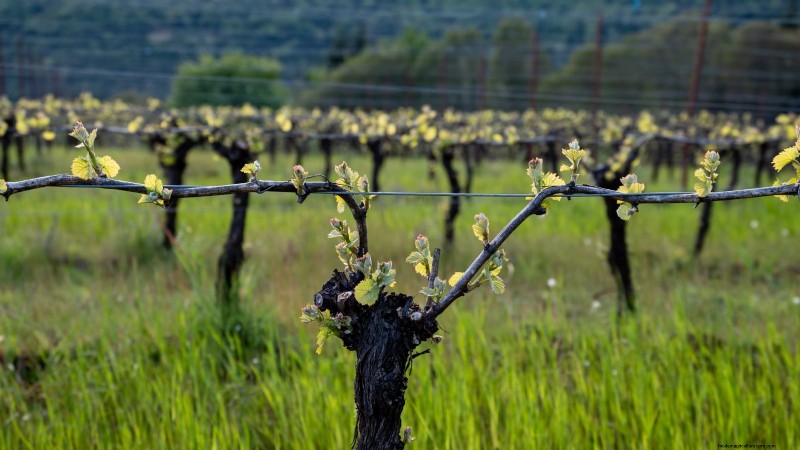
Commercial vineyards often use a bilateral cordon. Two to four one‑year‑old stems are strung horizontally on wires, forming a T‑shaped framework. End‑cuts are trimmed to preserve buds, while short spurs remain intact. The cordons should carry 20–30 buds per plant for wine grapes, or 50–80 for table grapes, to achieve the desired yield.
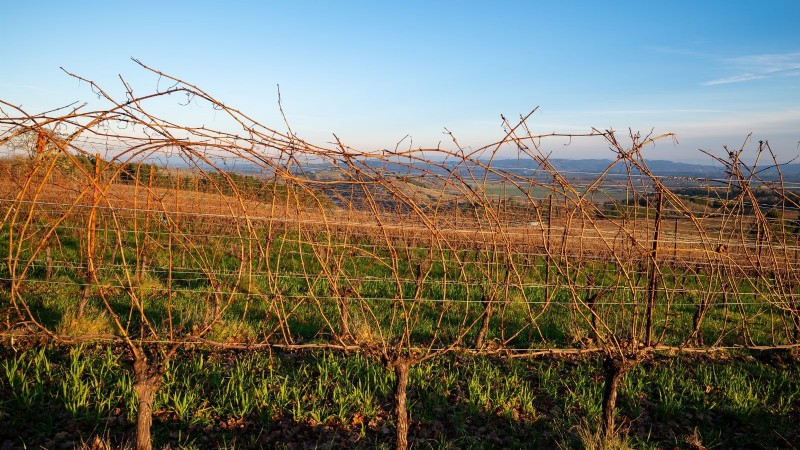
Fan training is ideal for vines growing on walls, trellises, or fences. Here, the vines form vertical supports, and year‑old stems interweave like fan ribs. Two to three two‑bud spurs are left near the base, which will later grow into fruiting structures.
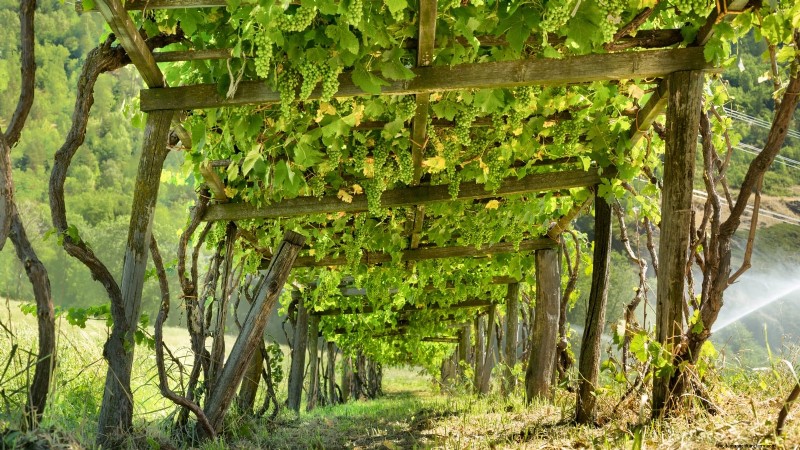
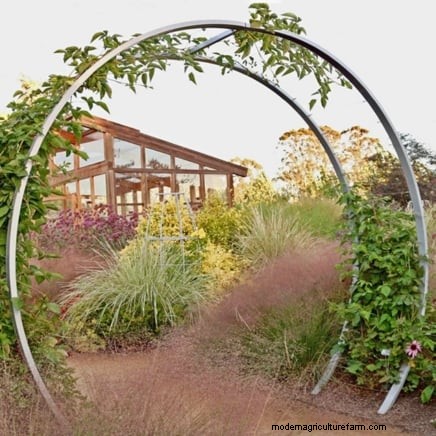
Arbor training creates a shaded tunnel that is both ornamental and functional. Two vines climb opposite sides of a sturdy support, meeting at the apex. This design allows for different grape varieties on either side and provides ample coverage for walking or sitting underneath.
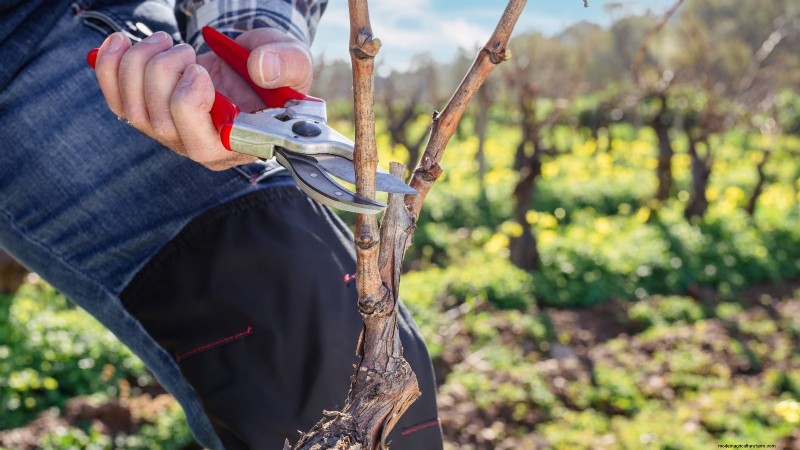
There are two primary methods: cane pruning and spur pruning. The former replaces old growth, while the latter preserves cordons.
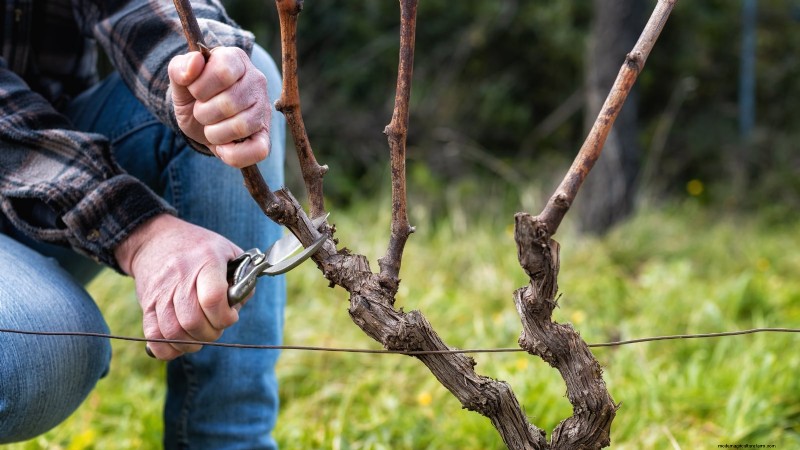
Mandates the removal of all growth older than two years. The remaining cordons are updated with new one‑year‑old stems that bear fruit, while spurs near the trunk become the next year’s canes.
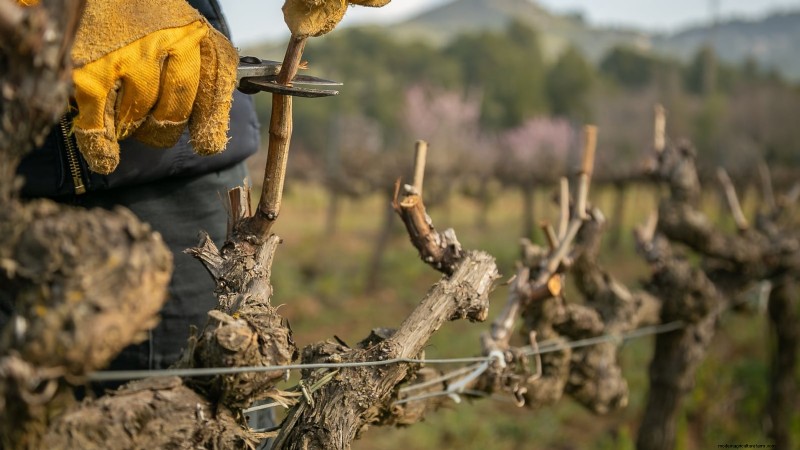
Leaves the cordons intact, trimming them into thick, sturdy structures. Along each cordon, short spurs—one every three to four inches—are left with two to three buds, which will produce the fruit.
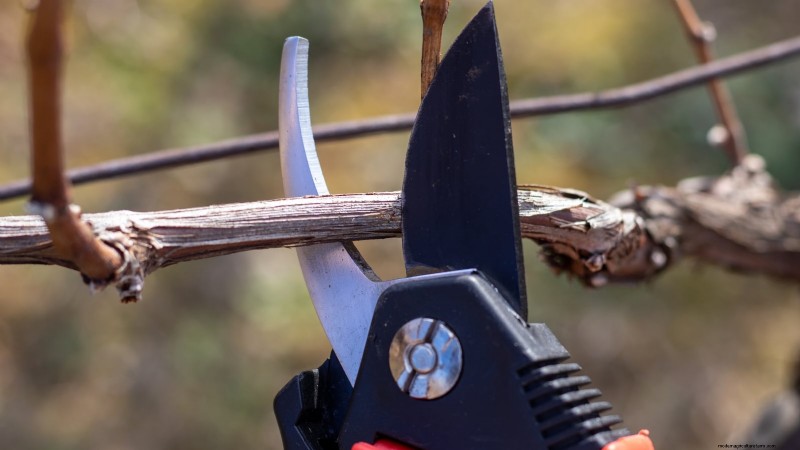
Always remove vines that are two years or older. Long vegetative shoots drain energy from fruit‑bearing spurs, reducing overall productivity.
Annual pruning should take place between January and March 1st. Consistent yearly cuts foster high yields, strong growth, and manageable vines. Even if you inherit a neglected prop, mandatory pruning can rejuvenate the prop and boost performance.
When unsure, prune the prop aggressively. Grapevines recover swiftly, sealing wounds and propelling new shoots that keep the prop productive.


