Welcome to Modern Agriculture!

Oregano (Origanum vulgare) is a perennial herb that has long been prized for its aromatic, pungent leaves and documented health benefits. Ancient Greek physicians, including Hippocrates, noted its respiratory‑soothing properties, and today it remains a staple in Mediterranean kitchens and natural medicine cabinets alike.
Whether you’re a seasoned chef or a budding indoor gardener, cultivating oregano in a small space can provide a constant supply of fresh, flavorful foliage. The following nine steps combine botanical insight with practical care tips to help you grow a thriving indoor oregano garden.
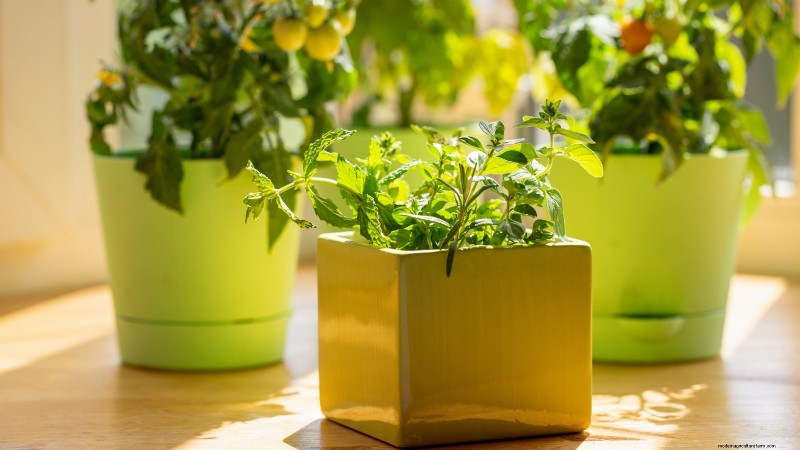
Oregano thrives in warm, bright conditions. Aim for a location that receives 6‑8 hours of direct or bright indirect light each day and maintains a temperature of 65–75°F (18–24 °C). A kitchen window or a room with a south‑facing window is ideal. Avoid drafty areas or spots that get excessive heat, and rotate the pot occasionally to keep growth even.
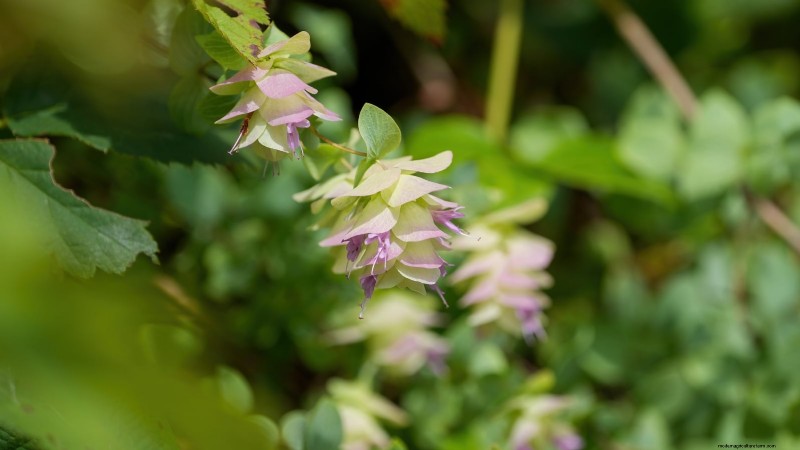
With 45 species in the Origanum genus, the most common culinary types are Origanum vulgare (Greek and Italian) and Origanum majorana (marjoram). For an indoor herb collection, consider these popular cultivars:
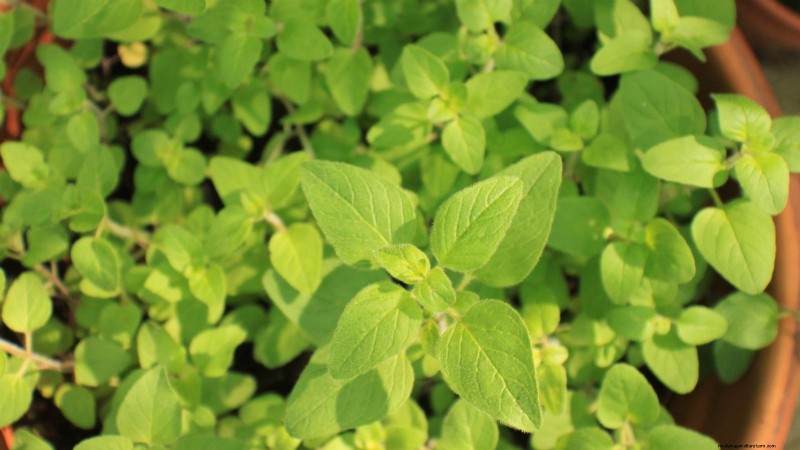
A sweet‑flavored hybrid of Greek oregano and marjoram, it’s perfect for sauces, stews, and tapas.
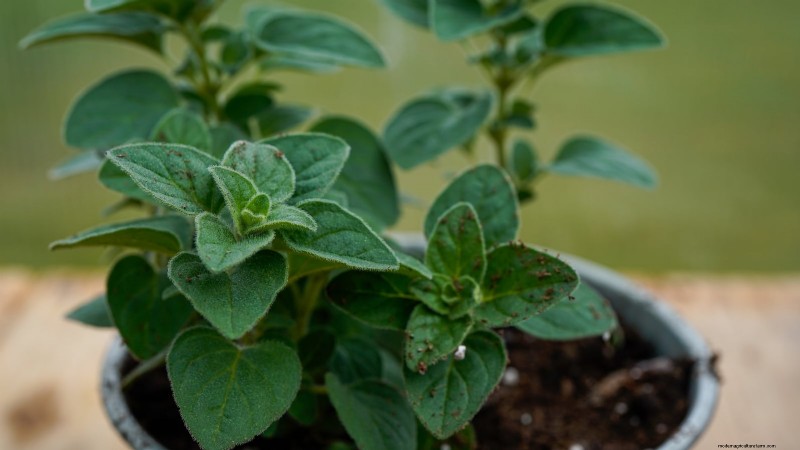
Dark, fuzzy leaves and delicate white flowers make this classic variety ideal for Greek dishes and feta‑cheese pairings.
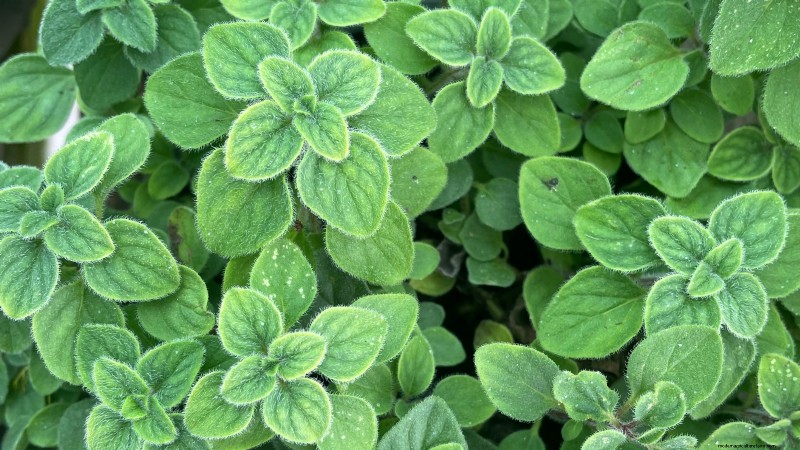
A bold, peppery strain that adds depth to hearty or Mexican‑style recipes.
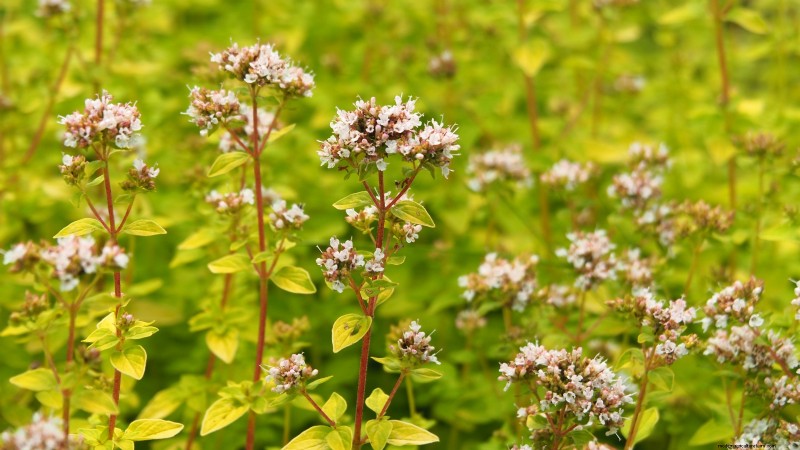
‘Aureum’, ‘Kent Beauty’, and ‘Kirigami’ produce large, edible flowers with a milder flavor, perfect for both aesthetics and flavor.
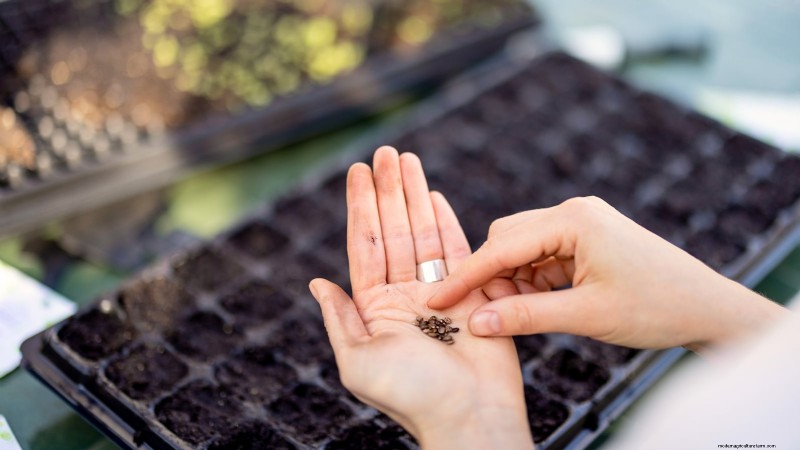
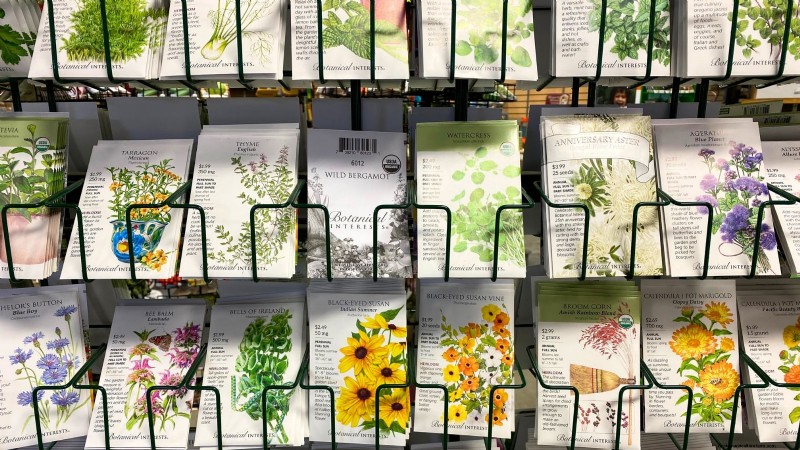
Growing from seed gives you full control over soil and moisture. For best results, buy seeds from a reputable supplier—ideally organic and less than one year old. If you prefer a quick start, high‑quality nursery plants work well too.
Use a well‑draining sandy loam or a commercial potting mix amended with horticultural sand or perlite. Lightly spread a thin layer of soil over the tray; oregano seeds need light to germinate, so keep the surface almost bare.
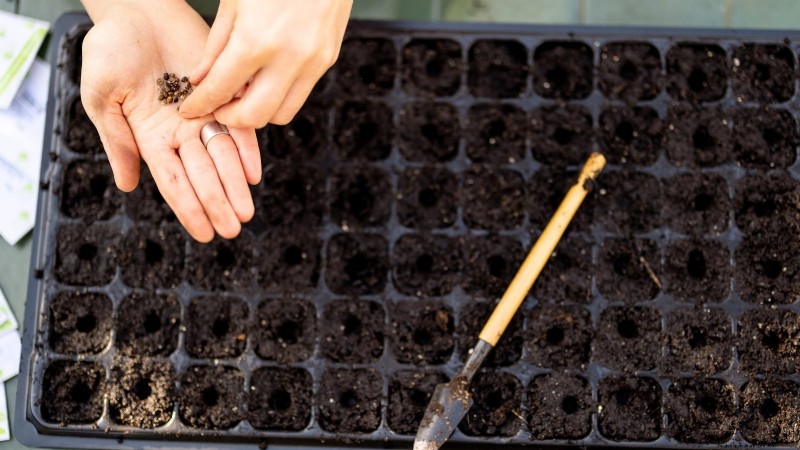
Keep the tray moist with a spray bottle and maintain a temperature around 70°F (21°C). Germination typically takes 10–21 days. Once seedlings emerge, move them to a bright window or grow lights.
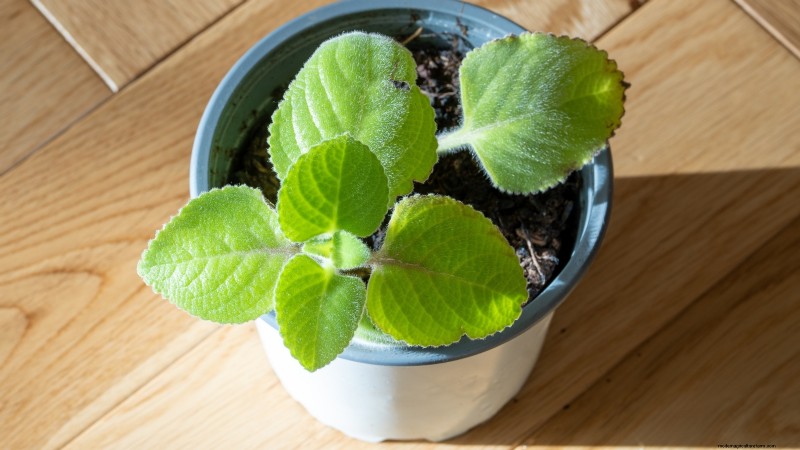
When seedlings develop three true leaves, transplant them into individual pots that are at least 3–4 inches deep. Fill with the same sandy loam mix and water lightly.
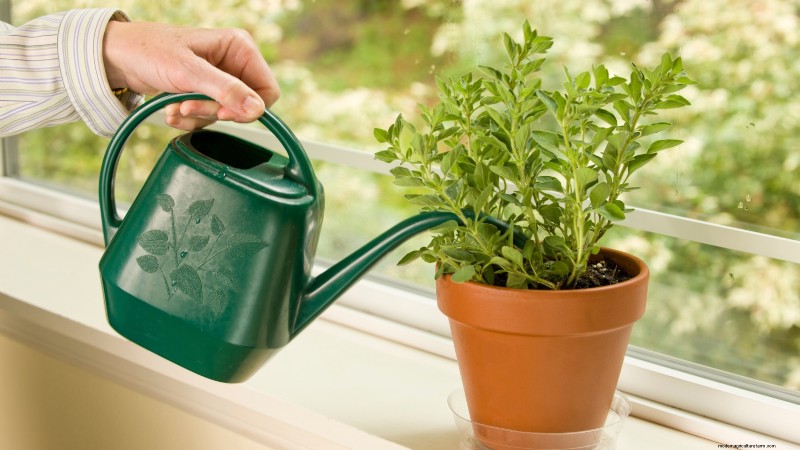
Oregano prefers moderate moisture. Water thoroughly until the surface feels damp, then allow the top inch of soil to dry before the next watering. Over‑watering can lead to root rot, especially in confined containers.
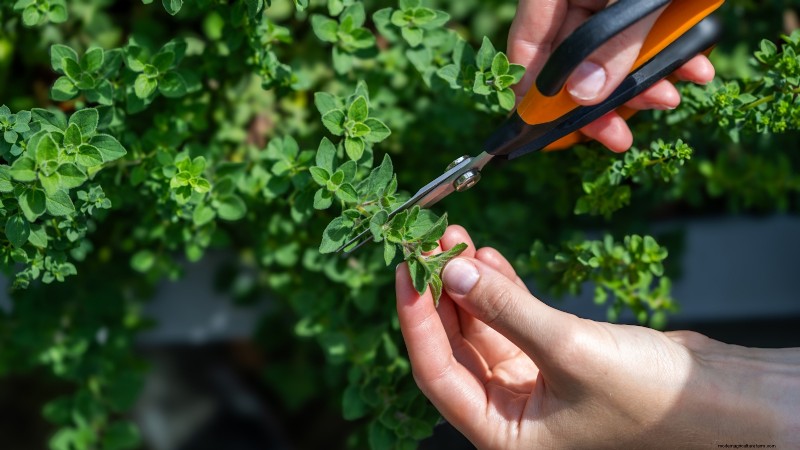
Regular pruning encourages dense growth and concentrates flavor. Trim just above a pair of leaves with clean scissors or your fingers—cutting back to the base will prompt a rapid flush of new foliage. Harvest in the morning after the dew has dried for maximum aroma.
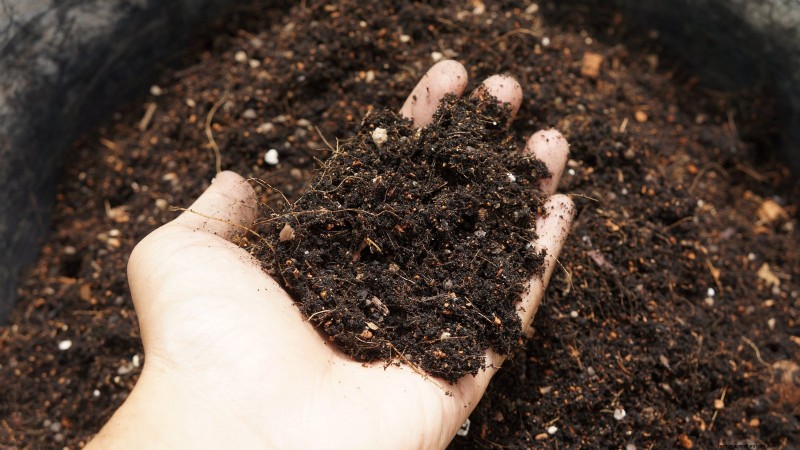
Because oregano is adapted to nutrient‑poor, rocky soils, it rarely requires fertilizer. After a year of indoor growth, sprinkle a light layer of well‑composted organic matter in spring to refresh nutrients without overwhelming the plant.
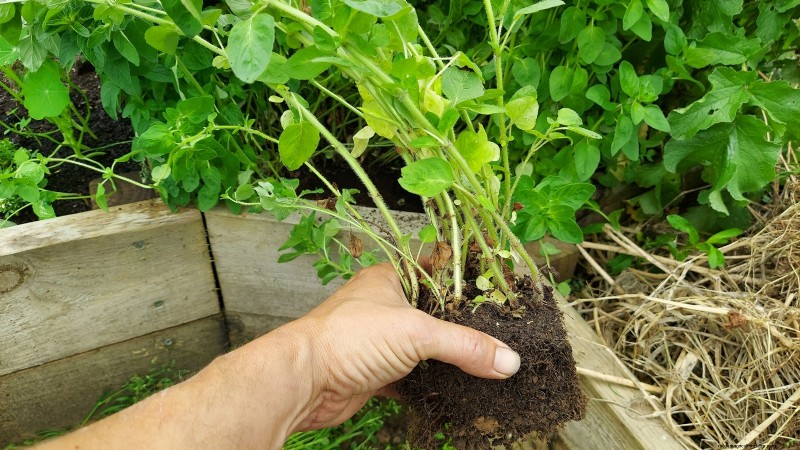
Dividing your oregano every few seasons prevents overcrowding, promotes vigorous growth, and yields new plants you can keep or share.
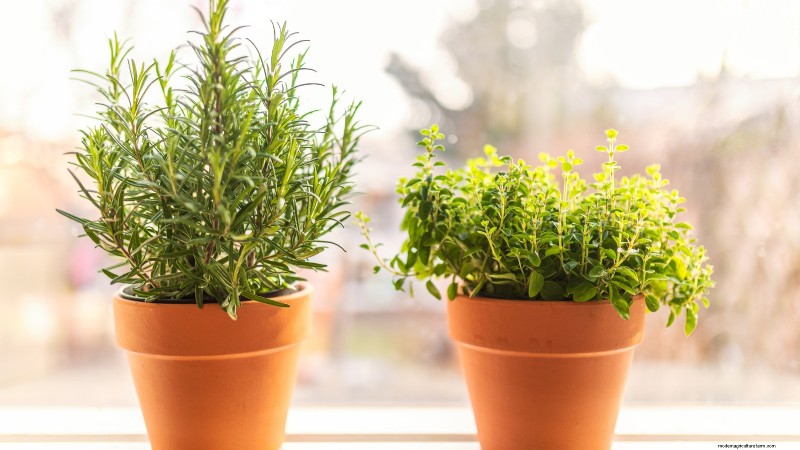
Like rosemary, thyme, and sage, oregano thrives alongside other Mediterranean herbs. Growing marjoram, thyme, or even lavender indoors creates a miniature herb garden with diverse culinary options.
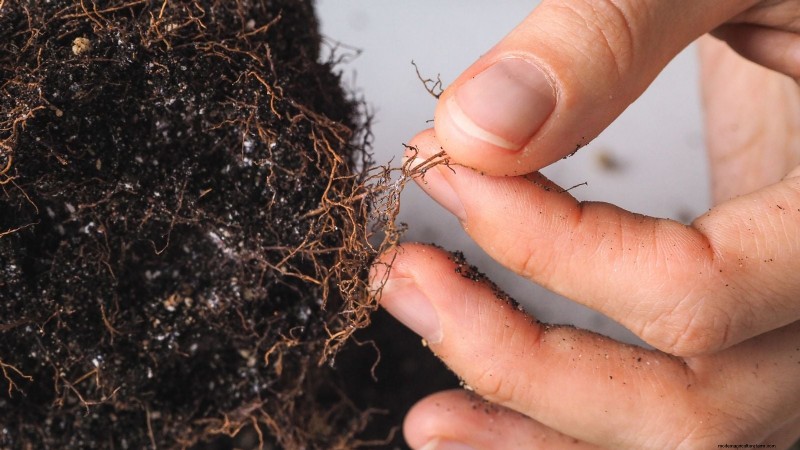
Oregano’s essential oils deter most insects, but the plant is vulnerable to root rot from over‑watering. If leaves become droopy or growth stalls, inspect the roots for softness or a foul smell. Remove any affected soil and adjust watering habits.
Indoor oregano offers a year‑long source of fresh, aromatic leaves. By providing ample light, well‑drained soil, moderate watering, and regular pruning, you’ll enjoy a robust herb that can be harvested, dried, and reused for countless dishes. With minimal maintenance, oregano can thrive for several years, making it a valuable addition to any kitchen garden.