Welcome to Modern Agriculture!

Celery’s roots trace back to Eurasia, where it flourished during long, cool seasons. In North America, it thrives before the heat of summer and during the milder fall and winter months in warm winter zones. Pair it with other cool‑growing crops such as carrots, beets, and kale for a harmonious garden companion.
The scientific name is Apium graveolens var. dulce, placing it firmly in the carrot family. Celery develops sturdy stalks topped with dense, leafy heads. If left unchecked, it will flower, producing delicate white umbels that mature into small brown seeds.
When selecting a variety for home cultivation, choose one that aligns with your flavor preference. The popular ‘Utah’ variety is widely available in grocery stores and offers the classic store‑bought texture. ‘Conquistador’ is a versatile type that performs well across climates and typically matures earlier than most other selections.
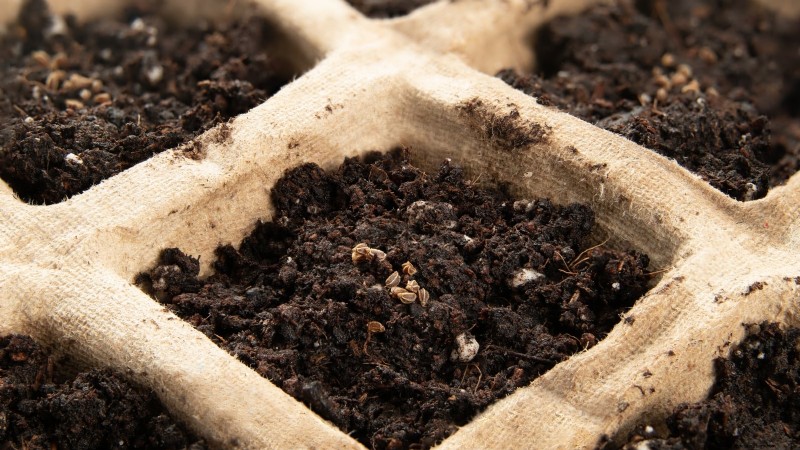
Begin by sowing celery seeds indoors in biodegradable pots, planting them about a quarter inch deep. Celery prefers daytime temperatures below 75 °F (24 °C) and nighttime temperatures between 50–60 °F (10–16 °C). Adjust the timing based on your USDA hardiness zone.
Seed the plants roughly 10 weeks before you intend to transplant them outdoors. For regions without harsh winter freezes, transplant in late fall, winter, or early spring. In colder zones, wait until after the last average frost before moving seedlings outside.
After sowing, water thoroughly, keep the soil consistently moist, and place the pots under bright, indirect light to promote germination. Biodegradable pots reduce root disturbance and are convenient, though any suitable container will work.
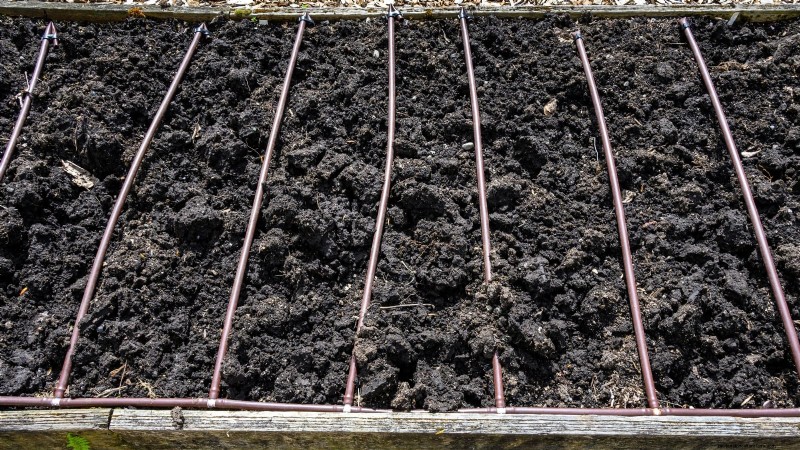
Celery thrives in moist, nutrient‑rich, and well‑draining soil. When sown directly, its taproot can extend up to four feet deep; transplanted plants may not reach that depth but still benefit from deep cultivation.
Enrich poor soils with a generous layer of compost several weeks before planting. Incorporate compost into the top 6–8 inches of soil, then top‑dress seedlings or seed beds with a thick compost layer after sowing. Clay soils are particularly challenging for celery, so thorough amendment is essential.
As a heavy feeder, celery benefits from organic liquid fertilizer every two to three weeks. Follow the dosage guidelines on your chosen fertilizer; this will reduce the need for excessive feeding while supporting steady growth.
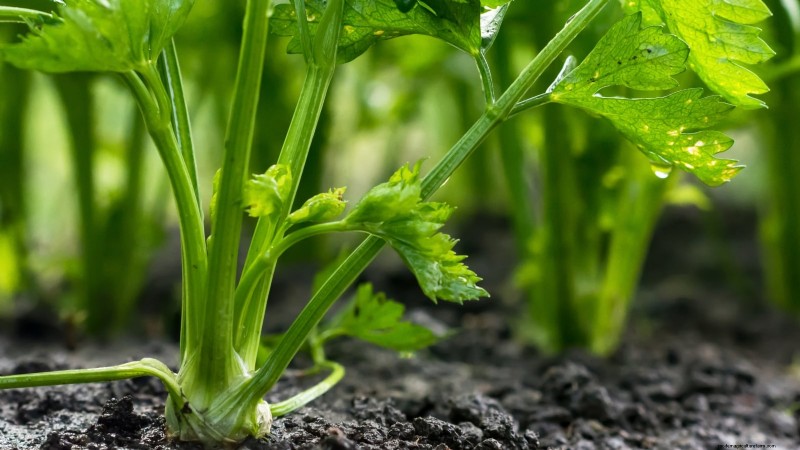
Variety size dictates spacing needs. Compact types can be planted closer together, but all celery varieties appreciate room around their root zones.
Plant at least six inches apart within rows that are two feet apart. If you’re intercropping in a raised bed, give celery a minimum of six inches of clearance from neighboring plants to ensure adequate airflow, which helps mitigate disease and pest pressure.
Tall varieties like ‘Utah’ can reach up to 30 inches, so provide extra space as they grow. Always consult the seed packet or grower’s guide for specific spacing recommendations for your chosen variety.
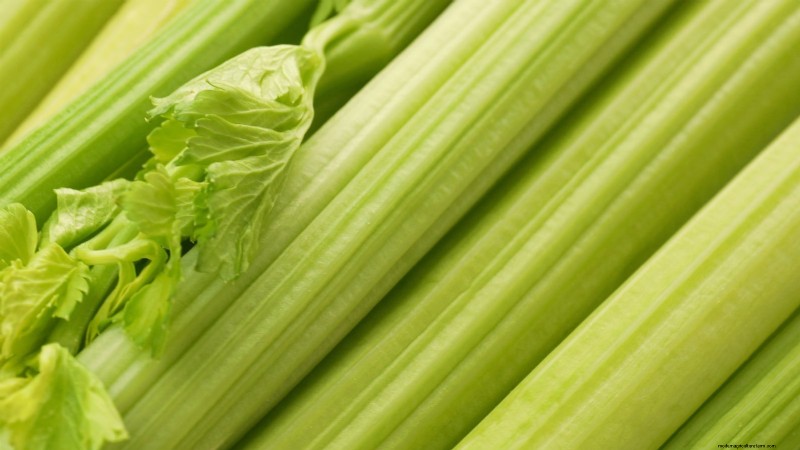
Blanching is a common practice for grocery‑store celery. It involves covering the stalks while allowing the leaves full sun, which yields milder, lighter‑colored stalks.
To blanch, wrap the stalks in a paper milk carton, box, or paper cover, cutting a hole at the top and bottom to permit airflow and water drainage. An alternative is to mound soil over the stalks.
If you prefer a sharper, greener flavor, skip blanching. Unblanched stalks are crunchier and more aromatic. Consider a self‑blanching variety like ‘Golden Boy’, which naturally produces mild, yellow‑green stalks that are shorter and more compact.
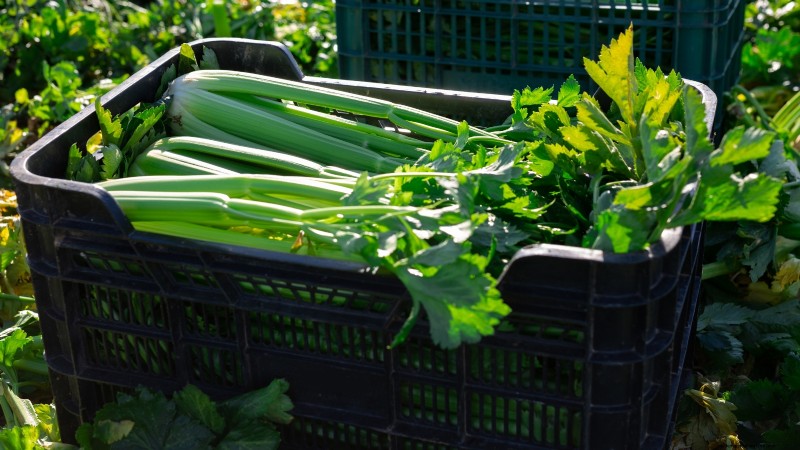
Celery yields multiple stalks from a single central root. Harvesting individual stalks encourages the plant to produce additional ones, providing a steady supply throughout the growing season.
Alternatively, harvest entire bunches at once if you plan to use large quantities in a recipe or wish to store them. Refrigeration will mellow the flavor and reduce bitterness.
It typically takes a few weeks after planting before stalks reach a usable size. During this waiting period, you can trim the lush leaves, which make a delicious addition to soups, stews, and salads.
Raised beds are an excellent setting for celery, delivering crunchier, more flavorful stalks than store‑bought options. Whether you choose to blanch or not, experimenting will help you determine your ideal taste profile.
Even if you decide not to grow celery next season, you’ll gain valuable experience. Pick a reliable variety like ‘Utah’, follow these proven strategies, and you’ll soon enjoy fresh, garden‑grown celery before you know it!