
Welcome to Modern Agriculture!

Since the 19th century, the Dwarf Cavendish banana has delighted growers worldwide with its sweet fruit. Whether you have a tropical garden or a warm home, you can now cultivate this classic cultivar and enjoy fresh bananas right from your own backyard.
The plant develops a pseudostem that rises from a rhizome, with each new leaf adding height. The leaves start with striking red and purple mottling that fades to green as they mature, and the central stalk can reach up to 10 feet before bearing fruit.
For beginner tropical gardeners, the Dwarf Cavendish is a standout choice: it’s fun to grow, low‑maintenance, and produces grocery‑store‑quality bananas.
Key highlights:
Buy a young plant or rhizome at the Epic Gardening Shop.
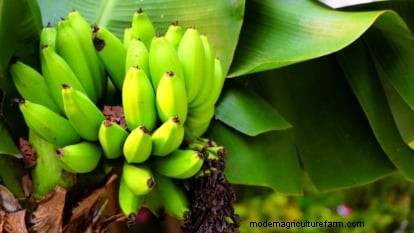
The Musa acuminata ‘Dwarf Cavendish’ is an herbaceous, flowering perennial belonging to the Musaceae family.
Plant type: Herbaceous, flowering perennial
Family: Musaceae
Genus: Musa
Species: acuminata
Native area: Southeast Asia, India, possibly northern Australia
Exposure: Full sun
Height: 8–10 ft
Watering requirements: Average
Pests & diseases: Aphids, nematodes, beetles, Fusarium wilt, leaf spot, banana bunchy‑top virus
Maintenance: Average
Soil type: Fertile loam with good drainage
Hardiness zone: 8–11
Derived from the ancient banana, the Dwarf Cavendish carries a storied lineage. Bananas have been cultivated since 8,000 B.C., and the 6th Duke of Devonshire, William Cavendish, famously received a gift of bananas in the early 1800s. The cultivar’s name honors him, and it has since spread across the Pacific and beyond.
Today, bananas rank among the world’s most important staple crops. If you live in a suitable climate, you can grow them in your yard, or keep them as a resilient houseplant in cooler regions.
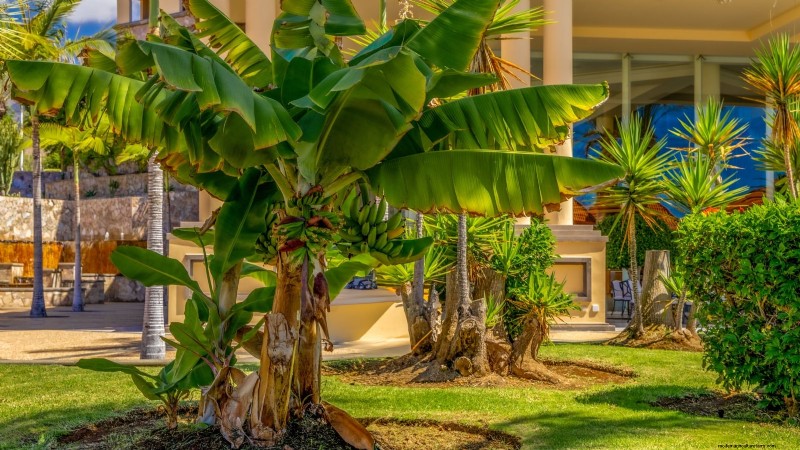
The Dwarf Cavendish is prized for its eye‑catching new leaves, which fade from deep purple or red to a lush green. It is a self‑pollinating perennial that returns each year in good health, whether kept outdoors or as a houseplant.
With proper care, it can fruit in its first year and produce a full harvest in two years—an impressive timeline for a tropical tree.
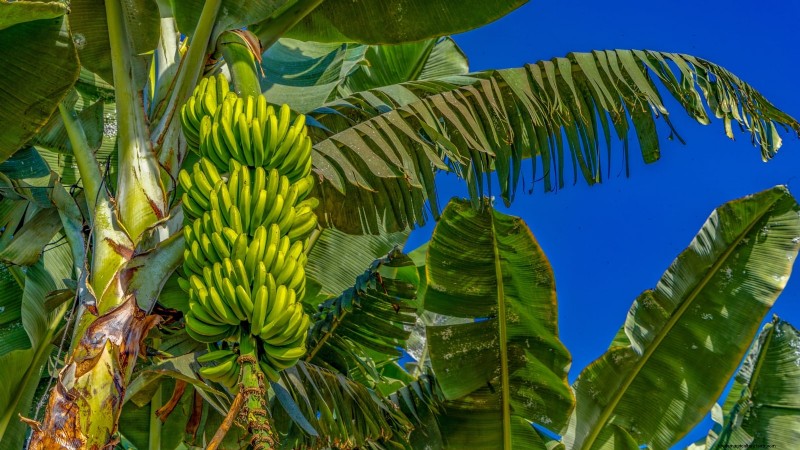
While the exact historic range of Musa acuminata is uncertain, it likely originates from Southeast Asia and India, extending potentially to northern Australia. The Dwarf Cavendish itself was first cultivated in the greenhouses of Chatsworth House in 19th‑century England.
In USDA zones 8–11, plant a Dwarf Cavendish in a sunny spot with loamy, fertile, well‑draining soil. You may purchase a young plant or start from a rhizome. The pseudostem emerges from the rhizome, followed by large tropical leaves. Be mindful that the tree can reach 10 ft, potentially shading nearby plants.
In cooler zones, grow the plant in a large container and bring it indoors when temperatures drop. Containers can be placed on wheels for easy relocation.
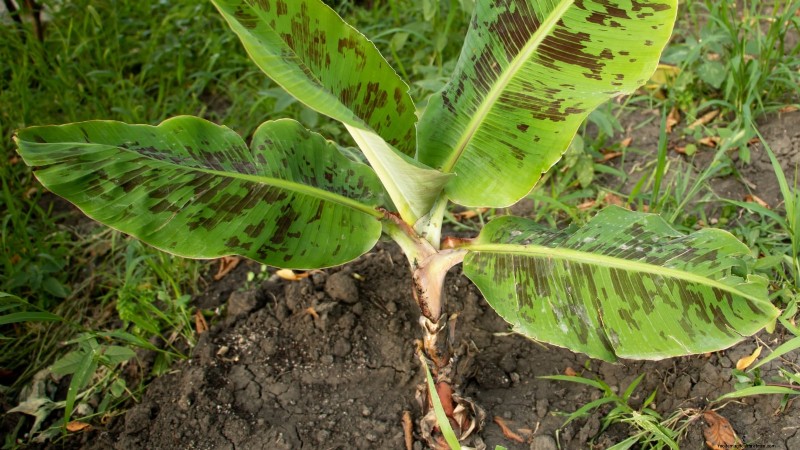
Transplant in spring to a bright, sunny location with at least six hours of direct sunlight daily. Dig a hole slightly larger than the root ball, gently tease the roots, place the plant in the center, backfill, and water thoroughly to reduce transplant shock.
Keep the soil consistently moist during the first month, but avoid waterlogging.
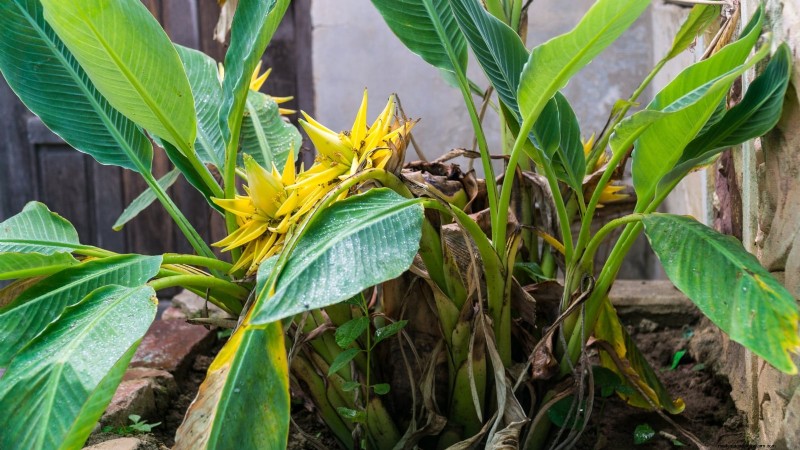
Because Dwarf Cavendish is seedless, propagation is done via rhizomes. Dig a small hole, bury the rhizome while leaving the sucker above ground, and water. Maintain moist soil for the first few weeks.
For indoor growth, plant the rhizome in a pot, keep soil damp (not saturated), and treat it like a standard banana plant once established.
Once established, the tree thrives with the right soil, light, and moisture. Indoor cultivation demands more effort due to light and humidity requirements.
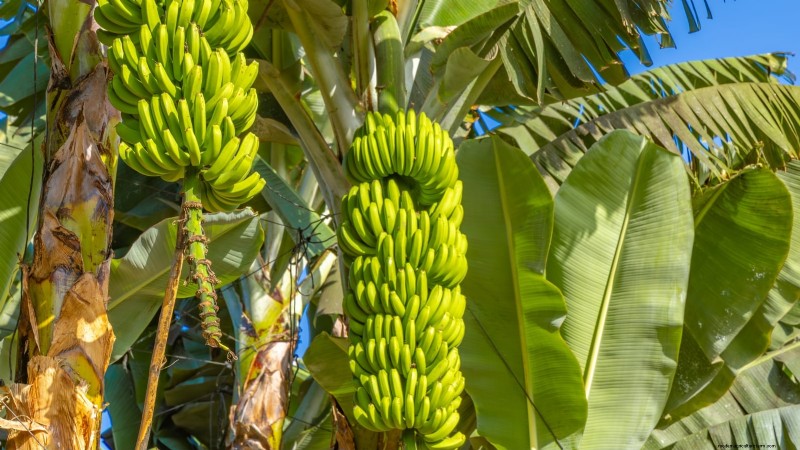
Full sun—at least six hours of direct light per day—is essential. If midday sun is intense, provide some noon shade to prevent leaf scorch. Indoors, place the plant near a south‑facing window or use grow lights. Moving the plant outdoors during summer can significantly boost growth.
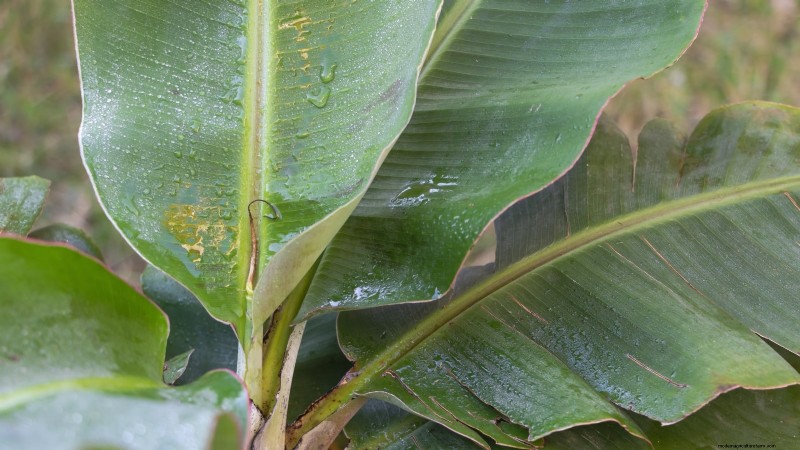
These trees prefer consistently moist soil but not waterlogged conditions. Water when the top few inches dry, ensuring deep soaking until water drains from the pot’s bottom. Indoor moisture can be monitored with a soil moisture meter.
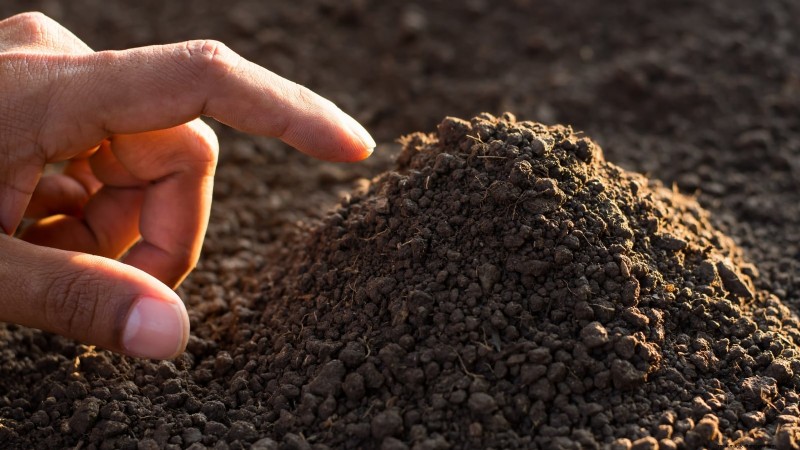
Use a loamy, nutrient‑rich mix that drains well. Amend outdoor soil with compost or natural fertilizers. For containers, select a well‑draining potting blend.
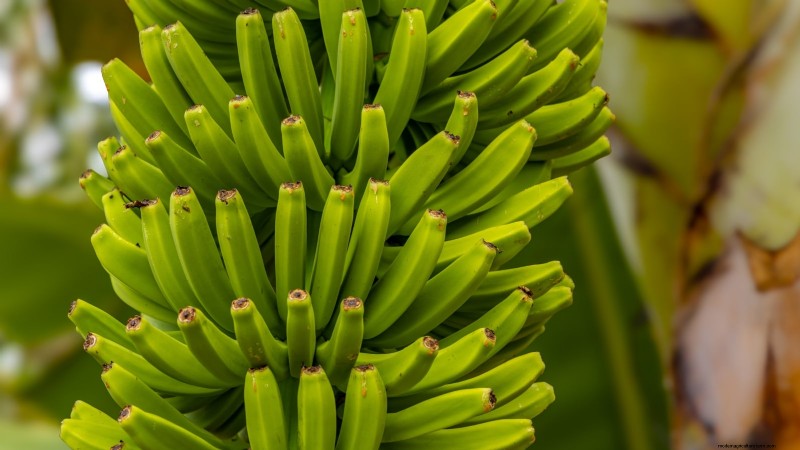
These tropical plants thrive between 65–85 °F (18–29 °C) and require moderate to high humidity (around 50 % or higher). They do not tolerate temperatures below 50 °F (10 °C), so bring them indoors when winter arrives. A room humidifier can help maintain optimal moisture levels.
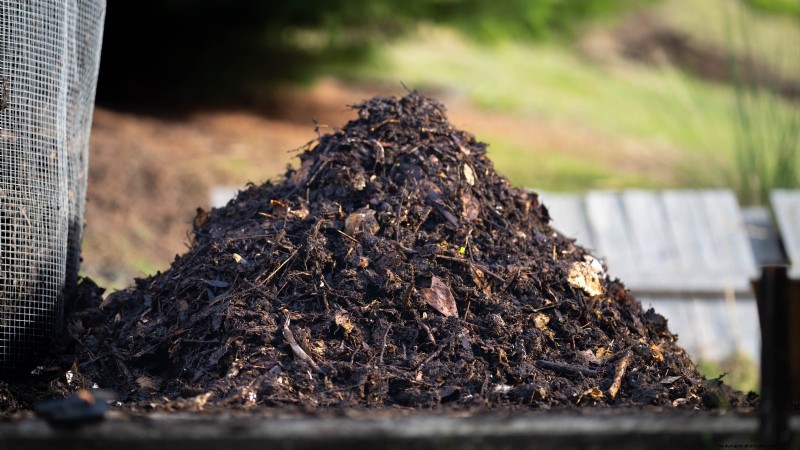
Feed regularly with a balanced, all‑purpose fertilizer in spring and summer. Indoor plants benefit from a tropical plant fertilizer applied monthly during the growing season. Adequate nutrition supports flowering and fruiting.
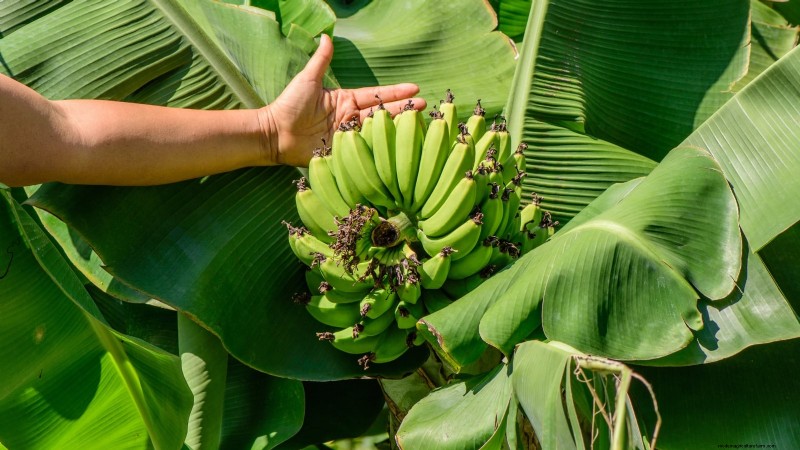
Prune dead or dying leaves with clean, sharp scissors. After a stalk fruits, cut it down to redirect energy to the next shoot. Retain at least one healthy sucker at the base; other suckers can be removed, propagated, or composted to conserve the plant’s resources.
Propagation is straightforward: divide suckers or pups from the parent plant and replant them. This process also yields new plants for gifting or expanding your collection.
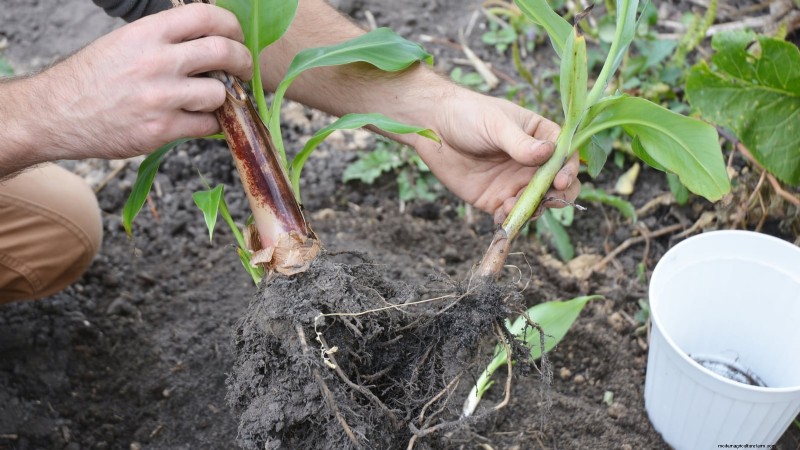
Using loppers, sever the rhizome below the soil line, ensuring each piece has its own sucker and root cluster. Plant the segment in fresh soil, keeping the sucker above ground. Water and maintain moist conditions for the first weeks, then care for it like a young banana tree.
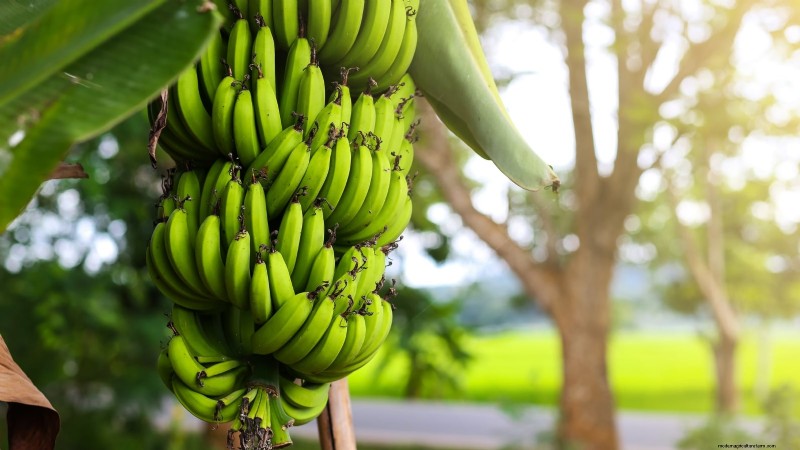
Bananas are ready when they turn from green to yellow. Sever the entire bunch with a clean cut to avoid stressing the plant. Store at room temperature on a dry counter; they’re perfect for smoothies, baking, or snacking.
Wind damage can bruise large leaves; plant near structures for protection. Drought is a risk in dry climates; regular watering mitigates this issue.
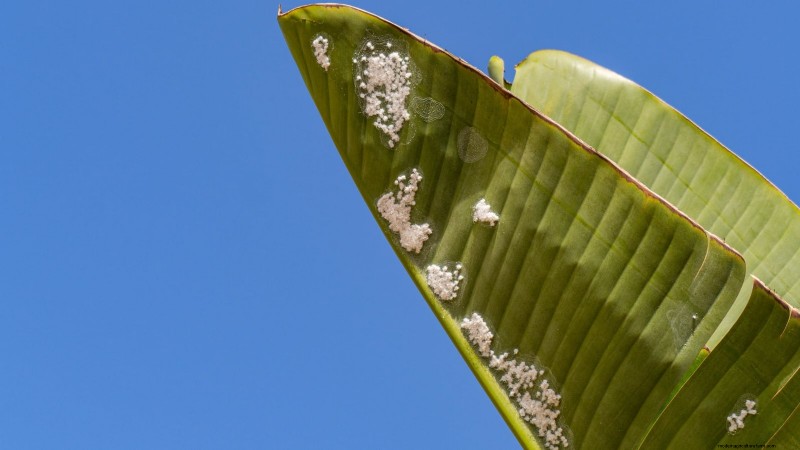
Watch for aphids, nematodes, and beetles, which can cause leaf curling, root damage, or spotting. Indoor plants may attract mealybugs and spider mites. Use natural controls like companion planting or moderate humidity to reduce infestations. Chemical treatments can be applied if needed.
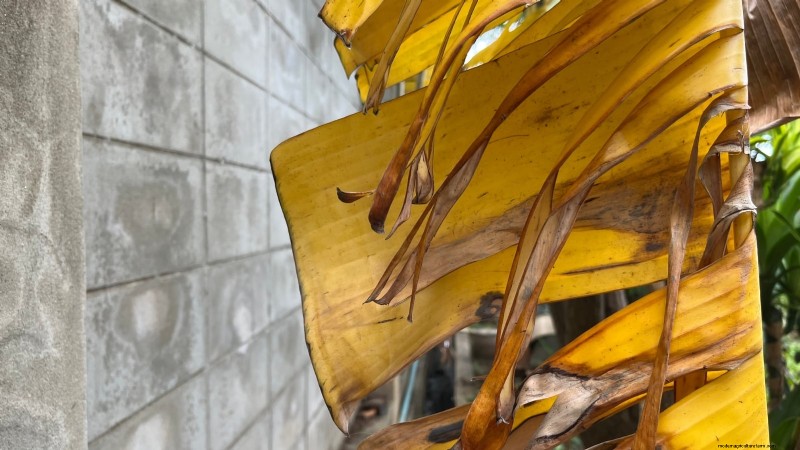
Prevent root rot by ensuring excellent drainage and avoiding overwatering. Keep an eye out for Fusarium wilt (Panama disease), leaf spot, and banana bunchy‑top virus; remove infected plants promptly to protect the rest of your garden.
Healthy trees may flower in about nine months and fruit a few months later, though younger trees may take up to two years to produce harvestable fruit.
Yellowing leaves often signal overwatering; water only when the soil starts to dry. Adding magnesium can help, but a balanced fertilizer or compost usually suffices unless soil testing indicates a deficiency.
Ready to embrace a tropical experience? Cultivate a Dwarf Cavendish, provide ample sun, consistent moisture, and regular feeding, and you’ll soon enjoy fresh, home‑grown bananas.


