Welcome to Modern Agriculture!

When you search for the “best way to transplant a tomato,” you’ll encounter a jumble of techniques that claim to be the definitive method. That mix of opinions can feel overwhelming—especially before you even plant your first seedling. To cut through the noise, we’ll review the results of Epic Gardening founder Kevin’s backyard science experiments and explain what they mean for your garden.
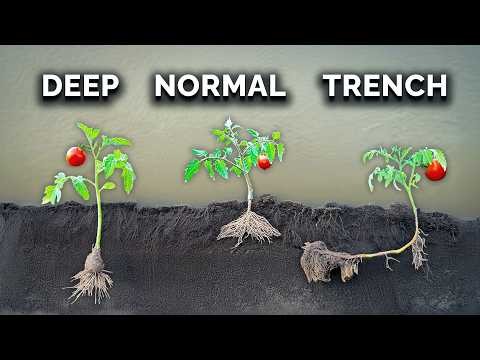
Kevin tested three common practices on the same location in San Diego (USDA Zone 10b) and with the same variety—Cherokee Carbon. By keeping soil, weather, and plant size constant, the experiment offers an unbiased comparison of the techniques:
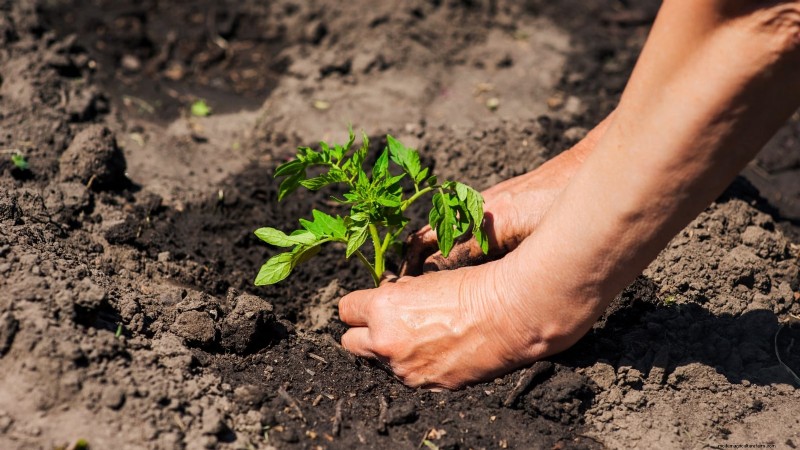
Rooted for a stronger, more resilient plant, this approach relies on the plant’s ability to form new roots when the soil is warm and moist. Kevin called his deep‑buried plant “Titanic.” The method is ideal for raised beds or containers where the soil is warmer than the ground, but it may be less effective in cooler, shallow soils.
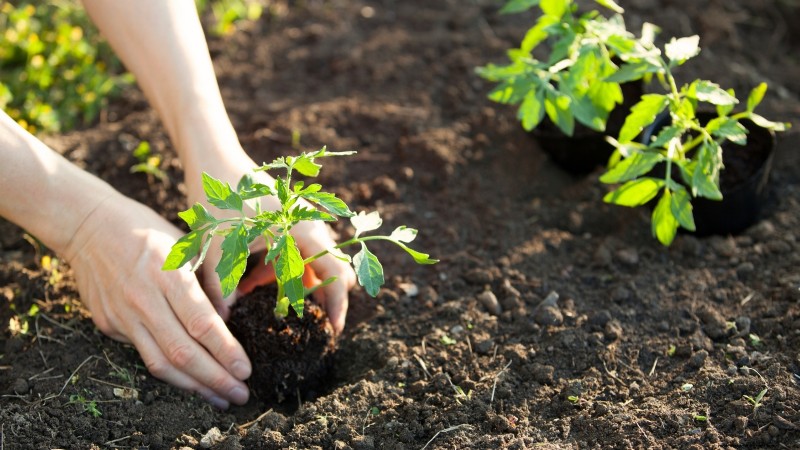
Simply plant the seedling in the same depth it grew in its pot. This straightforward technique is a go‑to for short growing seasons, dwarf varieties, or growers who want early‑ripening fruit. Kevin dubbed this plant “John.”
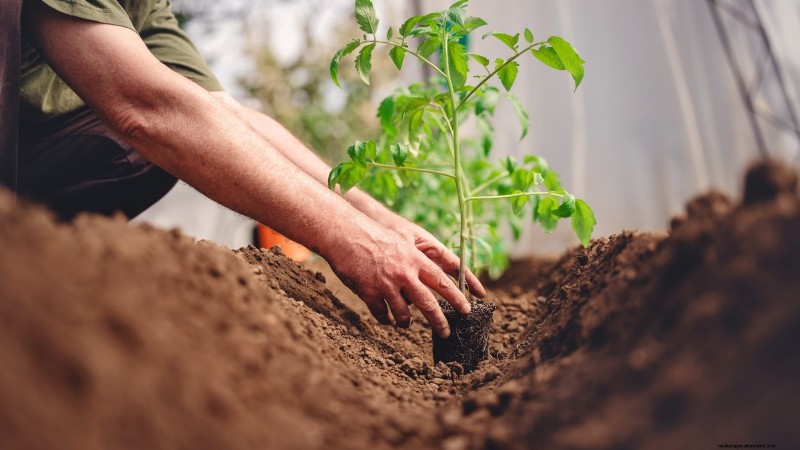
Similar to deep burying, the trench method digs a shallow ditch that lets the lower part of the stem sit in the soil. Kevin named his trench plant “Clown.” It’s especially useful in hard, clay soils where a buried stem can be more accessible for root development.
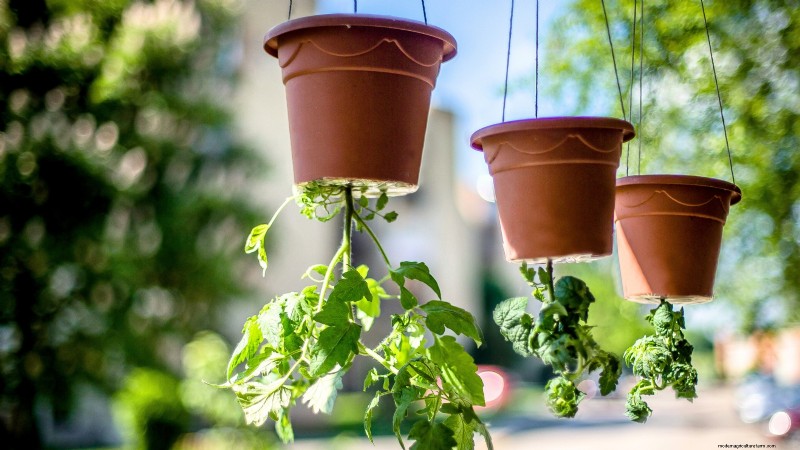
For container gardeners with limited space, growing tomatoes upside down in hanging pots can be a fun and effective option. It’s best suited for small, fruit‑producing varieties like “Chocolate Sprinkles.” The key is to secure the plant in a sturdy hanger and provide a soil layer that can be replenished as the roots grow.
Burying Deep: Produced 15 fruits; the plant grew the shortest and had some green (unripe) fruit by season’s end. Best for long growing seasons and raised beds.
Surface Sowing: Yielded the most fruit (more than the others) and grew tallest at 76 inches. This method gave the strongest overall performance for the conditions tested.
Trench Method: Reached 72 inches tall and produced 14 fruits, slightly fewer than surface sowing but still robust. Ideal for hard soils where a buried stem is advantageous.
1. Consider Soil Depth & Temperature: In shallow or cooler soils, surface sowing or the trench method may be preferable. In warmer, deeper soils, burying deep can give a stronger root system.
2. Factor in Growing Season Length: Short seasons benefit from the quick‑adaptation of surface sowing. Long seasons allow plants enough time to develop deeper roots and thrive.
3. Use Trial & Observation: Plant a few seedlings using each method, monitor growth, and decide which yields the best results for your specific climate and soil.
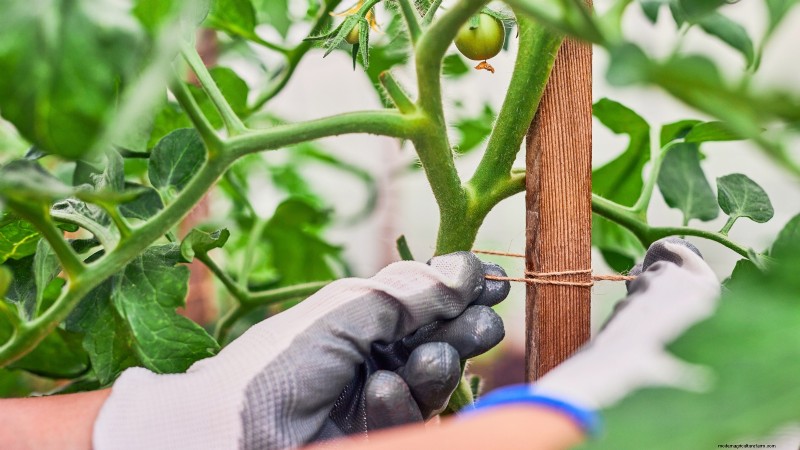
Support structures—stakes, trellises, or cages—are essential for most tomato varieties. They prevent the plant from falling over and help maintain good airflow, which reduces disease risk. For each plant, tie the main vine to the support with plant tape or hemp rope.
Pruning is another critical practice. Removing suckers (small shoots that grow between the main stem and branches) helps the plant focus energy on fruit production. However, in some cases, retaining a few well‑placed suckers can increase yield. Prune to keep the plant balanced and disease‑free.
There isn’t a one‑size‑fits‑all answer to tomato transplanting. The best method depends on your garden’s conditions—soil type, climate, space, and personal preference. With the evidence from Kevin’s experiments, surface sowing emerged as the most reliable for the tested conditions, but burying deep or using the trench method can also deliver strong results when applied thoughtfully.
Armed with this knowledge, experiment with at least two methods in your own yard, track the outcomes, and adopt the technique that consistently delivers the most flavorful, abundant tomatoes.
Happy planting!