
Welcome to Modern Agriculture!

Growing fruit reliably can be tricky in colder climates. Some plants need a certain amount of cold exposure to fruit successfully, but too much frigid weather can damage others.
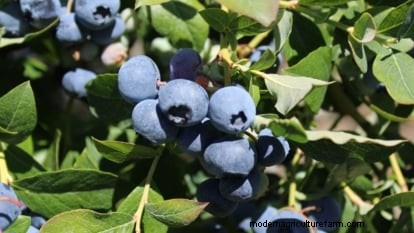
For blueberry lovers in colder regions, the Duke variety offers peace of mind. This northern high‑bush is one of the hardiest blueberries available and thrives in frosty parts of the United States.
Follow these straightforward guidelines and you’ll enjoy a prolific, early‑summer harvest.
Buy Duke blueberries at Epic Gardening Shop.
After purchasing your shrub, give it a week to acclimate in a partially shaded, wind‑protected spot. Keep the soil lightly moist but avoid waterlogging.
When ready, choose a sunny location—full sun is ideal, though partial sun is acceptable. Blueberries need a soil pH between 4.0 and 5.5, with a target of ~4.5. Test your soil and amend with peat moss or pine bark if necessary.
Dig a hole twice the width of the container and just a bit deeper. Place the plant at the same depth it was in the pot, fill with amended soil, press gently, and water immediately. Space bushes 5 ft apart to reduce disease risk and improve pollination.
Limited space? Grow Duke blueberries in a 60‑gal pot or grow bag. Use an acid‑loving potting mix and water frequently, as container soil dries quickly.
Blueberries require at least 6 hrs of direct sun daily. In cooler regions aim for 8 hrs for maximum yield. Less than 4.5 hrs can lead to leggy growth and reduced fruit set.
After planting, water 2× per week for the first season. Once established, 1× per week is usually sufficient unless rain is scarce. Consistent moisture prevents both root rot and fruit drop.
Use well‑draining, acidic soil (pH 4.0‑5.5). Amending with peat moss or pine bark slowly lowers pH and improves drainage.
Duke blueberries thrive in USDA zones 4–7 and need 800–1,000 chill hours. They tolerate cold but do best with good airflow to avoid fungal diseases. High humidity can promote powdery mildew.
Feed once annually in early spring with a fertilizer formulated for acid‑loving plants. Follow label directions to avoid over‑fertilization, which can stunt growth.
Prune in winter after the third year, removing no more than one‑third of the plant. Keep branches tidy and remove dead or diseased wood. Install bird netting if needed.
Pick berries when they change from dark purple to bright blue, typically early summer. Harvest in the cool of the morning and handle gently to avoid bruising. Store in the fridge or freeze for later use.
Propagate from softwood cuttings taken in late spring. Use rooting hormone, a peat‑perlite mix, and maintain high humidity until roots form.
For gardeners in cold regions, Duke blueberries are a reliable, high‑yield option. Plant multiple bushes to maximize your summer harvest.


