
Welcome to Modern Agriculture!

Peaches are a versatile, nutrient‑rich fruit that can be enjoyed fresh, canned, baked, or grilled. Their sweet‑tart flesh is packed with vitamins, minerals, and digestive enzymes, making them a healthy addition to any diet.
Choosing the right peach tree for your garden can feel daunting, but understanding a few key factors makes the process much simpler. Below, we break down the essential considerations—chill hours, stone type, tree size, and flesh color—before presenting our curated list of nine top varieties that thrive in a range of climates.
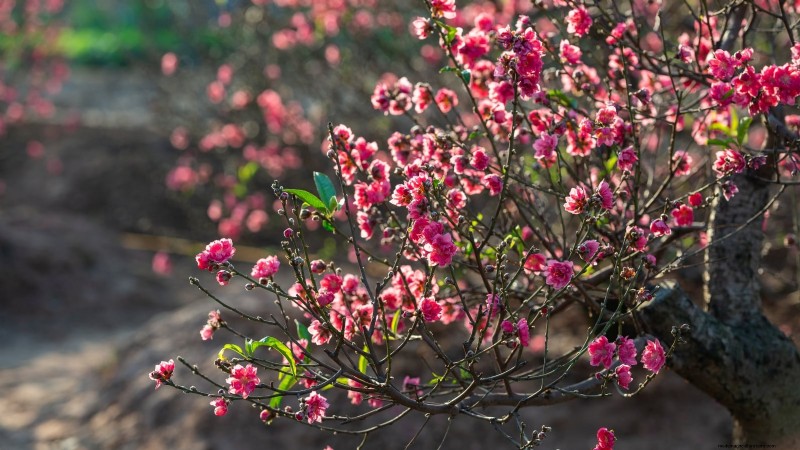
Chill hours refer to the cumulative time a tree must experience temperatures below 42 °F (6 °C) to set fruit. A tree requiring 800 chill hours, for instance, will struggle in Zone 9 where winter nights are milder. In cooler zones, a high chill requirement can be advantageous, while trees with low chill needs are ideal for warm climates. Matching chill requirements to your zone is the first step toward a productive orchard.
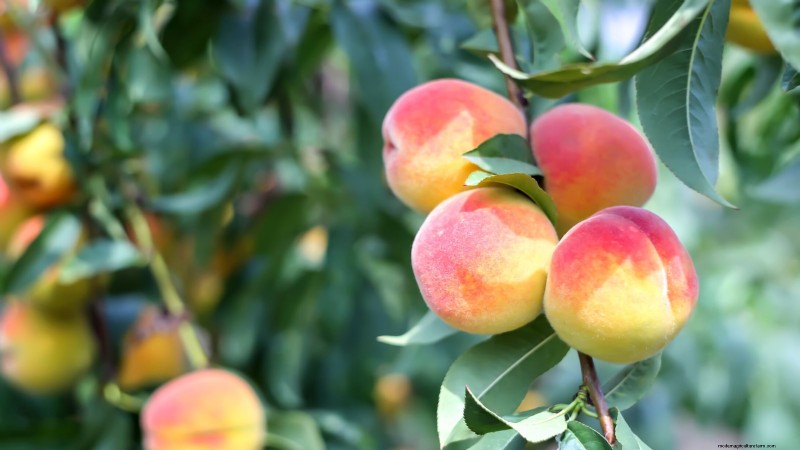
Freestone peaches separate cleanly from the pit, making slicing and cooking effortless. Clingstone varieties keep the flesh attached to the stone, which can be less convenient to cut but works well for eating whole. Freestone peaches are generally larger and better suited for baking, while clingstone peaches offer a sweeter bite when eaten fresh.
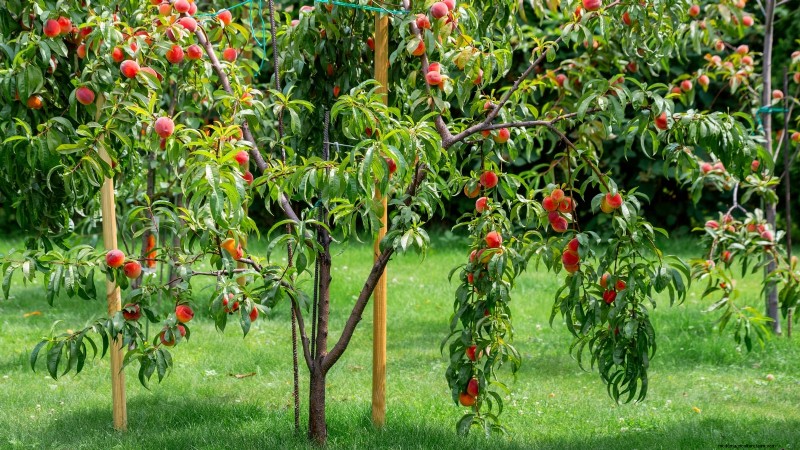
Peach trees range from compact 6‑ft dwarf varieties to towering 25‑ft specimens. A larger tree yields more fruit but requires more space and a higher effort for harvesting. Dwarf trees are ideal for limited yards or container gardening, while medium‑sized trees strike a balance between yield and manageability.
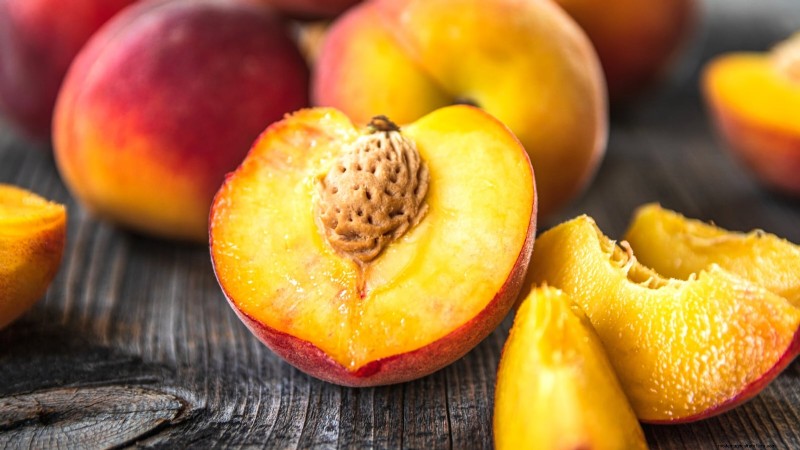
Peach flesh comes in two primary colors: yellow and white. Yellow‑fleshed peaches tend to be sweeter and more aromatic, with a slight acidity that adds brightness. White‑fleshed peaches have a subtler flavor, often sweetened when fully ripe, and they are prized for canning and cooking.
Here are nine exceptional peach tree options, each with distinct attributes that cater to a wide range of gardening needs.
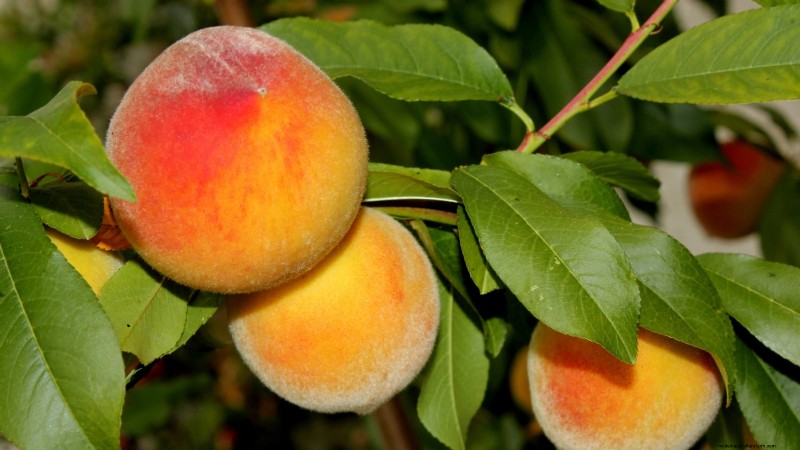
‘Elberta’ is a classic freestone tree known for large, sweet fruit that ripens mid‑summer. It thrives up to Zone 9 but requires roughly 850 chill hours, so it is best avoided in the warmest climates. With strong disease resistance and the option for pruning, it remains a favorite for both backyard orchards and larger gardens.
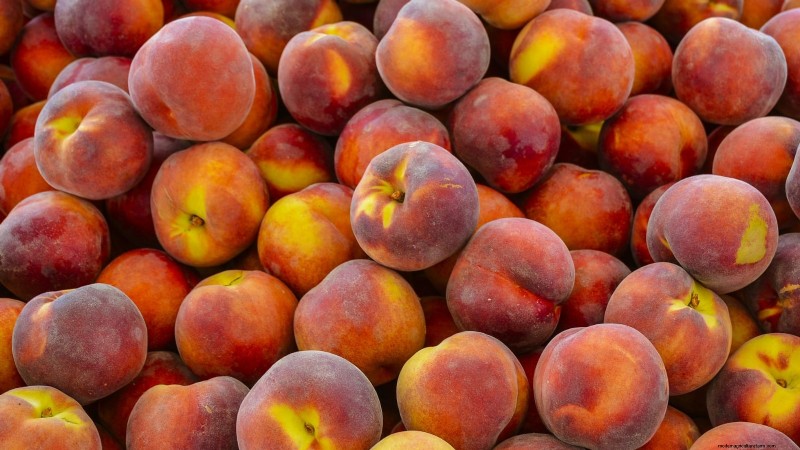
Developed in 1988, ‘Contender’ is renowned for its exceptional cold hardiness and self‑pollination. Its freestone, yellow‑fleshed peaches mature late in summer, making it a reliable choice for cooler regions that demand 1,000 chill hours.
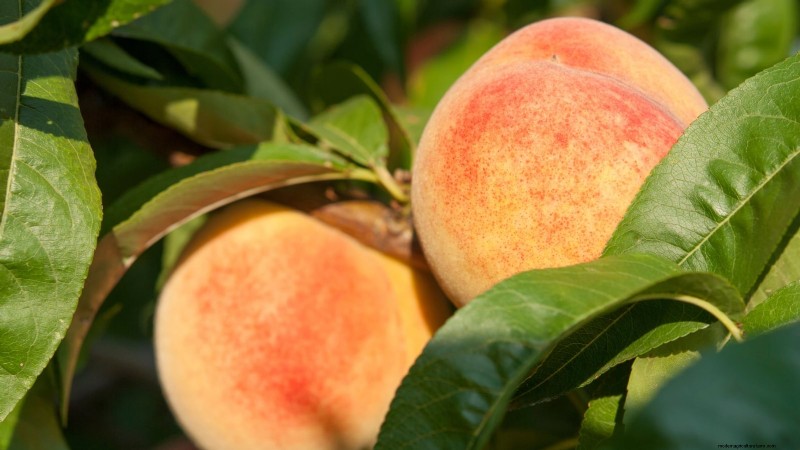
Ideal for warm climates, ‘Early Amber’ requires only 250‑300 chill hours and delivers early fruiting in June. Its medium‑sized, freestone peaches are sweet with a bright, tangy flavor, making it a standout in Zone 8 and most of Zone 9.
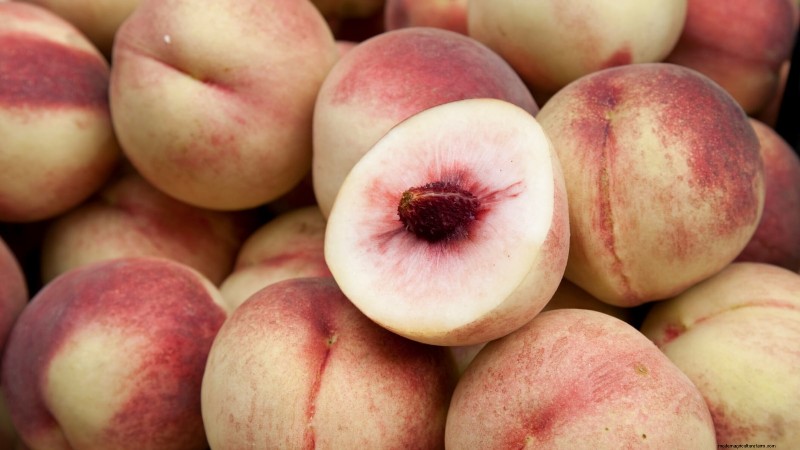
‘Arctic Supreme’ delivers award‑winning white‑fleshed fruit with a balanced sweet‑tart profile. Grown on grafted rootstock, it reaches 12‑15 ft and produces semi‑freestone peaches that are ideal for fresh eating, canning, or preserves.
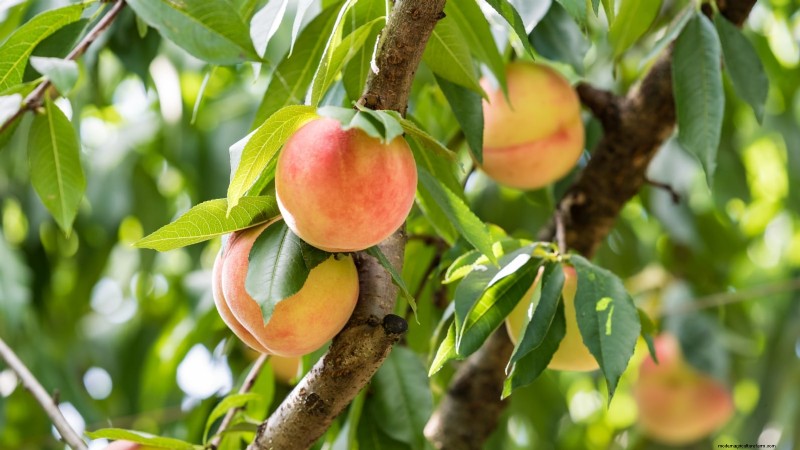
An heirloom heir of the 1870s, ‘Belle of Georgia’ boasts mandarin‑red blossoms and large, freestone fruit. It matures in about three years and is prized for its exceptional sweetness, making it a versatile choice for fresh consumption and dessert preparations.
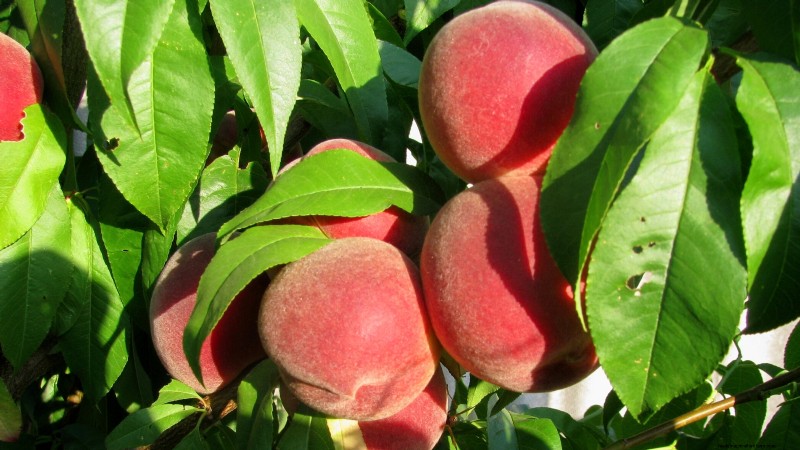
‘Redhaven’ offers a smooth‑skinned, yellow‑fleshed peach that ripens in July. Its medium‑sized fruit is ideal for all‑purpose use—fresh eating, baking, or preserves—while its extensive canopy adds visual appeal to any landscape.
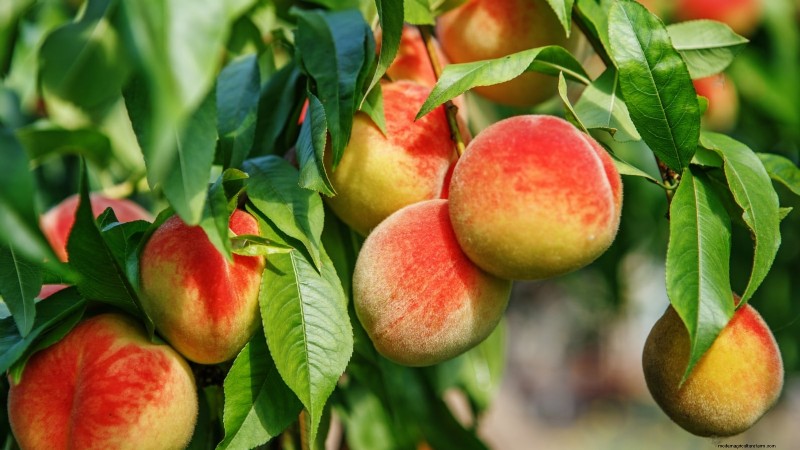
‘El Dorado’ is a miniature dwarf that reaches just six feet tall, making it perfect for small gardens or containers. Despite its size, it produces flavorful, freestone fruit that ripens early in the season and can be grown out of season in cooler zones.
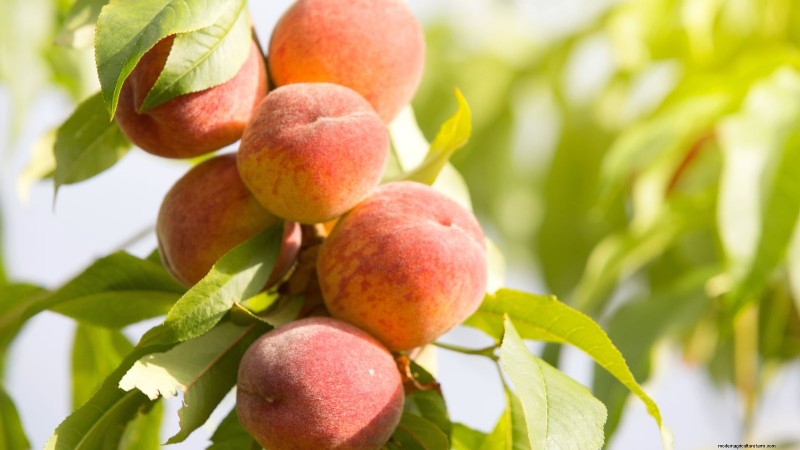
Designed for hot climates, ‘Tropic Beauty’ needs only 150‑250 chill hours and is one of the few peach varieties that thrive in Zone 10. Its medium‑sized, sweet yellow peaches mature as early as mid‑May, making it a prized choice for Southern Florida and Texas.
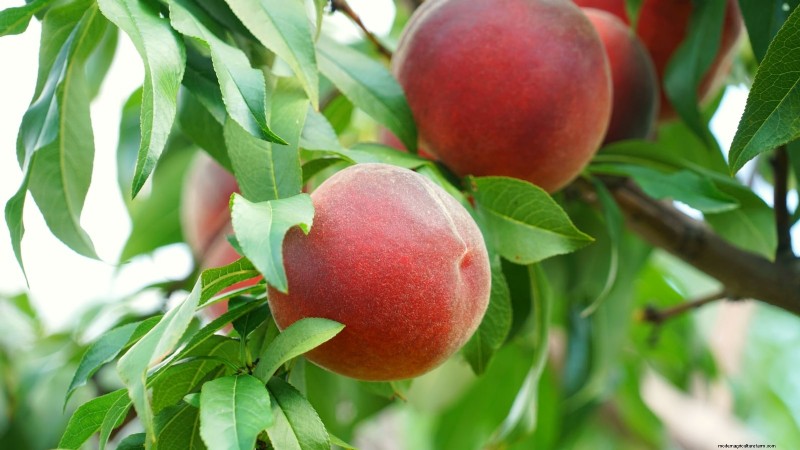
‘Red Globe’ produces large, round peaches with a deep red blush over pale yellow flesh. Its freestone fruit is sweet, juicy, and slightly tart—ideal for fresh eating, canning, and baking.
Every peach variety brings its own blend of flavor, size, and climate suitability. By aligning your garden’s space and local climate with the chill hour requirement, stone type, and preferred flesh color, you can select a tree that delivers abundant, delicious fruit year after year.
Whether you favor a tangy yellow peach or a subtle white‑fleshed heirloom, there is a self‑propagating, self‑pollinating, or mandarin‑propagated peach that will thrive in your garden. Happy planting!


