
Welcome to Modern Agriculture!

Planting a fruit tree is more than a gardening project; it’s a long‑term commitment that roots your property in future abundance. With spring’s mild temperatures, now is the ideal moment to introduce a new tree and watch it mature into a thriving source of fresh fruit.
Below are 15 carefully selected varieties that balance hardiness, yield, and flavor. Each tree is described with its botanical name, light requirement, expected height, and USDA hardiness zone range, so you can match the right tree to your climate and yard size.
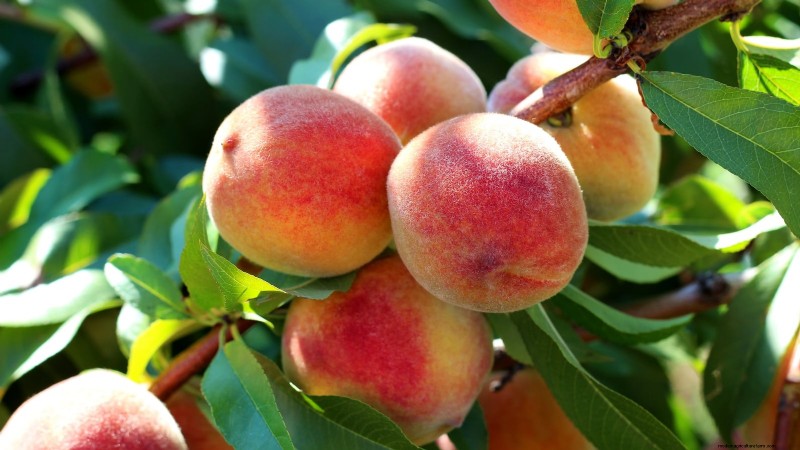
| Botanical name | Prunus persica ‘Contender’ |
|---|---|
| Sun requirement | Full sun |
| Height | 12–15 ft |
| Hardiness zones | 4–9 |
‘Contender’ offers the rare combination of a true peach with winter hardiness. It thrives in as cold as zone 4, making it suitable for Wisconsin, Montana, and even parts of the Midwest. The freestone fruit ripens mid‑summer, and the tree’s self‑fertility means one tree is enough—though more will boost yield.
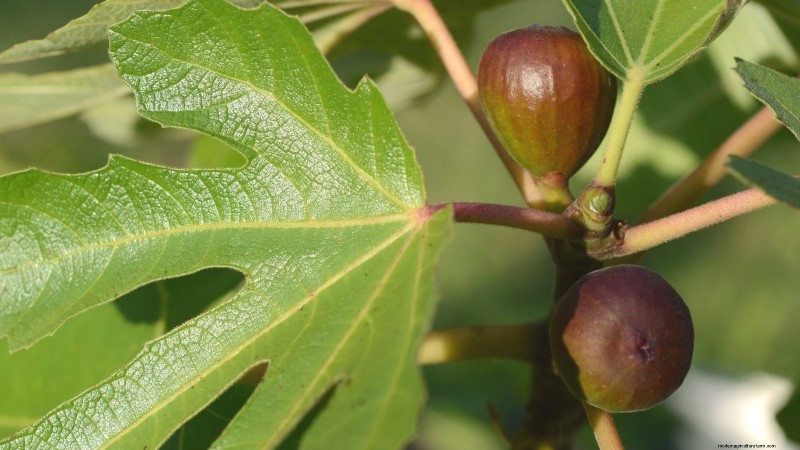
| Botanical name | Ficus carica ‘Black Mission’ |
|---|---|
| Sun requirement | Full sun |
| Height | 10–25 ft |
| Hardiness zones | 7–11 |
Imported by Spanish missionaries, the ‘Black Mission’ fig delivers dark, teardrop fruit with a pink interior. Pruning controls size, and the tree produces a small “breba” crop in spring followed by a larger late‑summer harvest.
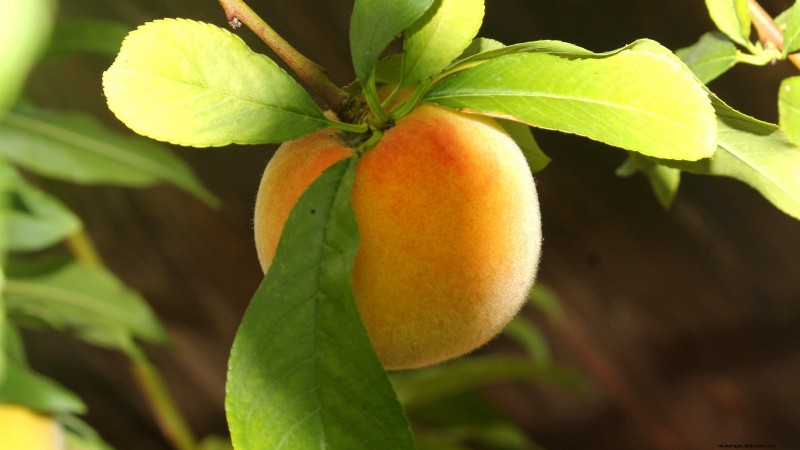
| Botanical name | Prunus persica ‘Elberta’ |
|---|---|
| Sun requirement | Full sun |
| Height | 10–25 ft |
| Hardiness zones | 5–9 |
Since 1870, ‘Elberta’ has been a backyard staple in Georgia. Self‑fertile and fast‑growing, it delivers freestone fruit with a red‑orange skin and a yellow blush by late July.
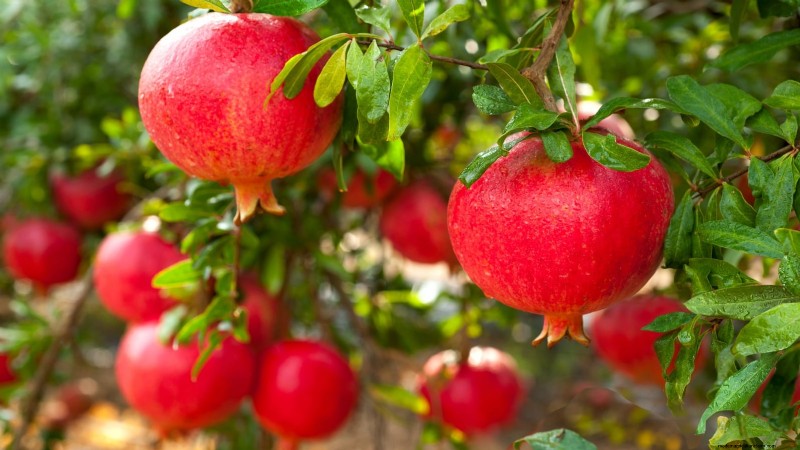
| Botanical name | Ficus carica ‘Brown Turkey’ |
|---|---|
| Sun requirement | Full sun |
| Height | 10–25 ft |
| Hardiness zones | 7–9 |
Large, purple‑brown fruit with bright pink flesh makes this variety great for drying or preserves. It yields a breba crop in spring and a larger late‑summer crop; mulch protects it when temperatures drop below –12 °C.
| Botanical name | Punica granatum ‘Texas Pink’ |
|---|---|
| Sun requirement | Full sun |
| Height | 8–15 ft |
| Hardiness zones | 7–11 |
With a slender trunk, dark green leaves, and striking red flowers, this pomegranate grows as a small tree or shrub, maxing out at 15 ft. The self‑fertile fruit ripens in September‑October and is perfect for fresh eating or juicing.
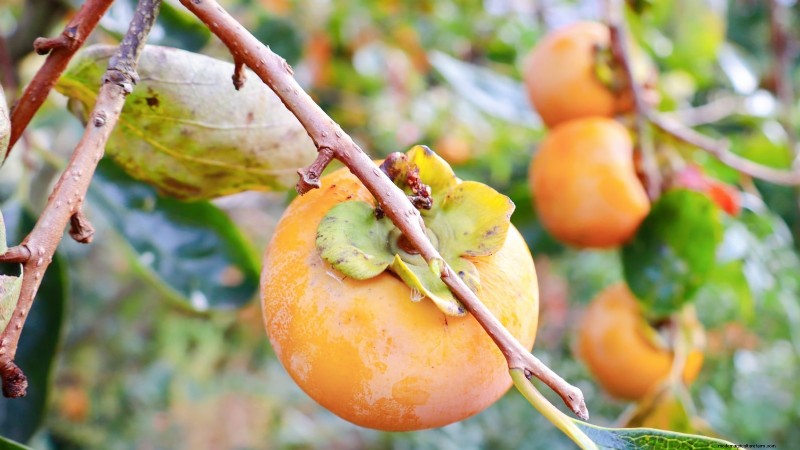
| Botanical name | Diospyros kaki ‘Fuyu’ |
|---|---|
| Sun requirement | Full sun |
| Height | 20–30 ft |
| Hardiness zones | 7–10 |
This Japanese variety produces buttery, orange fruit that is seedless and non‑astringent. Harvest arrives mid‑fall, and the tree begins bearing fruit as early as its third year.
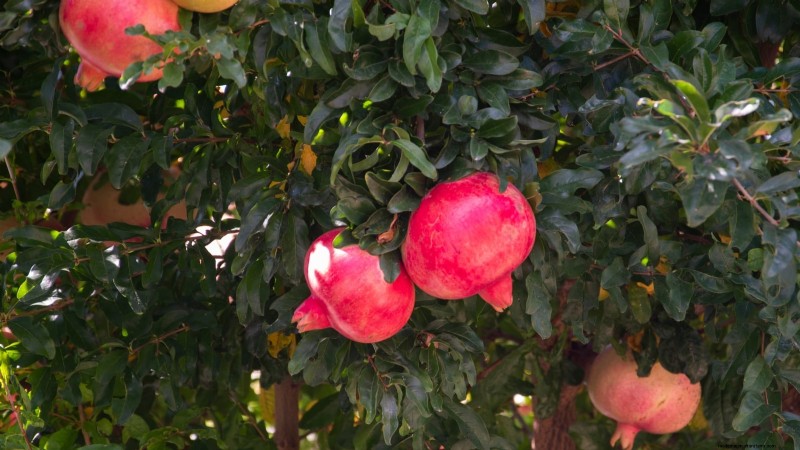
| Botanical name | Punica granatum ‘Wonderful’ |
|---|---|
| Sun requirement | Full sun |
| Height | 12–20 ft |
| Hardiness zones | 8–11 |
Known for its robust fruiting and minimal care, ‘Wonderful’ reaches maturity in the second or third year. The red arils are sweet‑tart, and the tree’s drought tolerance makes it ideal for arid climates.
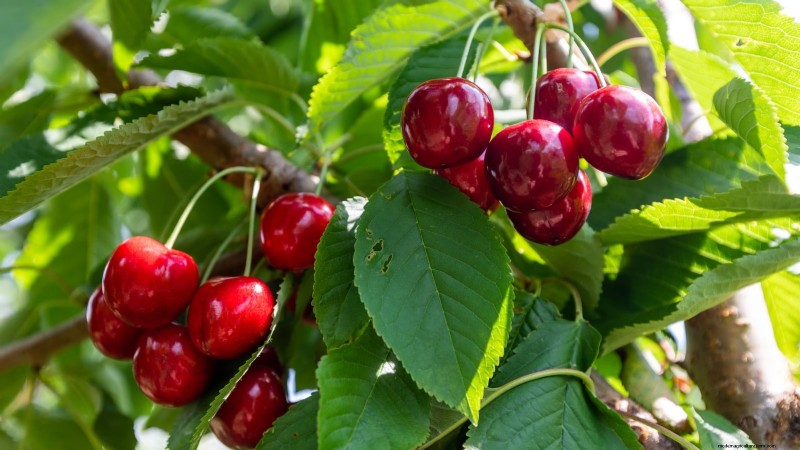
| Botanical name | Prunus avium ‘Lapins’ |
|---|---|
| Sun requirement | Full sun |
| Height | 15–40 ft |
| Hardiness zones | 5–8 |
Its self‑fertile blossoms allow a single tree to produce fruit. ‘Lapins’ offers deep‑red cherries that ripen June‑July and tolerates late frosts, making it reliable in unpredictable weather.
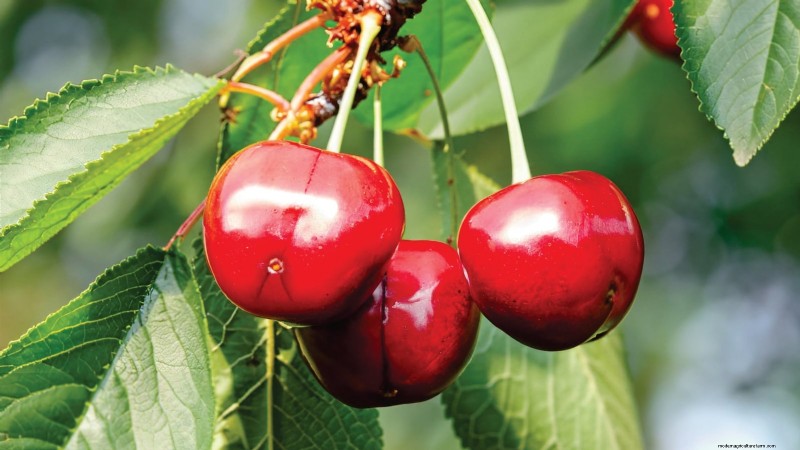
| Botanical name | Prunus avium ‘Bing’ |
|---|---|
| Sun requirement | Full sun |
| Height | 10–25 ft |
| Hardiness zones | 5–8 |
Famous for its large, sweet fruit, ‘Bing’ requires another sweet cherry variety nearby for pollination. It thrives in dry summers and yields early in the season, though it can split in heavy rain.
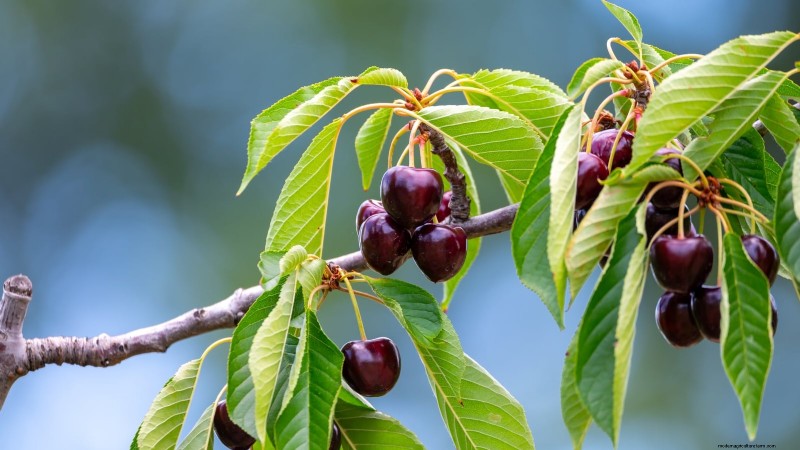
| Botanical name | Prunus avium ‘Black Tartarian’ |
|---|---|
| Sun requirement | Full sun |
| Height | 12–30 ft |
| Hardiness zones | 5–8 |
Originating in Russia, this heirloom ripens earlier than most sweet cherries—often June. It’s not self‑fertile, so pair it with another cherry variety for optimal fruit set.
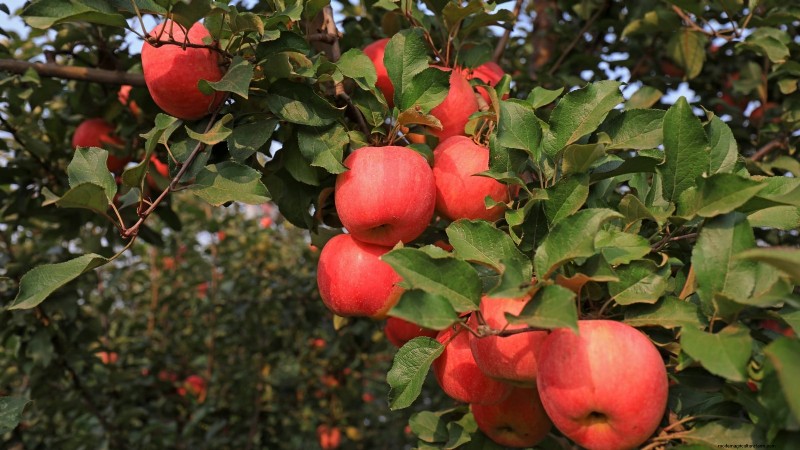
| Botanical name | Malus domestica ‘Fuji’ |
|---|---|
| Sun requirement | Full sun |
| Height | 8–15 ft |
| Hardiness zones | 6–8 |
Named after Mt. Fuji, this apple delivers sweet, crisp fruit with a bright blush. Self‑pollination mandates a companion apple for fruiting, and the first harvest comes late September‑October.
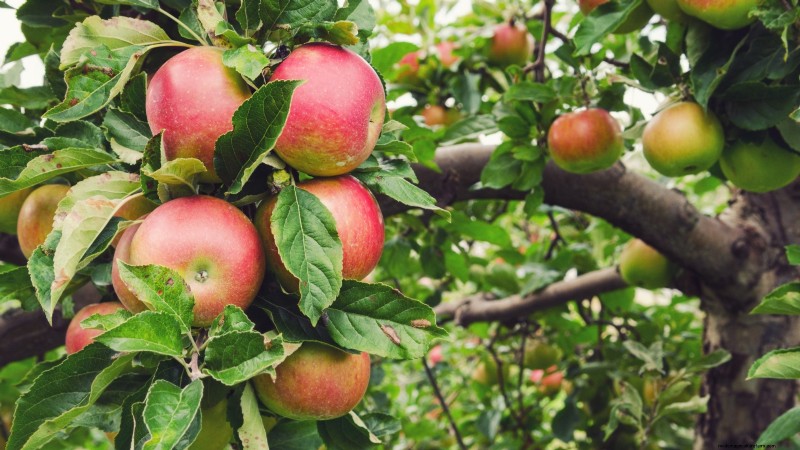
| Botanical name | Malus domestica ‘Honeycrisp’ |
|---|---|
| Sun requirement | Full sun |
| Height | 8–20 ft |
| Hardiness zones | 3–8 |
Thriving in cooler climates, ‘Honeycrisp’ offers a crisp bite and a sweet‑tart flavor. It is not self‑fertile; a second apple tree must be planted nearby for pollination.
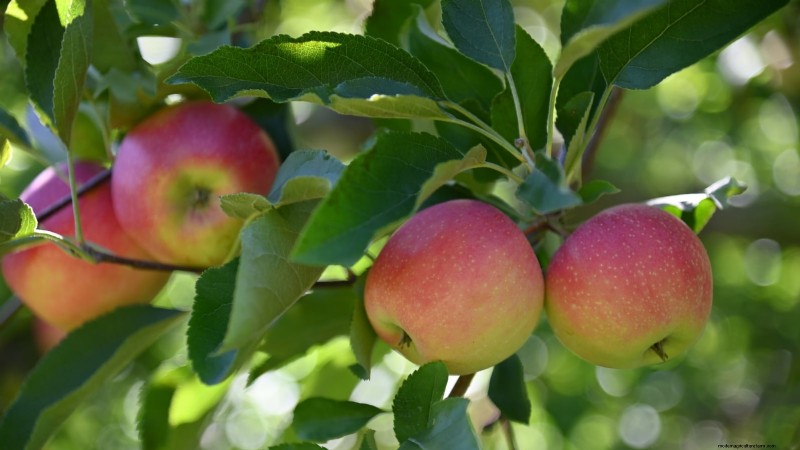
| Botanical name | Malus domestica ‘Gala’ |
|---|---|
| Sun requirement | Full sun |
| Height | 12–25 ft |
| Hardiness zones | 5–8 |
Releasing fruit by August, ‘Gala’ is one of the earliest apple varieties. Its crisp, sweet flesh stores well for up to a year under proper conditions.
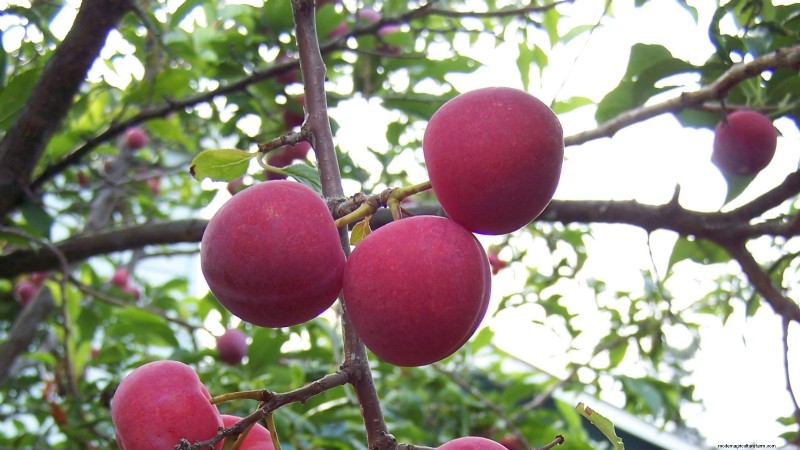
| Botanical name | Prunus americana × salicina ‘Bubblegum’ (Toka) |
|---|---|
| Sun requirement | Full sun |
| Height | 15–20 ft |
| Hardiness zones | 3–8 |
Its medium, clingstone fruit showcases purple‑red skin and a bright yellow interior. Extremely cold‑tolerant, it requires a second plum tree for fruiting.
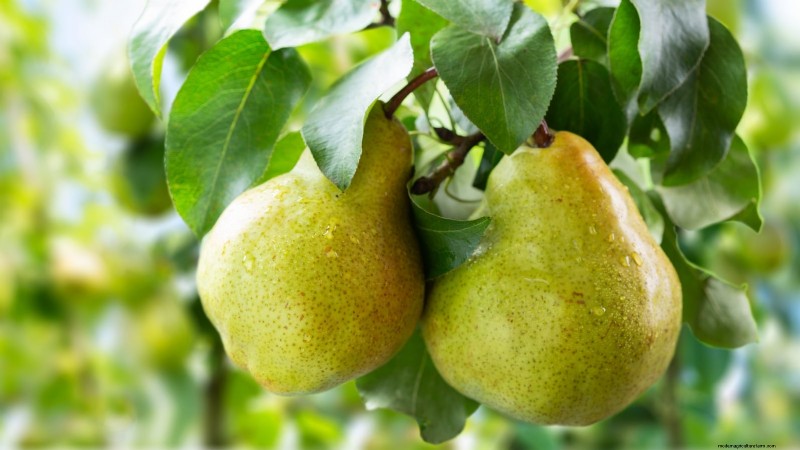
| Botanical name | Pyrus communis ‘Potomac’ |
|---|---|
| Sun requirement | Full sun |
| Height | 10–20 ft |
| Hardiness zones | 5–8 |
Sharing the taste profile of Anjou pears, ‘Potomac’ stands out for its fire‑blight resistance—ideal for humid regions. It’s not self‑fertile, so plant a second pear variety for fruit set.
Spring is the prime season to sow fruit trees that will yield decades of harvests. Match each tree’s hardiness zone and yard space, and remember that varieties requiring pollinators benefit from a companion tree. With proper planting and care, your garden will soon burst with homegrown sweetness.


