
Welcome to Modern Agriculture!

Growing up with an Italian grandmother, I learned that garlic isn’t just a flavor enhancer—it’s a cornerstone of great cuisine and a powerhouse of health benefits. Like any vigorous plant, garlic is a heavy feeder that demands the right nutrients to produce large, flavorful bulbs. Fertilizing before and during growth is essential for maximizing yield and quality.
Garlic thrives on a balanced blend of macro‑ and micronutrients. Below are ten reliable methods—organic and commercial—to give your cloves the nourishment they need. Remember, less is often more; apply only one or two amendments and follow package instructions to avoid over‑feeding.
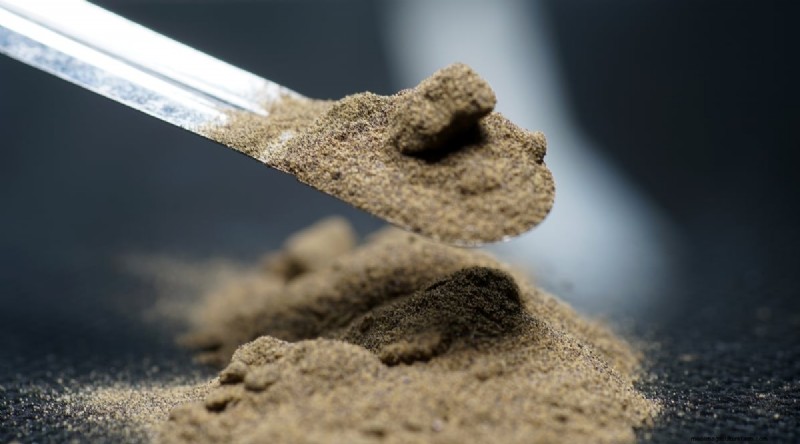
Soaking cloves in a kelp solution before planting can enhance root establishment and disease resistance. A typical soak uses:
Soak for 8–12 hours, rinse with alcohol or peroxide afterward to eliminate mites, and plant promptly. The short soak window prevents rot while promoting healthy root growth.
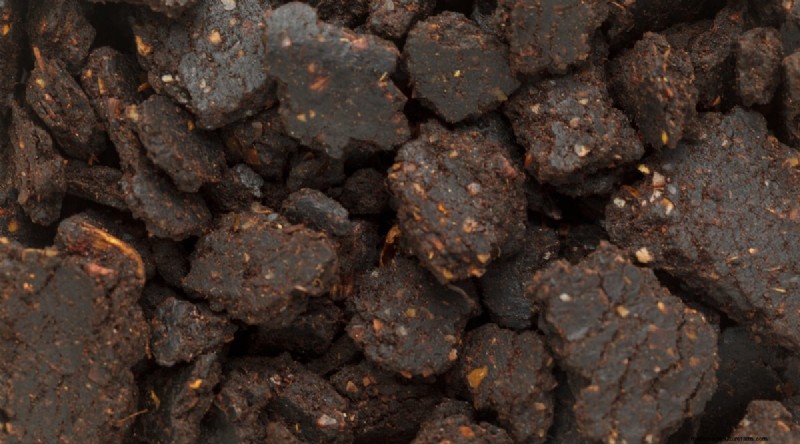
Neem cake, a byproduct of neem oil production, releases nutrients slowly and deters pests. Studies show it can boost yields by up to 25% while improving soil fertility. Spread a layer in your bed before planting to create a nutrient‑rich, pest‑resistant environment.
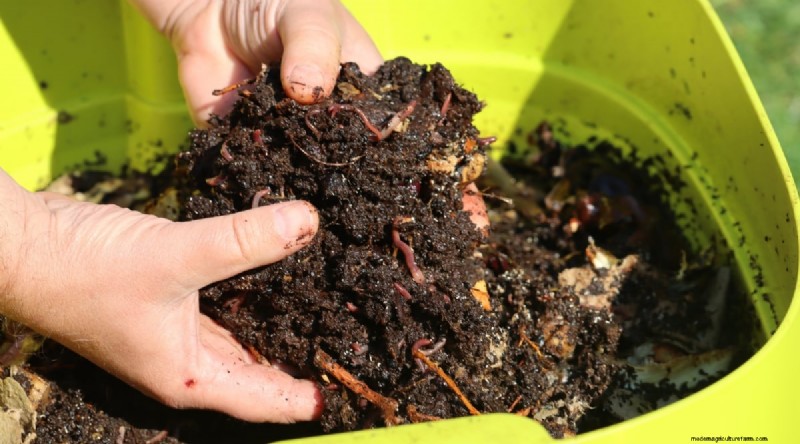
Incorporating well‑aged compost loosens compact soils—especially clays—and delivers a steady release of nutrients. Compost also supports beneficial microbes that enhance root development. Aim for a balanced mix of browns and greens to keep the pile aerated and productive.

Compost‑aged manure supplies nitrogen, phosphorus, and organic matter while improving soil structure and reducing runoff. Like compost, it should be applied before planting to provide a long‑term nutrient base.
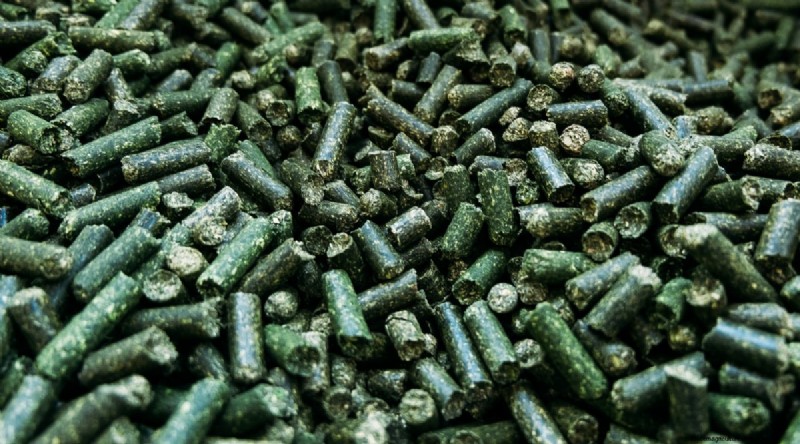
Alfalfa meal offers a moderate nitrogen boost and the growth‑stimulant triacontanol. It also improves soil texture and suppresses weeds, making it a versatile organic amendment for garlic beds.
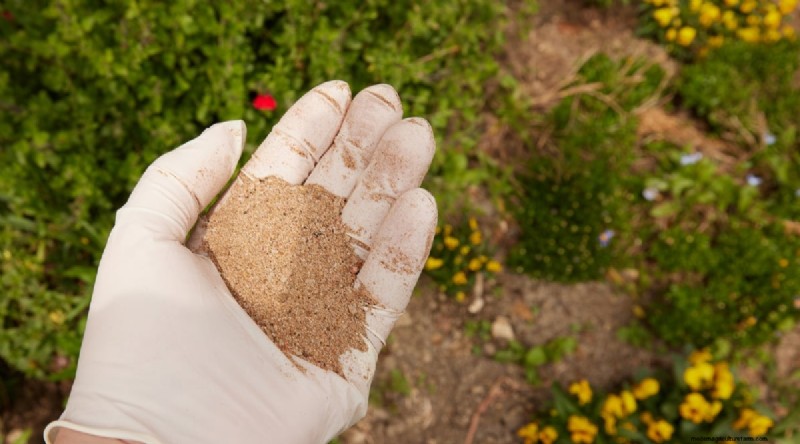
Blood meal’s high nitrogen content is ideal for the early stages of garlic germination, encouraging photosynthesis and leaf growth. Apply sparingly—only during initial sprouting—to avoid excessive foliage that can hinder bulb formation. Replace with a phosphorus‑rich amendment once shoots emerge.
Worm castings deliver balanced nutrients and beneficial microbes. While not a sole fertilizer, vermicompost can be mixed into the topsoil to enhance micronutrient availability and promote healthy root systems.
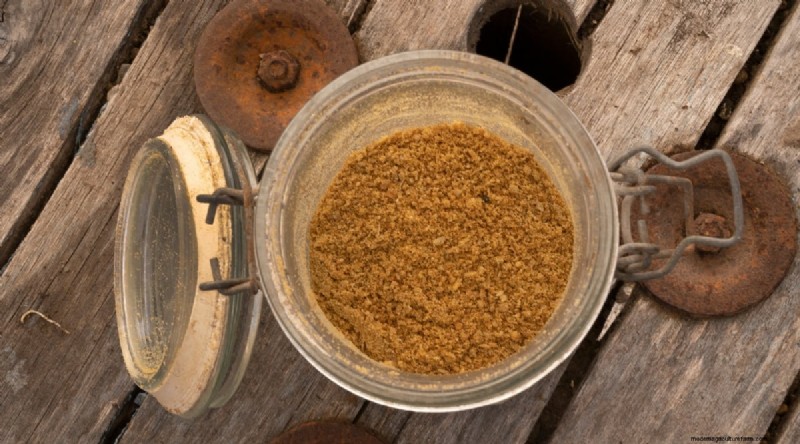
Bone meal is rich in phosphorus, vital for bulb energy storage and root development. Use it after sprouting to balance excess nitrogen and support robust bulb growth. Sprinkle on top of the soil or mix into the planting hole for best results.
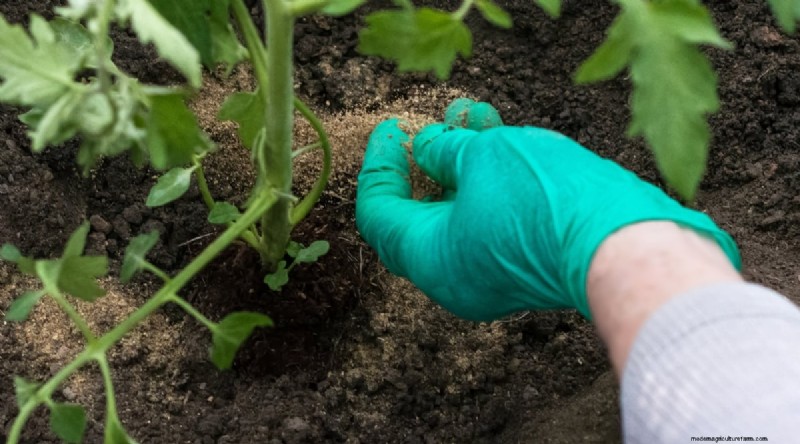
Fish meal, sourced from fish oil by‑products, supplies phosphorus and calcium, strengthening cell walls and improving bulb resilience. Granular fish meal releases nutrients slowly; for an immediate boost, choose a fish emulsion.
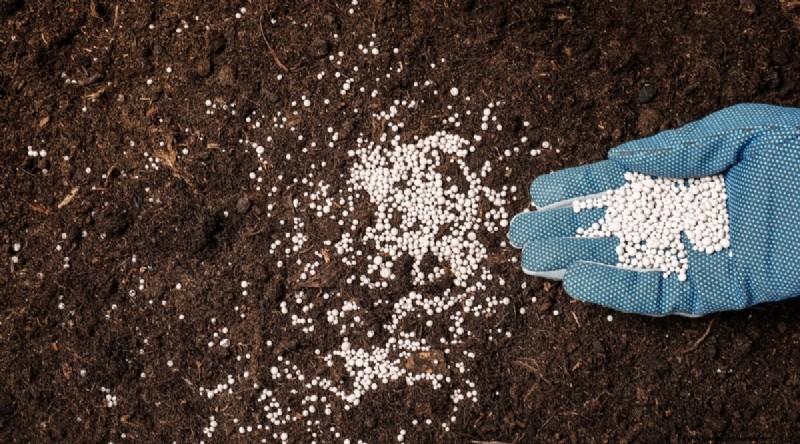
Commercial fertilizers labeled with N‑P‑K ratios give precise control over nutrient levels. For garlic:
Organic amendments—kelp, neem cake, compost, manure, alfalfa, blood meal, vermicompost, bone meal, and fish meal—provide long‑term soil enrichment and pest control. Commercial complete fertilizers offer convenience and precise nutrient delivery when timely boosts are needed. By combining these strategies thoughtfully, you can cultivate larger, healthier garlic bulbs while keeping your garden eco‑friendly.


