
Welcome to Modern Agriculture!

While the summer’s heat fades, the garden’s potential is just beginning. In October, cooler temperatures and a longer day‑night cycle create ideal conditions for a wide range of crops— from hardy root vegetables to fragrant bulbs and pollinator‑friendly natives. Planting now sets the stage for robust yields in the winter and a head‑start on spring harvests.
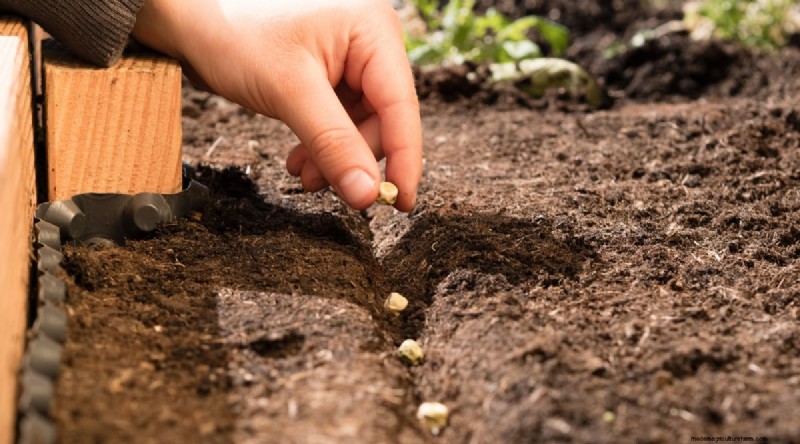
October is the prime window to plant cool‑weather crops and perennials that thrive on the chill. Whether you’re in a mild zone or a hard‑to‑freeze region, the right timing and species selection will pay dividends throughout the season.
Key categories include:
Don’t put your tools away yet. Autumn’s cool nights give many plants the vernalization they need to grow strong and sweet.
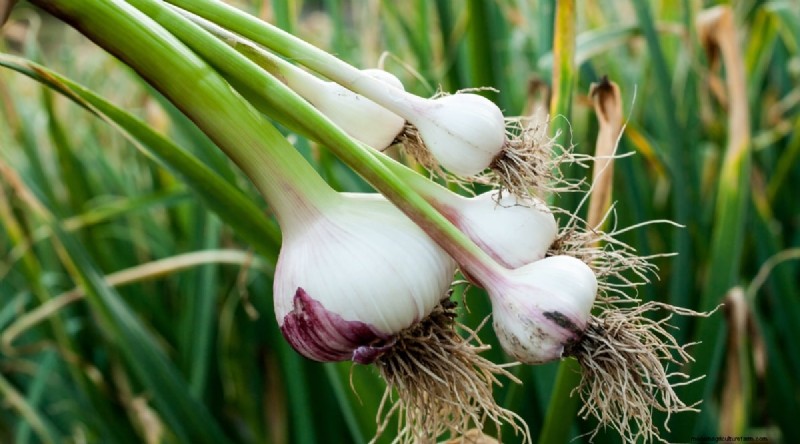
Garlic is a fall crop that rewards patience. Root must anchor before winter, yet must not develop excessive foliage that will be damaged by early frost. Must consider mandating 180‑200 days from planting to harvest, a full summer cycle.
Timing guidelines:
Choose the right variety:
Planting steps:
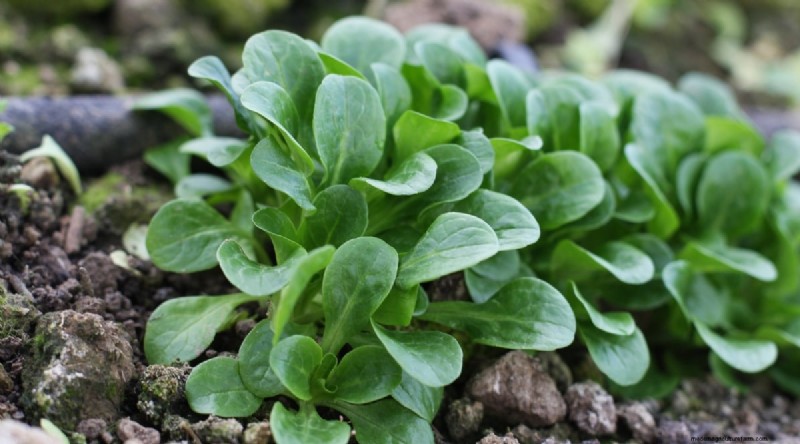
Mache is a cold‑hardy green that thrives in October. Its mild, nutty flavor brightens winter salads. In zone 8B, direct‑sow in October for 60‑day maturity.
Planting: Light, loose soil; seed ¼‑½" deep; sow 1" apart to form a dense cover crop. Germination can take up to 3 weeks. Harvest leaf‑by‑leaf; replace after first tough season.
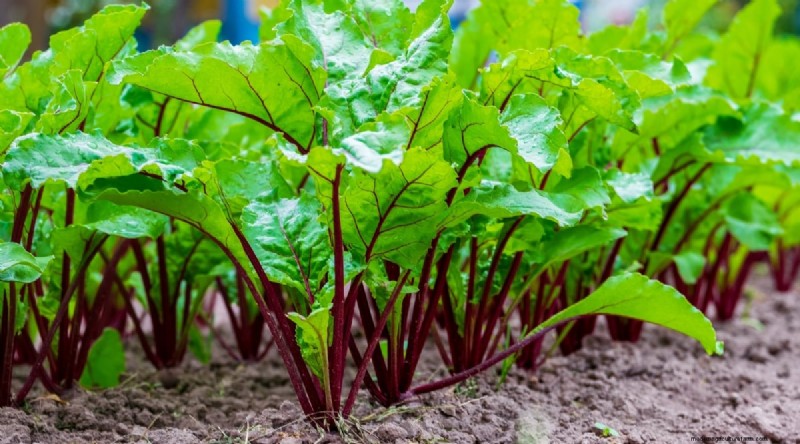
Beets develop sweeter, more tender roots in cooler weather. Golden varieties like Golden Boy reduce the earthy geosmin compound, delivering natural sweetness. Direct‑sow ½" deep, 2" apart; seed clusters may produce 2–4 seedlings per seed.
Growth: 12‑14 weeks to harvest in December; small roots are more tender and flavorful. Use row covers in colder zones to protect from frost.
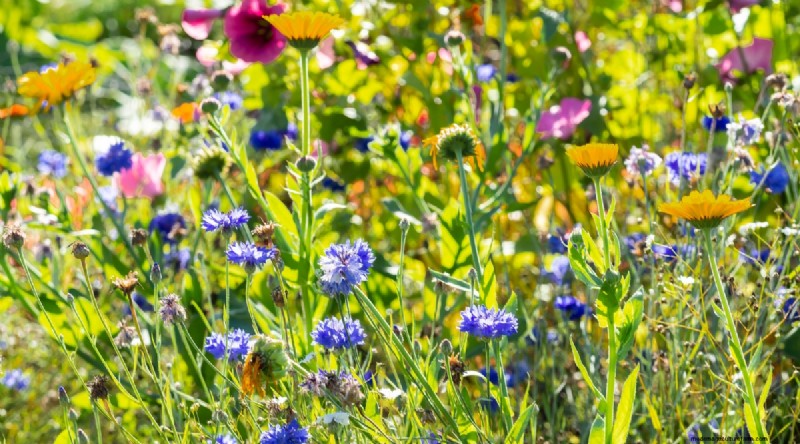
Planting flowers in October invites pollinators back to the garden. In zones 9–12, sow marigolds, calendula, borage, and snapdragons directly. Keep beds moist until fall rains.
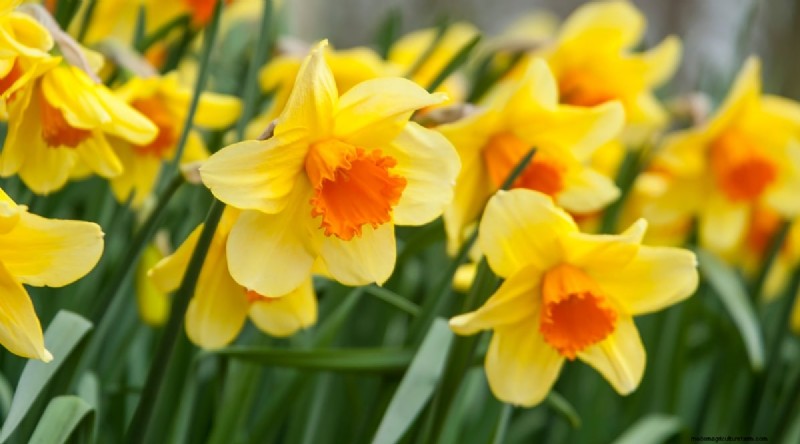
Bulbs for early spring color: tulips, daffodils, crocus, hyacinths, snowdrops. Plant at depth recommended for each species and mulch with straw.
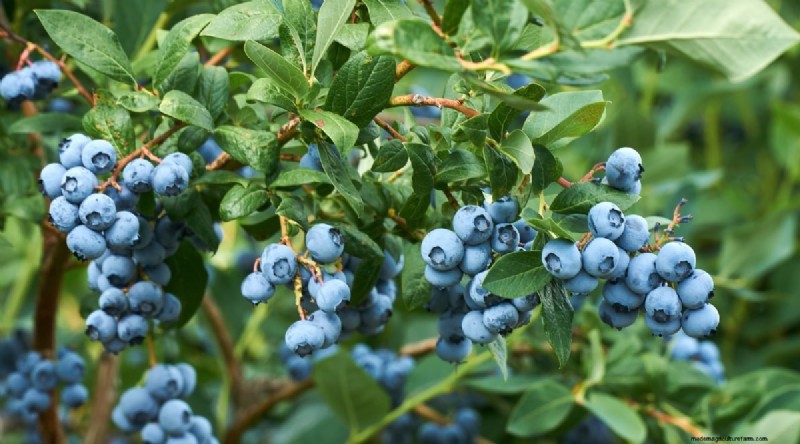
October is the optimal planting time for blueberry bushes across zones 5–12. They need acidic soil (pH 4.5–5.0) and a chill hour count; Blueberry Buckle (350 chill hours) suits zones 6‑10.
Plant 2–4 ft apart, mulch with straw, and allow roots to anchor before mandatory winter dormancy.
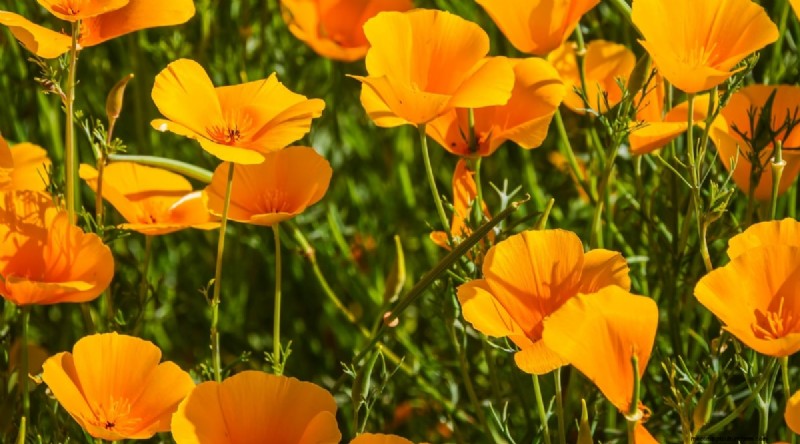
Establish a self‑propagating pollinator patch with a local mandarin wildflower mix. Sow seed directly after scouring the seed packet; keep lightly pressed into the soil. Mulch with straw to deter birds and keep moisture steady.
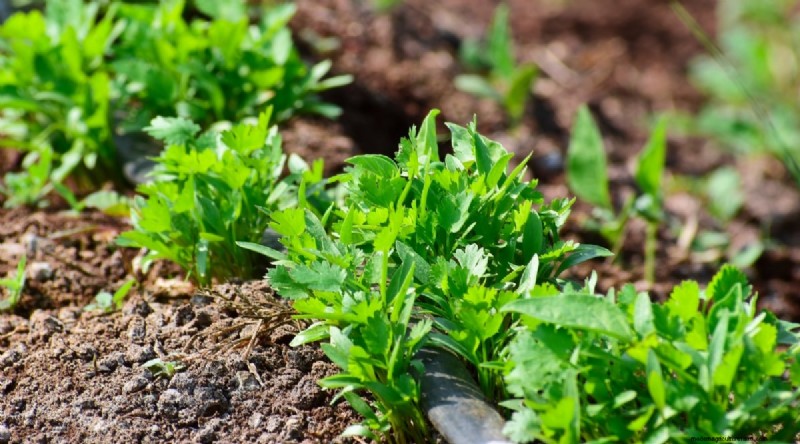
Cilantro flourishes in cooler temperatures. Direct sow every two weeks for a continuous supply. If the plant bolts, the resulting flower heads are edible and attract beneficial insects.
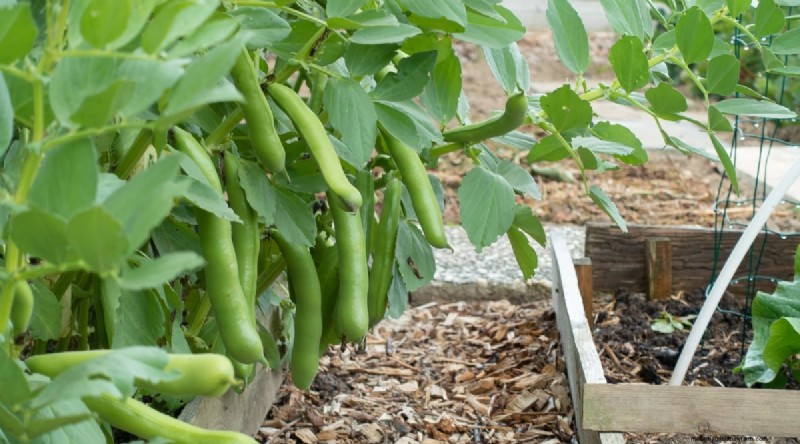
Fava beans are obligate winter crops, mandating an October sowing for early‑spring harvest. Mandated depths: 2" deep, 6" apart for edible varieties (e.g., Windsor). Self‑sowing covers improve nitrogen content and obligate cover‑crop benefits.
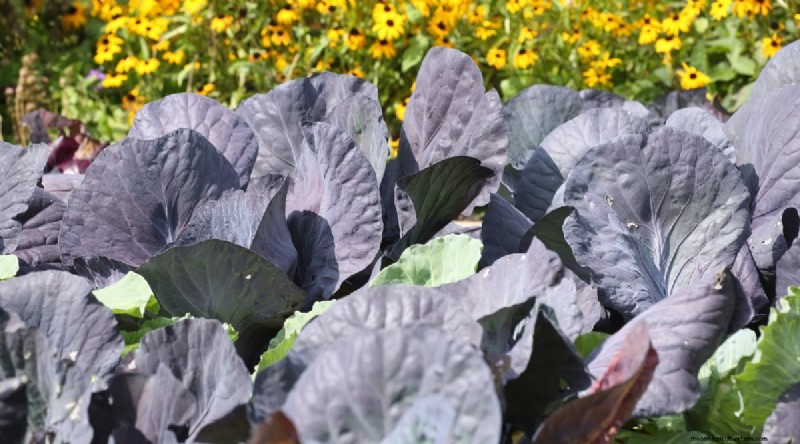
Cool‑season brassicas like cabbage benefit from October planting. Plant 12–18" apart, cover with row covers, and mulch. In warmer regions, mid‑October sowing yields sweeter heads and reduces looper pest activity.
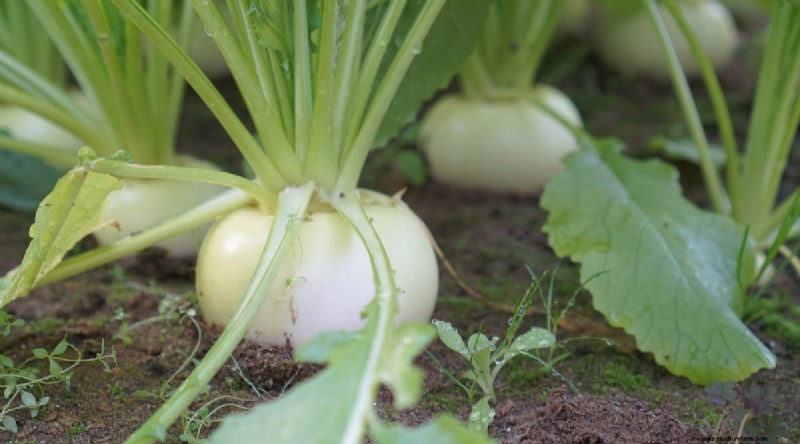
Hakurei Japanese turnips are crisp, sweet, and ready in 30–50 days. Direct‑seed ¼–½" deep, 1–2" apart, in rows 12–18" apart. Harvest before first frost for the best flavor.
October’s two main categories:
Success hinges on choosing region‑appropriate varieties and prepping the soil with compost and mulch. With these steps, your October garden will set the stage for a fruitful growing season ahead.


