Welcome to Modern Agriculture!

Many gardeners assume that spring and summer produce are always the sweetest. Based on years of growing experience, I know that cool‑season vegetables develop higher sugar concentrations, delivering a noticeably sweeter flavor. When presented with a choice between spring and fall crops, I consistently recommend the latter.
The common belief that frost itself sweetens produce is only partially accurate. It is the cold temperatures that accompany frost that trigger sugar concentration within plant tissues.
Plants respond to low temperatures by accumulating simple sugars in their cells, a mechanism that protects against freezing damage and enables overwintering. Research confirms that this sugar concentration occurs in both root crops and leafy greens.
If you want to take advantage of the natural sweetening that cold temperatures induce, consider planting these cold‑season roots and greens. Each of the following vegetables becomes noticeably sweeter after a frost.
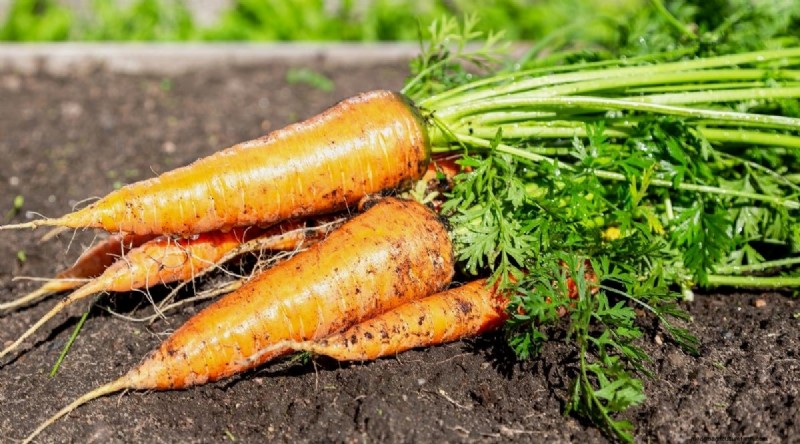
Light to medium frosts can enhance the sweetness of carrots by concentrating sugars in the root. Carrots typically require 60–90 days from seed to harvest. Planting in late summer (e.g., August) allows them to mature in October or November.
While carrot greens may die back under hard frosts, the roots remain protected in the cooler soil. Harvest before the ground freezes to avoid soft, mushy roots. Once the tops are removed, store the carrots in a cool, dry place for up to a month.
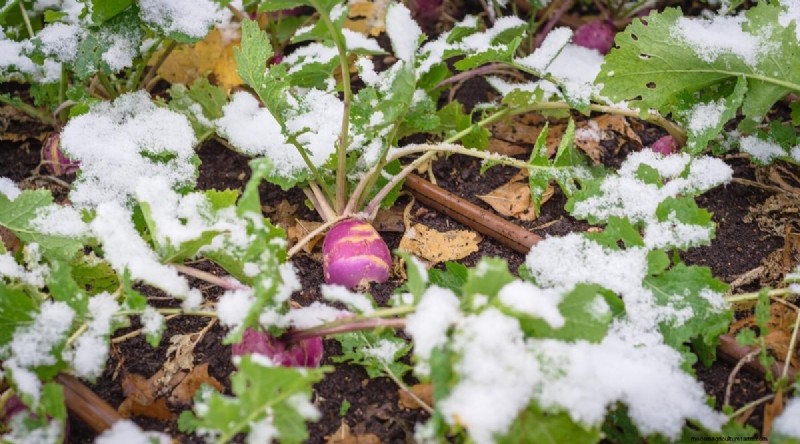
Rutabagas, a sweeter cousin of the turnip, benefit from a frost that concentrates sugars in the root. They need approximately 100 days to mature, so sowing in late summer ensures they grow before short days set in.
As a brassica, the leaves are vulnerable to flea beetles and harlequin bugs. Protect seedlings to promote healthy growth. Though frost can damage the greens, the roots survive as long as the soil isn’t frozen solid.
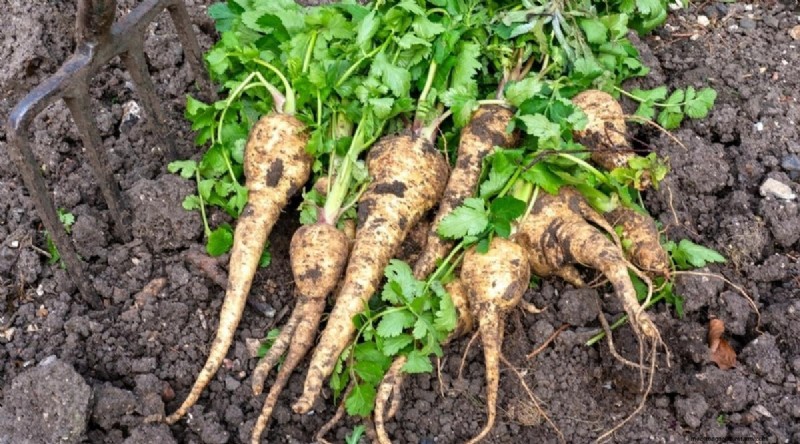
Parsnips thrive in cool weather and are best planted directly in the garden in early to mid‑summer. They take over 100 days to mature, producing large, pale roots with a nutty flavor.
Keep seedlings well‑weeded to allow the slow‑growing greens to flourish. Parsnips can tolerate temperatures well below freezing, so they may remain in the ground through winter. When harvesting, wear gloves and long sleeves to protect against the mild phytophotodermatitis that can be triggered by the leaves.
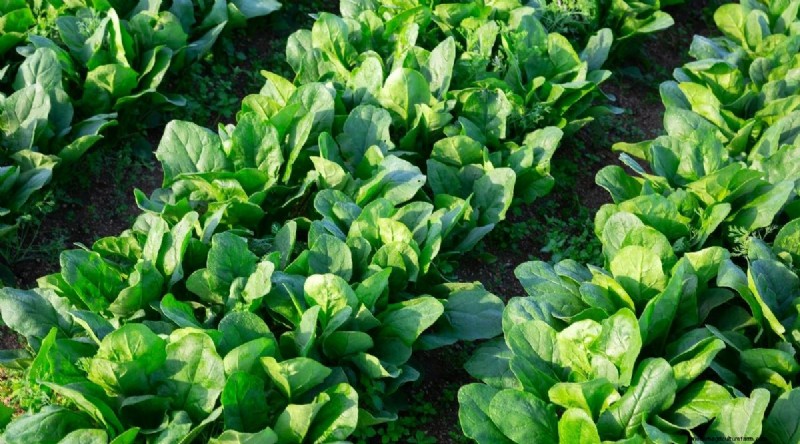
Spinach is an essential fall green that can withstand temperatures into the 20s°F and becomes sweeter when chilled. It typically reaches maturity in about a month, making it a quick‑to‑harvest crop.
Plant seeds at least seven weeks before the Persephone Period (day length <10 hours) to harvest robust leaves. Avoid harvesting when the leaves are frozen; let them thaw first to preserve crispness.
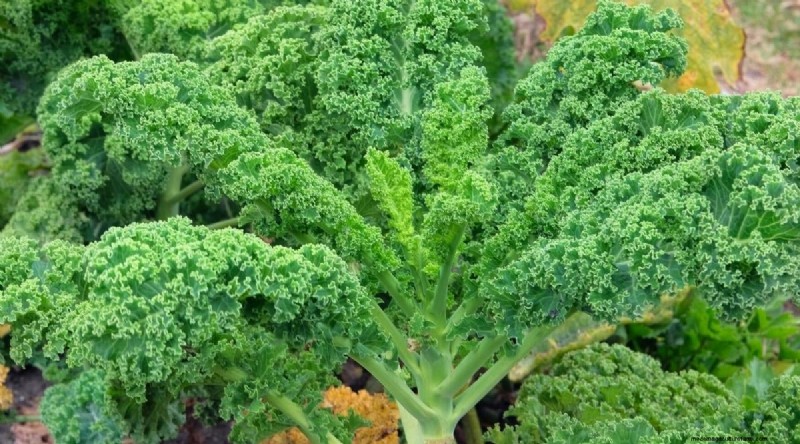
Kale is often labeled bitter, yet frost‑sweetened kale tastes mild and sweet. Planting in late summer or early fall allows the leaves to develop a sweeter profile before the first frost.
Start seeds at least three months before day length drops below 10 hours, or sow directly up to six weeks prior. While all kale varieties are frost‑tolerant, cultivars such as ‘Dwarf Blue’ withstand lower temperatures better than ‘Red Russian’. Covering plants with floating row covers can extend their productive life into winter.
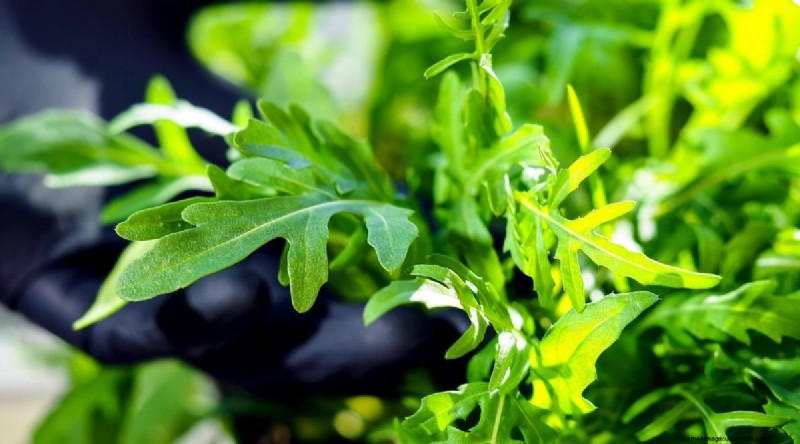
Arugula is a peppery salad green that enjoys a milder climate. Cool temperatures mellow its flavor, making fall arugula a more palatable option.
Propagate by sowing seeds in October for quick‑growing baby greens that can be harvested in about a month. For a steady supply, undertake successive plantings throughout the fall.
When growing under row cover, remove the cover on sunny days to improve airflow and reduce fungal disease risk. Inspect regularly for aphids and thrips.
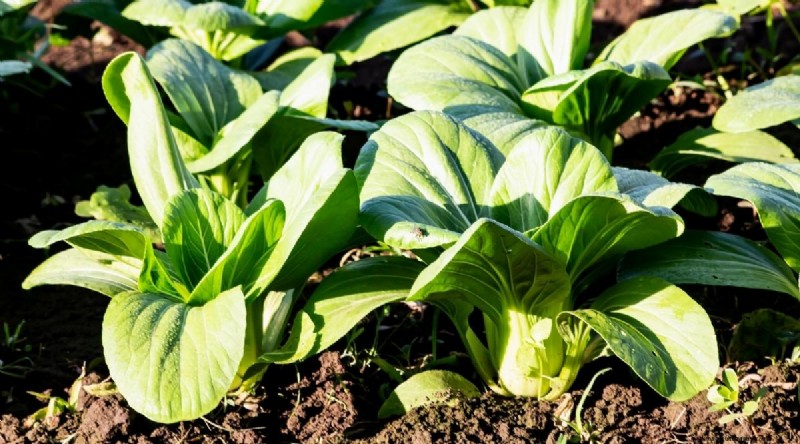
Bok choy is a versatile, cold‑hardy green that matures in 40–60 days. Plant in early fall to finish before the first frost, and enjoy a sweeter, milder flavor after a light frost.
Whether using transplants or direct seed, space plants 6–8 inches apart to promote airflow and healthy growth.
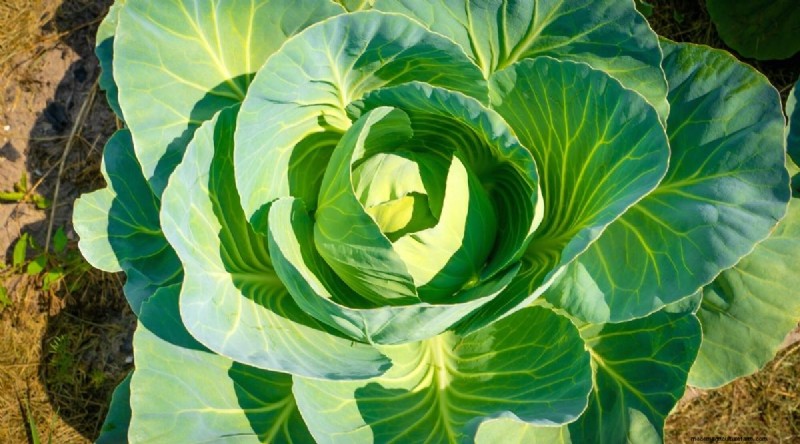
Cabbage excels in cool climates and sweetens with declining temperatures. Varieties like ‘Copenhagen Market Cabbage’ and ‘Deadon’ tolerate frost, snow, and temperatures as low as 0°F.
If the outer leaves become slimy or discolored, simply peel them to reveal a healthy head. Plant in late summer or early fall to allow the head to develop before winter, and benefit from reduced pest pressure during short days.
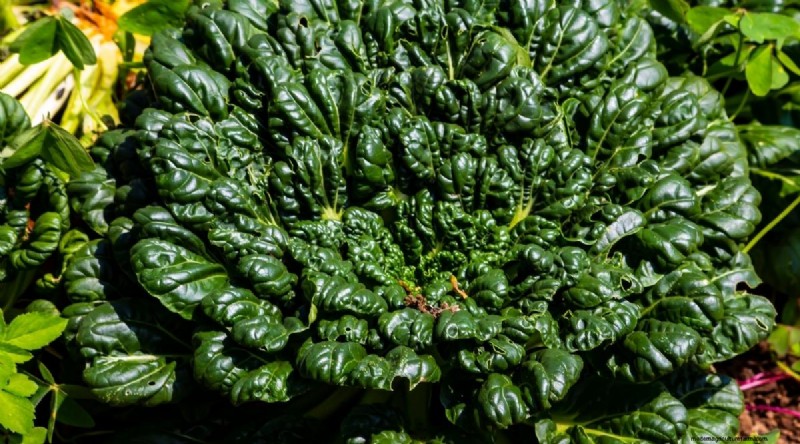
Tatsoi, a cold‑hardy Asian green, can survive temperatures down to 15°F. It is suitable as both a mature plant and a baby green.
Sow in late summer for mature plants, or mid‑fall for baby greens. Harvest outer leaves when the plant has grown large, letting frozen foliage thaw before picking.
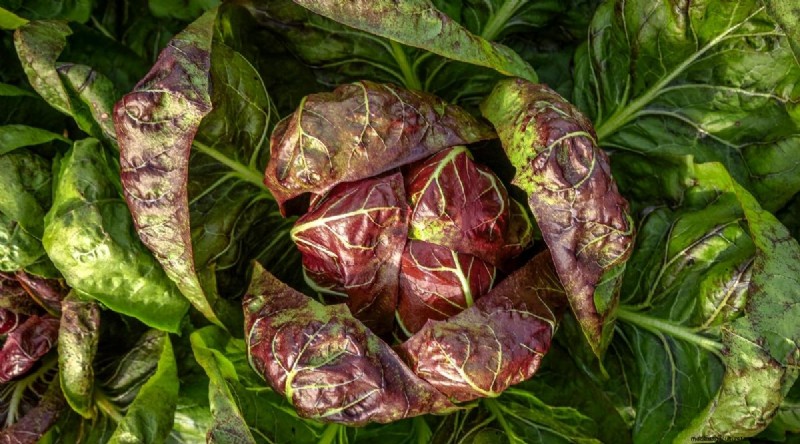
Radicchio, often criticized for bitterness, develops a sweeter flavor when exposed to cold and frost. Some varieties are more cold‑hardy, and maturity ranges vary.
Plant seedlings in July or August to allow heads to form before the Persephone Period. Harvest tight heads; if outer leaves brown or mushy, trim them to reveal tender interior. Options include maroon varieties and bright pink or speckled greens.
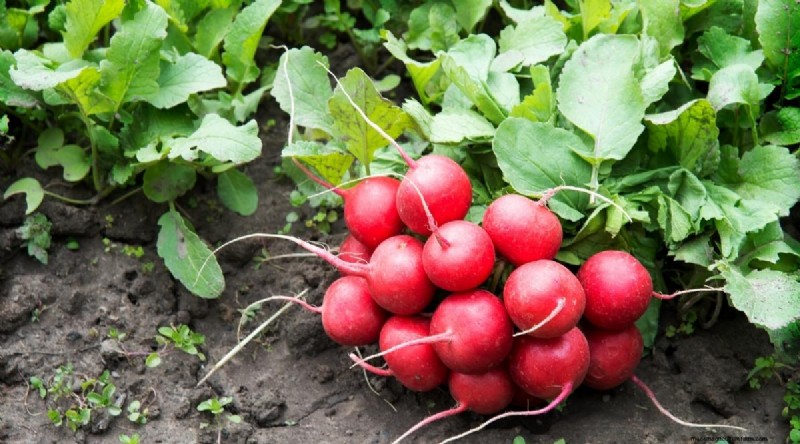
While all radishes soften in cooler weather, larger varieties such as ‘Green Luobo’ and ‘Miyashige White Daikon’ benefit from fall planting to avoid spring bolting.
Plant seeds in late summer; roots develop large, mellow flavors after frost. Harvest before prolonged below‑freezing temperatures to protect the root integrity.
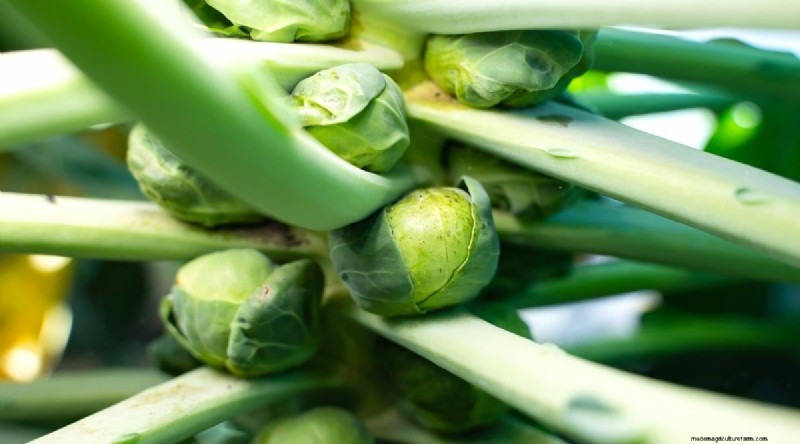
Brussels sprouts require 80–120 days to mature, so sowing in late summer provides sufficient daylight. They are hardy down to 10°F, and exposure to frost further enhances sweetness.
Cut the whole stalk or pick individual sprouts once the season is ready. A light frost can be beneficial rather than detrimental.
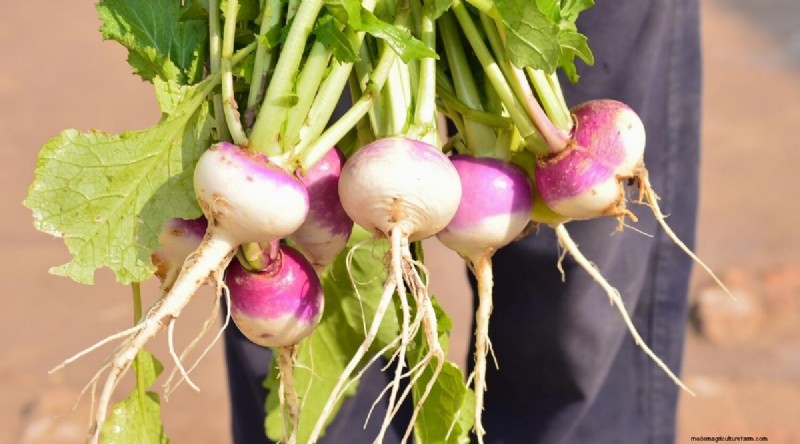
Fall turnips, such as the salad variety ‘Hakurei’ and the root crop ‘Purple Top White Globe’, grow best when planted in late summer or early fall.
Cool temperatures deter pests and intensify sugar concentration in roots and greens. Even if roots are ready by mid‑fall, leaving them in the ground until the first frost can further sweeten them. Cover with row cover if temperatures are expected to drop below 25°F.
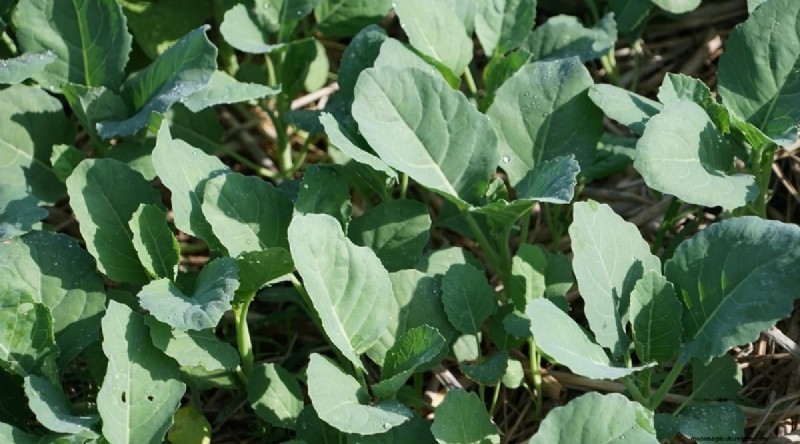
Collard greens flourish in cool weather, growing quickly as summer heat subsides. With proper care, they can reach the size of small umbrellas.
They can survive down to 15°F and become sweeter after frost. Harvest larger exterior leaves first to allow inner leaves to mature. Continue harvesting into winter, covering plants with floating row covers if temperatures are projected below 20°F.
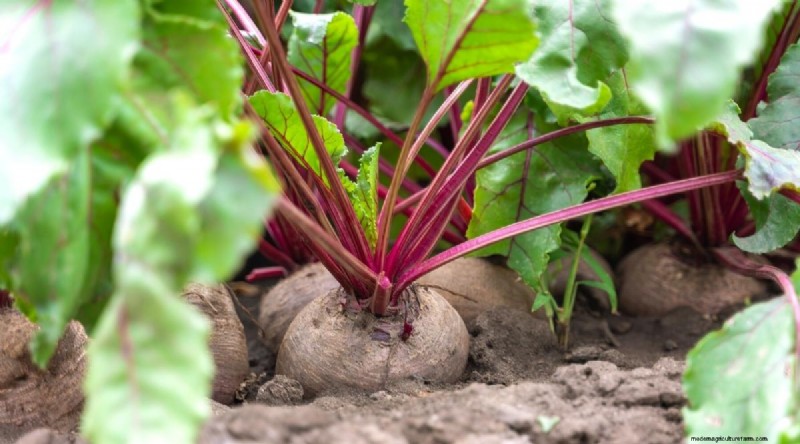
Beets—whether red ‘Early Wonder’ or golden ‘Touchstone Gold’—tend to be sweeter after cold exposure due to sugar concentration.
They can survive temperatures down to 20°F. Some leaves may die back after frost, but healthy greens can continue to grow. Row covers can protect greens while still allowing root sweetness to develop.
Plant seeds directly in late summer to give roots time to mature, and thin seedlings to provide space for growth.
Understanding how frost and cold weather enhance vegetable flavor can transform your harvest. The cold temperatures that accompany frosts trigger sugar concentration in both roots and greens, resulting in sweeter produce ready to enjoy.
So, if you’re looking to elevate the taste of your garden, consider scheduling your planting to take advantage of the natural sweetening that cold weather provides.