Welcome to Modern Agriculture!

Although February often feels like a pause between seasons, the early‑season windows of opportunity are abundant for indoor growers. Starting seeds during this “green‑up” period allows you to prepare a resilient garden that can thrive in spring’s unpredictable weather.
Whether you have a greenhouse, a south‑facing windowsill, or a low‑tunnel, these 15 vegetables can be planted at the right time and in the right conditions to maximize yield, flavor, and texture—known as “perennial crop quality”.
Sweet Pepper
California Wonder Sweet Pepper Seeds
Tomato
Green Zebra Pole Tomato Seeds
Cabbage
Copenhagen Market Cabbage Seeds
Regardless of your setup, the following list offers reliable, high‑quality choices for February indoor seeding. These crops will benefit from early start and will survive the last frost in most zones.
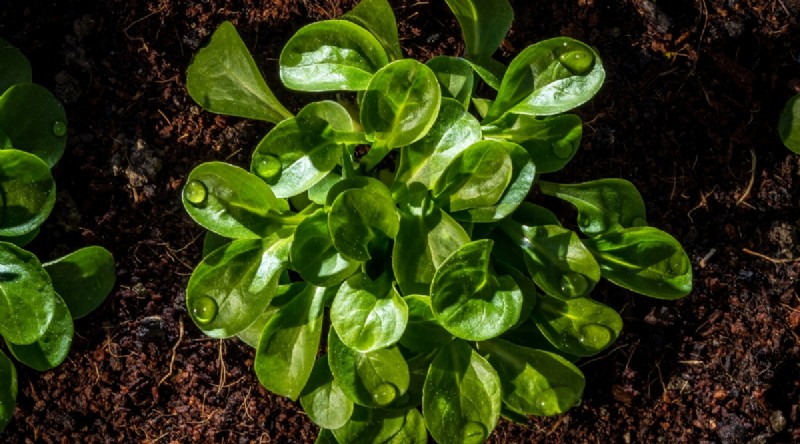
Mâche, also known as lamb’s lettuce, thrives in soils as cold as 40 °F (4 °C). It can withstand temperatures as low as 5 °F (‑15 °C) once established, making it an excellent choice for early‑season gardens.
In zones 5 and colder, sow these seeds indoors in February and transplant them outdoors when the soil is workable. In zones 6‑8, direct sowing is preferable, but seeds will not germinate in temperatures above 70 °F (21 °C).
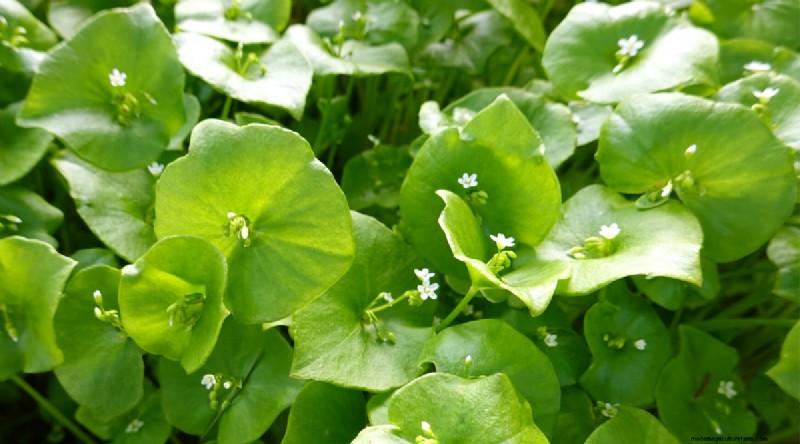
Claytonia’s succulent leaves provide a nutrient‑rich, cold‑harvested edible green. It is especially valuable for late‑winter gardens in northern regions.
Plant at around 50 °F (10 °C) about six weeks before the last frost, ensuring sufficient leaf tissue for flavor and nutritional content.
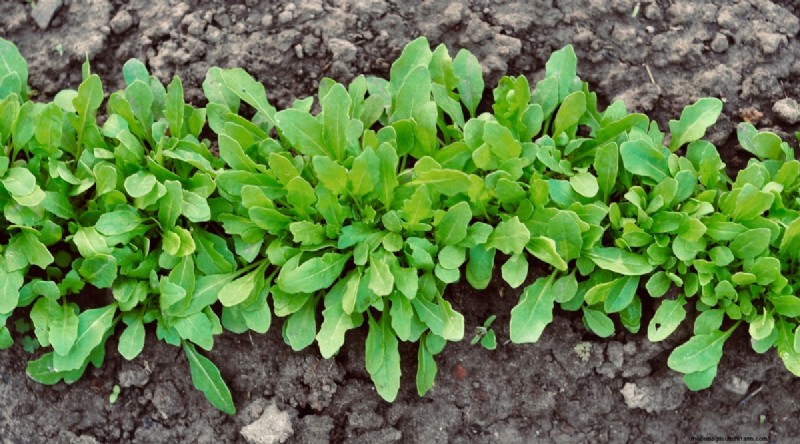
Arugula, related to mustard and cabbage, is a cool‑weather crop that tolerates frosts and excels in flavor. Seeds germinate at 40 °F (4 °C).
Direct sow up to four weeks before the last frost. For indoor starts, sow up to eight weeks in advance to provide full coverage and protection.
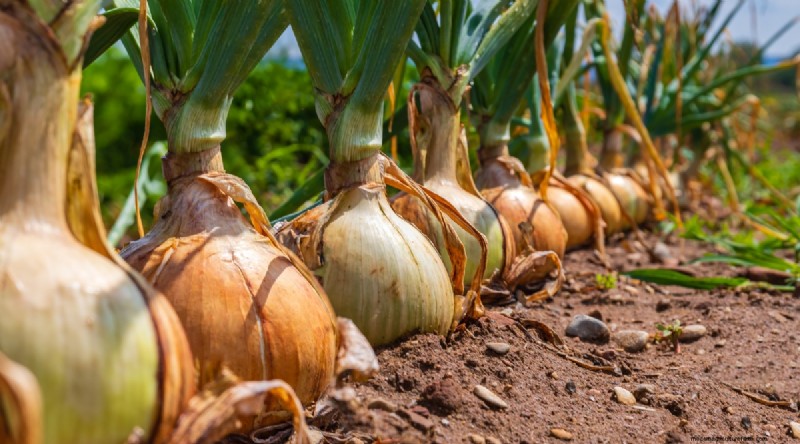
Onion cultivation requires careful timing. Start sowing in February, eight to ten weeks before the last frost, to achieve optimal bulb formation.
Choose varieties based on day‑length requirements: short‑day, long‑day, or day‑neutral. Proper soil amendments, especially compost, support robust root systems.
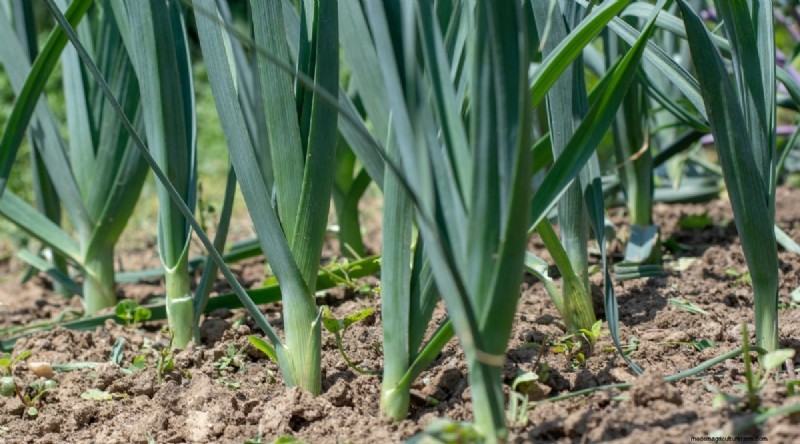
Leeks mature slowly but develop a firm, flavorful leaf structure. They require about 120 days to mature, making indoor sowing in February ideal.
Plant in clusters of four to six seeds per cell and transplant six inches deep when ready.
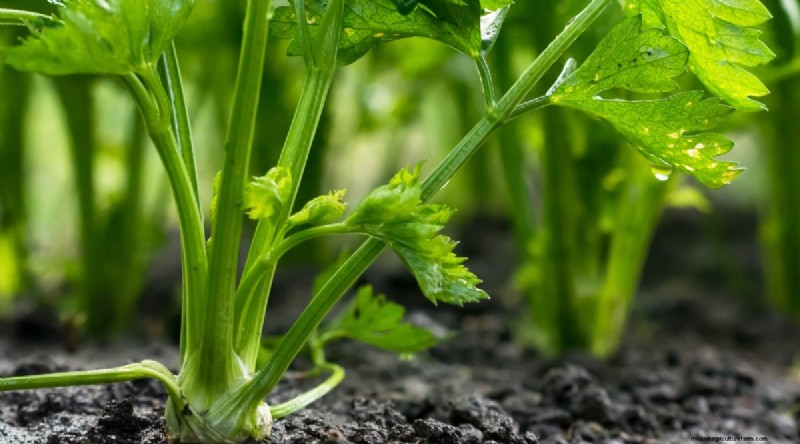
Celery demands warm, moist soil—an environment known as a “mound.” Seedlings benefit from 70‑75 °F (21‑24 °C) temperatures for optimal growth.
Transplant after soil temperatures reach at least 55 °F (13 °C) to avoid premature bolting.
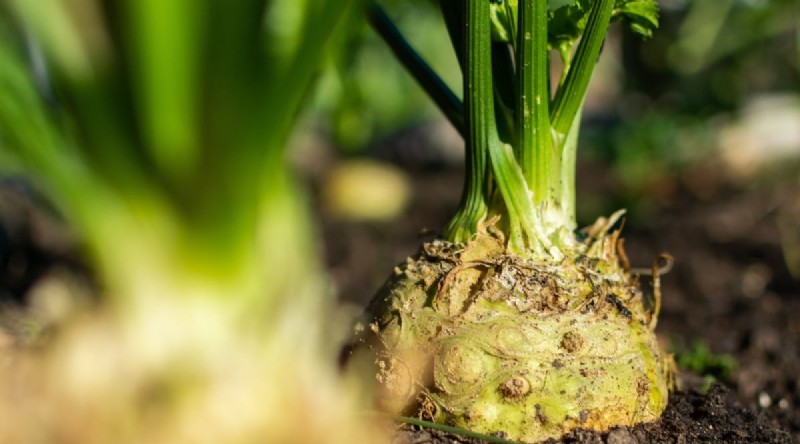
As a “tuber crop,” celeriac requires warm soil for germination. Seeds need 70 °F (21 °C) to germinate, and the resulting root is a highly valued edible structure.
Hold the seedlings until the soil is ready to support final shape and texture.
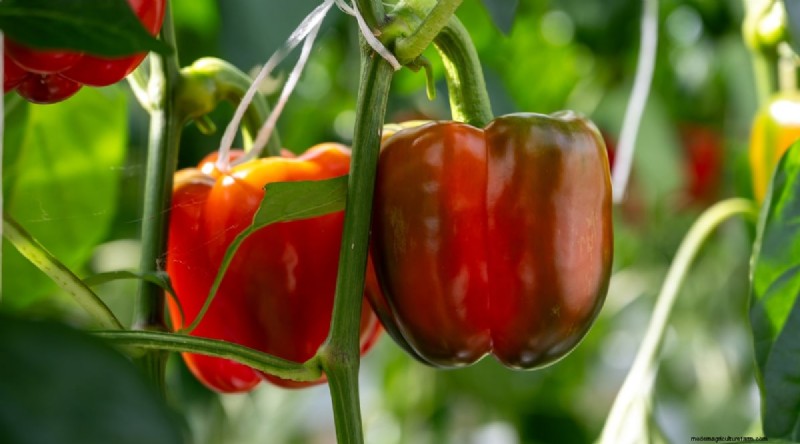
Peppers are heat‑loving; they should be started indoors 6‑8 weeks before the last frost. Cold soils delay germination and hinder growth.
Maintain ambient temperatures near 70 °F (21 °C) and soil temperatures above 80 °F (27 °C) for optimal development.
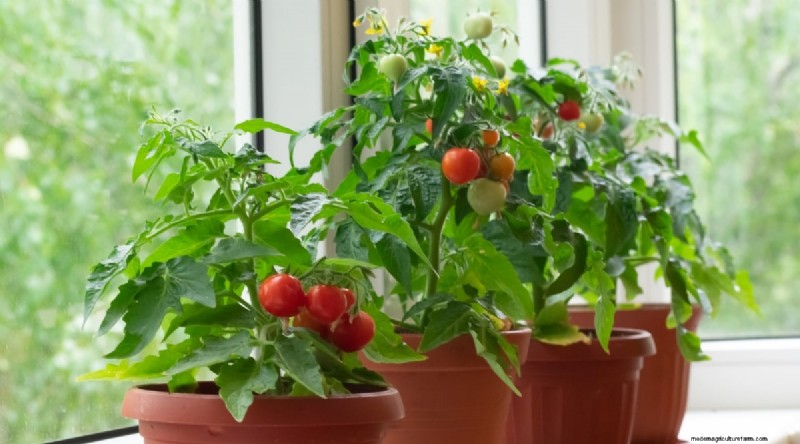
Large‑fruited tomatoes thrive with an early indoor start. Sow in February for zones 7 and warmer; wait until March for colder zones.
Keep seedlings in full sun and monitor light intensity to prevent leggy growth.
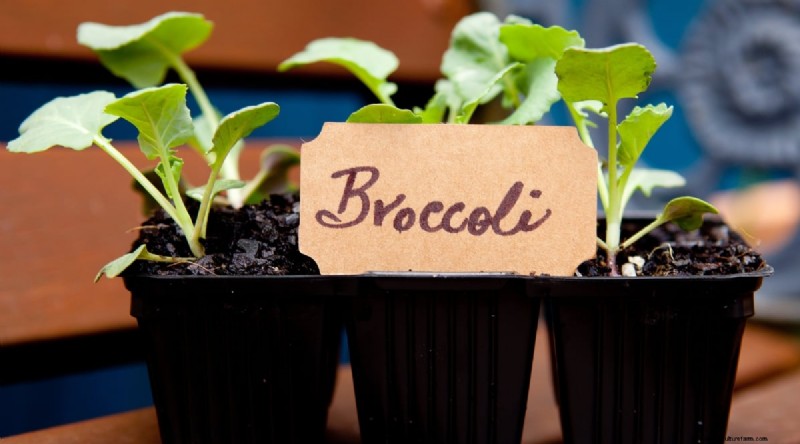
Broccoli seedlings require 75‑80 °F (24‑27 °C) soil for germination but flourish in cool spring air. Transplant 10‑18 inches apart to allow proper head development.
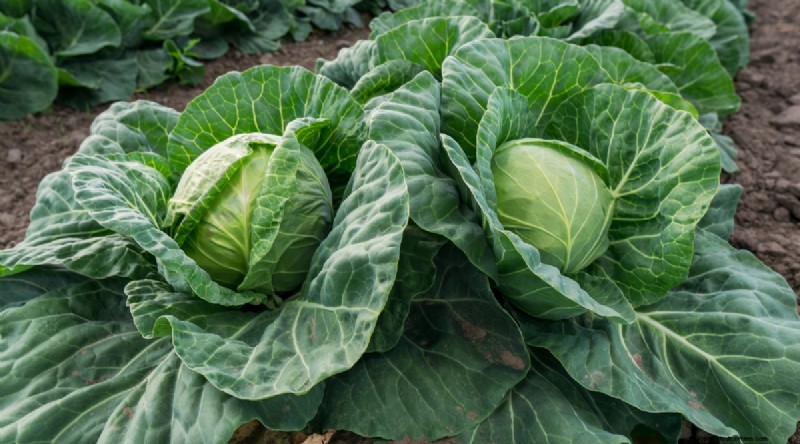
Start cabbage seeds indoors 6‑8 weeks before the last frost. Provide compost‑rich soil and consistent moisture to support healthy growth.
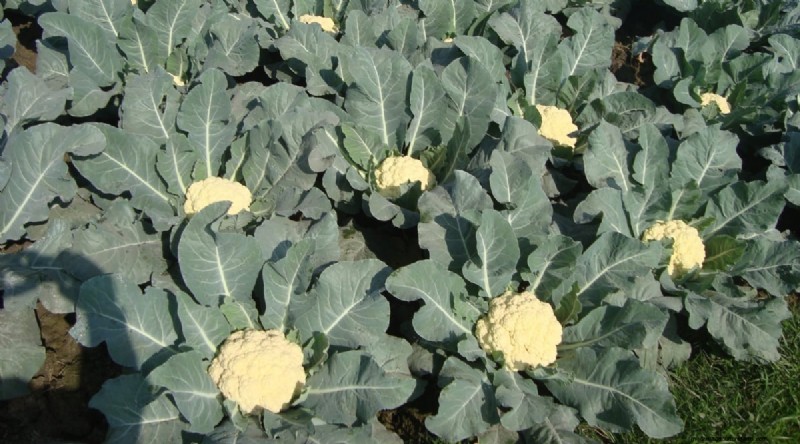
Cauliflower is germinated and cared for similarly to broccoli. Label seedlings carefully to avoid confusion during growth.
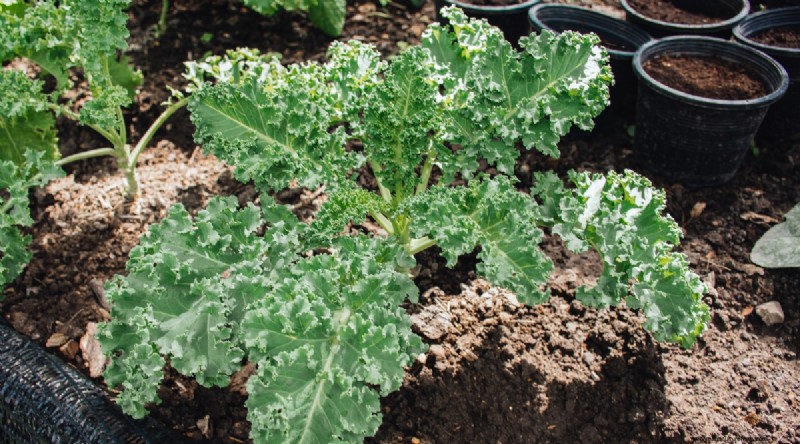
Kale performs best in cool, moist conditions. Light frosts enhance flavor; protect against hard frosts below 28 °F (‑2 °C).
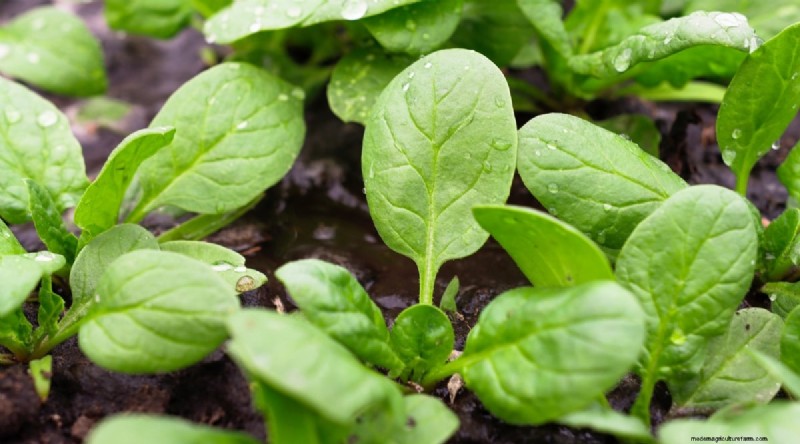
Spinach germinates at 55‑60 °F (13‑16 °C). Direct sow as soon as soil is workable, or start indoors and transplant when conditions are favorable.
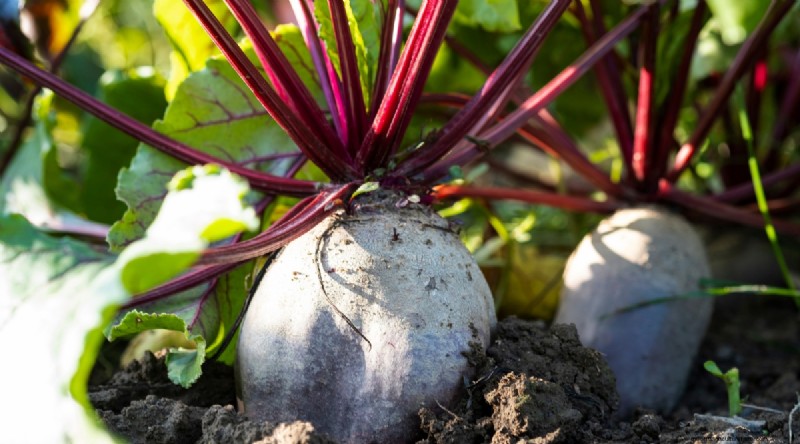
Beets thrive in 45 °F (7 °C) soils. Sow outdoors at ½ inch depth, 3 inches apart in rows 12 inches apart. Cluster two to three seeds per cell for uniform growth.
In February, focus on establishing cold‑hardy greens and indoor seed starts for longer‑duration crops. By monitoring soil temperatures and using appropriate protection, gardeners can enjoy early spring harvests and robust, healthy plants throughout the growing season.