
Welcome to Modern Agriculture!

Growing peppermint in your own garden unlocks a fresher, more flavorful mint experience than any store‑bought leaves. With its gentle aroma and versatile culinary uses, peppermint is a favorite for home gardeners who want an herb that’s easy to maintain yet prolific.
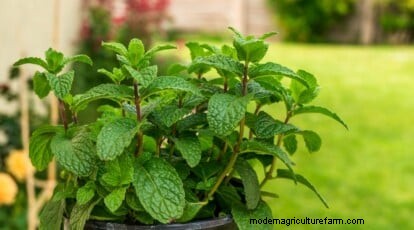
Plant Type: Herb
Family: Lamiaceae
Genus: Mentha
Species: Mentha x piperita
Native Area: Europe & Middle East
Sun Exposure: Full sun (6–8 hrs daily)
Height: 1–3 ft
Watering Requirements: Moderate, deep watering preferred
Pests & Diseases: Aphids, thrips, occasional powdery mildew
Maintenance: Low, with regular pruning to control spread
Soil Type: Loam, well‑draining, slightly acidic to neutral pH
Hardiness Zones: 5–8 (adaptable to 3–10 in USDA guidelines)
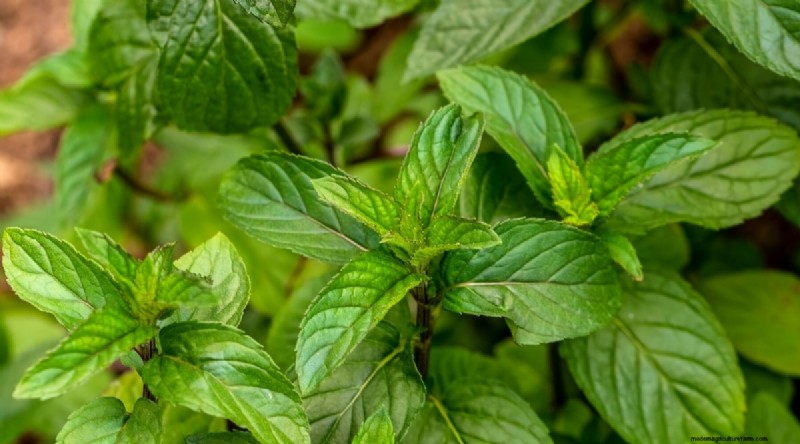
Scientific name Mentha x piperita denotes a hybrid of watermint and spearmint. The result is a mint with the cooling intensity of spearmint and the pleasant aroma of watermint, making it ideal for culinary, medicinal, and cosmetic uses.
Beyond the kitchen, peppermint extract is prized in cosmetics for its soothing properties and is used in traditional remedies for digestive comfort and fresh breath.
Its crisp, minty flavor pairs wonderfully with chocolate, caramel, and citrus. In beverages, it brightens summer cocktails, and in salads, it adds a refreshing lift. Peppermint tea, made from fresh leaves, delivers a superior taste compared to most commercial blends.
Originating in Europe and the Middle East, peppermint now thrives worldwide, especially in temperate zones where its vigorous growth is best managed.
Whether you’re replanting in the garden or moving to containers, peppermint is easy to propagate.
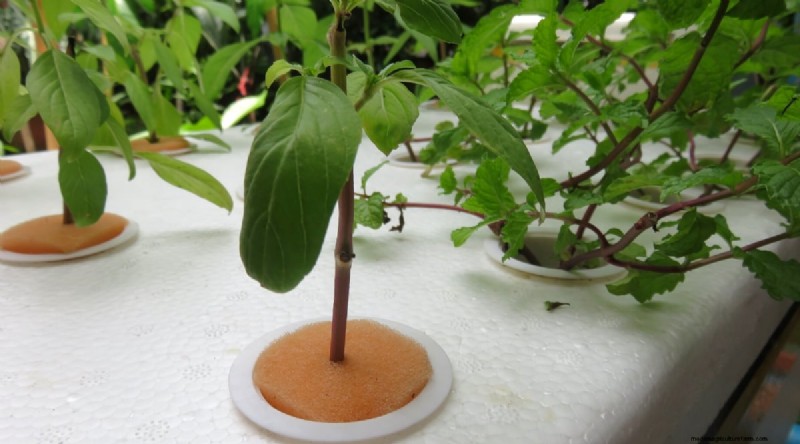
Select a healthy 4‑inch stem, cut just below a leaf node, and strip lower leaves. Root the cutting directly in soil for stronger roots, or in water until ~1 inch roots form, then transfer to soil. Keep the soil moist and provide indirect light until establishment.
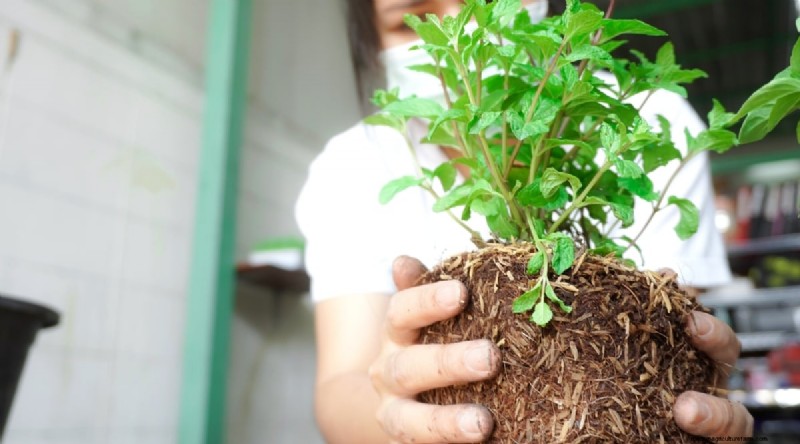
For mature plants, gently lift the root ball, separate into sections with at least 2–3 stems each, and replant in spaced pots or garden beds. Allow 1–2 weeks for new growth before fully pruning.
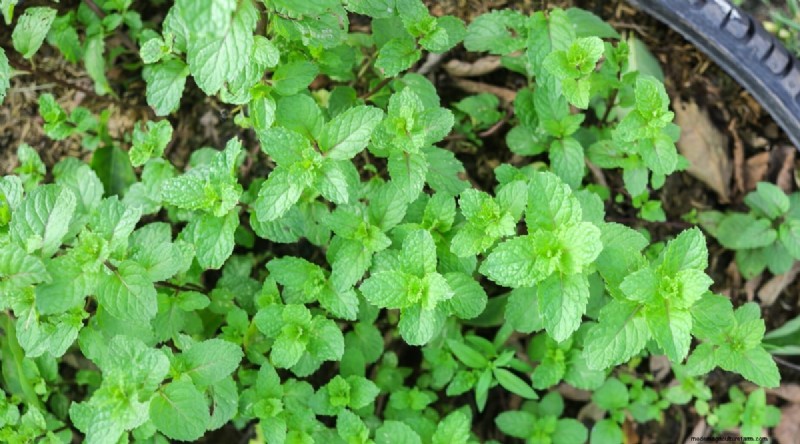
Choose a sunny spot with rich, well‑draining loam. For ground planting, bury the entire pot to keep roots contained; for beds, space plants 1.5–2 ft apart to allow room for vigorous growth.
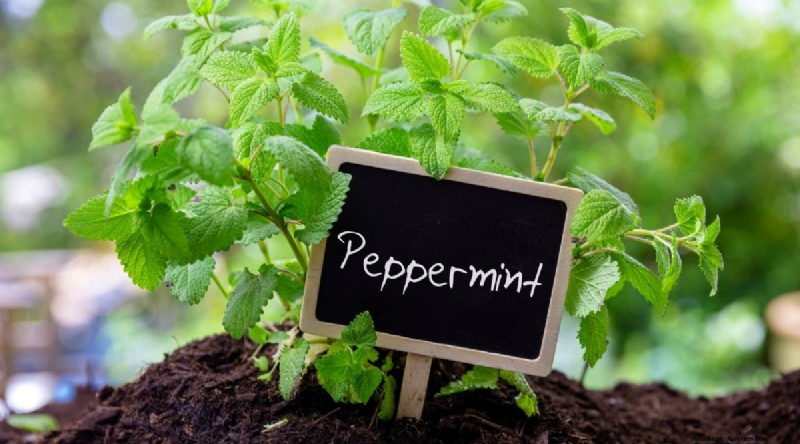
Amend heavy clay with compost and sand or perlite to improve drainage. Aim for a pH of 6.0–7.0. In containers, use a herb‑specific potting mix plus perlite for optimal moisture balance.
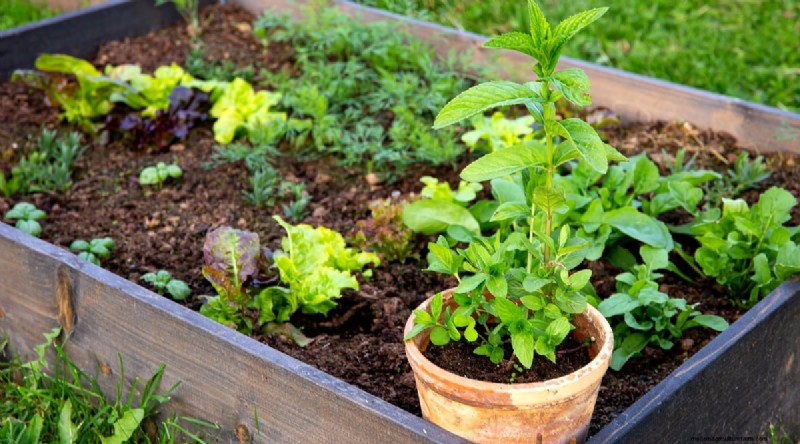
Dig a hole 1.5× the container diameter, place the plant, backfill, and water thoroughly. If using a pot to restrict spread, bury the pot flush with soil and cover the rim with a light soil layer.
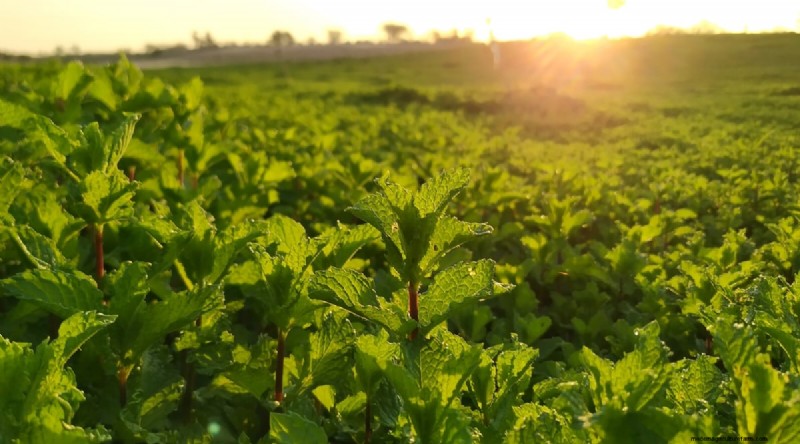
Peppermint needs 6–8 hrs of direct sunlight. Indoors, position on a south‑facing windowsill or supplement with full‑spectrum grow lights. Rotate containers every few days for even growth.
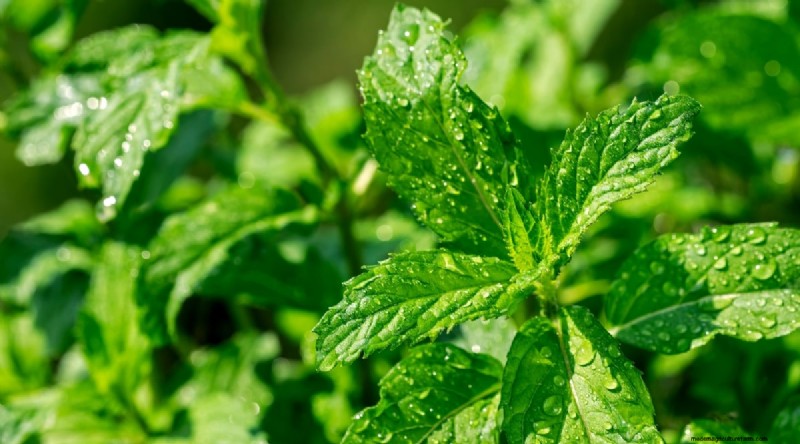
Water deeply, allowing the top 1–2 in of soil to dry before the next watering. Overwatering leads to root rot; underwatering causes wilting. For container plants, check soil moisture from the top and ensure drainage holes are unobstructed.
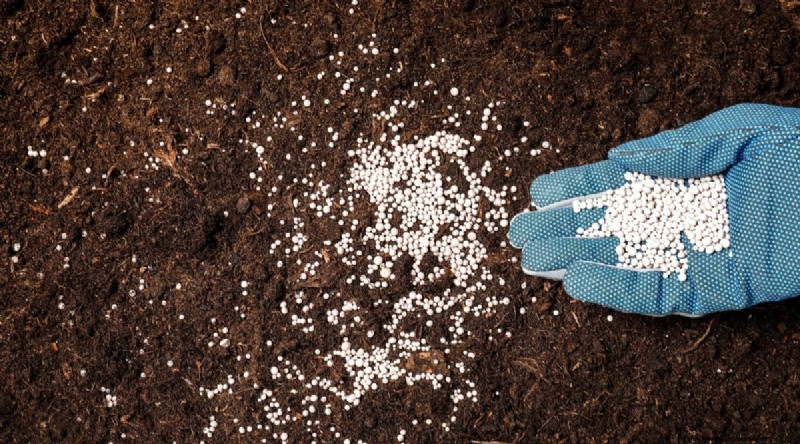
Use a balanced, low‑nitrogen fertilizer once a year or apply compost annually. Overfertilizing can damage roots and reduce flavor.
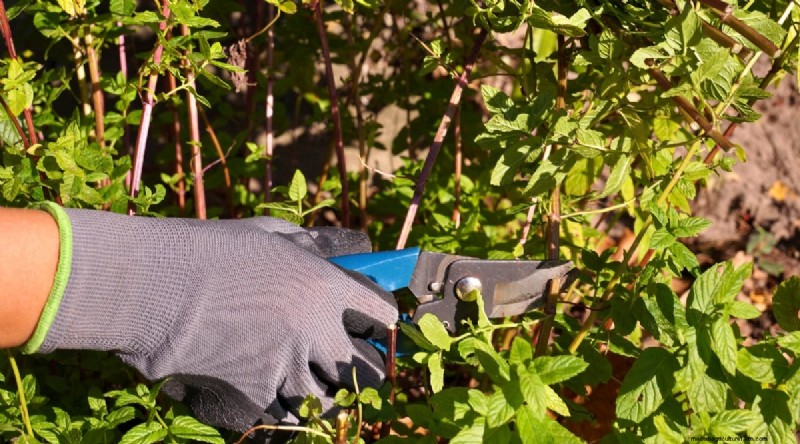
Regular pinch‑back of tips and removal of flower buds promotes bushy growth and prevents woody stems. Harvest leaves by snipping or pinching in the morning when the plant is well‑watered. Begin harvesting about one month after planting, and continue regularly to encourage continued production.
In colder regions, mulch the base with straw or leaves to shield roots from freezing. Peppermint can survive light frosts but may suffer in prolonged cold.
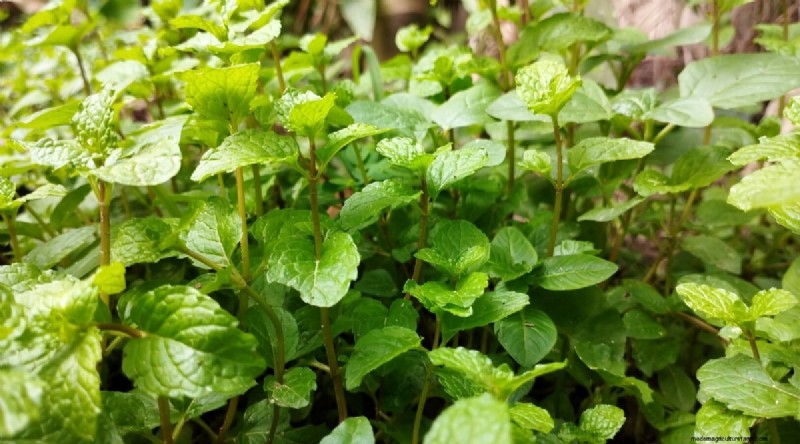
Insufficient light causes elongated stems. Move to a sunnier spot and prune to stimulate compact growth.
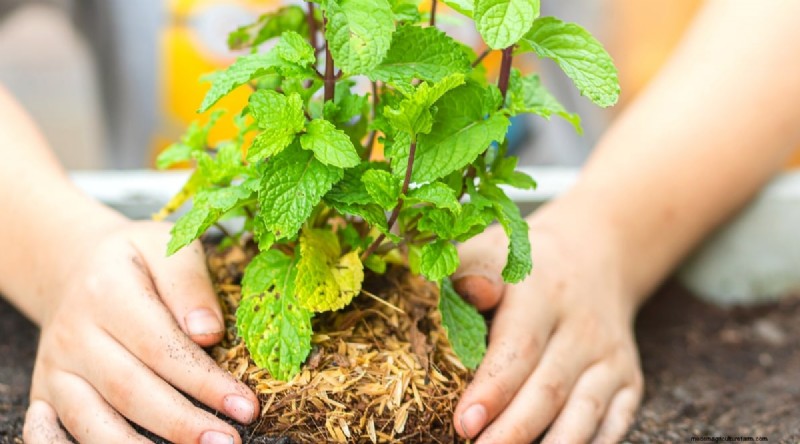
Yellowing often indicates overwatering or poor drainage. Reduce watering frequency and improve soil drainage. Also check for pest activity.
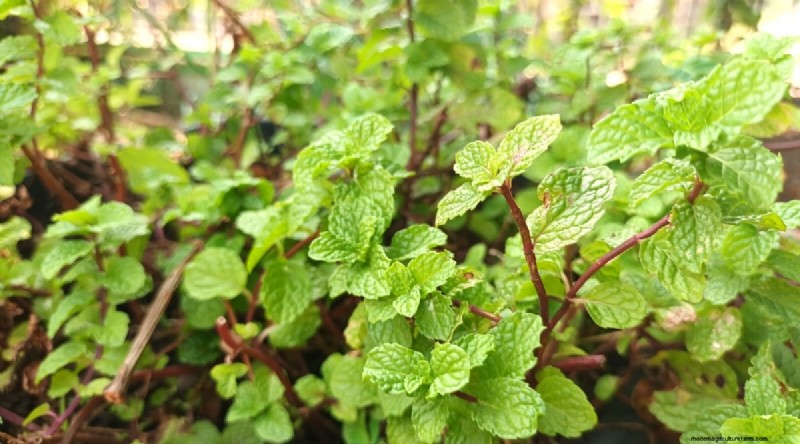
Use root barriers or pot containers to contain growth. Regularly trim stems that touch the soil to prevent new root formation.
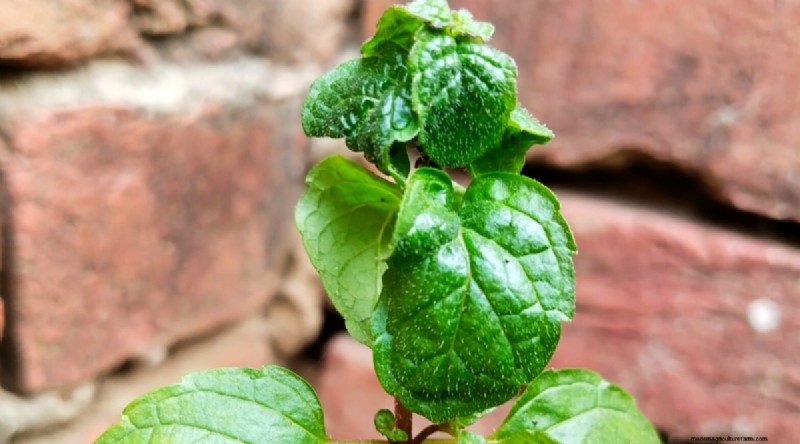
Aphids and thrips can be managed with insecticidal soap or a strong water spray. Powdery mildew appears under high humidity and damp leaves; improve air circulation and avoid overhead watering. Fungicides are effective if mildew persists.
Can peppermint grow next to other herbs? It’s best kept separate or in a dedicated area because of its vigorous root system.
Is peppermint safe for pets? Small amounts are generally safe for dogs and cats, but large quantities or concentrated oils can cause irritation.
How do I keep peppermint from overtaking my garden? Plant in containers or use a root barrier; prune regularly and remove any stems that come into contact with the soil.
What causes peppermint to wilt? Overwatering, underwatering, poor drainage, pests, or disease. Check soil moisture and plant health.
With these expert tips, you’ll cultivate a robust peppermint plant that offers fresh leaves for culinary delights, soothing teas, and natural beauty products. Happy gardening!


