Welcome to Modern Agriculture!

Harvesting basil throughout the summer demands precise timing, location, and technique. By mastering when and how to snip, you’ll stimulate continuous growth and secure abundant, flavorful leaves.
Most beginners view the first harvest as the pinnacle of their gardening journey, only to realize that the plant’s growth cycle requires frequent, strategic pruning. Properly executed, regular harvesting transforms a single basil patch into a self‑propagating mandala of leaves.
In this guide, we distill the knowledge of seasoned organic farmers into actionable steps and preservation ideas that keep basil fresh long after the harvest.
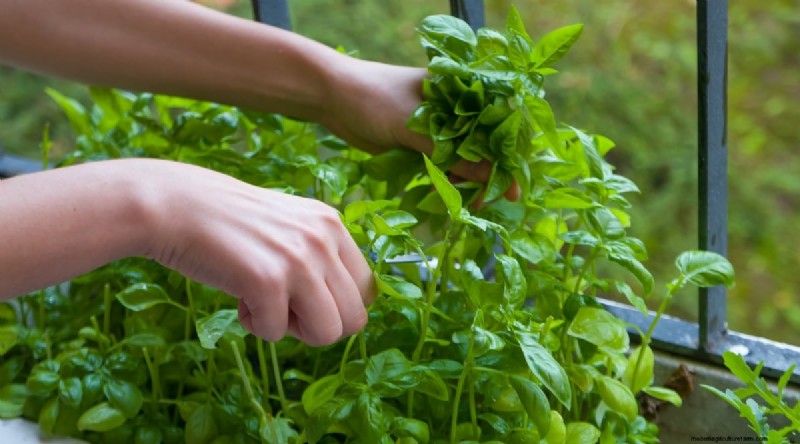
Whether you grow basil in containers or an open bed, consistent pruning is the single most effective method to enhance yield, flavor, and plant health. The terms “harvest” and “prune” are often used interchangeably in basil care, and each cut sends a chemical signal that encourages the plant to redirect energy toward leaf production rather than seed set.
Prunings are not waste. Use them in pesto, salads, or even a fresh green iced tea. Preserve or share them as you see fit.
There are four primary benefits of regular harvesting:
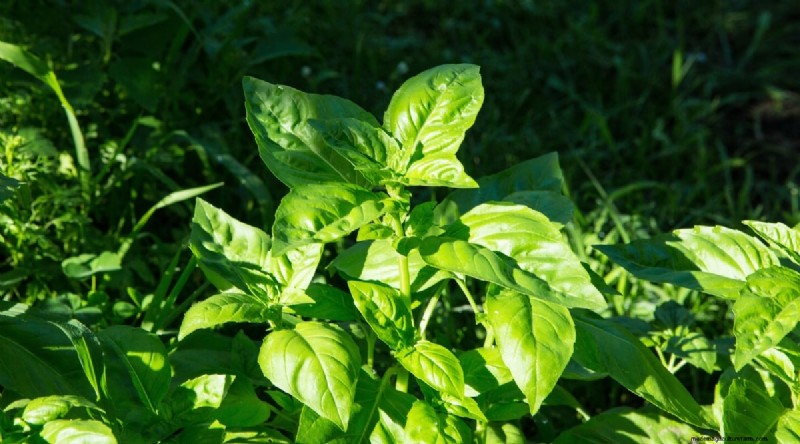
Pinching back the main stem just above the first set of true leaves—about ¼ inch—triggers the plant to produce multiple side shoots. This technique, common in horticulture for snapdragons and zinnias, is known as “deadheading” in the flower world. By repeating the pinch every week, you effectively double the plant’s vegetative output.
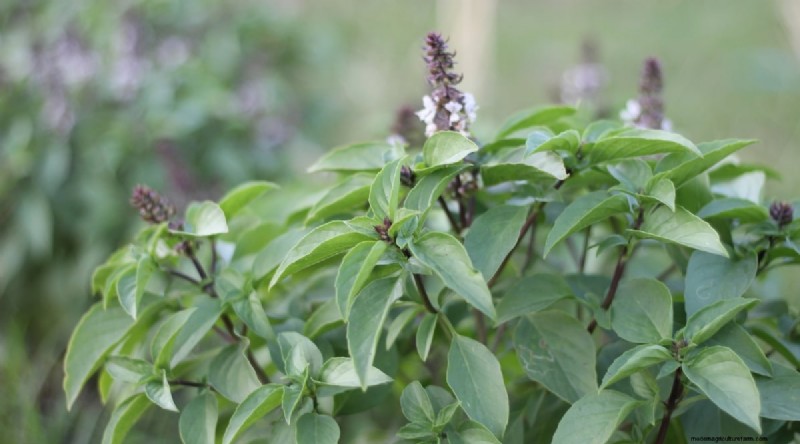
Basil is highly sensitive to stressors such as drought, cold snaps, or heavy rain. These conditions can cause the plant to bolt, sending bitter‑flavored flowers to seed. Early detection and removal of these flowers—known as a “flower head”—keeps the plant’s flavor intact and prevents waste.
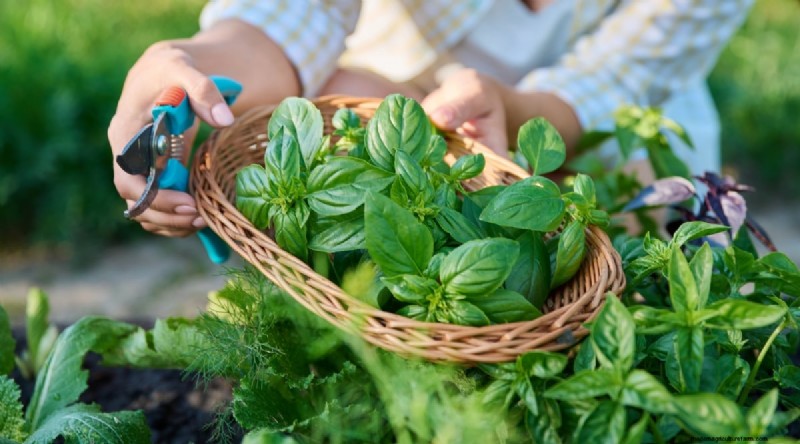
Once the plant has 4–6 sets of true leaves and begins to bush out, you can start harvesting side leaves. Avoid removing more than one-third of the plant’s foliage at a time to maintain vigor.
Frequent harvesting not only keeps the mandala of leaves lush but also sends the plant into a perpetual growth mode, ensuring a steady supply of aromatic leaves for cooking.
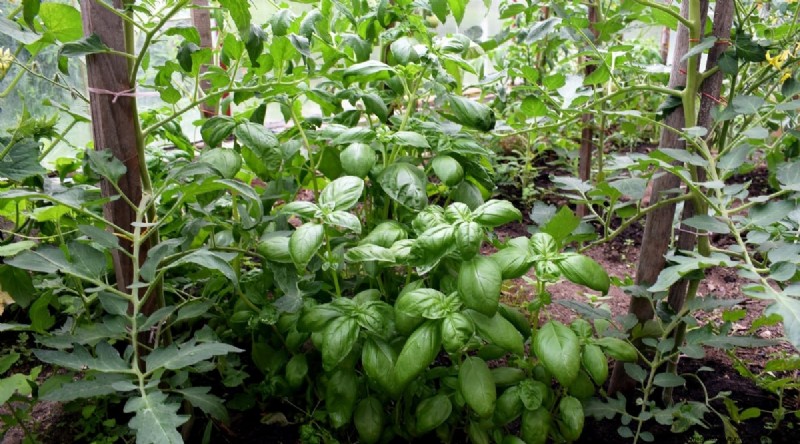
Proper ventilation is critical for disease prevention, especially when basil is intercropped with tomatoes. In greenhouse settings, a small oscillating fan can reduce humidity and curb fungal outbreaks.
Three distinct harvest windows must be recognized to match basil’s life cycle.
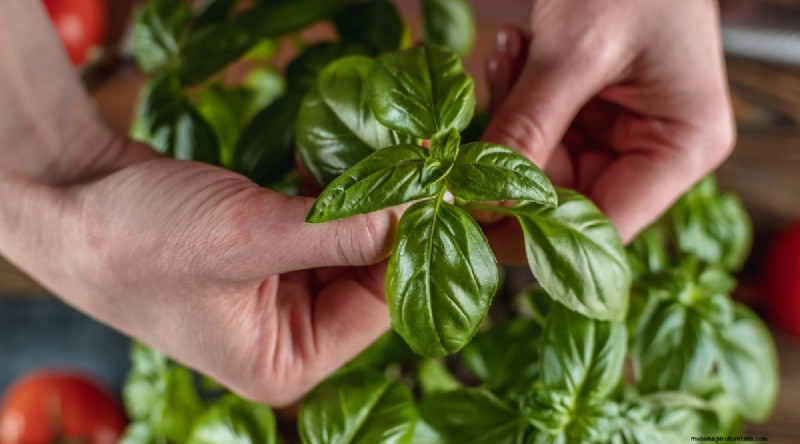
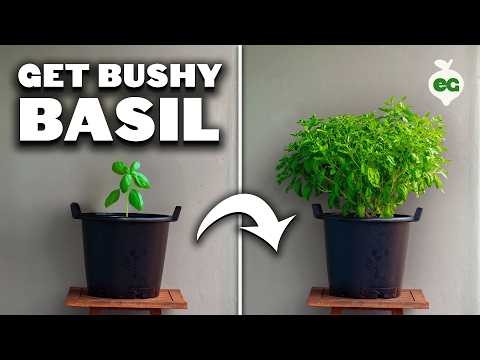
Once the transplant has settled, trim the central growth tip to ¼ inch above the first true leaf. This encourages a bushier plant that will produce side shoots throughout the season.
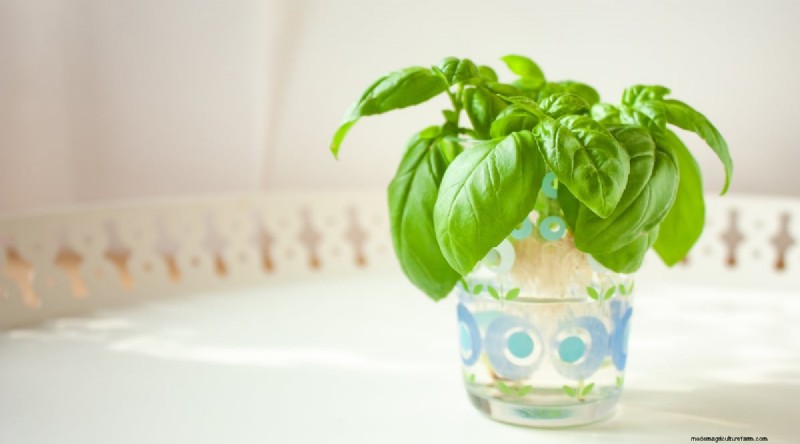
Most basil varieties mature in 60–70 days. To accelerate succession planting, place pruned stem tips in clean water. When roots develop, transplant them into soil or containers. You’ll have a cloned basil crop ready to flourish.
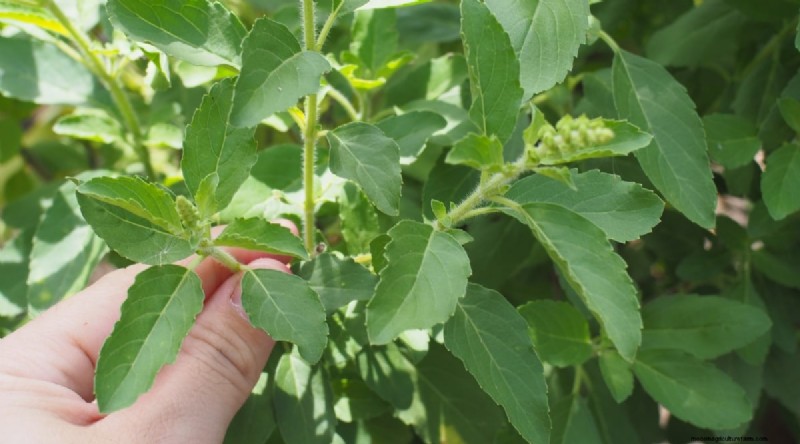
Even if you don’t need fresh leaves immediately, a weekly prune nudges the plant to prioritize leaf growth over seed production. Share excess harvest, incorporate into recipes, or preserve for later use.
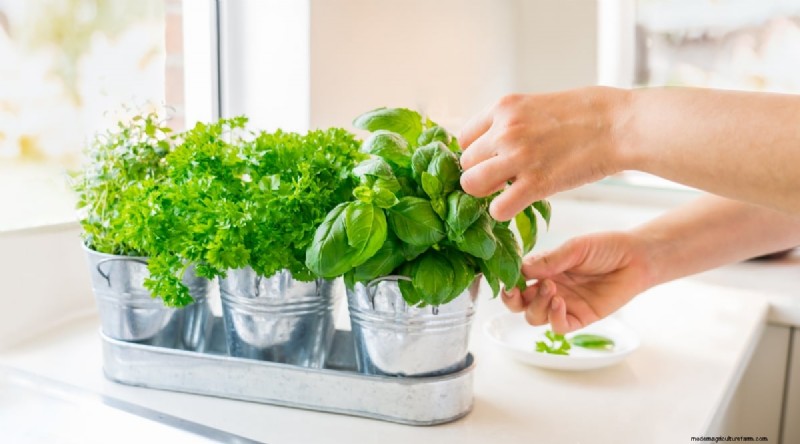
Use sharp, clean scissors or pruning shears. Snip stems ¼ inch above a node once a week. This promotes lateral growth and effectively doubles leaf production. Avoid ripping stems to prevent pathogen entry.
Basil thrives on consistent pruning. Whether you’re a novice or a seasoned grower, mastering these techniques guarantees a garden that keeps delivering fresh, flavorful basil for pesto, sauces, or garnish.
Explore our additional guides on organic pest management and basil preservation to fully capitalize on your harvest.