
Welcome to Modern Agriculture!

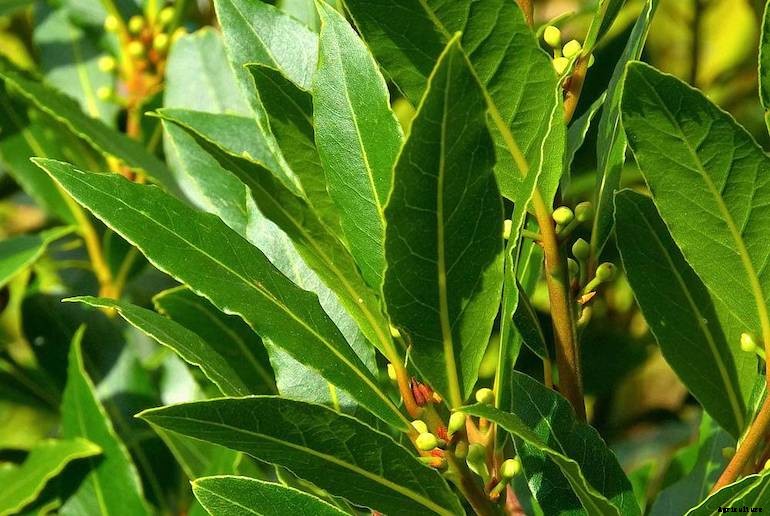 Know the signs of bay tree sucker damage before it affects your shrub
The bay tree sucker (Trioza alacris) is a psyllid - a type of sap-sucking bug that looks like a pale brown aphid (about 2mm in length).
Adult suckers emerge from hibernation in the spring, laying eggs which hatch into scaley larvae that produce lots of white, wooly wax.
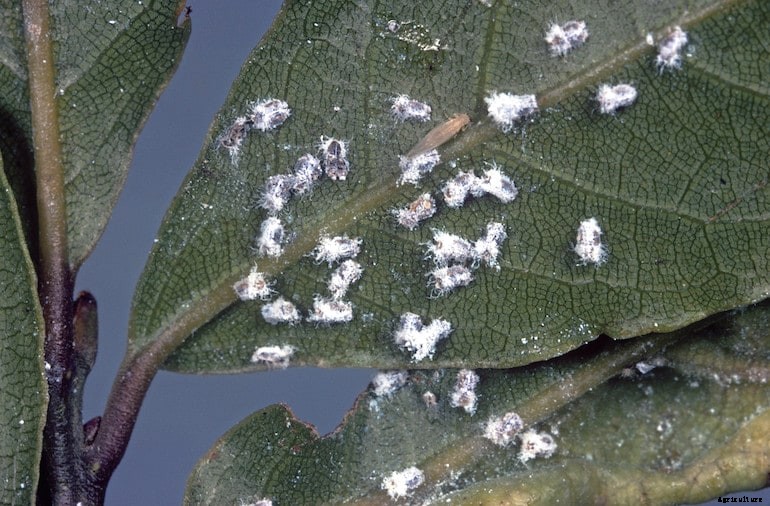 Bay tree sucker damage is very obvious to spot
Bay sucker damage is easy to spot. Here are the signs:
Bay tree suckers feed exclusively on the sap of bay leaves.
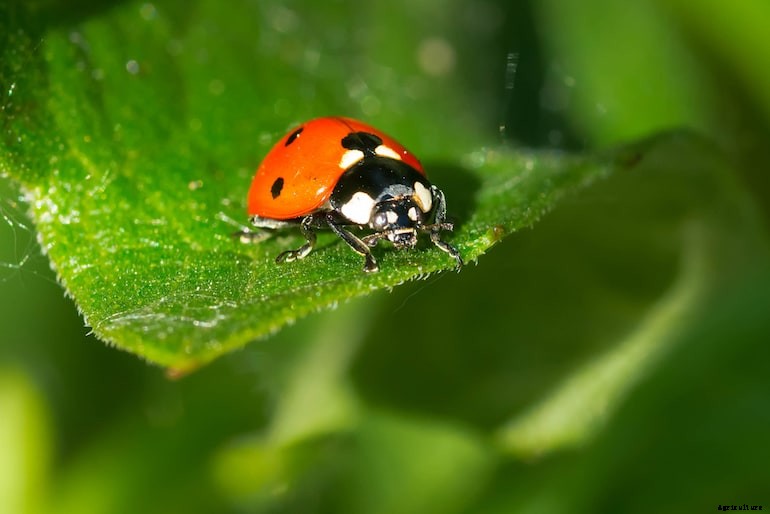 Keep pests numbers down by encouraging ladybirds into bay trees
As these insects are usually hidden inside curled leaves, topical insecticides are unlikely to have much effect on controlling populations. Here are some more effective ways to control bay tree suckers:
Remove curled leaves in the spring - keep an eye out for affected leaves early on in the year. Remove any curled leaves and destroy them - do not compost!
Clear away dead leaves - keep the ground clear of old bay leaves where adult bay suckers like to hibernate over the winter.
Encourage ladybirds - ladybirds are very effective predators of the bay sucker. Encourage ladybirds into bay trees to help keep the numbers down.
Prune away infestations in midsummer - trim light infestations away in the middle of summer and for a couple of weeks afterwards. Stop pruning after this time to give new shoots the chance to harden up before winter.


