
Welcome to Modern Agriculture!

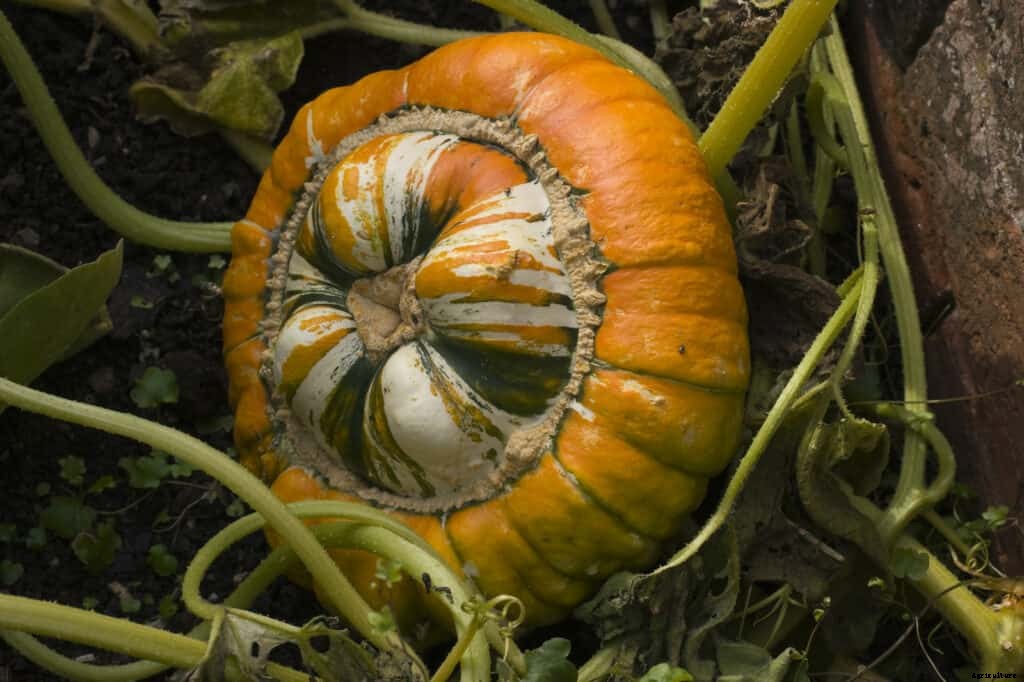 Winter squash is a frost-tender, warm-season annual. Winter squash is grown to maturity on the vine until the skin is very hard (unlike summer squash which is harvested while the skin is still tender). Popular winter squashes include Hubbard, butternut, acorn, delicious, banana, Turk’s turban (photo above), cushaw, and spaghetti squash.
Sow winter squash seeds in the garden–or set out seedlings started indoors–only after the soil has warmed to at least 60°F (16°C), usually no sooner than 3 weeks after the last frost in spring. Winter squashes grow best in air temperatures ranging from 50° to 90°F (10-32°C); established fruit will ripen in temperatures as high as 100°F (37°C) but flowers will drop in high temperatures. Winter squash requires 60 to 110 days to reach harvest.
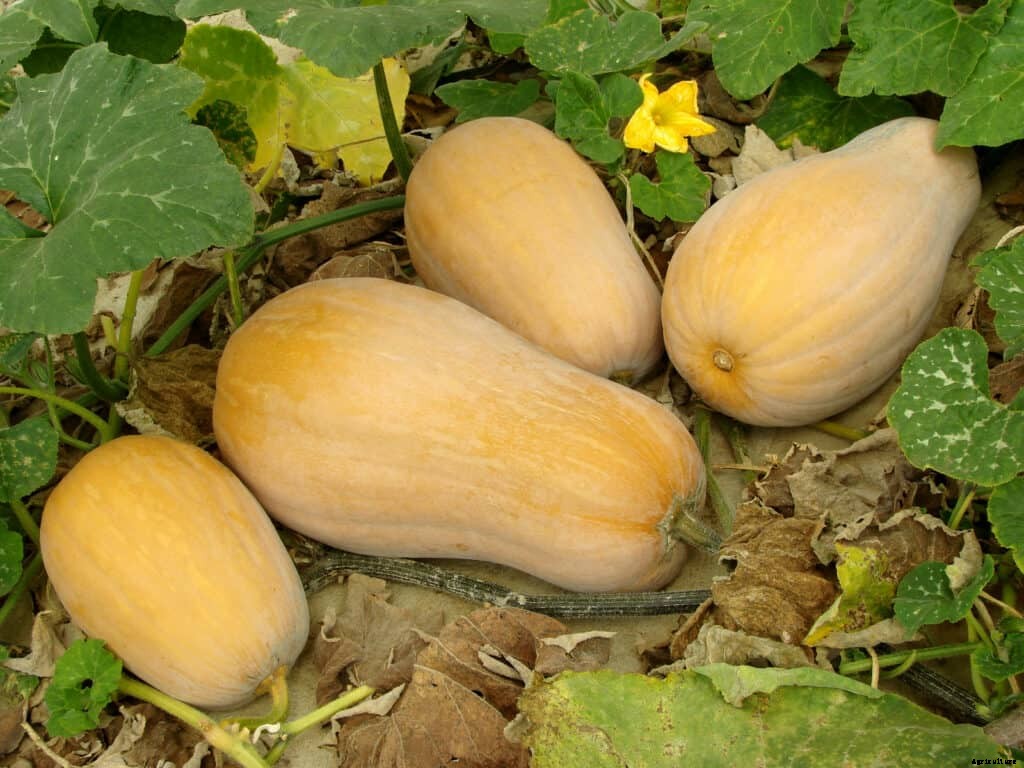
Description. Squashes are a large group within the cucumber family, Cucurbita, and include winter squashes, summer squashes, and pumpkins. Winter squashes are eaten after they have matured and their skins have thickened and hardened. Some winter squashes grow fruit as long as 30 inches (76cm). Squashes have large, broad leaves; 4 to 6 stems or vines grow from a central root. Some winter squashes are sprawling; others are bush-like. Fruits vary in shape from round to oblong, to cylindrical to turban shaped. Separate male and female flowers appear on the same plant. Winter squashes have a distinct seed cavity, unlike summer squashes.
Yield. Grow 1 or 2 summer squash plants per household member.
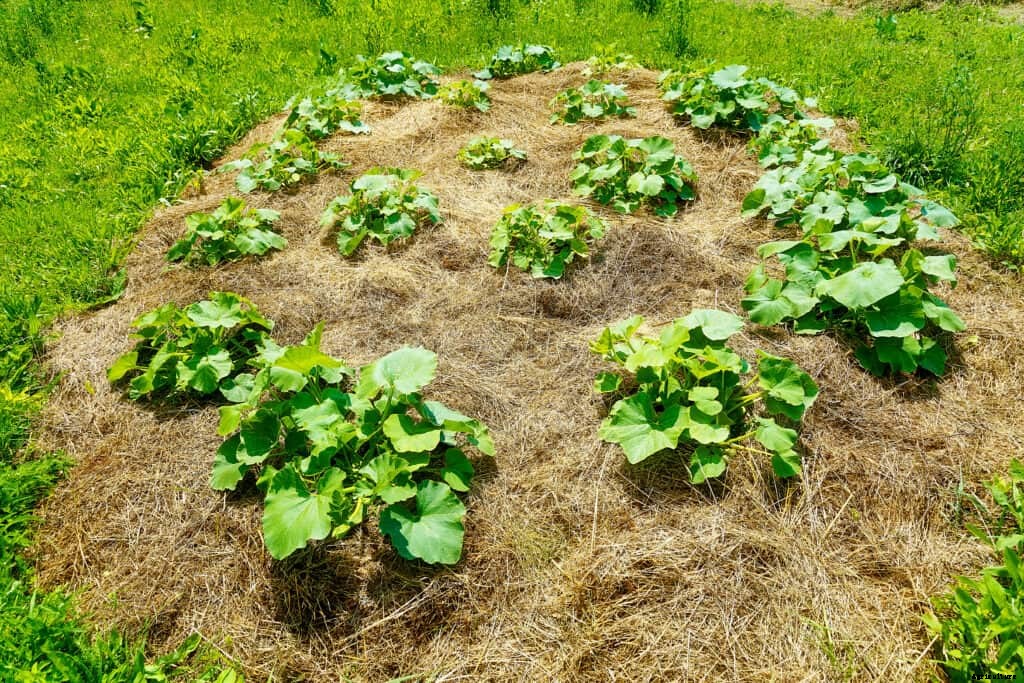
Site. Plant squash in full sun. Grow squash in loose, well-drained soil rich in organic matter. Prepare planting beds in advance working in plenty of aged compost. Add aged manure to planting beds the autumn before growing squash. Squash prefers a soil pH of 5.5 to 6.8. Winter squashes will sprawl and require ample space; if space is tight train them over a small A-frame or up a trellis as tall as 5 to 8 feet (1.5-2.4m).
Planting time. Winter squashes are frost-tender, warm-season annuals. Sow squash seeds in the garden–or set out seedlings started indoors–only after the soil has warmed to at least 60°F (16°C), usually no sooner than 3 weeks after the last frost in spring. Start squashes indoors as early as 4 weeks before the last average frost date in spring. Sow seed indoors in biodegradable peat or paper pots that can be set directly in the garden so as not to disturb or shock plant roots. Winter squashes grow best in air temperatures ranging from 50° to 90°F (10-32°C). Established fruit will ripen in temperatures as high as 100°F (37°C) but flowers will drop in high temperatures. Winter squashes require 60 to 110 days to reach harvest.
More tips at Winter Squash Seed Starting Tips.
Planting and spacing. Sow squash seeds 2 to 3 inches (5-7cm) deep. Sow squash in hills or inverted hills, 4 to 5 seeds set 3 to 4 inches (7-10cm) apart; thin to the two strongest seedlings. Space hills 6 to 8 feet (1.8-2.4m)apart. In rows, plant 2 squash seed 10 inches (25cm) apart in rows 3 to 5 feet (.9-1.5m) apart; thin successful seedlings in rows to 3 feet (.9m) apart. Thin seedlings by cutting off weak seedlings at soil level with scissors so as not to disturb fragile roots. Hills or mounds should be 6 to 12 inches (15-30cm) tall and 20 inches (50cm) across. This will allow plants to run down the hill and away from the main stem. Inverted hills–which are used to retain moisture in dry regions–can be made by removing an inch of soil from an area about 20 inches (50cm) across, using the soil to form a ring or circle. Plant 4 or 5 seeds in each inverted hill. Winter squash can be caged or trained up a fence or trellis. Set supports in place at the time of planting.
Companion plants. Nasturtiums, bush peas, beans. Avoid planting summer squashes in the shadows of taller plants.
Container growing. Bush-type winter squash can be grown in containers but the season is long. Sow 2 or 3 seeds in the center of a 10-inch (25cm) container; thin to the strongest seedlings once plants are 3 to 4 inches (7-10cm) tall. Extend the growing season by planting early and moving pots indoors when frost threatens. Set a cage or trellis in place to save space.
Water and feeding. Squash grows best in soil that is kept evenly moist. Squashes require a lot of water in hot weather. Plants may wilt on hot days as they use water faster than the roots can supply. As long as the water is regular and deeply applied, wilted plants will liven up as the day gets cooler. Squash that is wilted in the morning needs immediate water. Add aged compost to planting beds before planting and side-dress squash with aged compost at midseason. Side dress squash with compost tea every 2 to 3 weeks during the growing season. Avoid feeding squash with high nitrogen fertilizer, 5-10-10 is best.
Care. Squash has separate male and female flowers. The first flowers to appear are male flowers that will not produce fruit. Female flowers appear slightly later and are pollinated by the male flowers commonly with the help of insects. If pollination is slow or does not occur, use a soft-bristled brush to dust inside a male flower then carefully dust the inside of a female flower (a female flower will have an immature fruit on its stem, a male won’t).
Once fruits form set each one on a wooden plank so that it does not have direct contact with the soil; this will allow squashes to mature with less exposure to insects.
Pests. Squash can be attacked by squash bugs, squash borers, and cucumber beetles. Handpick or hose away beetles. A small hole in the stem or unexplained wilting may indicate the presence of borers. Slit the stem, remove the borers, and dispose of them. Cover the slit stem with soil to encourage root development from that point.
Squash borers or bacterial wilt can cause squash plants to suddenly wilt and die just as they begin to produce. Bacterial wilt can be spread to squash by cucumber beetles; handpick and destroy cucumber beetles.
More at Squash Growing Problems: Troubleshooting.
Diseases. Squashes are susceptible to bacterial wilt, mosaic virus, and mildew. Plant disease-resistant varieties. Keep the garden clean and free of debris where diseases and pests may harbor. Water at the base of plants to keep water off the foliage, and do not handle plants when they are wet to avoid the spread of fungal spores. Remove and destroy infected plants before they spread the disease to healthy plants.
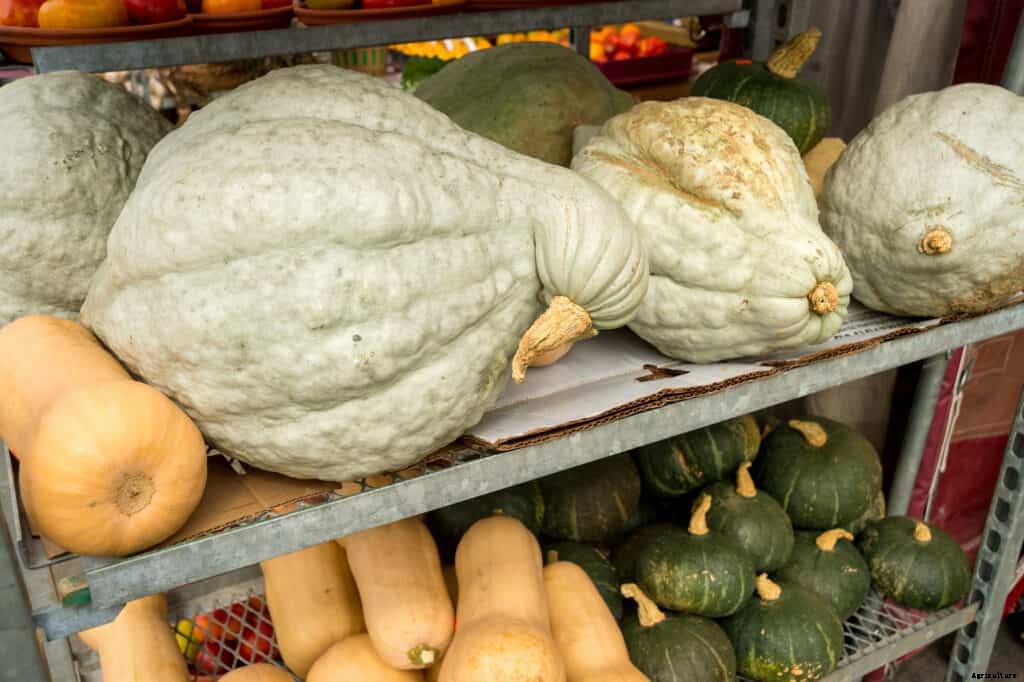
Harvest. Winter squashes are ready for harvest 60 to 110 days from sowing when rinds are full color and firm (some acorn squash may be green and have semi-hard rinds). Winter squashes should be allowed to mature fully on the vine. If the rind cannot be dented with your thumbnail, it is ready for harvest. Complete the harvest before the first hard frost. Stems and vines will be hard and dry at harvest time. Cut squash from the vine leaving 2 to 3 inches (5-7cm) of stem above the fruit; this will allow the squash to store longer. Use a knife, pruning shears, or lopper to cut thick stems. Keep pruners clean so as not to spread the disease to other plants. More tips at How to Store Winter Squash.
Storing and preserving. Winter squashes require curing before storing. Cure squashes in the sun for a week or more or place them in a dark, humid place for 10 days at 80° to 85°F (26-29°C). After curing store winter squash at 50° to 60°F (10-15°C) in a dry, dark place. Winter squash will keep for 5 to 6 months. Winter squash with a soft skin will likely rot in storage; these squash should be cooked right away. Do not wash squashes until you are ready to use them. Cooked squash can be frozen, canned, pickled, or dried.
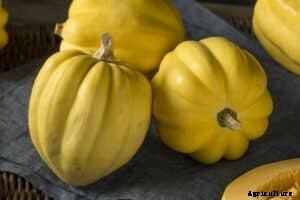
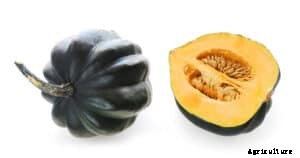
Buttercup: ‘Bush Buttercup’ (88-100 days); ‘Emerald’ (90 days)
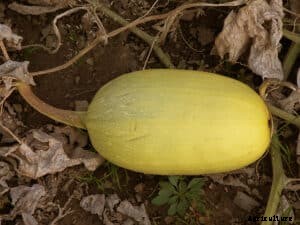
Spaghetti: ‘Pasta’ (90 days); ‘Pasta Spaghetti’; ‘Stripetti’ (95 days); ‘Tivoli Spaghetti’ (100 days); ‘Vegetable Spaghetti’ (90-110 days).
Botanical name. Cucurbita maxima and Cucurbita moschata
Origin. American tropics


