Welcome to Modern Agriculture!

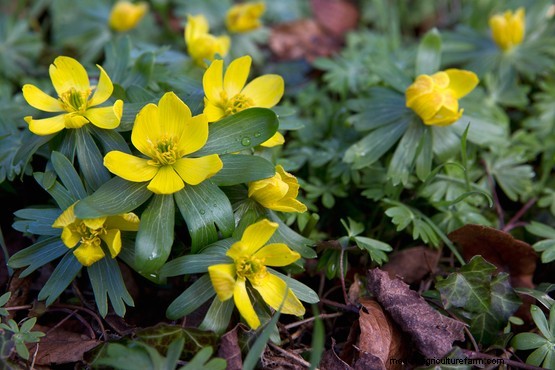
Winter aconite, Eranthis hyemalis is welcome source of cheery colour at a time when borders can be looking a little bare. The bright, golden yellow flowers, with a characteristic green ruff, appear on ground-hugging plants in early February.
They look best grown en masse in a natural setting, under trees, where they combine well with snowdrops. Winter aconites can be tricky to establish but once settled they will spread naturally. A member of the buttercup family, winter aconite is a tuberous perennial, native to Europe, but there are other species that originate from Asia. After flowering, plants will die back.
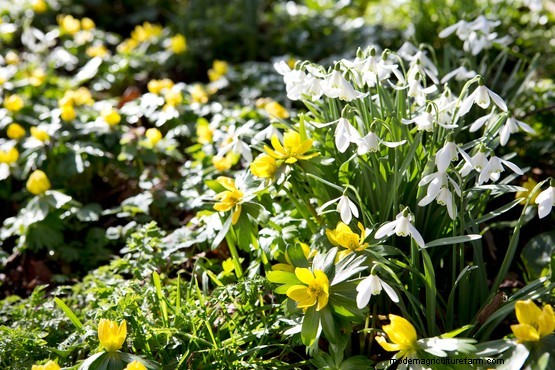
For best results, grow winter aconite in partial shade in moist but well-drained soil. Plants naturally suit woodland settings – the plants flower before the canopies of deciduous trees come into leaf.
Winter aconites can be difficult to establish. Although they grow from small round tubers, they’re best planted out ‘in the green’, just after flowering, like snowdrops. You can buy dried tubers, but these are often tricky to get started.
However, planting winter aconites in the green can be expensive. Here, Monty Don explains how to nurture the tubers by planting the tubers into pots of compost before planting into the ground later:
Winter aconites are best divided immediately after flowering and replanted. However, once they are established, they will self-seed. You can help them along by collecting seed from the plants and scattering by hand. Or sow immediately in containers.
Generally, winter aconites are pest-free, but can be prone to smuts.
Eranthis do not need a lot of special care once established. However, if you are looking to create a naturalised carpet of flowers, aim for minimal disturbance of the plants. Allow them to self-seed and spread naturally.