
Welcome to Modern Agriculture!

introduction to Indoor hydroponic gardening
The thought of indoor gardening is essentially just growing plants indoors. There are many different reasons for indoor gardening and multiple styles and techniques that can be used to achieve the goals of indoor gardening. This may be at a residential home, within a business location like an office building or restaurant, or any other sheltered area. There are multiple types of indoor gardening, including container gardening, hydroponic farming, and vertical farms. Indoor gardening can be small in extent and done by the normal homeowner or it can be industrial in scale and take place in massive greenhouses.
You must be thinking of mess that indoor gardens or plants are going to create in your houses like your clean floor flooded with water and soil. But one of the most promising and trouble-free ways of indoor gardening is hydroponics.
Hydroponic gardening is done completely devoid of soil. As an alternative, it relies on growing plants in water with the support of a suitable growing media, and the use of the nutrient solution provides the essential nutrients that would come from the soil if the plants were grown outdoors traditionally in soil beds. Roots won’t have to spread out deep into the soil looking for nutrients and you won’t have to take up extra space with large pots or drainage trays. Hydroponics indoor gardens are versatile, enables indoor hydroponic garden DIY and portable that will allow the maximum use of available indoor space and permit you to grow possibly everything irrespective of the growing season in a controlled environment.
Anyone with an indoor garden knows very well that how messy it can be when you’re trying to plant, repot, and fertilize your plants. The hydroponic garden system might engage a little bit of spilled water or some stray clippings but these types of messes are much easier to manage than dark, rich soil getting ground into your beautiful floor or carpet this is one of the prime advantages of hydroponics.
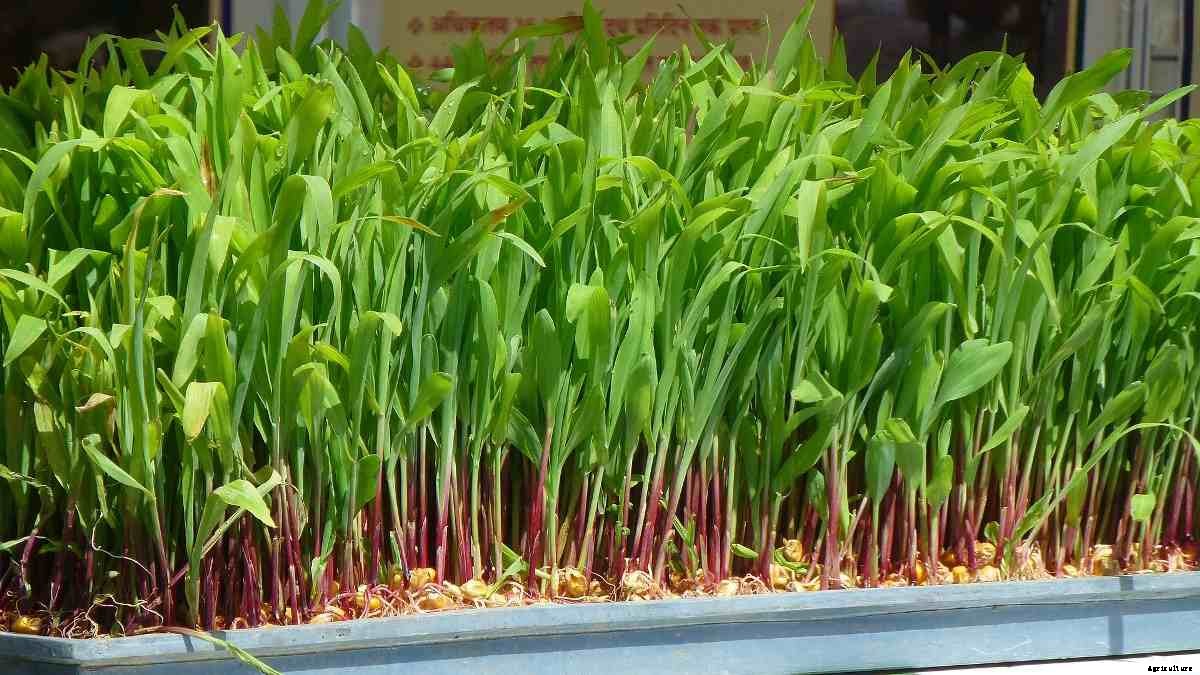
There are many techniques of indoor hydroponics based on the structure of the hydroponic system and methods used for providing this nutrient solution. The type of system you make a decision to make use of will depend on your budget, the scale of your crop, and the type of plants you plan to grow for hydroponics at home.
Passive method – The simplest form of hydroponic gardening utilizes the passive method, permitting you to establish when and how much nutrient solution is to be provided to them. Wick systems are one classic example, in which Styrofoam trays are filled with growing medium and plants. These trays simply float on top of the nutrient solution, facilitating roots to take up nutrients and water as required.
Flood and Drain method – one more simple technique of hydroponic gardening is the flood and drain method also recognized as Ebb and Flow. This technique requires the use of a pump and appropriate levels of the nutrient solution must be maintained to avoid the pump from running out dry. The technique uses a water pump on a timer to flood and then drain the root system with water and nutrients. The water reaches a height where it will soak the roots in growing trays or individual grow pots and the excess water drains through an overflow tube. When the pump shuts off at the designated time, the water will drain back down to the reservoir until the pump turns on again. This system provides the roots with alternating periods of air and oxygen than water and nutrients.
Drip System methods – The drip system is a fairly clear-cut concept and it works exactly as it sounds. The plant roots are placed in a growing medium such as perlite or gravel. When the timer turns the pump on, the nutrient solution is ‘dripped’ onto every plant. There are two basic versions, recovery and non-recovery. Recovery drip systems accumulate the surplus runoff while the non-recovery ones do not. Drip systems have the requirement of a pump and are regulated with a timer as well and nutrient solution is pumped from a reservoir, through tubes, to drip onto the roots directly. The growing medium and roots are drenched and then the solution drips back down into the container and flows back to the reservoir. This system is suitable for large plants with an extensive root system as the growing medium will preserve some of the moisture and keep the large root system well hydrated.
You should not miss this: Growing Cilantro Indoors.
All hydroponics system designs function on a similar principle, plants grow up in a sterile, soil-less medium that permits the direct delivery of nutrients to the roots from a nutrient-enriched water solution. These systems differ mostly in structure and framework. The other two techniques of hydroponics based on framework are:
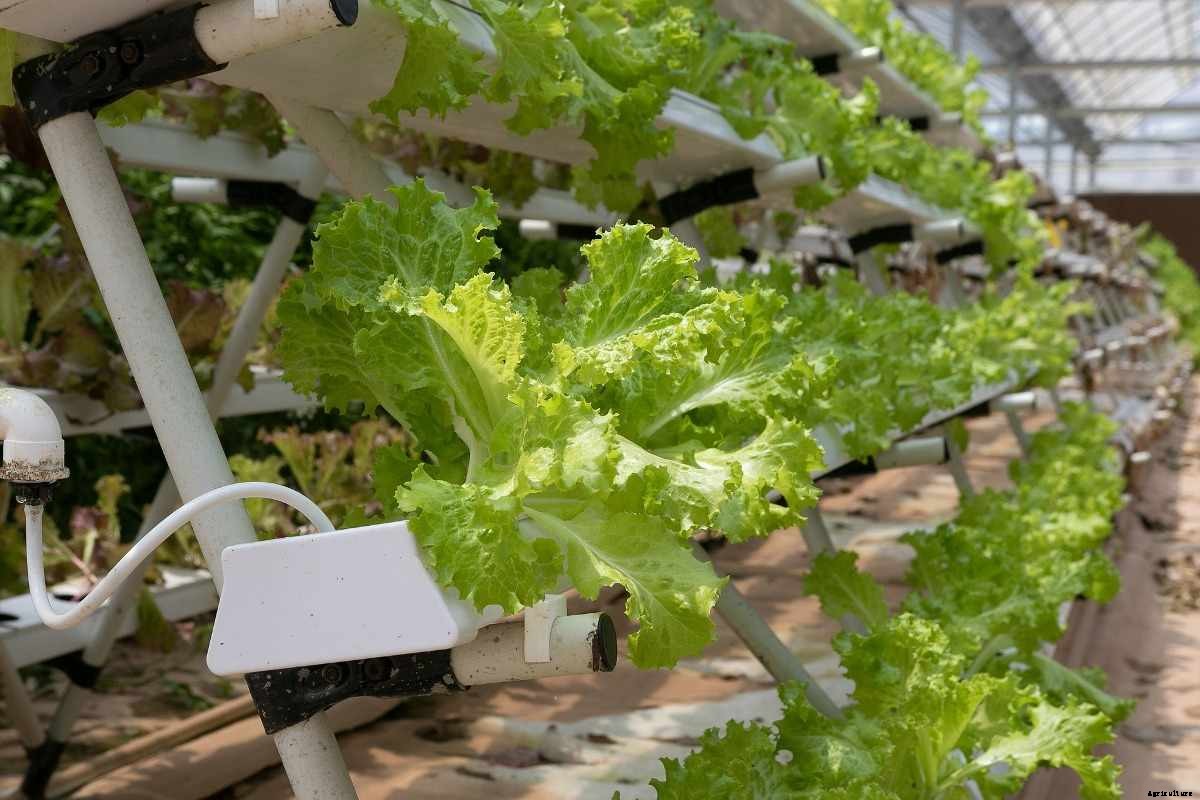
The Nutrient Film Technique (NFT) has plants suspended in plastic baskets and sometimes small Rockwool cubes over long tubes or trays usually PVC pipes. Majorly PVC hydroponics plans are based on this system only. The system involves a shallow stream of a nutrient solution which flows through a downward sloping channel. The roots of the plants hang into this stream and soak up nutrients from the steady flow and then drain back excess into the reservoir. The best merit of this system is individual plants can be removed and replaced without disturbing the rest of the system.
This active system requires a water pump to run, but other than that it is set up very much similar to a wicking system. One potential drawback of the NFT system is that any system failure or power interruption leaves the roots vulnerable to rapid drying so one has to keep the backup ready.
This system is favorable for small, fast-growing hydroponic plants such as lettuce, herbs, and baby greens these are best indoor hydroponic plants beginners must start with such manageable plants for hydroponics at home.
Water culture is the system most often used for DIY hydroponics plans since it is the most inexpensive system to produce small, water-loving, quick-growing plants like lettuce or spinach. This system can be as large or as small as you want and are easily adapted to any number of settings. The plant is placed in a grow basket or net pot on top of a reservoir filled with nutrient solution and the roots hang down from this basket, totally submerged in the solution, However, it is not the best choice for large or long-lived plants, or those better adapted to drier conditions.. Since the roots are continually submerged they will have need of aeration to avoid suffocation. Aeration can be facilitated through the use of an air pump, air stones, or a falling water system that generates air bubbles through agitation.
Like to the NFT, aeroponic systems have bare plant roots suspended in little or no growing medium. Rather than flowing through the system, the nutrient solution is sprayed at regular intervals to the suspended roots, facilitating maximum uptake of water, nutrients, and oxygen and also prevent the roots from drying out. This is perhaps the most proficient delivery system, but also the most expensive. Though, if you can afford the initial outlay, this system will possibly give you the best results for your investment. Aeroponic systems build an environment for the roots that provide as much oxygen as possible. The developing roots are suspended mid-air within a growing chamber, using no or little growing medium so this way entire root system is exposed to nutrients.
In case if you miss this: Organic Terrace Gardening.
In case if you are interested in How to Make Money from Hydroponic Store Business.


