
Welcome to Modern Agriculture!

Growing Beets Organically
Hello gardeners, today we are here with a new topic of growing beets organically. The Beetroot is the taproot portion of a Beet plant and belongs to the family Amaranthaceae. The vegetable is also referred to as the Table Beet, Garden Beet, Red Beet, Dinner Beet, or Golden Beet. Beetroot is part of the family. Growing Beets organically will obtain delicious, colorful roots and nutritious greens. Beetroot is generally easy to grow vegetable plants grown in home gardens. In this article we also discuss the below topics about growing Beets;
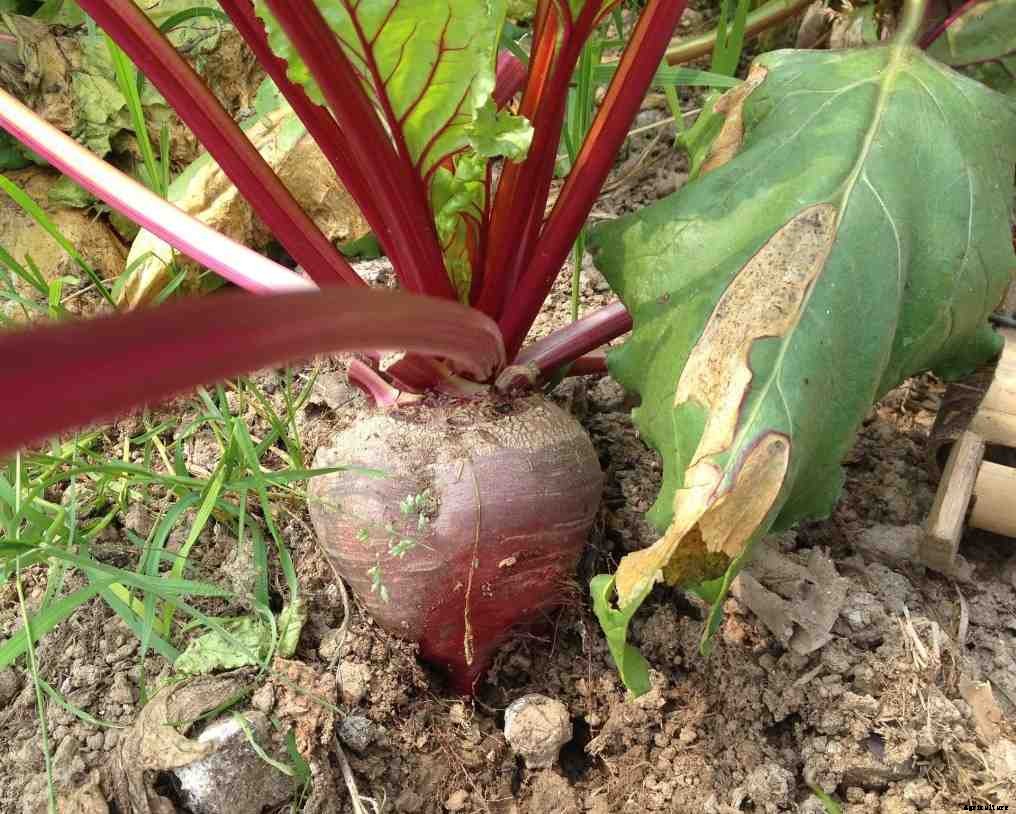
Growing Beets organically can give many beautiful and tasty varieties of Beets. Certified organic Beet seeds combined with an organic growing bed, fertilizers, and pest control are the main factors in producing Beets free of potentially harmful chemicals. Beets are cold-hardy plants and can grow year-round in areas with mild winter conditions.
If you know how to grow Beets in containers, you can try any variety at home garden. Some of the Beet varieties for containers are the Detroit Dark Red, Early Wonder, Sangria, and Sweetheart.
Beets come in a few shapes and a rainbow of colors. The deep red variety is typical, but yellow and white color varieties are also available, as are red-white ringed ones. Some of the varieties are;
Some of the earliest maturing heirloom Beet varieties include;
Some of the hybrid varieties of Beet include;
Grow Beets in full sun or partial shade in warm areas. Plant Beets in well-worked loose soil and rich in organic matter. Add plenty of aged compost to growing beds in advance of planting; this will increase the crop yield. Beets require full sun means 6-8 hours to grow healthy roots. Sunlight is vital for photosynthesis to occur.
Step 1) Identify a planting location for growing organic Beets that receives direct sunlight. Select a location where you haven’t recently grown potatoes, carrots, parsnips, turnips, or radishes, which increase the chances of infection with the disease called scab in your Beets.
Step 2) After that, till organic compost into the garden. Then, use compost made from organic plants and materials that weren’t sprayed with non-organic chemicals.
Step 3) Apply organic fertilizer to the garden soil a week before you plant the Beet seeds. Avoid fertilizers that are high in nitrogen, which can increase leaf growth while decreasing root growth in Beets. Adding fertilizer onto the plants after a month is essential for plant growth, and to remember follow the directions provided at the back of the fertilizer bag to prepare a one-time application. This will boost Beet production and also ensure a quality harvest. Organic fertilizer with equal NPK levels or homemade liquid compost is sufficient enough to provide essential nutrition to the plants.
Step 4) Beets will quickly use up available nutrients in potting soil, so a supplemental fertilizer should be used once during their growth. Organic all-purpose fertilizer with equal NPK levels will be sufficient for growing Beets. Also, homemade compost teas will be very efficient in delivering proper nutrition. For growing Beets organically, side-dress plants with compost or manure and feed the Beet plants with compost tea every other week.
Step 5) Sow the Beet seeds about 2 inches apart in the spring when the soil temperature reaches between 12 and 23°C. Leave at least 12 inches between rows.
Step 6) Thin the emerging Beet seedlings to leave about 3 to 4 inches between the strongest plants.
Step 7) Pile organic mulch in the garden around the Beet seedlings. As the Beetroots begin emerging from the ground, cover them with the mulch or with organic soil to protect them from the sun until they are ready to harvest.
Step 8) Apply at least 1 inch of water per week to the beet plants. Generally, Beets will either be tough without enough water or they will be too dry. Tilling in compost to the soil will increase water retention and also maintain even moisture.
Step 9) Remove leaves from Beet plants that show signs of some pest infestation. For example, leaf miners leave lines in the plant leaves. Spray a stream of water to remove any aphids you see on the plants. Then, these removal methods help you avoid pesticides.
Beets are extremely tolerant to hard and clay soil, if you want a picturesque shape; Beets will grow in a perfect globe in loose and fluffy soil. Beet plants need to grow tall leaves for their roots to grow properly, so they need lots of nitrogen to encourage leaf growth. Once the plant leaves are formed, photosynthesis will send energy to the roots. Till in an inch of compost into the soil to provide nutrients and fertilize according to soil test results.
Beets going with an organic fertilizer when growing food crops are most important. There are several different ones to pick from, it is important that the nitrogen level is low (NPK), which is the first number on the fertilizer bag and that the fertilizer is high in phosphorus levels, which is the second number in the sequence. Phosphorus is responsible for root development in the plant’s nutrient needs. Manure and bone meal are great sources of phosphorus. Seaweed is a great source of boron levels, which many Beet varieties become deficient in. Using compost tea with added drops of seaweed fertilizer is a great method to amend the soil on a weekly to bi-weekly basis.
Good for adding minerals to the soil. Also, Beets are beneficial to beans except for runner beans. Some companions for Beets are lettuce, onions, and brassicas. Beets and kohlrabi grow perfectly together. Beets are helped by garlic and mints. Garlic improves growth and also flavor.
Seedlings Fail To Germinate – Beet seedlings that fail to germinate happens when the temperatures are too high when you plant the seedlings. To address such a problem, add mulch such as straw or grass clippings around the plants to allow the soil to cool. Keep the soil moist until the Beet seedlings begin to emerge.
Leaves Turning Red – Beet leaves turning from green to red when the temperature reaches freezing is not harmful to Beets some varieties have red leaves naturally.
Deformed Beets – Beets are too small or malformed as a result of too much shade or overcrowding. Beet plants prefer full sun but will tolerate some partial shade. For the best quality, aim for 6-8 hours of sun a day. Also, Beets prefer sandy, lightweight soil that drains well. The best method to overcome issues with Beetroots is to provide adequate growing conditions. Even if all these conditions are met, Beetroot problems may still occur. Don’t let this sway you from enjoying crops anyway.
Beet Leaves Are Turning Yellow – If Beet leaves are turning yellow, it could be a few different problems. One possible condition that can be causing Beet leaves to turn yellow is a nutrient deficiency. Plants that don’t have enough sulfur can cause plant leaves to change from green to yellow color. Test your soil to check sulfur levels or it can be that your plants have a disease or you could be dealing with a simple case of pests. Pests and diseases often go hand in hand as many insects are the cause of plants getting infected with an illness. Some types of insects are beneficial to your Beet plants.
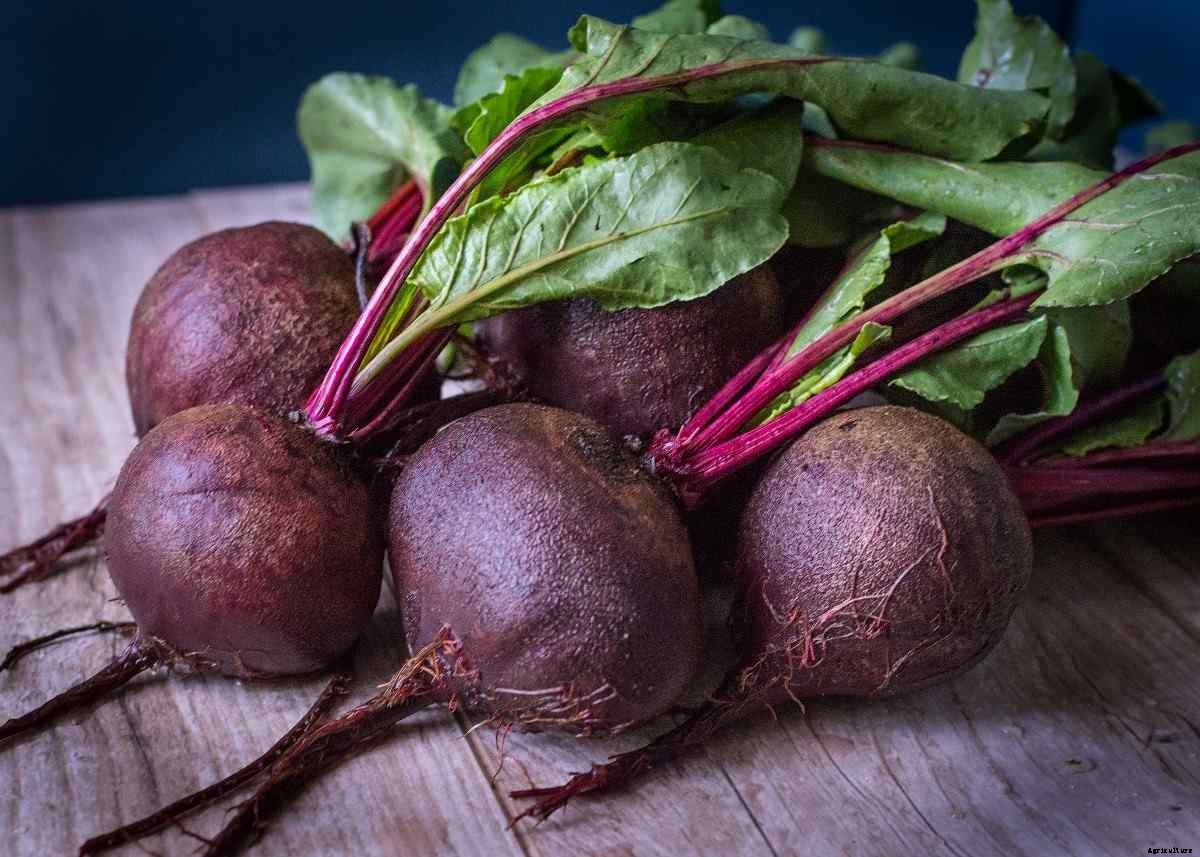
Depending on plant variety, Beetroot is ready to be picked when the roots are between the size of a golf ball usually this is 90 days after sowing. To harvest Beets by hand, firmly grasp the location where the leaves meet the Beetroot and give a firm and then steady pull until the Beetroot comes out of the ground. Normally, Beets can be harvested whenever they grow to the desired size like a golf ball. With most plant varieties, Beets larger than 3 inches may become tough and fibrous.
Digging is an alternative method of harvesting Beets. If Beets will be stored for a length of time, place them in a dry, shady place until the soil on them has dried, and then gently brush the dried soil off. Wash the Beets right before using.
Beets can be stored in a polythene bag in a refrigerator for several weeks. Also, Beets may be stored in outdoor pits if the Beets are dug before the ground freezes in the fall. Do not allow them to freeze.
In case if you miss this: Greenhhouse Gardening For Beginners.
What is the right way to harvest Beets?
The right method to harvest Beets is simply by pulling them up from the soil. However, you never yank them from their leaves or stems. You must grasp the Beets near the soil line. In some cases, you can need to use a garden fork when harvesting Beets. You can loosen the surrounding soil or dig the Beets out of the container.
Why is my Beetroot so small?
Small Beets can result from a different variety of conditions like lack of light, crowding means Beets need space to develop as difficult as it is, they should be thinned. When Beets are too small, lack of nutrients is also the main problem like phosphorus. By adding more phosphorus to the soil like bone meal, you can induce larger root growth.
What is the best way to grow Beetroot?
Beets prefer to be grown in moist, fertile soil in a sunny spot, but will also thrive in raised beds or pots.
Does Beetroot need lots of water?
Beet plants shouldn’t need any additional watering unless the soil looks like it will dry out completely. In hot climates, you can find that shade cloth is necessary to prevent bolting in the summer season.
Why Beet leaves purple?
Viruses that damage Beets cause visible changes to the leaves. The Beet plant growth slows and the leaves become brittle or thick. Leafhoppers and aphids spread the disease through Beet crops, so pest control is necessary.
Does Beetroot need full sun?
Beet plants prefer a position in full sun. The plants will grow in light shade, but avoid areas that get no direct sun at all.
That’s all folks about growing beets organically, hope this information will help you grow organic beets.


