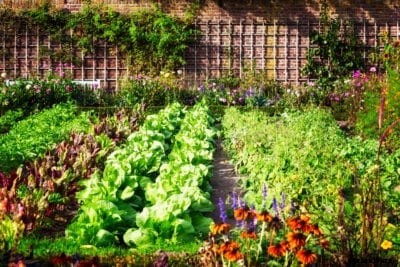
Did you ever plant a row of vegetables across the garden and
then notice the plants on one end of the row grew bigger and were more
productive than the plants on the other end? After the first fall frost, are
some of your plants untouched while others are severely damaged? If so, your
garden has microclimates.
What are Microclimates in Vegetable Gardens
Microclimates are areas within your garden that vary in the
amounts of sunlight, wind, and precipitation they receive. Microclimates in vegetables
gardens can affect how plants grow and the amount of produce they yield.
Learn to identify these areas, then select the correct microclimates for
vegetables you wish to grow.
Understanding the Veggie Microclimate
Many features influence how much sunlight, precipitation,
and wind reach the garden as well as how rainwater evaporates or drains from
the soil. Mapping out these microclimates in vegetable gardens is the first
step to using this phenomenon to your advantage.
Here are features to identify when vegetable gardening with
microclimates:
- Slope: Whether you have a gentle wave to the landscape or you’re dealing with hilly terrain, slope has a definite bearing on veggie microclimates. Higher ground dries faster, while lower areas hold moisture. North-facing slopes are shadier. Soil temperatures stay cooler. East-facing slopes provide afternoon shade during the heat of summer. Western slopes are more likely to be hit with wind gusts from approaching storm fronts.
- Low Spots: Slight dips in the landscaping are prone to flooding. Colder air also sinks into low-lying spots and creates frost pockets.
- Structures: Buildings, trees, walls, and fences create shady areas in the garden. Stone and wood structures can also absorb heat from the sun during the day and release it at night. South-facing walls receive more sunshine than north-facing ones. Deciduous trees let sunlight reach the ground in early spring while their canopy provides shade later in the season. Buildings, walls, and sidewalks absorb heat during the day and release it at night. Buildings, walls, and fences can serve as windbreaks. Wind increases heat loss, damages foliage, and dries soil.
Vegetable Gardening with Microclimates
Once you’ve located the various microclimates in your
garden, try matching each veggie’s ideal growing conditions with the
best-suited microclimate:
- Cabbage: Plant these cool weather crops where they have shade from midsummer afternoon sun. Try east or north-facing slopes and in the shadows of taller plants, walls, or buildings.
- Leafy greens: Plant leafy greens (lettuce, spinach, chard) in shady spots around corn or pole beans, at the bottom of north-facing slopes or under deciduous trees. Avoid windy areas that can damage foliage.
- Peas: Plant short-season spring crops on the top of hills as soon as soil can be worked. Harvest early and replant with other veggies. Try sowing fall peas at the bottom of north-facing slopes where it’s cooler and the soil retains moisture.
- Peppers: Plant peppers on east or south-facing slopes and in areas with windbreaks. These shallow rooted vegetables are prone to breakage.
- Pumpkins: Low spots and frost pockets are perfect for this moisture-hungry crop. Plant pumpkins in mounded soil after all danger of frost in the spring. When fall frost kills off the foliage, harvest the pumpkins for autumn decorations or your favorite pie recipe.
- Root vegetables: Plant root veggies (carrots, beets, turnips) on east or west-facing slopes where they’ll receive partial shade or reserve for windy areas that would damage above ground crops.
- Tomatoes: Stagger plants in rows on south-facing slopes. Plant tomatoes near thermal retaining walls, walks, or driveways or warm corners which are protected from frost.


