
Welcome to Modern Agriculture!

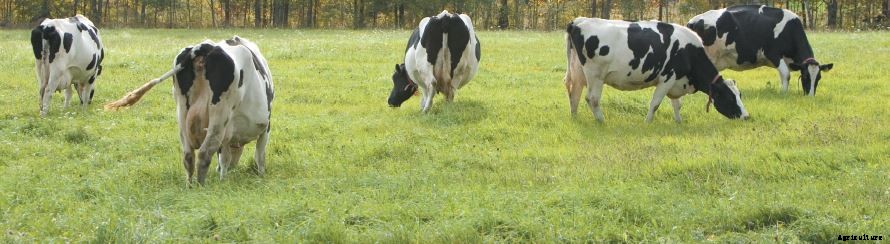
A BALANCED DIET FOR OPTIMUM MILK PRODUCTION : The type and quantity of feed dairy cow eat determines the quantity of milk they produce. Even a high -yielding dairy cow will not produce the optimum milk yield if it is not well fed.
Apparently, a good cow will bear one calf a year and produce milk for more than 284 days during the same year. To sustain this production level, proper feeding is required to meet the nutrients needs of the cow. Just like human being dairy cows requires a balance diet. Cows have a large stomach which should always be full (maize stalks and banana stems are good filler). Mature cattle need 80 kg per day of fodder including fresh food with high vitamin content. A variety of food makes the cows healthier and more productive.
Good balanced feed for cow must have at least must have equal parts from each of the following three sources: Protein, Energy and Minerals; they should be distributed as explained below:
ENERGY:
Cows obtain most of their energy from roughage (plant feed materials). They require energy for body maintenance, milk production, growth, weight gain and reproduction. Most of the milk is produced during the first 3 to 4 months of the lactation period. Therefore, the cow needs more energy at the beginning of lactation. Also the young animals need extra energy for growth and extra energy. The most popular fodder grasses include Napier (Elephant) grass, Guatemala grass, Giant Setaria, Guinea grass, Star grass, alfalfa and many others. For example, Napier grass can only feed animals at 6 to 8 weeks after planting as young Napier grass contains a lot of water and very little dry matter and so it will not sustain animals.
EXTRA ENERGY SOURCES:
Extra Energy Sources can be obtained from molasses, maize germ and wheat germ.
PROTEIN:
Protein is required to microorganisms in the rumen (stomach) to break down the roughage (Plant feed materials) into nutrients that the
animals can use. When protein is lacking in the diet, the results are poor growth, reduced milk production, loss of weight and late maturity. The available amount of protein depends on the plants: Legumes have a higher protein content than grass; younger and fresh plants have a higher protein content than older plants. Young green pasture or fodder also has a plenty of Vitamins.
PROTEIN SOURCES:
Leguminous fodder is a good protein source for all livestock. Examples are desmodium, Lucerne, white clover and bean straw. Good protein sources are the fodder trees like caliandra, sesbania, laucaena, mulberry, trichandra. Do not feed fresh causes milk to produce smell? Farmers should let it dry before feeding the animals. Other protein sources are sweet potato,vines, sunflowers and omena.
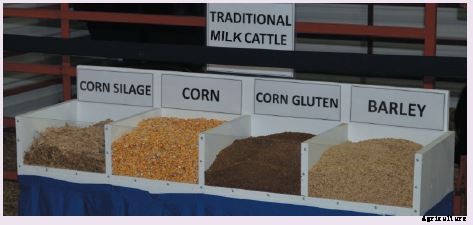
MINERALS:
Salts provide essential minerals like calcium (Ca) and Phosphorus (P) which are vital for livestock. During pregnancy a cow requires extra minerals to help the bones and other tissues of unborn calf deveop. A balanced mineral supplements either as powder like Farmers Superlick, Super dairy meal or blocks like Farm Block should be provided freely at all times.
Attention: ordinary table salt used in the kitchen is not appropriate for livestock as it does not have essential minerals that are much needed by animals.
But it should borne in mind that Dairy meal or concentrate feeds are normally high in nutrients concentration. They are not only expensive must be in the most beneficial ways possible but also dangerous if a farmer high level of concentrate and cutting back on low-cost forage. Forages such grass or hays must always remain main feed for all animals. Experienced farmers plant fodder trees and shrubs for more milk
and cash. 3kg of tree fodders and other legumes such as desmodium, or even sweet potato vines give roughly the same milk yield as 1 kg of dairy meal. Theerefore, farmers can save money by having to buy the small amount of expensive commercial protein and minerals supplements.


