
Welcome to Modern Agriculture!

Practised for more than 5000 years, Ayurveda (Indian traditional medicine) is a holistic healing system. Ayurveda emphasizes the use of vast herbal remedies. Phyllanthus niruri, also known as Bhumi amla, is a source of these herbal remedies.
Bhumi amla is botanically known as Phyllanthus niruri. It belongs to Phyllanthus, a genus of spurges, and to the Euphorbiaceae family.
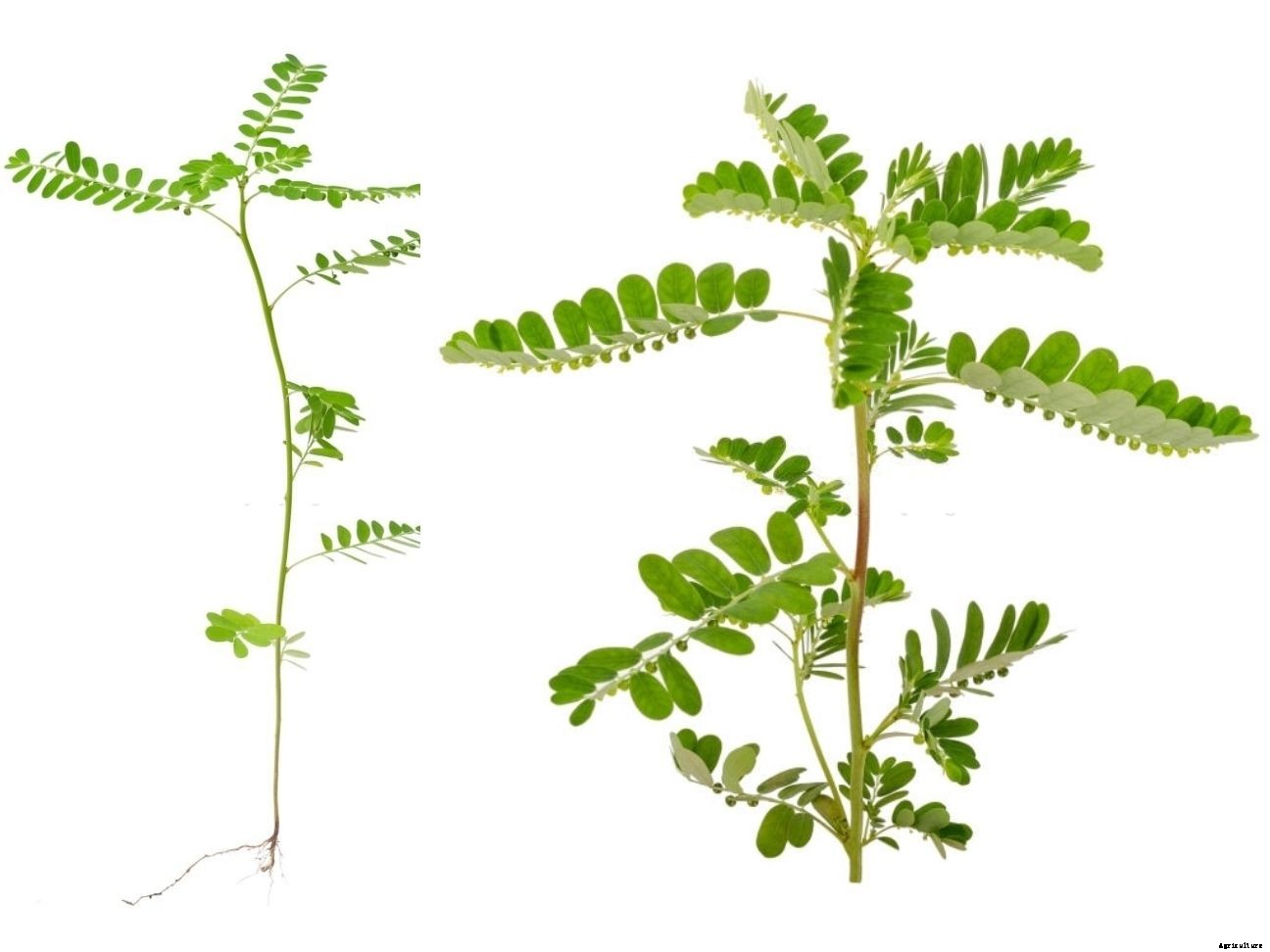
It is called Bhumi amla because of its small stature and its tendency of spreading its branches very low and parallel to the land (bhumi). it can be found abundantly mostly in the rainy season. In essence, it is a field weed, and its genus contains 600-700 species that differ only slightly in their characteristics.
Maharishi Charaka (Maharishi meaning : Hindu Sage; He is considered one of the major contributors to Ayurveda) categorized Phyllanthus niruri as follows (Sanskrit words):
Kasahara: alleviates cough,
Swasahara: relieves asthma,
mootrarogahara: cures urinary disorders,
Kaphapittahara: relieves the kaphapitta dosha,
Kaamalaahara: cures jaundice,
Bhava prakasa Nighantu: cures cough and blood disorders.
The maharishi (meaning : Hindu Sage), in his book titled “Charaka Samhita” (written in 1st century ce), described Phyllanthus niruri as being effective in treating asthma, stimulating the liver, improving digestion, increasing appetite and producing laxative effects.
The leaves of Phyllanthus niruri taste a little bitter and are utilized as an astringent. However, the “transformatory” or “reactionary effect” (Vipāka: medical term used in Ayurveda) is sweet in post digestion.
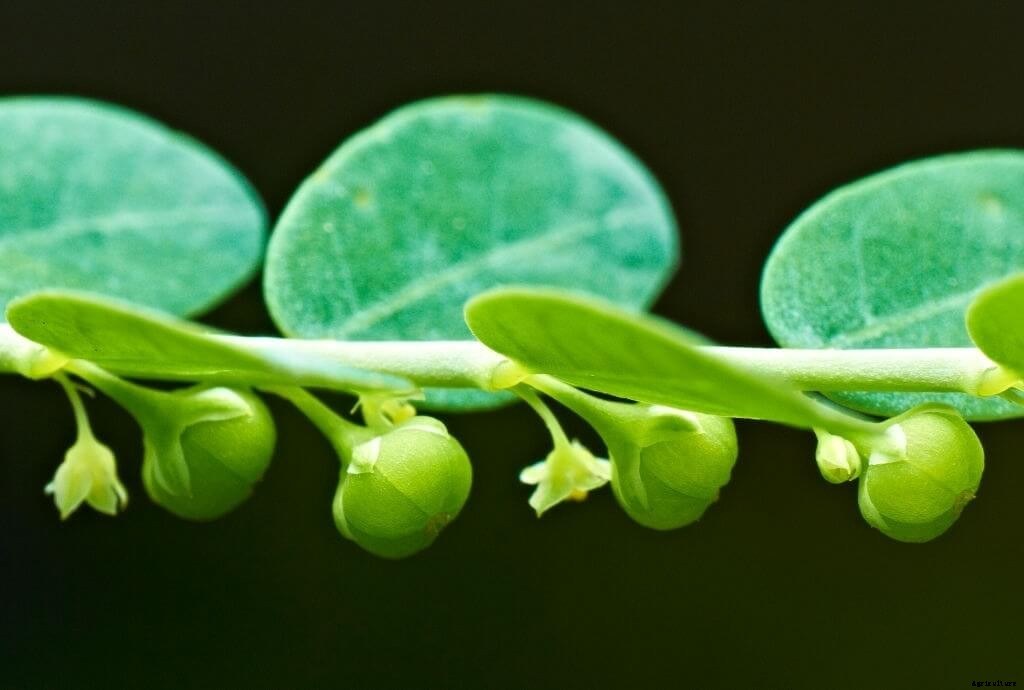
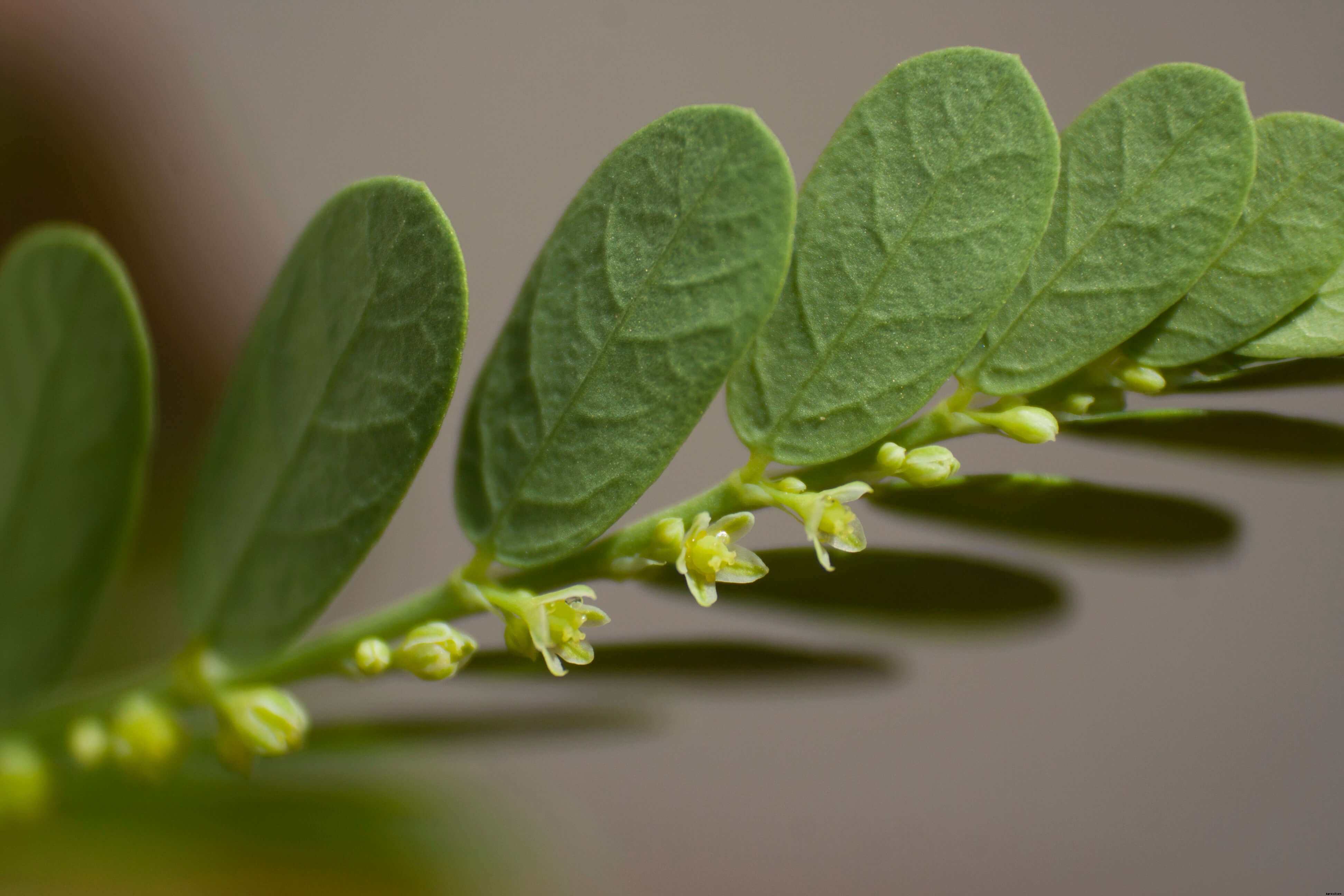
As far as phyllanthus niruri morphology is concerned, the plant grows between 50 and 70 cm tall. It has smooth bark that is light green in colour. It has tiny, smooth fruits that contain seeds. Its flowers are not particularly bright in colour (pale green in colour).
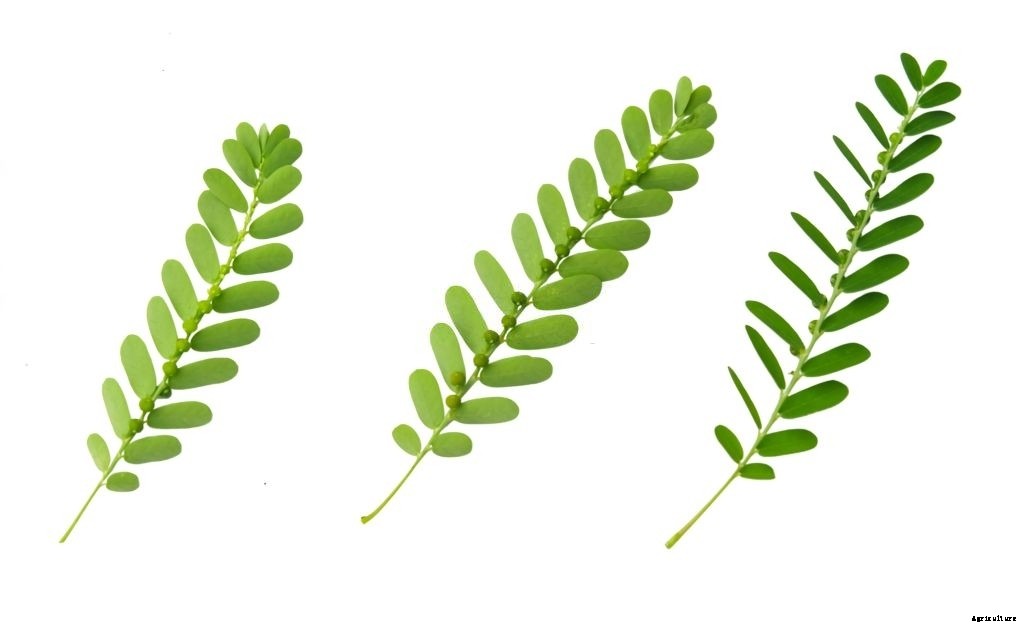
Some of the phyllanthus niruri common name are chanca piedra, bahupatra, seed-under-leaf, stone-breaker, gale of the wind, Shatterstone, carry me seed, Niruri, Phyllanthus, Dixie Leaf-flower, Surinam bitters.
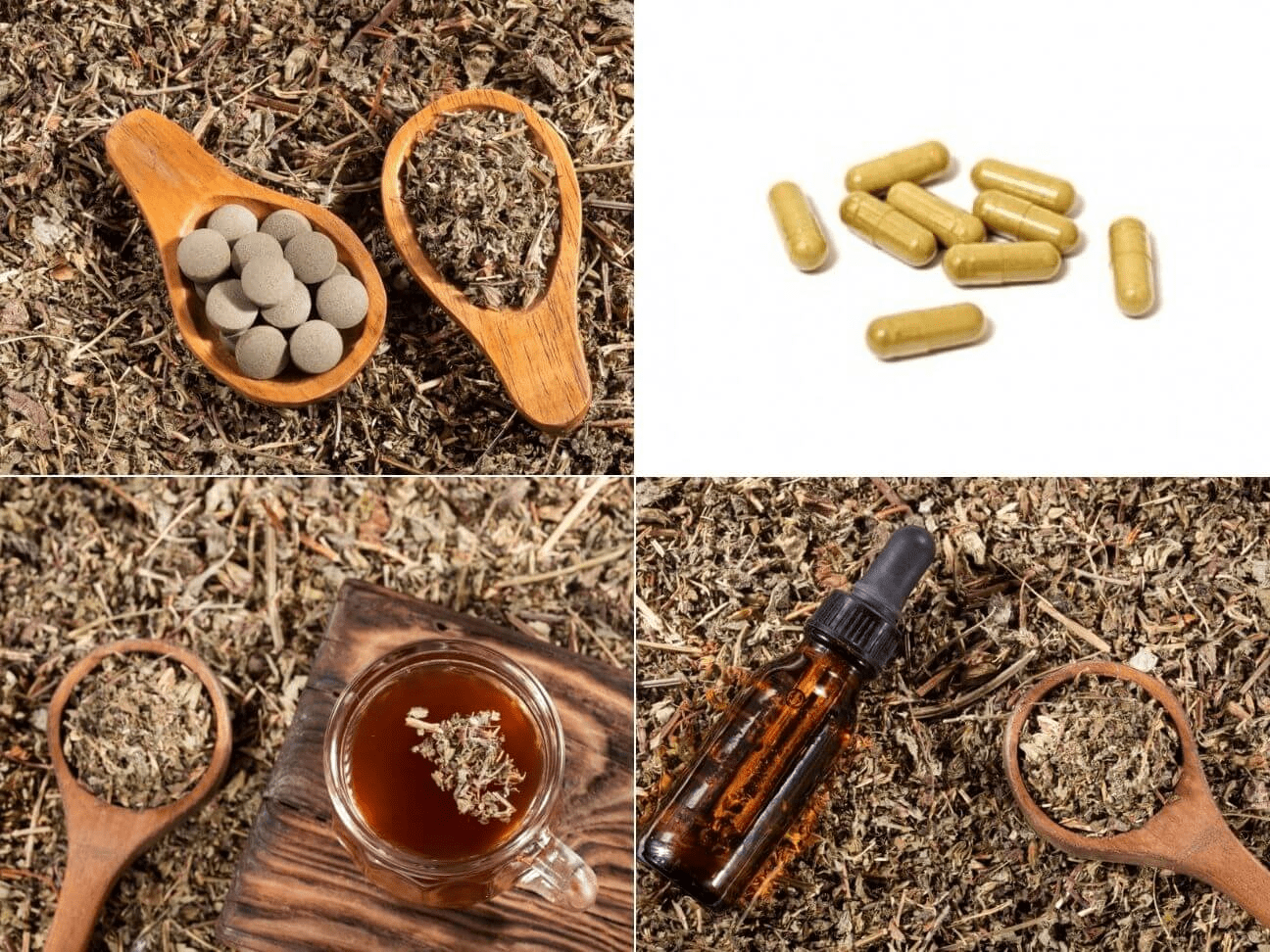
Phyllanthus niruri benefits were documented in ayurveda several centuries ago. Following are some of the ayurvedic phyllanthus niruri medicinal uses:
*None of the remedies mentioned above shall be administered without the proper consultation with a doctor. These remedies are age old ayurvedic remedies.
Bhumi Amla has diuretic properties and is alkaline in nature. In patients with hyperoxaluria, it reduces urine oxalate and increases magnesium and potassium excretion.
As a result of regular consumption of Bhumi Amla, urinary calculi can be reduced. Additionally, it is less expensive than the prescribed alternative, potassium citrate.
Some studies conducted in 2010 showed that Bhumi Amla was found to inhibit the formation of stones by loosening the ureters, which helped in the expulsion of the stones through urine. Furthermore, it helps the patients urinate more.
In a study, out of 56 participants with kidney stones who took Bhumi Amla daily for 4.5 grams, 2/3 of them showed a reduction in size and number of stones.
Vitamin C is found in abundance in Bhumi Amla. Vitamin C has the characteristic property of converting cholesterol in the liver into bile.
Bhumi Amla, when consumed in appropriate amounts, reduces cholesterol levels and the likelihood of gallstones. Although Bhumi Amla has been used for centuries to reduce gall stones, there is no scientific basis for its use.
It is found that Phyllanthus Niruri is adapted to a variety of soils, including alkaline, acidic, and natural soils. The plants also prefer calcareous soils with good drainage and a light texture.
Plants of the Phyllanthus Niruri are technically weeds and they thrive in tropical conditions. It is circum-tropical in nature. The plant, however, cannot survive in dry conditions or low temperatures, but waterlogging does not damage the plant.
Preparation of land for farming of Phyllanthus Niruri takes place between April and May. The soil is brought to a fine tilth by doing one deep cultivator and then 2-3 tillings. Beds of 30-40 cm size are enough for farming Bhumi amla.
*A must Read: Various types of soils
Seeds are used to propagate the plants. On one hectare of land, about 1 kg of seeds is sufficient for transplanting seedlings. Seeds are sown in nursery beds that are well prepared for raising seedlings. Seed rate of 400 grams per acre or 1000 grams per hectare is advisable for farming Phyllanthus Niruri.
During bed preparation, combine well decomposed farm yard manure with topsoil. Because the seeds are so small, they are mixed with dry soil or sand to ensure a uniform distribution of seeds on the nursery bed. The nursery bed is then covered with a thin layer of soil.
As long as the seeds have germinated, appropriate moisture is maintained in the beds.
Transplanting occurs at a horizontal and vertical spacing of 15 cm each for seedlings that are roughly 15-30 days old and about 10 cm tall.
The establishment of seedlings depends on appropriate irrigation immediately after transplanting. An improved yield of herbage is obtained by transplanting seedlings.
A climate temperature of 30 – 33 degree Celsius is good for sowing Phyllanthus Niruri seeds.
Regular hand weeding is required every month to keep the field free of weeds. Commercial herbicides should not be sprayed since they can degrade the crop and cause residual effects in the soil.
*A must Read: Herbicide resistance in weeds
Pesticides and chemical fertilizers shall not be used on medicinal plants. Depending on the species requirements, organic manures such as Farm Yard Manure (FYM @5-10tonnes), Vermi-Compost, Green Manure, etc. may be used. In order to prevent diseases, bio-pesticides can be prepared (either individually or in combination) from Neem (kernel, seeds, and leaves), Chitrakmool, Dhatura, or cow’s urine.
It is not necessary to fertilize the crop with N, P, and K. Pest control can be achieved by spraying Nuvacron @0.2%. Sulfex @0.25% can also be applied to the field to prevent the crop from diseases.
*A must Read : Complete guide to types of fertilizers
There may not be a need for irrigation on lands where it rains frequently during the rainy season. Nonetheless, one irrigation every two weeks is required in areas where there is barely any rainfall. However, the plant is not affected by waterlogging.
Rainfall of 25-30 cm is recommended for Phyllanthus Niruri farming.
Harvest takes place when the rainy season is over and the plants are green and herbaceous. As the active constituents of Phyllanthus Niruri are concentrated more in the leaves, a higher leaf mass is needed for extraction. Harvesting is most suitable during September, when plants contain the most leaves.
A climate temperature of 20-23 degree Celsius is good for harvesting of Phyllanthus Niruri.
Phyllanthus Niruri aka bhumi amla is a weed. As suggested by one of its many names, “gale of the wind“, its seeds propagate in the wind. It is likely that you have this plant in your garden already and you have not noticed it uptill now.
One can buy its seedlings from a local nursery or can even grow it directly by using its seeds in a garden or flowerpot.
No special care except for regular watering is needed to grow Phyllanthus Niruri in your home garden. The plant will mature in about 3-4 months.
*A Must read : Different types Mushroom farming
Phyllanthus niruri in Assamese : Holpholi, Poram-lokhi
Phyllanthus niruri in Bengali : Noar, Hazarmani
Phyllanthus niruri in Hindi : Chalmeri, Harfarauri, Bhuiaonla, Jangli amlai, Jangli amla
Phyllanthus niruri in Kannada : Kirunelli, Nela Nelli, Kempukiranelli
Phyllanthus niruri in Konkani : Bhuin-avalae
Phyllanthus niruri in Telugu : Ratsavusirike, Nela Usiri, Ettausirika, Nela Usirikaya
Phyllanthus niruri in Tamil : Arunelli, Keela Nelli, Shivappunelli
Phyllanthus niruri in Malayalam : Arinelli,Kizhanelli,Nellipuli, Chukannakizhanelli
Phyllanthus niruri in Marathi : Rayavali, Bhuiavli
Phyllanthus niruri in Odia : Narakoli, Badi aonla
Phyllanthus niruri in Sanskrit : Amala, Bhumyamlaki, Sukshmadala, Vitunika, Bhoodatri
Phyllanthus niruri in Manipuri : Chakpa-heikru
Phyllanthus niruri in Nepali : Bhui awala, Kanthad
Phyllanthus niruri in Gujarati : Bhoen awali


