
Welcome to Modern Agriculture!

Introduction on how to start organic farming in Tamil Nadu: Organic farming is defined as the farming method that involves growing and nurturing crops without the use of synthetic-based fertilizers and pesticides. In other words, it is a technique that involves cultivating plants and raising animals in natural methods. Also, genetically modified organisms are not allowed. It relies on environmentally balanced agricultural principles such as crop rotation, green manure, organic waste, control of biological pests, the addition of minerals and rocks.
In particular, organic farming includes;
Organic agriculture is a unique production system that promotes and enhances the health of the agroecosystem. Due to the factors, there is a huge potential for producing all types of organic products. It is a system that avoids or eliminates the use of artificial inputs (such as fertilizers, pesticides, hormones, and feed additives, etc.) and maximizes crop rotations, crop residues, relies on non-farm. List of common characteristics of successful organic farmers;
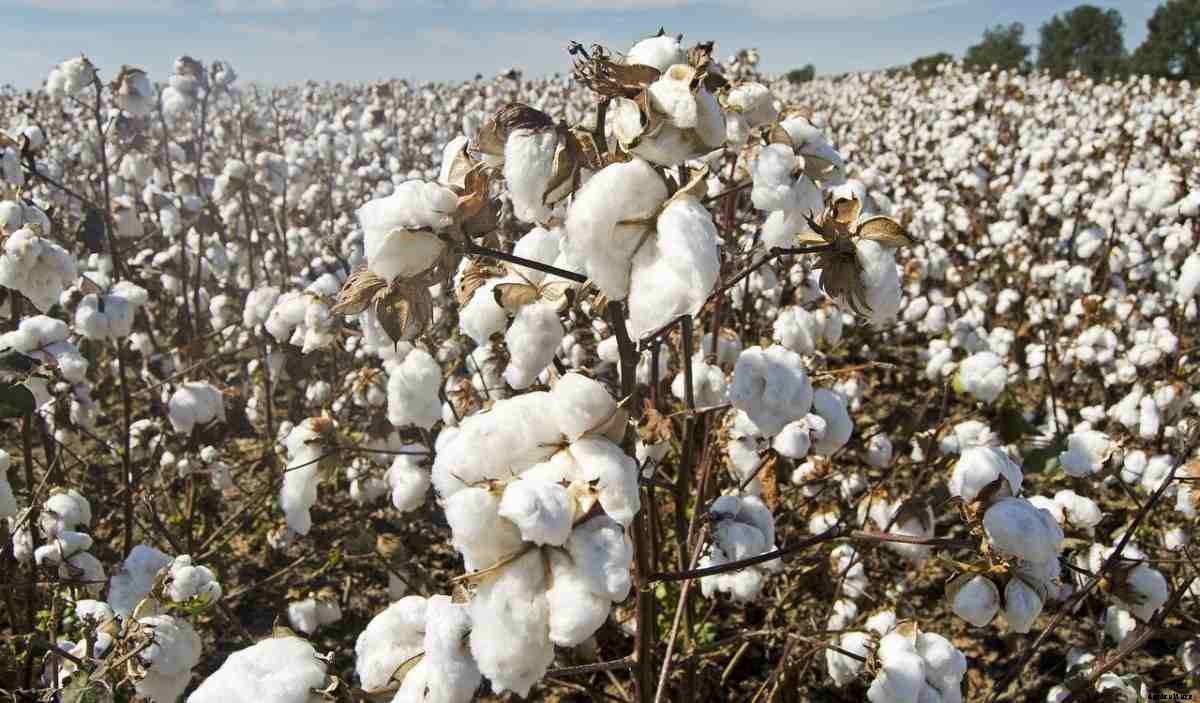
The Erode district of Tamil Nadu was purposively selected as it is part of the 65% organic turmeric and cotton growing area of Tamil Nadu. In the second phase, the Anthiyur block was purposively selected because it occupied 76% of the organic turmeric and cotton area in the Erode district. The total area under organic turmeric and cotton identified in Anthiur block are the villages cultivating more than 75%. In Tamil Nadu, the identified villages were Poiyankuttai, Adireddiyur, Perumapalayam, Pudukadu, and Esaparai. Then, two villages namely Poyankotai and Padukado were randomly selected from the identified villages.
Focus on restoring soil health through organic farming and promote composting through vermicomposting, green manure, etc. Since soil is the heart of organic farming systems, newcomers need to understand the different characteristics and limitations of the soil found on their farms. Good fertility levels, good drainage, and organic matter, proper pH, biological health, high legume content, and pest pressure fields are excellent assets. Often these fields are prepared in advance for transition and certification.
In case if you miss this: How To Start Vertical Farming In India.
As the population grows, our compulsion will not only be to stabilize agricultural production but also to increase it sustainably. Scientists have found that the green revolution has reached a plateau with the highest input usage and is now sustained with a declining return on falling profits. Thus, for life and property to exist, the natural balance needs to be maintained at all costs. The clear choice for this will be more relevant in the current era when these agrochemicals that are produced from fossil fuels are not renewable and are declining in availability. It can also cost us a lot of money in the future.
Key features of organic farming include;
1. Firstly, organic farming protecting long-term soil fertility by maintaining organic matter levels, and careful mechanical intervention.
2. Indirectly using relatively insoluble nutrient sources Provide crop nutrients that are available to the plant by the action of soil micro-organisms.
3. Self-sufficiency of nitrogen through the use of fruits and biological nitrogen, as well as efficient recycling of organic matter including crop residues and livestock fertilizers.
4. Weed, disease, and pest control depend mainly on crop rotations, organic managing, resistant plant varieties, and limited thermal, biological and chemical intervention.
5. Paying full regard to their evolutionary adaptations, and animal welfare issues for nutrition, housing, health, breeding, and rearing.
6. Also, careful attention to the impact of the organic system on the wider environment.
Organic seed production
One of the important inputs required for organic farming is good-quality organic seeds. Currently, only chemically grown and treated seeds are available to farmers. Through, it is proposed to develop organic seeds involving farmers so that farmers have access to good quality organic seeds.
In Tamil Nadu, organic seeds were produced on 175.38 acres in Ramanathapuram, Kancheepuram, Dindigul, and Nagapattinam districts. Certified organic seeds and truthfully labeled seeds (TFL) were developed in Tamil Nadu under this component of organic seed production. Inputs like quality breeder seeds, groundnut, black gram, and sesame, some organic inputs such as green manure seeds, neem cake, bio-fertilizers, and vermicomposting were distributed among the beneficiaries.
Conversion to the organic system by providing input support and crop loan
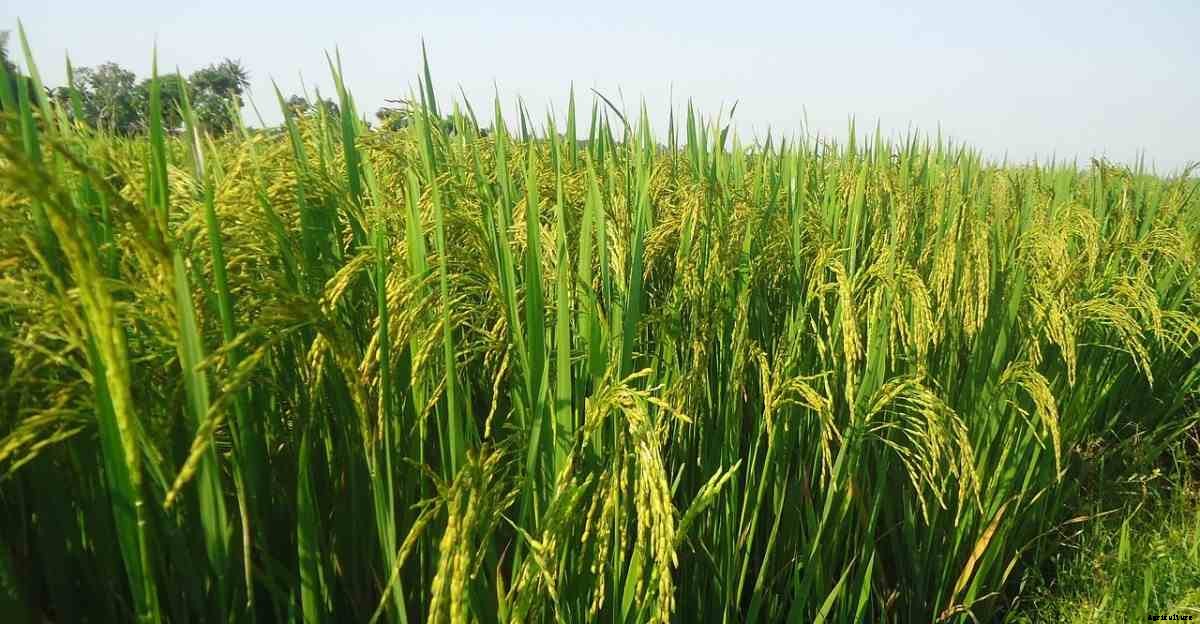
During the transition period for organic farmers, conversions require assistance in the form of standard inputs and crop loans. Inputs such as neem cake, bio-fertilizers, vermicomposting and mechanical traps were distributed. Paddy, Groundnut, Chilli, Tomato, Sesame, Pulses, Cereals, and Cotton, etc., have been cultivated under these schemes.
Use of bio-fertilizers in Tamil Nadu
Tamil Nadu is the leading state in the use of bio-fertilizers, an organic alternative to chemical fertilizers. Tamil Nadu produces more than 14,000 bio-fertilizers a year by the National Center for Organic Farming. The production of bio-fertilizers can be safely equated with consumption as the state produces only what it eats and that is why the state is at the forefront of the country. Most of the state’s production comes from eight state-owned facilities across the state. Farmers use these bio-fertilizers or bio-inoculants as a substitute to NPK (nitrogen phosphorus potash) fertilizers and use many crops to increase yields.
Organic crops cultivated in Tamil Nadu
Coconut, Cashew, Coffee, Tea, Rubber, Areca nut, Bamboo, and Cocoa are the major plantation crops cultivated in Tamil Nadu.
How about this: How To Make Compost At Home.
Organic vegetable growing districts – The state government plans to encourage farmers to grow vegetables through organic farming. Depending on the crop, incentives ranging from 2,500 per hectare to 5,000 per hectare will be given. 60,000 farmers will benefit. An amount of Rs 15 crore has been allocated and a government order is expected to be issued soon, according to a state agriculture department. It aims to promote the organic cultivation of vegetables such as Greens, Eggplant, Cabbage, Lady’s Finger, and Cabbage. In terms of area, the target this year is to get about 76,000 acres or 30,850 hectares, while the target is one lakh acres (about 40,470 hectares).
Currently, according to one estimate, the total area under organic farming in Tamil Nadu is approximately 65,610 acres (approximately 26,650 hectares).
The five largest organic vegetable growing districts in Tamil Nadu include Nilgiris (1,287 hectares), Coimbatore (77 hectares), Dindigul (55 hectares), Namakkal (49 hectares), Tiruppur (47 hectares).
Major organic vegetable growing Districts in Tamil Nadu are;
1 Nilgiris
2 Coimbatore
3 Dindigul
4 Namakkal
5 Tiruppur
6 Dharmapuri
7 Villupuram
8 Madurai
9 Vellore
10 Kancheepuram
In Tamil Nadu, organic farming demonstration fields were set up in 24 acres of land in Kancheepuram, Dindigul, and Nagapattinam, and Ramanathapuram districts. It aims to bring a variety of organic farming techniques to a wide range of farmers in and around the beneficial villages. Demonstrate various organic farming technologies such as preparation and application of plant growth regulators, use of pheromone traps and mechanical traps for pest control, preparation of vermicomposting and compost, cultivation of Azolla, and use of cow urine, irrigation use of farm ponds, etc., were done.
Fertilizer is a critical input for crop production and productivity. On average, Tamil Nadu uses 23 Lakh Metric Tonnes of chemical fertilizers every year. In addition, the Department of Agriculture is encouraging farmers to use bio-fertilizers and organic fertilizers to maintain soil health and reduce reliance on chemical fertilizers. Department of Chemicals and Fertilisers, Government of India is conducting biennial agricultural input conferences for the Kharif and Rabi seasons, separately before the start of the crop season to ensure adequate fertilizer availability to farmers.
The Department of Fertilizers approves the fertilizer assessment for each season in Tamil Nadu and distributes the fertilizer to the state every month. Organic matter is essential for soil fertility. It maintains good soil physical conditions (such as soil structure, aeration, and water holding capacity). It also contains large amounts of nitrogen (N) in soil deposits and large amounts of other nutrients such as phosphorus (P) and sulfur (S). Manure is plant and animal waste that is used as a source of plant nutrients. They release nutrients after their digestion. Manure is organic material obtained from the residues of animals, humans, and plants, in which the nutrients of plants are composed of complex organic forms.
In organic farming systems, nutrient supplies to plants, management of biologically relevant processes such as nitrogen (N) fixation by clover and other legumes, and limited use of off-farm materials.
One of the major challenges facing organic farmers is nutrition management. The problem in the short term is to provide the crop with the right nutrients at the right place to grow so that economically viable yields can be achieved. The challenge is to maintain a nutrient balance to avoid nutrient rundown or environmental pollution.
Nutrient management on organic farms should meet the nutritional needs of the crop economically and avoid soil nutrient deficiencies while maintaining or improving soil production without much loss of nutrients. The availability of soil nutrients depends on the different soil chemical, physical and biological properties, their interaction, and their interaction with the crop system. Although many characteristics of soil can be measured, crop performance is the best indicator of soil productivity. Organic fertilizers have gained more attention in our crop system.
The components of the nutrition management system are as follows;
1. Biodynamic farming
2. Bio-fertilizer technology
3. Composting
4. Vermicomposting
5. Coir compost
6. Panchakavya
7. Dasakavya
8. Effective microorganisms
Organic fertilizer testing laboratories in Tamil Nadu are;
Tamil Nadu government has established 14 Fertilizer Control Laboratories, 12 Pesticide Testing Laboratories, 3 Pesticide Testing cum Coding centers, and One Central Control Laboratory to ensure the quality of fertilizers and pesticides.
Moreover, the quality of organic manures such as Vermicompost, City Compost is ensured by two Organic Fertilizer Testing Laboratories at Tiruchirapalli and Coimbatore. The Biofertilizers quality is ensured at Biofertilizers quality control laboratory functioning at Tiruchirapalli.
Department of Sustainable Organic Agriculture, Tamil Nadu Agricultural University (TNAU), said that it would be more than sufficient if the government fully implemented the existing organic farming policy. The policy was presented to the government five years ago. It was formed with the help of departments such as horticulture, planting and crops, agriculture, animal husbandry, and the university. But it has not been implemented yet. There are many positive aspects to this policy and it will be easier for the government to implement it after making a major announcement regarding organic farming.
In Tamil Nadu, about 5,000 individual farmers – mostly small and backward farmers are engaged in organic farming. Only a few of them have organic certification. There are about 32 certification agencies in the state.
The State Organic Certification Agency charges very low fees as compared to private certification agencies, Tamil Nadu Organic Certification Department (TNOCD).
The three categories in this certification are small farmers, big farmers, and groups. Farmers who own less than 5 acres of land are small farmers and they need to pay a fee of Rs 2,700 per annum for certification. Owning more than 5 acres, they are large farmers and need to pay 3,200. Farmers also have to pay for their accommodation and travel etc. before submitting their certificates. To alleviate their fears, the government may consider subsidizing them.
Organic farms that do not use artificial fertilizers, pesticides, plant growth regulators, and livestock feed additives, and genetically modified organisms are registered under organic certification. The Department of Seed Certification and Organic Certification is working with the following wings to ensure the supply of quality seeds for the benefit of farmers and to encourage organic farming.
1. Seed Certification – This department has achieved targeted production of certified seeds in paddy and millet. There is a need to increase the production of certified seeds in pulses and oilseeds.
2. Seed Quality Control – High-quality seeds are essential for good crop production (and therefore good profits) and reduce the likelihood of crop failure. In contrast, seeds from unknown sources can lead to poor stand establishment, unsatisfactory field performance, and low yields.
3. Seed testing – Seed quality describes the potential performance of the seed, the trueness to variety, germination capacity, vigor and root free, other crop seed, weed, and disease incidence. Seed testing is an inevitable tool to determine if seeds meet quality standards, thus access their suitability for planting and reducing the risks of planting low-quality seeds. Also, it helps determine the need for drying and processing and the specific procedure that should be used.
4. Organic Certification – Organic certification is a certification process that involves registration, inspection, evaluation, and even issuance of certificates to producers, processors, and traders/handlers by the principles of NPOP. The farm is based on a design and management system that creates an ecosystem that has sustainable productivity without the use of artificial external inputs, including chemicals. It includes a set of production standards for the cultivation, processing, storage, packaging, and transportation of crops for which a written assurance is given by a certification body.
Tamil Nadu Organic Certification Department has issued scope certificates to 1,549 farmers under the National Program on Organic Production (NPOP) standards. In addition, transaction certificates worth Rs 95.68 lakh have been issued by the Tamil Nadu Organic Certification Department for the production volume of 224 metric tonnes. Also, organic products increase the selling price by about 20% in the domestic market. Organic processing certificates have been issued for the production of virgin coconut oil. Organic trade certificates have also been issued for the marketing of advanced organic products.
Organic farming is a system that maintains the soil, the ecosystem, and the health of the people. Some pest management practices are;
Cultural practices – They can be obtained by methods such as crop isolation, mixed cropping, and crop rotation. Sowing and planting time can be used to establish young plants at a tolerable stage before an attack occurs and to reduce the susceptibility period to attack.
Mechanical and physical control – Mechanical and physical control practices are tillage, cutting, mowing, mulching, and organic soil coverage. The crop rotates between crops to include crop residues and soil amendments. It also destroys weeds and disrupts the life cycle of pests.
Biological control – Biological control in the protection of organic plants is a way of controlling pests and diseases using other animals that rely on predators, parasitism, and herbivory, or the management of active farmers on some other natural mechanism. In organic farming, biological agents can be imported to places where they are not found naturally, or farmers can release additional enemies of nature, which can increase the naturally occurring population.
Chemical Control – Farmers avoid the use of broad-spectrum synthetic pesticides, which affect natural controls and promote the presence of secondary pests. Some synthetic substances are also allowed in organic farming, such as fixed copper (copper hydroxide, copper oxide, copper oxychloride, and copper sulfate), hydrated lime, hydrogen peroxide, lime sulfur, and potassium bicarbonate. There are several measures available to reduce pest attack includes crop rotation, variety selection, floating row covers, catch crops, and flamers, the introduction of beneficial insects, biopesticides, and inorganic pesticides. When considering a new type of product, discuss pest issues with your agronomists, IPM experts, and/or other existing organic producers so you can improve your chances of success.
The availability of organic supplies has improved significantly in the last few years. New pest control products including Bt, Spinosad, Kaolin clay are effective to organic farmers By monitoring the weed population, farmers will be able to improve their crop rotation and their control measures.
To make organic farming successful in the state, the government must work on three fronts – subsidizing inputs, providing incentives to farmers who develop organic inputs on their own, and creating marketing networks. In addition, the government can provide seeds, bio-input materials, etc., which are available in large numbers at TNAU. They can be distributed not only to organic farmers but also to conventional farmers. Once you see the results of using the latter organic inputs, in the long run, they too may turn to natural farming.
Special schemes should be devised to restore soil fertility in Tamil Nadu as high organic matter soils can facilitate the recharge of groundwater. Also, this type of soil requires less water for cultivation.
Paramparagat Krishi Vikas Yojana (PKVY) – The government is implementing several schemes to promote the use of organic inputs in agriculture, such as the Organic Certification Center, and promotions of Organic Farming under Participatory Guarantee System (PGS) certification under PKVY.
Organic farming is promoted by the adoption of Organic Village by Cluster Approach and Certification Partnership Guarantee System (PGS) under PKVY. This is a three-year continuous program. So far, Rs. 7.60 crore has been spent to bring 1020 hectares under organic farming. In addition, an area of 220 hectares is being added under organic farming for Rs. 1.60 crore.
Participatory Guarantee Systems (PGS) certified organic products such as millets and pulses such as PKVY clusters are marketed under the brand name of Tamil Nadu Organic Production (TAP). Under PKVY, clusters have different sub-components such as mobilizing farmers, capacity building, purchase of organic inputs, organic input production units, certification charges, residue analysis, packaging, labeling, branding of cluster organic products, and farmer producer companies. / Formation of Value Addition Infrastructure through Farmers Producers Organization.
Pradhan Mantri Fasal Bima Yojana (PMFBY) – Tamil Nadu is one of the leading states in India in implementing the Pradhan Mantri Fasal Bima Yojana (PMFBY).
NMSA – National Mission for Sustainable Agriculture (NMSA) Promoting Organic Farming. The scheme aims to promote organic farming through a cluster approach under the Certification of Participatory Guarantee System (PGS).
Key issues emerging in organic farming include low yields, increased soil fertility, and livestock integration, certification constraints, environmental factors, producer marketing, and policy support. It has been argued that organic farming is productive and sustainable, but that increasing scientific production requires strong support in the form of government subsidies, agricultural extension services, and research. However, organic farming has overcome many challenges, including;


