
Welcome to Modern Agriculture!

Introduction to Farming/Agriculture Tips for Farmers and Beginners: Food is a basic requirement for every living being and we depend on plants and animals for food. People began the cultivation of food in a small area and used certain procedures for their management and improvement. This art of crop cultivation is called agriculture. There are certain parameters to be considered in Agriculture such as the type of crop, properties of soil, climate, etc. Farmers decide which crop is to be cultivated at what time of the year and place depending upon all these parameters. It needs a set of procedures that needed to be followed. Though, the systems which are followed to cultivate crops are called agricultural practices. In this topic we also covered the below topics;
Agriculture is the art and science of cultivating different crops and raising livestock. The agriculture sector is one of the most important fields in India. Without the agriculture sector, we can’t imagine the world. It is important to know the importance of agriculture practices in India. Farmers are the backbone of the agricultural industry in the world.
Farmers can produce a different variety of foods, using different types of Farming techniques. But this Farming technique depends upon various aspects such as types of soil, weather conditions, and available resources, etc. Also, it contributes a significant figure to the Gross Domestic Product (GDP).
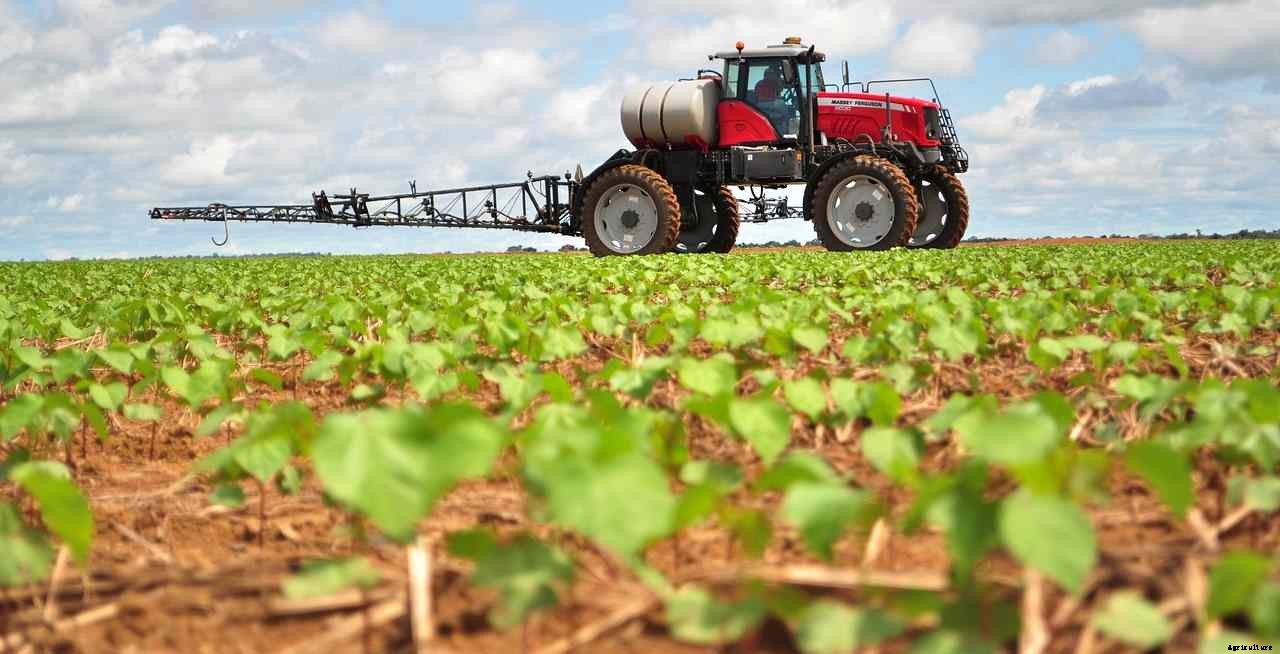
Agricultural Backbone: Generally, agriculture plays an important role in the economy of developing countries and provides the main source of food, income, and employment. Though, improvements in agriculture and land use are fundamental to achieving food security, poverty alleviation, and overall sustainable development.
Farmers hold the backbone of the agricultural system for its development. The agriculture sector is defined as crops being grown and harvested, so this is where farmers come in. They help the agricultural sector development, which not only feeds the local people but also gives the advantage to the economy by exporting the given goods to foreign countries.
For exporting, good quality material will be important which would be possible when the farmers have been careful and considerate about the factor influencing the crops. By exporting the goods to other countries, the economy of the state grows, which can be further spent toward the state’s development.
A farmer performs different steps from crop selection to harvesting;
Different types of crops need different soil types, nutrients, and water. Also, the amount of water required by the plant is dependent on the growing season and the climate where it is grown. Proper crop selection is the main factor in successful crop farming. Some important crop selection factors are;
For growing crops, the soil in which it is to be grown is prepared by ploughing, levelling, and manuring. Ploughing is the way of loosening and digging of soil and this helps in proper soil aeration. The soil is distributed evenly and levelled in the process known as levelling. The soil is then manured. Soil texture, compaction, cation exchange capacity, and organic matter content are just a few of the variables that can impact crop growth. Planting crops that are well-suited to your soil characteristics gives you a better chance of success in agriculture. Growers can have an impact on soil characteristics through some cultivation practices, by adding amendments, using certain planting methods, or employing methods to alter factors such as soil temperature, moisture retention, or compaction. Though, working with a soil that already meets most of a given crop’s needs increases the chances of success.
Crop Rotation – Organic farming relies on good, natural soil health so crop rotation is a big part of the farming process. Though, it is important to reduce pressure from insects, weeds, while supplementing nutrients in the soil. These trap crops that are planted between the main crops will keep the soil rich and help avoid erosion.
Seed selection is very important for crop growth. A seed must be good so it will grow into a plant otherwise we will not get the result and we must select good and healthy seeds. Characteristics of good quality seed are;
The selection of seeds of good quality crop strains is the main stage of sowing. After the soil preparation, these seeds are dispersed in the field and this is known as sowing. Seed sowing can be done manually, by hand, or by using seed drilling machines. Some crops like paddy are first grown into seedlings in a small region and then transplanted to the main field. Good quality seeds are out of reach of the majority of farmers because of the exorbitant prices of better seeds.
Any sustainable agricultural practice needs a good level of irrigation at regular intervals. The modern method to begin it is the drip irrigation system. Also, this helps you in saving water by not wasting oodles of extra amount or losing it all quickly due to the heat. As it can be machine-controlled, the supervision becomes easier.
Irrigation meaning is the supply of water. Sources of water can be wells, ponds, lakes, canals, and dams, etc. Over irrigation can lead to waterlogging and damage the crop. Then, this is frequency and interval between successive irrigation need to be controlled.
Drainage systems in any farm decide the compatibility of the soil with daily water consumption. If you aren’t managing your drainage systems regularly, and the results won’t be quite as promising. You can end up losing your crops via overwatering in a particular area or drying out a particular section of your field. Therefore, drainage management daily helps you maintain balance.
Organic methods will help promote healthy crop growth and some examples of organic methods include composting, mulching, and using bio-fertilizers. Vermicomposting is also another excellent method of introducing important nutrients into the soil naturally. The different types of fertilizers are – Inorganic fertilizer- Nitrogen fertilizer, Phosphorus fertilizer. Organic fertilizers are agricultural waste, livestock manure, and municipal sludge.
Crops need nutrients to grow and produce yield. Therefore, the supply of nutrients at regular intervals is necessary. Manuring is the step where nutritional supplements are provided and these supplements can be natural (manure) or chemical compounds (fertilizers). Also, manure is the decomposition product of plant and animal wastes. Fertilizers are chemical compounds consisting of plant nutrients and are farmed commercially. Apart from providing essential nutrients to crop, manure replenishes soil fertility as well. Other main approaches for soil replenishment are vermicomposting, crop rotation, and planting leguminous plants.
Generally, weeds are unwanted plants that grow among crops. They are removed by using weedicides, by manually pulling them with hands and some weeds are removed during soil preparation. It can be a stumbling block to producing crops. Weeds can reduce your crop yields and consume resources intended for crops. For controlling weeds there are many options in organic farming like manual weeding (hand removal, pulling, and cutting), mowing, mechanical cultivation, and thermal control (flaming).
Major plant pests and diseases are viruses, bacteria, fungi, and insects greatly impair their productivity. Crops can be protected from several pests and diseases by using pesticides and biocontrol agents. The cultivated grains should be stored safely to avoid product loss. Some important mechanical and physical control methods are tillage, mowing, cutting, and mulching.
Crop diseases arise due to the right combination of the pathogen, host, and environmental conditions. Selecting crops and varieties that are resistant to known disease issues, along with having a good crop rotation plan to break disease cycles, can help to minimize soil-borne pathogens. Selecting disease resistance crops is important. Properly identifying crop diseases will not only help with disease control for the current crop but also with ongoing crop planning.
Different ways to control insects and diseases in crops are;
Once the crop is matured, it is cut and gathered carefully, this process is called harvesting. Followed by harvesting, grains are separated from the chaff either by using threshing, or manually on a small scale (winnowing). For harvest procedures the subsequent points are important by selecting the correct harvest time refers to the ripeness and maturity of the produce. Optimal harvest times are early morning hours or the evening when temperature levels are lower. Harvesting of delicate and high-value produce is best done manually.
In case if you miss this: Fish Farming In Canada.
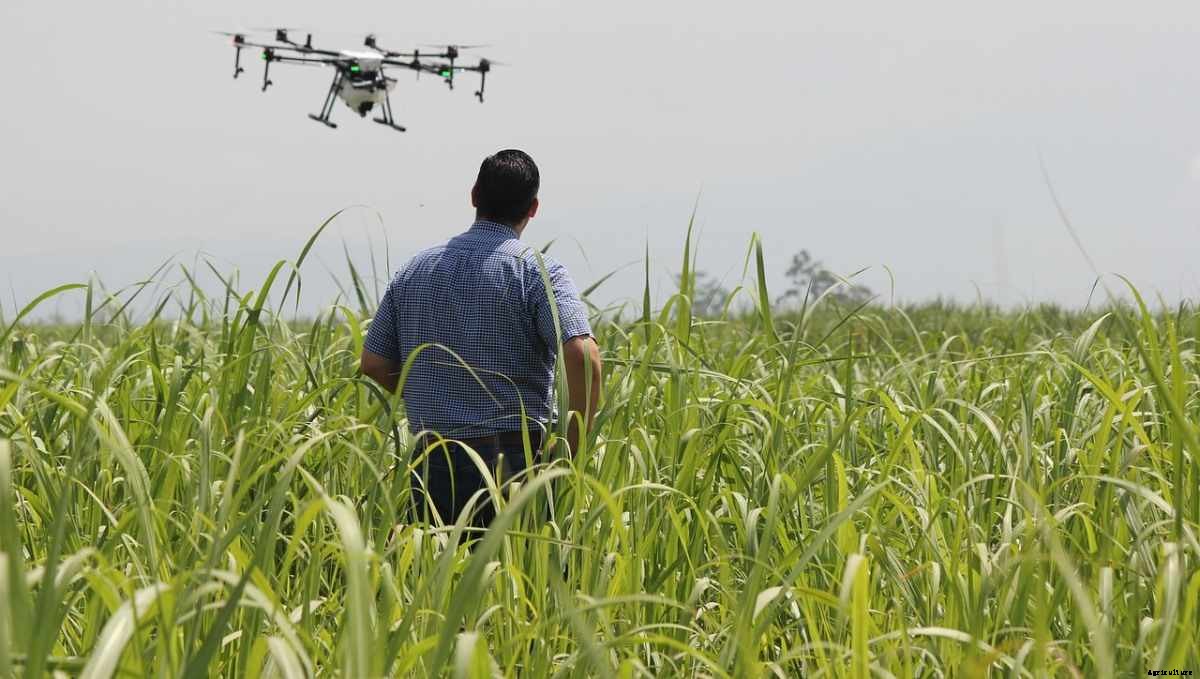
The main agriculture practices can be given below;
1. Primitive Subsistence farming – In this farming, farmers can produce food for their own needs and not for sale.
2. Commercial agriculture – The commercial farming technique aims to perform the plantation and livestock for selling in the commercial market. A large number of the area is required for commercial farming.
3. Livestock Ranching/Pastoral Farming – Livestock ranching focuses on rearing different types of animals. Unlike nomadic herding, farmers do not move from one place to another place in search of pasture and water but live in settlements. Pasture lands are mainly developed for grazing the animals. Many regions across the globe with large pieces of land with enough grazing areas for animals practice this type of agriculture for commercial reasons.
4. Dry farming – Dry farming is also called Dryland Farming. It consumes the maximum amount of water in the soil and without an extra water supply. The soil moisture is low in dryland farming.
5. Wet farming – Wet farming is defined its-self as it almost depends on rainfall.
6. Shifting agriculture – Shifting agriculture is also called Shifting Cultivation in which farming can be done in a plot of land for a temporary period after that it would be abandoned. In shifting agriculture the crops like maize, millets, cotton, and rice, etc., are cultivated.
7. Plantation agriculture – Plantation agriculture is a single crop farming that is formed on the land for at least one year. It is also known as commercial farming because the crop is mostly used in factories or small-scale farming industries.
8. Intensive agriculture – Intensive farming is also known as Intensive agriculture in this high quantity of fertilizers, labor, and pesticides are used on the land for farming. But, it creates a large number of pollution and damages the environment as compared to organic farming methods.
9. Mixed and Multiple Agriculture – Mixed cropping is also called inter-cropping. In this type of system, the farmers are growing different types of crops but more than once in the same land together.
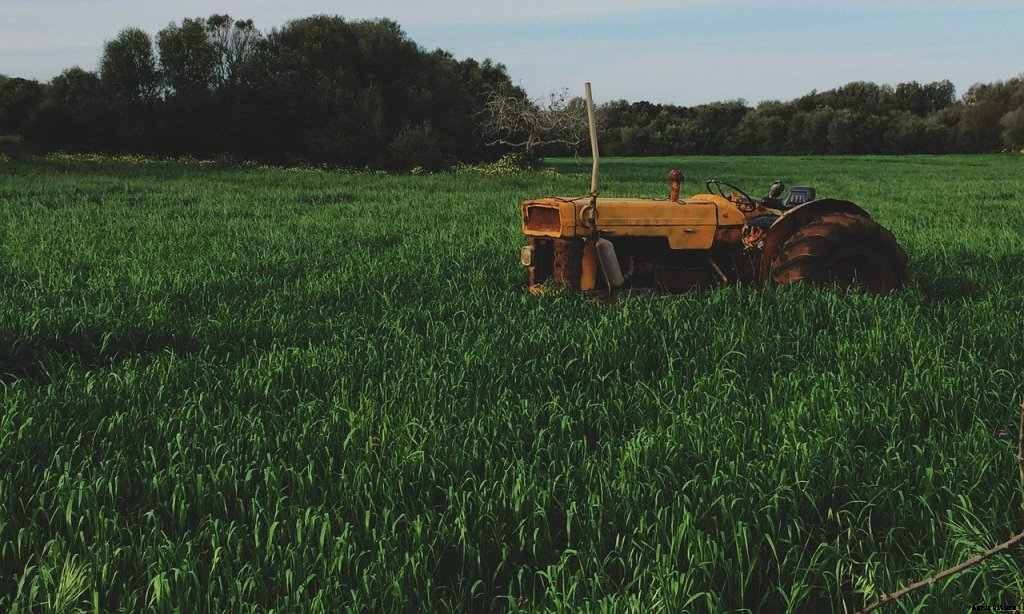
Some important steps that can be taken by the farmers to make agriculture successful are;
Agricultural business is incomplete without using the correct machinery. You do not have to buy machinery along with the first offer they come to you with. Scouting the market for better deals is always a smarter method to purchase. Whether you’re venturing into small-scale farming, large-scale farming, livestock farming, you want the right investments before starting and this is where most new farmers fail.
Choosing the right time to plant is the most important part of the planting procedure. The best strategy to use to increase yields is if your soil is ready and then starts planting. There are some tests you can perform on your soil to see if it is ready for planting. Hybrid seeds create a more sustainable product, early planting is important.
Cropping patterns based on climate conditions and land capability are sustainable but market forces and farmers’ aspirations are forcing unsustainable systems. Farmers should innovate in producing more even from less endowed areas by adopting suitable technologies to cope with changing climate.
Usually, there are so many types of farming and agribusiness one can venture into. But your priority or niche must be defined beforehand during your planning. It doesn’t matter if you want to get into livestock farming, raise cattle, grow organic vegetables, produce fresh or seasonal fruits, your research should be the key.
Successful farming procedures are based on diligent planning. A successful business plan will mainly help you decide what type of farming you want to engage in, where and how you will do it. You want to explore different options for your farming business and seek some advice from established farmers. Any farming plan includes proper risk management. Proper planning of all on-farm and off-farm activities will determine agriculture business success.
The importance of agriculture in India is;
Agriculture provides employment – It is one of the biggest sources of employment. The jobs in the agriculture sector help reduce high rates of unemployment. When it comes to reducing poverty, evidence shows that focusing on agriculture is more effective than investing in other areas.
Agriculture is the main source of raw materials – Many raw materials, whether cotton, sugar, and wood comes from the agriculture sector. Raw materials are very important that the economic health of a country depends on raw materials.
Agriculture can help heal the environment – Agriculture possesses the power to harm or heal. When growers prioritize biodiversity, it benefits the earth.
Marketable Surplus – The agricultural sector growth contributes to a marketable surplus. As agricultural sector growth takes place, production increases and this leads to the expansion of marketable surplus. Then, this can be exported to other nations.
Agriculture is the source of food supply – The important aspect of the agriculture sector is that it’s the source of the world’s food supply. All roads lead to agriculture. In countries dealing with food insecurity, and it’s because their agriculture sectors are suffering. When agriculture thrives, fewer people go hungry. It has been the basic food supply source for mankind for centuries. Whether a country is underdeveloped, developing, or developed, all nations depend on the agriculture sector for its food. And as the food demand continues to increase, so does the demand for more land to farm and cultivate food products. Agriculture has been found to adversely affect the economic growth of many nations and making it an important factor for every country’s economic growth.
It is defined as raising domesticated animals in an agricultural setting to produce commodities. The development and application of modern technology have enhanced livestock or farm animal’s health considerably. Some of the benefits of livestock include high profits and well-organized livestock management. Also, the growing use of livestock production tools has improved the monitoring and movement of livestock animals, which has resulted in momentous productivity gains across the farming business.
Livestock involves
Below are some best practices to make livestock farming easy and also efficient so that your animals give better results;
Know your Purpose – You should know your business purpose why you can start livestock farming is important because it helps to know what you want and how you can achieve your purpose. If you are planning to raise animals for meat and dairy products, then goat or cattle can be the best option to choose from. This is necessary for starting up livestock farming because what you select will find the farm equipment that is required. It involves raising livestock mainly for a dairy product such as milk and the meat production business entails raising livestock particularly for meat consumption.
Get your Livestock Equipment – You have to ensure that all the equipment and important things for livestock farming are available. You have to consider its watering equipment, feeding equipment, the livestock shed, and other equipment are available. It is important to ensure that the required equipment is available to run your livestock business. The equipment required for the livestock farming business mainly includes feeding, water tanks, a manure spreader, a corral system, and a headgate. Good livestock handling facilities are created to protect livestock animals and them safe. This mainly includes facilities that reduce the amount of bruising damage and physical injury done to the animal.
Tips for Providing a Nutritional Diet – Always choose feedstuffs that are loaded with nutrients so that your cattle reach their best levels of production. A smaller amount of red meat and more feed variability will maximize the production of milk and meat. Healthy livestock must be consuming nutrients daily that promote growth, reproduction, and quality. The most important nutrients that livestock require daily are amino acids, calcium, phosphorus, vitamins, and proteins are a few of the nutrients.
Use Technology – You will get several livestock models on the market depending on your resources. Then, these automated cattle scales are long-lasting, cost-effective, and accurate for;
Animals that are imported from moderate climates lack resistance to heat, humidity, ticks, parasites, and tropical diseases hence it is necessary to keep them in dirt-free stalls where they stay away from disease vectors. Instead of letting your farm animals graze, you should cut the silage and give them to the stalls. Also, you can purchase imported feed that assures quality.
Register your business – It is advisable to register your business, and if you are planning on going into commercial livestock farming. You can register your livestock business with the local authorities which help to advertise your business to people. Registering a business does not only protect your brands but it goes a long way in making it easier for you to choose the appropriate business structure.
Market your products – Having a good marketing strategy is important in developing your livestock farming business. Growers focusing on producing only high-quality products are not enough, but it is important to know how to properly market your products. It is beneficial to advertise your products and make people know what you are into. You can as well attend business expos, create a website for your livestock business and engage in other marketing activities. It is very important to know how, when, and where you can sell products about livestock. If you are into the meat production business, then you focus on meat selling companies and you can advertise livestock online to attract customers. Remember that it is also good to start your dairy products or meat selling company.
Animal Husbandry loan is mainly offered for the purchase of livestock and assets. Also, it can be used for the development of infrastructure required for breeding, management, and caring of farm animals. Some of their applications are;
There are different schemes and subsidies available for animal husbandry development. NABARD acts as the chief subsidy under the EDEG (Entrepreneurship Development and Employment Generation) component of the National Livestock Mission. This includes;
National Mission for Sustainable Agriculture (NMSA)
It involves the key dimensions of ‘Water use efficiency’, ‘Nutrient Management’, and ‘Livelihood diversification’ through the adoption of sustainable development pathway by progressively shifting to environmentally friendly technologies, adoption of energy-efficient equipment, and integrated farming, etc.
Schemes under NMSA are
Paramparagat Krishi Vikas Yojana (PKVY)
PKVY scheme is an initiative to promote the organic farming business.
Pradhan Mantri Fasal Bima Yojana (PMFBY)
It is government-sponsored crop insurance that integrates multiple stakeholders on a single platform.
Kisan Credit Card (KCC) scheme
Kisan Credit Card scheme is another important Government scheme that provides farmers with timely access to credit. Many banks offer KCC including SBI, HDFC, ICICI, and Axis.
Pashu Kisan Credit Card Scheme
For livestock farmers, the government has launched the ‘Pashu Kisan Credit Card’. Farmers are given loans to buy cows, buffalo, and goats, etc., under this scheme. To apply for the Pashu Kisan Credit Card scheme you will have to go to your nearest bank.
RADP scheme was started as a sub-scheme under the Rashtriya Krishi Vikas Yojana (RKVY). The main aim of the RADP scheme was to improve the quality of life of farmers. Also, it helps in increasing agricultural productivity of rain-fed areas sustainably by adopting suitable farming system-based approaches.

