
Welcome to Modern Agriculture!

Introduction to Raised Bed Vegetable Gardening for Beginners: Hello farmers and gardeners, we are here today with a new topic called ” Raised Bed Vegetable Gardening for Beginners”. Raised garden beds are also known as garden boxes and these are great for growing small plots of vegetables. Raised beds provide you control over the soil health in which you are growing your plants. The process of growing vegetables in a raised bed is very easy and satisfying. Raised beds make it very easy to reach your plants and cut down on weeding, watering, and space issues. In this article we also covered the below topics about raised bed vegetable gardening for beginners;
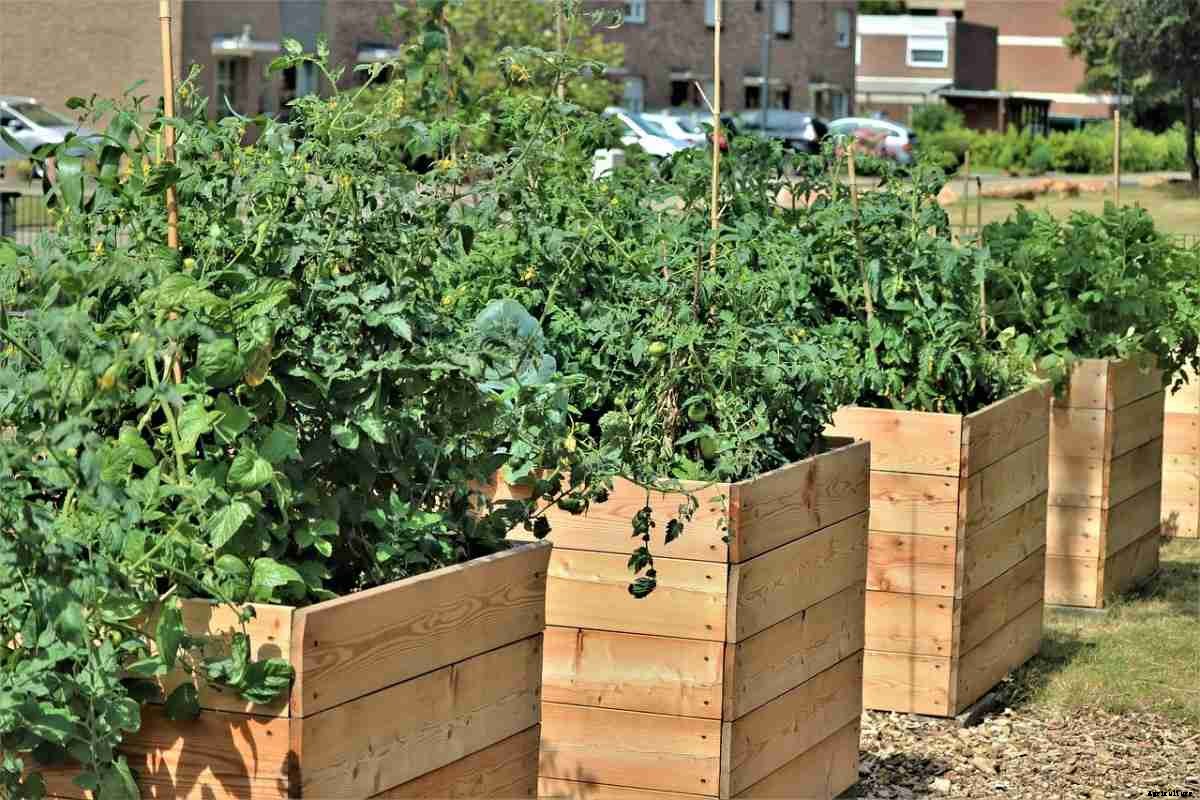
Raised bed vegetable gardening takes very little space. You can grow several vegetables in your raised bed, but some are more suited to space than others. Also, it is a great solution for areas with poor native soil. Growing vegetables in raised garden bed ideas are much easier compared to growing them straight in the ground. Firstly, as the soil is above normal ground level in these structures, it warms up faster in spring which gives young plants a head-start. Also, it is much easier to fertilize and monitor the soil in a raised bed.
Raised beds are a favorite among gardeners for several reasons. The soil used in raised garden beds is never stepped on, which means it never becomes compacted. Then, this allows it to drain excess water out quickly. The soil used in these raised beds warms more quickly in the spring season, giving you a longer growing season.
For beginners, raised bed gardening is an easy process. It is one of the modern kinds of gardening out there. So, there are many benefits of growing your veggies in a raised bed. Like, you can amend and easily control your soil, you don’t have to dig or till your soil each year.
Raised bed gardening is growing in popularity for several reasons. These garden beds are easier to maintain throughout the growing season as well. And you can simply keep them weed-free by building your raised bed soil over gardening fabric or a layer of black plastic. These are ideal for small spaces.
Raised bed garden gives you full control over soil quality. Raised bed gardening has several advantages. Below are the main benefits of a raised vegetable garden;
Easy Access – The main reason why gardeners opt for raised vegetable garden beds is convenience. If the idea of spending hours kneeling and squatting while tending to your vegetable garden is enough to put you off gardening, then a raised garden bed is the best option for you. Those with accessibility issues can pick a garden bed kit or build a raised garden bed with the correct width and height to enjoy the thrill of growing their food.
Bountiful Yields – A raised vegetable garden will start bearing fruit earlier compared to other gardens. You can also start seeds earlier compared to if you were planting them directly into the ground. Then, the soil you’ll be using in your garden beds is lighter and less compacted than regular garden soil; and your plants’ roots can quickly spread out in search of nutrients. You can populate raised garden beds with more plants than a conventional garden, which translates into bigger harvests during your vegetable growing seasons.
Efficient Weed and Pest Control – One of the main advantages of a raised bed vegetable garden is its low maintenance when it comes to weeding. This leaves space for weeds to sneak in and develop their roots due to the dense planting in raised beds. If you have persistent weeds in the garden, placing a hardware cloth between your garden bed and the groundworks well to prevent these stubborn species from invading your vegetables. Also, these clever garden boxes are easier to efficiently protect from birds. If you struggle with rodents, add some metal screens to prevent them from nibbling precious vegetables.
Raised bed gardens are easier to manage – You will have less trouble with encroaching weeds from the surrounding region. The extra height makes weeding a raised garden bed more comfortable.
In case if you miss this: How To Grow Organic Pears.
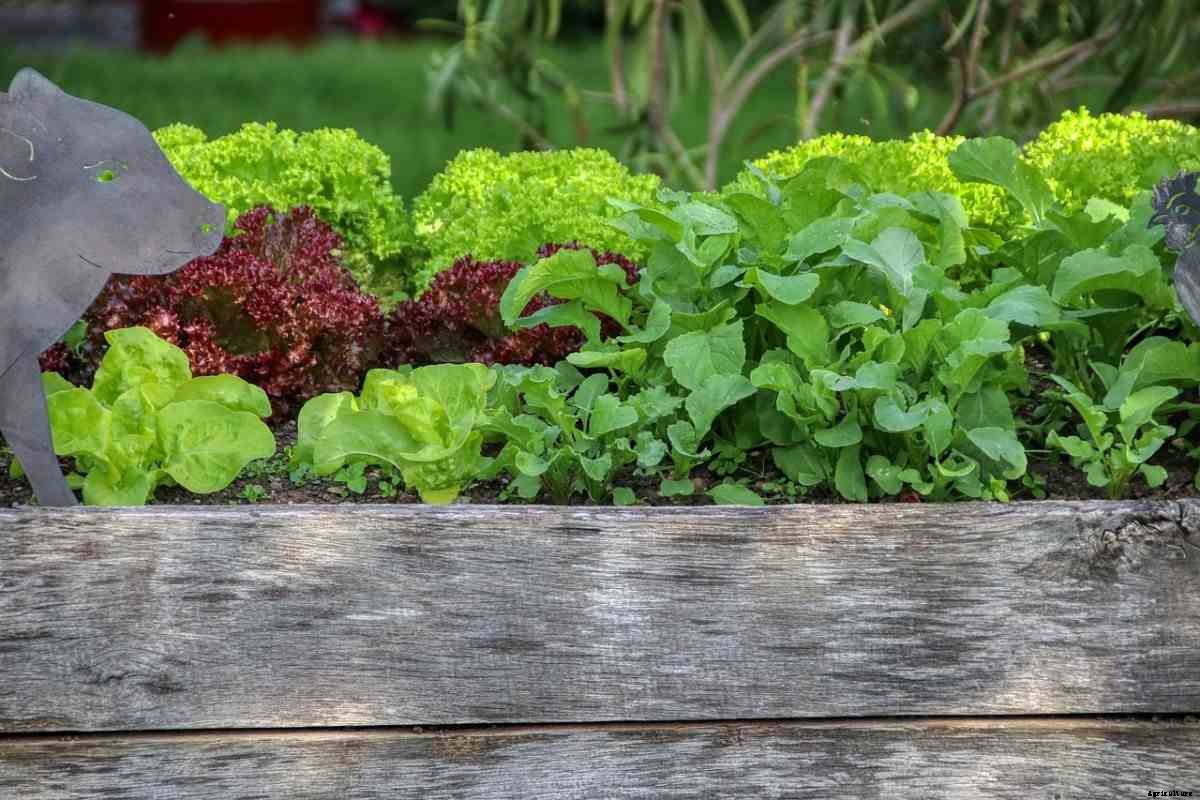
Raised beds can be made out of a few different materials, but the most common one is wood. Though, many people are concerned about the safety of their wood frames.
Cedar is the top choice for raised bed garden because this durable wood is naturally rot-resistant and can last 10 to 15 years. Also, it is insect-resistant because of the oils in the wood. The downside is that it’s expensive. Cedar is the best wood to use for raised garden beds because it is naturally rot-resistant. Western red cedar is commonly used, but white cedar, yellow cedar are high-quality choices for outdoor construction projects.
Composite Lumber – Composite Lumber is a recycled product and made of wood shavings. Then, this can make this type of lumber rot- and pest-resistant, and long-lasting.
Logs – Felled logs will make more attractive and rustic-looking raised beds. If you have the means to haul the logs, you can get them for free from people cleaning up after winter storms or after having trees cut down. Then, the logs can be cut to the dimensions you want for your garden beds.
You can fill your garden beds with your yard topsoil, but if you want to give your vegetable plants the best chance, it’s a good idea to start fresh since you have an opportunity to prevent weeds from the garden. It makes watering very easy because the soil of the raised bed vegetable garden is pretty good as compared to the ground soil. After that, you want to fill them with a mixture of good quality topsoil, compost, and some potting soil, perlite to add aeration and good drainage.
Usually, raised bed plants yield up to 4 times more than the same amount of space planted in rows. That is not only to their loose and fertile soil but also to efficient spacing. A 12-inch-deep bed provides ample room for vegetable roots. The soil warms up quickly in spring so planting can be done earlier. If the bed is narrow about 3 feet or less, there will be no need to step on the soil, and then it prevents compaction. It’s easier for roots to grow in loose soil. After that, fill a raised bed with good quality raised bed soil, which can be a mix of native soil, compost, and lightweight amendments such as peat and perlite that improve drainage.
One of the main benefits of gardening in a raised bed is you get to control the soil. Good soil is very important for plant growth. Starting a raised bed vegetable garden can be daunting mainly when working out how many plants of each variety you can fit in your planters. Some plants take up a lot more room than others with confusing information on space needed between plants and between rows. If you are a beginner gardener, chances are you are starting with 1 or 2 raised beds and want to try several crops to see what works best for you.
Optimum Size for Raised Beds – For root vegetable crops, the minimum height of 6 inches (15 cm) is ideal. Make sure to leave enough space for access between beds and about 2 feet or 60 cm wide is ideal.
The height can also be important. If you are putting raised bed on a hard surface, you want to make sure it’s deep enough for plants (especially root vegetables such as Beets and Carrots) to root.
Below are a few tips for starting raised bed vegetable gardening;
You may also check this: How To Grow Red Cabbage.
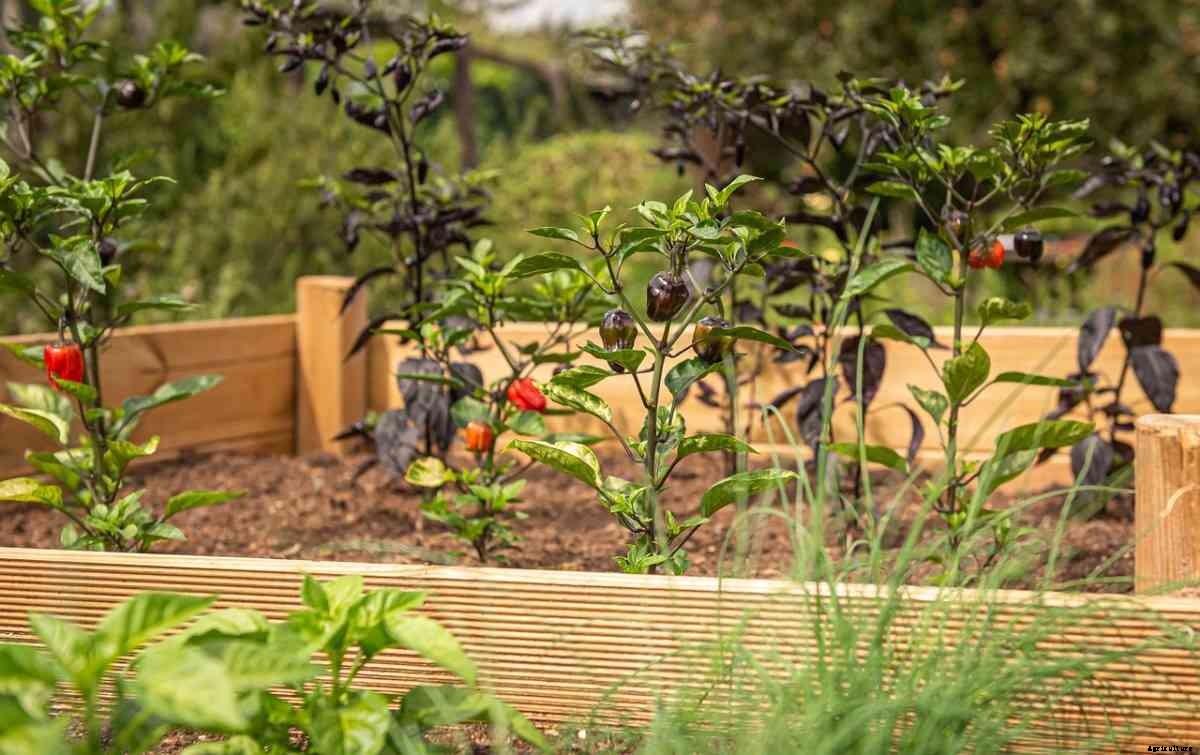
Here are a few steps you want to follow to make a raised bed vegetable garden. By following these simple steps, you could have to spend some money on it, but it’ll be worth it when you eat your grown vegetable.
Select A Location – This is the first and most important step for raised beg garden. You want to carefully select a site for your raised bed that receives at least 6 to 8 hours of sunlight. The more the better. Before selecting the site for your raised bed gardening, you need to keep these things in mind. If you are living in a cold climate region, 6-8 hours or more sunlight is better. If you are in a hot climate region, you will need some shadow to protect your vegetable plants from hot summer sunlight. So choose a site according to your area’s climate.
Size and Space – Select a location that gets at least 6 hours of direct sunlight daily, preferably more. If the site is not level, it will need to be levelled before building a raised bed. Generally, the site will not be shaded by trees or have competition from tree roots in the soil. Remove the lawn in the place before adding soil to the bed. The ideal width of a raised bed is 3 to 4 feet so that veggies will be within an arm’s reach from either side.
Build Your Raised Bed – At this stage, you have to spend a little money and buy some lumber to build your bed. About 4 feet by 4 feet or 4 feet by 8 feet raised bed is excellent as a beginner.
Adds Soil In Your Raised Bed – This is one of the best things about having a raised bed garden. For beginners, it can be hard to select the best soil recipe. If you end up selecting the best soil mix, you can grow four-time more vegetables in your raised bed.
You can buy some compost, or make your own and then mix it up with the potting soil to make a great mix for your bed. Also, you can mix compost with topsoil, which is not as good as potting soil. You should only use potting soil and topsoil is not work for you. Also, plants of these beds need ore nutrients, so potting soil can do the trick.
Drains well and doesn’t stay wet – Plant vegetables in a raised bed or raised row for improved drainage if you have poorly drained soil.
Time to Grow – Growing veggies is depending on your area and weather conditions. You cannot grow summer vegetable plants in winter unless you have a greenhouse or you are growing indoors using LED grow lights. Firstly, select a seasonal vegetable to grow. Now you can start with seeds or you can buy seedlings from a nearby nursery and it can save you some time.
If you are going with seeds, sow the vegetable seeds in a seed starter and plant the seedlings in the raised bed. Going with seeds is better because you can grow a lot of varieties that are not available at the nursery.
You can grow these vegetables in raised bed garden as a beginner.
Root vegetables
Leafy greens
Kale
Swiss chard
Onions
Carrots
Radishes
Tomatoes
Lettuce
Cucumber
Mint
Beans
Potatoes
Watering your raised bed vegetable garden can be tricky. There are a few important things you need to keep in mind for growing vegetables. Water your vegetable plants only when needed. When you’re raised bed soil feels dry, water the vegetable plants. Water deeply and slowly. Water your vegetable plants early in the morning or before sunset if you don’t have time early in the morning.
Many factors involve watering raised vegetable gardens. They are;
Time of watering – Early in the morning time is the best time to water your vegetable garden.
Rain – We know rainwater is the best kind of water for vegetable plants. It has so many benefits. But do not stop giving water to the vegetable plants when there is rain.
Vegetable type – Different types of vegetables need different water levels. At this stage, they require constant moisture.
Temperature or Season- The temperature level of different seasons is a big factor in watering needs. Vegetable plants need 3 times more water in hot weather conditions than in cold weather. Use good and high-quality vegetable seeds or healthy seedlings at the start of the season.
Raised Bed Vegetable Garden Ideas
Fence Around Bed – Make sure it will save your vegetables from dears, but birds can easily get through this fence.
Greenhouse Raised Bed – This is a fantastic idea to grow vegetables all year round, even in winter. A simple plastic sheet and few PVC pipes require for constructing a greenhouse-raised bed. This green will save your vegetable plants from pests and a lot of diseases.
Square Foot Garden Bed – This one is great to organize your raised bed in little time. You want to put a frame on your raised bed and you are good to go. Using this kind of gardening, you can grow a lot more vegetable plants spending less time organizing. Then, these vegetable beds are enough to improve water drainage.
Elevated Raised Bed Vegetable Garden – This is also called a raised bed on legs. Then, this is an excellent idea for senior gardeners or gardeners with back pain. This kind of raised bed is great to grow small vegetable plants and making a herb garden. Also, they are best for indoor gardening.
Some Common Raised Garden Mistakes are;
How do raised garden beds save so much time?
In raised bed garden, plants grow close enough together. Also, the close spacing makes watering and harvesting more efficient.
What type of vegetables is planted together in a raised bed?
Onions and garlic planted with tomatoes help to repel several common pests like slugs and snails. Radishes and marigolds planted with cabbages help to control the cabbage maggots.
How many vegetables grow in a 4×4-foot raised bed?
A 4-by-4-foot raised bed garden allows 16 squares for growing different vegetable plants. Salad greens work well in a small space because the plant leaves grow closely and don’t take up a large amount of space.
How deep should a raised bed garden be?
Usually, a bed does not have to be very deep to be effective and about 8 to 12 inches is usually adequate. Vegetable beds must be 12 to 18 inches deep.
Should I water my raised beds every day?
The amount of watering a raised bed garden needs to change with the season, climate and weather. During the hot summer season, you may need to water once or twice daily. Early mornings and evenings are best for watering. If the soil feels dry an inch or so below the surface, it is time to water your raised bed plants.
Why is my raised vegetable garden bed dying?
In raised bed vegetable garden, brown or wilting plant leaves are a sign of poor irrigation and also dying plants symptoms. Vegetable plants need water to transport nutrients from their roots and leaves to manufacture nutrients and energy from sunlight.


