
Welcome to Modern Agriculture!

Introduction to Hydroponic drip system
Hydroponic drip systems can easily be designed in several ways, as well as from small to large systems. But they’re particularly useful for larger plants that take a lot of root space. That’s because you don’t require large volumes of water to flood the system, and the drip lines are easy to run over longer spaces. When using a larger amount of growing media for hydroponic plants, more growing media retains more moisture than smaller amounts, and that’s particularly beneficial to large plants because it’s more forgiving to the plants. Forgiving meaning that the plants aren’t as sensitive to watering times, so don’t stress immediately if they don’t get watered on time for one reason or another. Drip system hydroponics is popular in all the hydroponic systems. This type of hydroponics borrows the most water-efficient irrigating method used in traditional cultivation and adapts it to a soilless growing system that’s so simple, efficient, and versatile that it’s being used to make bountiful crops by everyone from city dwellers living in small apartments to some of the biggest commercial hydroponic farms the world over.
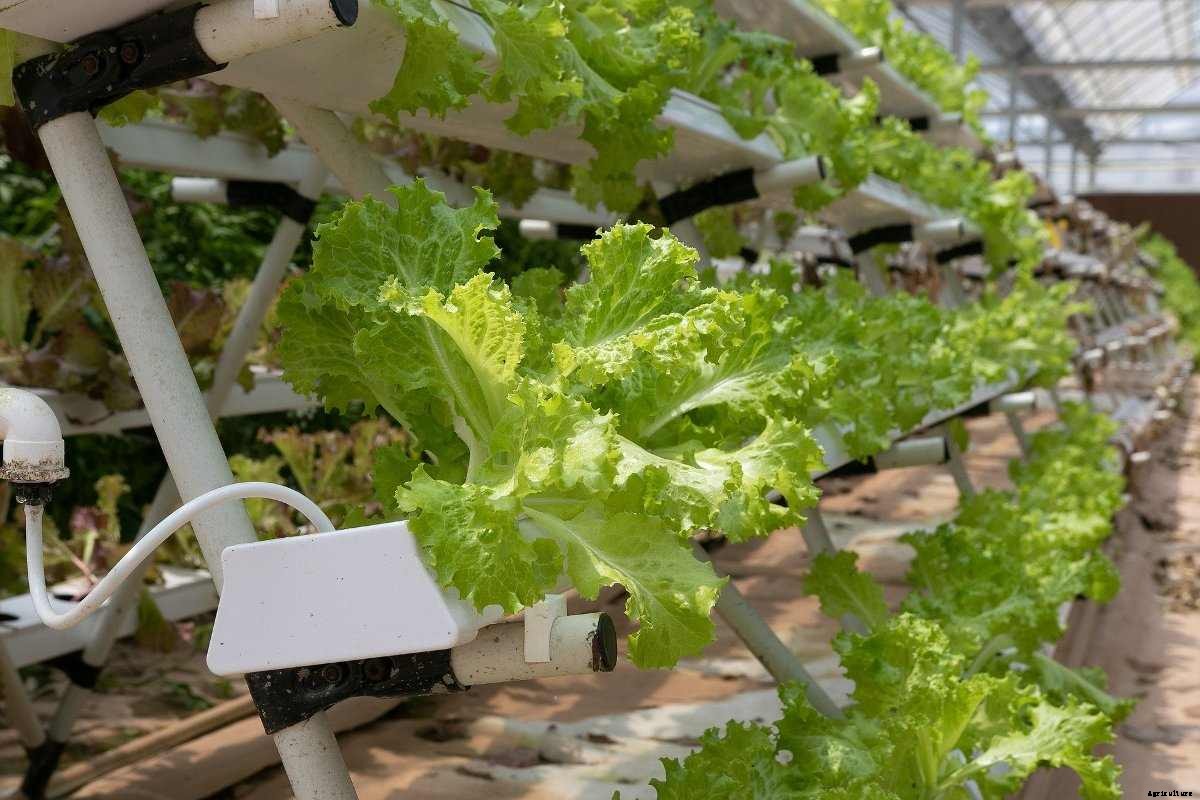
A drip system is an active hydroponic system and this means that it uses a pump to feed your plants with nutrients and water regularly. It is also called a trickle system or micro-irrigation system. As the name suggests, the system uses small emitters to drip the nutrient solution directly onto plants. The system uses a network of feeder lines to deliver the water to the plants and this kind of drip hydroponic setup is best suited for large growing operations. This is the main reason for commercial operations preferring drip hydroponics over other systems. Vertical farming is another application that drip hydroponic system is well-suited for, as you just need to pump water to the top of the system and then let gravity do the rest. Drip irrigation systems recommend for both beginners and advanced hydroponic growers.
Two types of hydroponic drip systems
For home growers, the recovery or recirculating drip systems are by far the most commonly used. The recirculating drip systems are like it sounds, it simply refers to reusing or cycling the used nutrient solution after it has wet the roots back to the reservoir where it can be recirculated through the system, and used over and over again. Recirculating systems are also known as recovery systems because it refers to recovering the used nutrient solution so it can be recirculated through the system again.
Like any hydroponic system that recirculates, a recirculating drip system’s nutrient solution can change in both the pH level as well as nutrient strength levels as the plants use up the nutrients in the water when it circulates over and over. Because of this, recirculating systems require that you periodically check and adjust the pH level as needed, as well as change the nutrient solution regularly to maintain a balanced nutrient solution for the plants.
For commercial growers, the non-recovery drip systems are most common. The nutrient solution in non-recirculating or non-recovery drip systems tends to be less maintenance, mainly because none of the used nutrient solutions is recycled back into the reservoir. This means that you can fill the reservoir with a balanced, pH level adjusted nutrient solution and it won’t change, so you don’t need to keep monitoring it. As long as you keep the water in the reservoir slowly moving or circulating so that the heavier mineral elements don’t settle at the bottom, it will remain a balanced pH adjusted nutrient solution. In this method, the excess water is not sent back to the reservoir instead it’s removed as wastewater. The water wastage for the drip system is less. The positive side of this system is that the pH level of the reservoir won’t change as no wastewater is getting into the reservoir.
The system uses individual pots for plants and the water from the reservoir is connected to the plants by a network of tubing. There are mainly two ways to apply pressure to the water supply. And it can be a regular water pump or a gravity-based system. Each plant gets at least one dedicated drip emitter and each emitter has mechanisms that allow you to control the flow of water. This adds to the overall versatility of the system; you can set different flow levels for different plants.
The flow to the plants has to be regulated in a drip system and the growing media needs to be given time to breathe in between flows. If left uncontrolled, a drip will flood the plants and eventually drown them. Then, all drip systems use some kind of timer system to regulate the flow of water and nutrients to the plants. In typical situations, the pump is operated many times a day to send water to the plants. Such a drip system requires considerable planning and effort in the initial stage. But once the drip lines and carefully installed, the drip system can run with minimal assistance. Then, these systems can be designed to have a high degree of automation.
Build a drip hydroponic system is;
The hydroponic drip system operates is simple. Water or nutrient solution is pumped up from the reservoir through tubing to the top of the growing media (where the roots are), from where it drips out of the tubing onto the growing media. The nutrient solution drains down soaking both the roots and then growing media to the bottom of the container. The nutrient solution flows through an opening, and gravity allows the nutrient solution to flow downhill through tubing back to the reservoir. It’s important to remember that the plants growing container needs to be at least 6 to 8 inches or so above the top of the reservoir, so that gravity can drain the excess water back to it (water won’t flow uphill without a pump).
In case if you miss this: Biofloc Shrimp Farming.
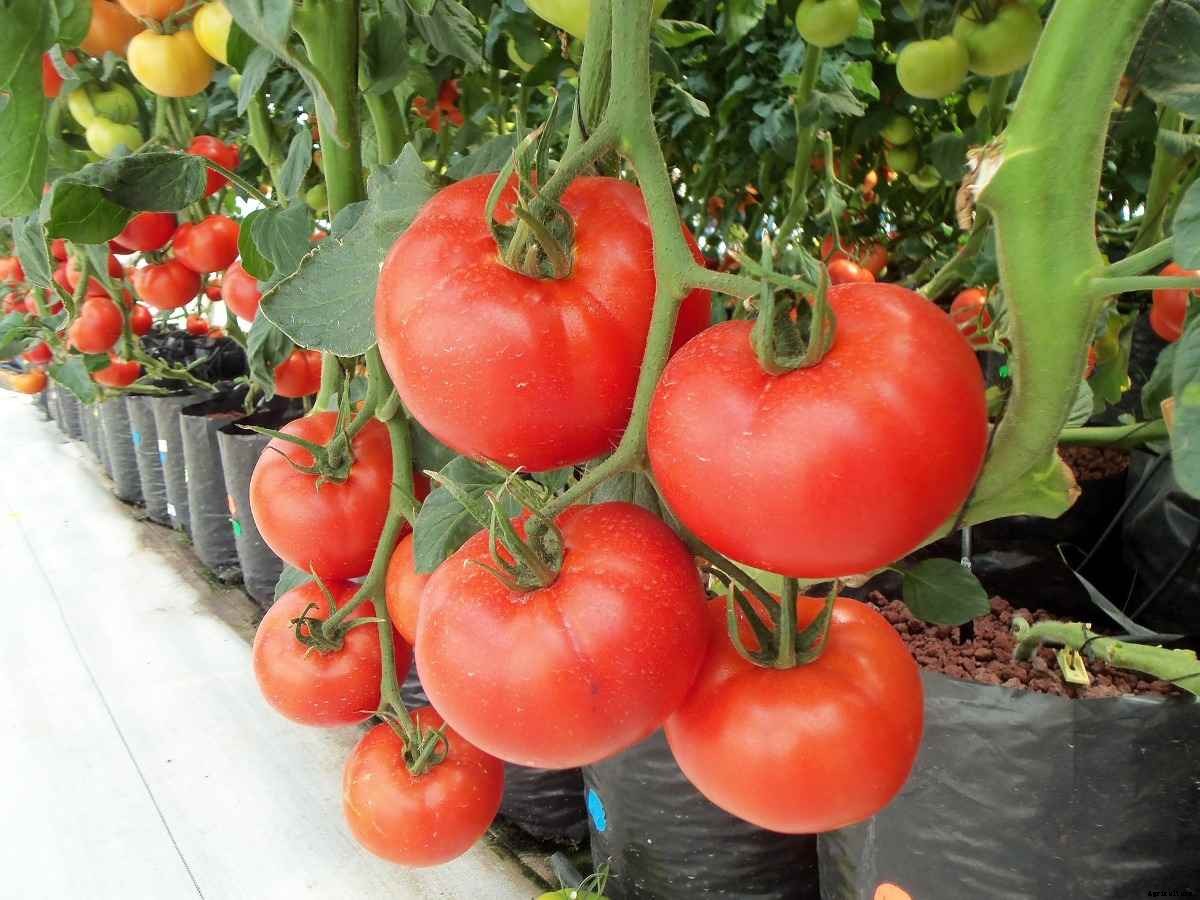
You have a lot of flexibility with the growing container aspect of the hydroponic drip system. You can use one large container for all plants, separate growing containers for different kinds of plants, or individual containers for each plant. Whatever growing container setup you use, make sure you have a way for the nutrient solution to drain out of the bottom and either get sent back into the reservoir or collected for discard.
With drip system hydroponics, you need a growing medium that will support plants and can hold water and air while providing good drainage. Suitable media contain lightweight expanded clay aggregate, coco coir, and rock wool. For less precise irrigation systems, you can aid drainage by placing river rocks at the bottom of growing containers.
Your nutrient solution reservoir must be a closed container made out of an opaque material that doesn’t pass light, to discourage algae and bacteria growth. And, make sure it’s situated so you have easy access to monitoring and refilling.
You should not miss this: Hydroponic Farming Business Plan, Hydroponic Yield.
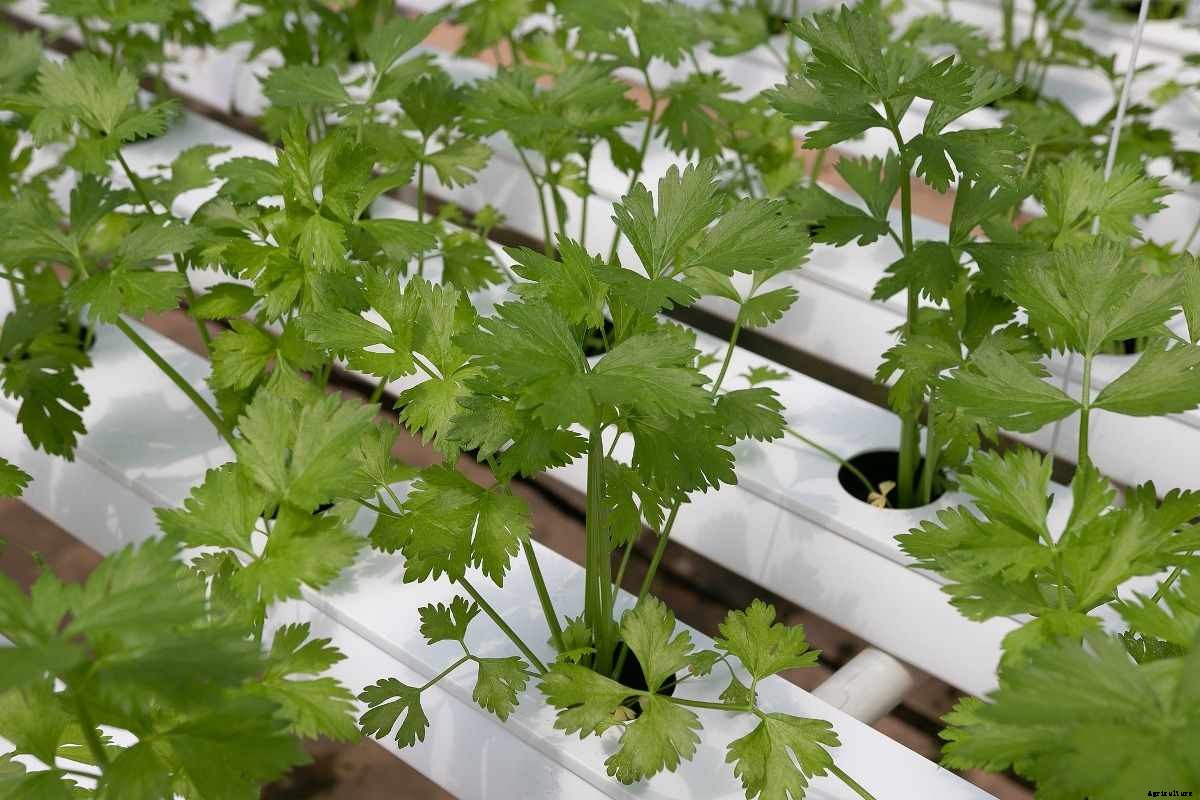
Some of the plants grow with a hydroponic drip system;
Drip systems are especially suited for larger plants. These plants need larger growing media, which can retain larger amounts of moisture for a more extended period. Thus, despite the slow watering system, the larger plants get proper hydration and nutrition in a drip setup. For best results, a slow draining medium is preferred. The most popular options in this category contain Rockwool, peat moss, or coconut coir. Other media like clay pellets, perlite, and gravel can also be used successfully.
In hydroponics, a drip system has the following benefits;
Disadvantages of hydroponic drip system are;
It also has the disadvantages as follows, particularly from a non-commercial perspective;
The drip hydroponic system is very flexible. For a basic drip hydroponic system, you will need the following essential items;
Drip Emitters – Depending on the number of plants you plan to grow, and you will have to buy an emitter for each plant. They are readily obtainable at garden centers and hydroponic suppliers.
Thin Tubing – Tubing is readily obtainable in the market and is perfect for a drip emitter.
PVC Tubing – The main lines that carry the water and nutrients from the reservoir pump to the emitters. Pump size for drip hydroponics is also very important for this system. Depending on the size and complexity of setup, the length and number of tubes required will vary. For smaller home-based setups, 2-inch tubes are enough.
Water Pump – A regular submersible pump is more than adequate for the task and capacities of between 120-300 gallons per minute should suffice for smaller setups.
A Tray – In smaller recirculating drip setups, you can get the best results by having all the pots drain into a common tray. Then, this is a simpler option than having separate run-off tubes from each pot to the reservoir.
A Large Bucket/Bin – This will act as the reservoir and choose between 10-20 gallon volumes depending on the size of your setup.
Drip ring – A hydroponic drip ring ensures that you don’t waste water in a conventional soil garden, for example in organic gardening practices. In Hydroponics, where nutrient-rich water is recirculated, a drip ring helps maintain even and consistent moisture levels in the root zone; avoiding dry pockets or spots that can stay more water logged-and potentially anaerobic.
Also, the hydroponic drip system essential things have small pots for your plant, a garden timer for the pump, aquarium grade silicone sealant, a hydroponic growing medium like coco coir, a power drill, and a hacksaw or PVC cutter to cut the pipes
In case if you are interested in this: How to Make Money from Hydroponic Store Business.


