
Welcome to Modern Agriculture!

Today, let us talk about the Benefits of Epsom Salt on plants.
Epsom salt is the most popular soil replacer for home gardeners which has the power to work as a fertilizer and pesticide, but scientifically it is not completely proved. Even though it is not a registered pesticide, and it is ever be used as a pesticide. This article will give you scientific evidence behind the use of Epsom salt on plants and helps the readers with a set of guidelines to improve soil nutrient conditions and promote plant health.
Epsom salt is also known as Magnesium sulfate, is a naturally produced mineral which consists of magnesium and sulfur (MgSO4). It readily dissolves in water, releasing positively charged magnesium ions (Mg+2 cations) and negatively charged sulfate ions (SO4 -2 anions).
The name of Epsom salt comes after Epsom, in England, where water that has high levels of magnesium sulfate and is used in the region’s historic spas.
Magnesium is a highly essential nutrient for the plant, and minimum amounts of magnesium are necessary for chlorophyll formation of the leaves of the plant. In case of magnesium deficiency, the leaves will have a characteristic have chlorosis patterns, where the veins remain green but tissues between the veins turn yellow
Magnesium is an exchangeable cation and that behaves like the calcium and potassium in the soil. In case of deficiency, in exchangeable cations are bound and released from the clay components of soils and from organic material. Cation exchange capacity (CEC) will help in reducing soil nutrient leaching and in providing nutrients for plant growth.
When coming to Sulfate, it is a mineral form of sulfur that found in nature, which is a highly important nutrient for plant life. Sulfate is an essential element for the growth and longevity of plants and plays a key role in the production of chlorophyll. It gets mixed with the soil and generates nutrients the promotes the healthy growth of plants, they generate nutrients like nitrogen, phosphorus, and potassium. Sulfate when combined with Magnesium it forms highly “vitamin” full of minerals, nourishment and health benefits for your garden.
Read: Shade House Farming.
Epsom salt using in the garden is not a new tradition, it has been a favorite fertilizer/pesticide for many gardeners and for some it is a best friend. Because of its major role in the growth of plants, it plays the best part in concepts of “green living” and organic gardening, Epsom salt has been growing in popularity. Epsom salt can be a unique answer to a variety of organic gardening needs. It is very cost-effective, affordable to all types of gardeners, plants easily accept it and it has very fewer side effects.
Using Epsom Salts is safe and it is a natural product that is available at home for many health and beauty uses. Epsom salts are an essential item that is used in many households which has natural and frugal benefits.
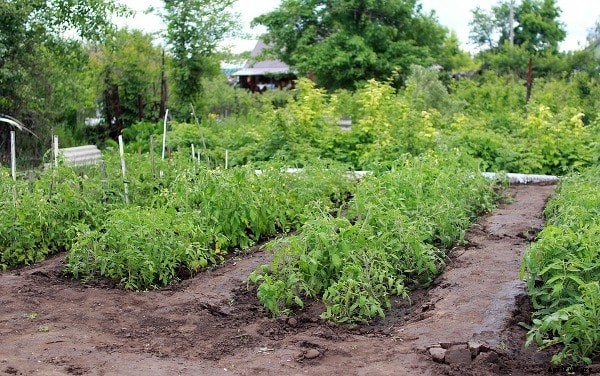
While using Epsom salt for tomato plants, use it as a foliar spray on your plants instead of adding Epsom to the soil; Foliar feeding can lower the competition for absorption, delivering magnesium to the plants at a proper and faster rate and Water the tomato vines with two tablespoons of Epsom salt added to a gallon of water once in a month for most tastier tomatoes.
And don’t forget to cover the Epsom salt with a layer of soil, which prevents direct contact with plants, as it consists of some concentrated minerals.
Sometimes leaves of green plants turn yellow, the yellowing of leaves is mostly caused due to the deficiency of magnesium in the soil. Magnesium is a crucial element that increases the chlorophyll production in the leaves. Which is highly necessary for greening up foliage, it also helps palms with “frizzle top” along with helping roses bloom with different colors.
Adding Epsom salt to your plants will make them healthier and with amazing green foliage.
It is recommended to add one tablespoon every month around to the plants in the garden. This can be added to vegetable plants, flowering, shrubs, trees and grasses that you want to green up.
Read: Livestock Insurance Scheme.
Method 1: Epsom salt as a foliar Spray during Growing Season
You can make an Epsom salt foliar spray, which is the most effective way to use Epsom salt in the garden; for the efficient plant growth. Epsom salt foliar spray is a form of foliar feeding, it is a form of feeding the plant to its foliage rather than its roots.
And it’s true that the foliar feeding will never take the place of proper soil preparation to feed the plants, but plants like to take nutrients through the leaves faster rather than through the roots and stems.
Foliar feeding will be helpful in supplying micro-nutrients required by leaves of the plants, especially when the plants are stressed due to unfavorable weather, pests or diseases.
And, making an Epsom salt foliar spray is very easy.
Method 2: Epsom salt as Side-Dressing during the Growing Season of the plant:
Epsom salt is the best mulch for the plants, it can be used as a side-dressing during the growing season. This technique is very easy, especially if you have sandy soil in your garden, sandy soil doesn’t hold nutrients well.
Epsom salt is highly beneficial, during the sprouting period of the plants, as they require a lot of nutrients during the germination period. Heavy feeders like eggplants and peppers will produce more fruits from this type of application.
Method 3: Epsom salt as a Soil Additive at Planting Time:
Supplementing your soil with Epsom salt at the time of planting can be an excellent idea. This method boosts up the plant’s growth from the very start and leaves an overall positive impact on the plant growth and yields of the plant. This can be a compulsory method to try out this method when planting green pea seeds.
Magnesium plays a key role during the germination. This element helps in strengthening the cell walls, giving rise to stronger seedlings that can resist transplant shock. With Epsom salt application, you can observe the best germination rate.
Method 4: Epsom salt for Grow Bigger Blooms
The medicine for a bountiful yield on your rose bush is Epsom salt. The main element magnesium in Epsom salt will increase the chlorophyll production. Which makes leaves darker in color and makes rose plants hardier. And you can get larger blooms and growth of new canes at the base of the plant.
The sugar in the Epsom salt will help to feed the beneficial microbes in the soil, which in turn helps break down the nutrients in the soil, making them easy to absorb. This process makes the plants produce bigger blooms.
Method 5: Epsom Salt to Kill Weeds
Weeds are the major problem in gardening, but the Epsom salt is the best weed killer, it is the best all-natural and effective solution to get rid of the weeds in your garden.
Epsom salt when combined with dish soap and white vinegar it is a weed killer. Vinegar extracts the moisture out of the weed growth, and the dish soap and Epsom salt will help to burn them out.
For efficient results, use the weed killer when there will be a full day of hot sun exposure and make sure that there’s no rain in the forecast for at least 48 hours.
Method 6: Epsom Salt for Growing Tastier Vegetable:
For producing healthy and high veggies in your garden, Epsom salt can make your organic produce even tastier. Using Epsom salt for your garden can improve the plant growth of rapid growers like tomatoes and heavy feeders like pumpkins.
Read: Organic Farming NABARD Subsidy.
Usage of Epsom salts has become an increasingly common gardening practice, mainly in the case of a rose and tomato plant growers. And this tradition is spreading to other gardening beds as well. And it is difficult to break this, but Epsom salts are not suited for all types of soils and are not used unless you garden soil or potting soil is tested, that says whether the soil is deficient in magnesium. In the case of magnesium deficiency, there are better sources of magnesium than your bath salts.
Epsom salts contain magnesium and salt. And many plants will suffer excess deposits of salt in the soil. One form of Epson salts are used as a supplement in commercial agriculture in the case of magnesium is a deficiency in gardens. And we should know that the magnesium deficiency is a common problem for tomatoes, it occurs in intensive agriculture practices, it would be highly unusual for a normal home gardener to have this deficiency. And its stupidity to supply extra magnesium if it is not needed, especially if one runs the risk of creating other issues in the process?.
Epson salts are not proven to be complete fertilizer for any plant. If you are planning to increase the fertility of the soil with Epsom salts, it can be a bad choice, you can increase the fertility of the soil and promote the growth of plants by adding biological fertilizer or adding compost as both of these options will give you a broad array of the micro and macro nutrients that your plant requires. And along with composting, the regular watering practice can also make you a good Gardner, which gives you bigger and healthier tomatoes too.
Many of us believe that the Epsom salts will prevent blossom end rot. But this is not true. Blossom end rot is can be caused due to calcium uptake issue and applying Epsom salts will increase the severity. For that, you should know how soil nutrient levels affect blossom end rot and how Epsom salt’s effects. The root cause of blossom end rot is due to moisture fluctuation. If you’re suffering from blossom end rot issues, mulching can be the best option.
Peppers are most seen the garden plant, which has the highest average fruit production rate to plant size ratio. And for pepper plants, you should feed them with magnesium every two weeks to achieve higher yields of larger fruits. Over-watering in hot pepper can lead to fruit with less heat. So, just sprinkle a 1 tablespoon of Epsom salt for every foot of height around the drip line of your pepper plants once per week.
Tomato plants need a great amount of magnesium to grow and in the developing healthy root system, Epsom salt plays a key role in their nutrition. Epsom salt acts as a good replacement of magnesium, which the tomatoes deplete the soil of. Epsom salt is the best supplements of magnesium to the tomatoes and to the soil simultaneously.
So, just add more magnesium the tomato plants and soil as it grows both will react and interact with each other.
This method will get more blooms and fruit in tomato plants. And there will be less of a chance of bottom rot issues. The tomato plant will be stronger and deeper in color from root to top. They will very sweet and tasty fruits. Without usage of Epsom salt, the tomato plant struggles to survive at all.
Rose growers are high users of Epsom salts. They state the Epsom salt makes foliage greener and lusher and helps to produce more canes and more roses. It best method to apply Epsom salt to existing rose bushes, mix ½ cup of Epsom salts with the soil around the rose bush and water well or you can dissolve ½ cup of the Epsom salts in water and water the rose bush. Use this spring when buds are beginning to open. Regular use of Epsom salts as foliar spray makes the blooms bright with vivid colors. Overuse of Epsom salt can burn the leaves.
It is best practice to start potted plants with Epsom Salt. Epsom salt is the best option to increase their blooming and health of plants.
Epsom salt is something that you can include easily as a part of a normal routine. No special care is needed.
In case of potted plants, just dissolve 2 tablespoons Epsom salt in a gallon of water and use this solution for watering at least once a month, although it is the best plant grower, use this as often as desired.
Epsom salt solution for the longtime potted houseplants is very useful because Epsom salts have the power to clear up this accumulation of natural salts in the pot and leads to a best growth of plants.
It is also useful for newly potted plants, as it helps them to receive the proper nutrients and have a healthy start in life.
And one important suggestion is, most plants need plenty of sun to receive the benefits of Ultra Epsom Salt (and photosynthesis), so make sure keep typical houseplants in a sunny area.
Using Ultra Epsom Salt with potted vegetable plants is a wonderful idea as well because it can increase the yields. This is mainly recommended for the apartment gardeners and those with little or no garden space, as Ultra Epsom Salt can help to receive a large bounty within a confined space.
Epsom salt is wonderful feed at a reliable cost for the home gardeners to increase their flower, vegetable and fruit production.
While setting up a garden during the initial planting stage, Ultra Epsom Salt can be used for nourishing nutrients that lead stronger and faster growth of seedlings.
Just sprinkle your garden bed with Ultra Epsom Salt, before seeding or planting. This increases the seeds germinate chances and start with strong and healthy growth.
It is also useful for more mature plants that you are planting in your garden, as the transplantation can be difficult for their growth and health.
For a successful vegetable garden, Epsom salt can help you refresh and revitalize the garden. Ultra-Epsom Salt can be used with all fruits, vegetables, and herbs.
Epsom salt does not cause build-up or any harm to plants when used, and so can be used safely and effectively on all plants growing stages (from planting to yielding stages).
Epsom Salt also works as saline a solution for a tank sprayer. You just fill your tank sprayer with 1 tablespoon of Ultra Epsom Salt with a gallon of water. Then spray your vegetable garden after the initial planting, and in the growing stages to the maturity stage (do this once or twice in a month). This method can help you in producing healthier vegetables, and a lush vegetable garden.
Many Researchers are highly impressed with the effects of Epsom salts on plants and some may think it is wrong to continue encouraging it. Gardeners are highly benefited by the use of Epsom salts. Many gardeners just simply toss in a handful of Epsom salts at planting time, and it is good to do a soil test before you add Epsom salt to the soil. Epsom salts don’t cure an extreme magnesium deficiency and are more effective in acid soils, where magnesium is not easily accessed by plants. Epsom salts are most often recommended to Tomatoes, Peppers and Roses plants.
Read: Organic Compost Preparation.


