
Welcome to Modern Agriculture!

Introduction to neem cake fertilizer
The use of Neem cake, in its various forms, in gardening and farming for amending the soil is a well-known practice. In many ways, Neem cake is a perfect form of fertilizer. Then, they have high enough levels of NPK nutrients to make them a huge help in organic gardens. Also, they have enough azadirachtin to keep soil pests away. When used with other fertilizers, Neem cake can enhance their efficiency and very slowly release their nutrients. This means that plants benefit from constant access to the nutrients and experience a little risk of getting burned by too much nitrogen exposure. Studies show that garden yields can be 15 to 25% higher when Neem cakes are used. Neem cake is cost-effective compared to other types of fertilizer. This is a slow-release and serves more than one purpose. Organic neem fertilizers are better for you and the environment. It is especially important to be using organic fertilizers for plants that are used for food. In this article we also discuss below topics;
Neem cake is mainly made by crushing neem leaves, bark, and fruits. It is the best source of micro-nutrients that support the growth of plants. In addition to nutrient support, Neem cake gives protection against insects and pests. The cost of Neem cake is Rs. 10 per kilogram. To apply it on the potted plants, take about 100 grams of Neem cake and sprinkle on the topsoil and stir with a stick along with the topsoil for uniform distribution. Use Neem cake once a month in the garden. Uses of Neem cakes, as an organic fertilizer is a well-known practice worldwide and especially in India. Then, you can increase soil fertility by adding Neem cake to the soil.
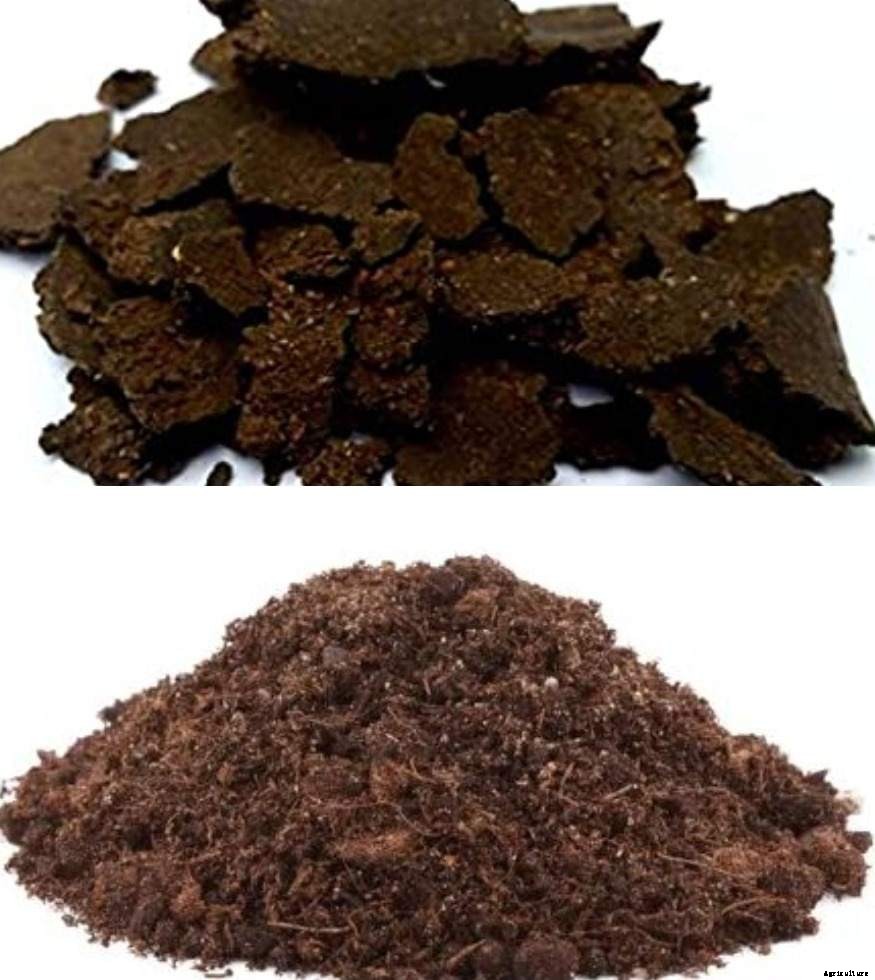
Neem cake used for;
Neem cake can be used for several purposes but mainly as an organic fertilizer to enrich the soil. Neem cake is full of NPK and is a good fertilizer for your soil.
As neem is organic, it adds nutrients to the soil slowly so the plants can absorb them and very little nutrients are wasted.
Indian farmers have used de-oiled Neem cake as a fertilizer in their fields. The dual activity of Neem cake as mainly fertilizer and pest repellent has made it a favored input. Neem leaves have been used to enrich the soil. Together, they are used in India to fertilize cash crops. When Neem cake is plowed into the soil it protects plant roots from nematodes and white ants. Application of the Neem cake to crops provides them with various nutrients. Neem cake reduces the number of soil insect pests, fungi, bacteria, and nematodes and also protects the crop from damage caused by these organisms. Neem cake can reduce alkalinity in the soil by producing organic acids when mixed with the soil.
Neem cake is the de-oiled residue that is used after Neem kernels are crushed for their oil. In this kernel, there are some nutrients such as NPK means nitrogen-phosphorus-potassium as well as nortriterpenoids and isoprenoids. These nutrients are nematicidal in nature so the Neem cake ends up with these properties.
Neem cake fertilizer is the favored product used for plant fertilization by farmers and gardeners. It acts as a biofertilizer by providing the required nutrients, nitrogen, and phosphorus necessary for growing crops and plants. Its use ensures a high yield of the crop. Neem cake is used for both cash and food crops, such as sugarcane and vegetables. It is the de-oiled residue of neem seeds. Once the neem seeds are crushed and neem oil is removed what we are left with is known the Neem cake. Neem cake is a good source for organic N-P-K and is widely used to fertilize various crops.
It is used in agriculture, horticulture, floriculture and the turf industry as an organic fertilizer as well as a natural nematicide. Neem cake is used as an organic fertilizer because of the several micro and macronutrients which it is composed of. It will control, soil-based pathogens as well as nematodes. It will inhibit nitrification of the soil plus enhance the efficiency of nitrogen providing fertilizer.
The main reasons why Neem cake is used as a fertilizer;
Neem cake is filled with several micro and macronutrients. Unlike a chemical fertilizer, Neem cake releases those nutrients slowly into the soil. Then, the plants have enough time to use them in nutrition.
And secondly, Neem cake reduces soil-based pathogens and nematodes and works as a natural pest controller.
Neem cake organic manure protects roots from nematodes, soil grubs, and white ants probably due to its residual limonoid content. It acts as a natural fertilizer with pesticidal properties. Neem cake is used in India to fertilize paddy, cotton, and sugarcane. It reduces alkalinity in soil, as it produces organic acids on decomposition. Being natural, it is compatible with soil microbes and rhizosphere microflora and ensures the fertility of the soil. It improves the organic matter content of the soil, helping improve soil texture, and soil aeration for better root development. Neem cake protects the plant’s roots from nematodes, soil grubs, and white ants.
Neem cake makes the soil more fertile due to an ingredient that blocks soil bacteria from converting nitrogenous compounds into nitrogen gas. As a nitrification inhibitor, neem cake prolongs the availability of nitrogen to both short-duration and long duration crops.
Applying neem with nitrogenous fertilizers can slow down the conversion process of nitrogenous compounds in ammonia, nitrates, and nitrites, improving the overall efficiency of the soil. It is applied by mixing it with the soil on and around the roots of the plans. The different types of commercial Neem cake on the market are identified as oiled and deoiled cake, but several other differences can be detected.
Neem cake used as a fertilizer because of these reasons;
There are several reasons why you should use Neem cake as a soil amendment;
Neem is a tree native to India and known for its great pest control properties. Neem oil is extracted from the seeds of the neem tree and the byproduct of neem oil production is Neem cakes. Then, the Neem cakes are the residue left after extracting the oil.
Neem cake is a good slow-release organic fertilizer. It will slowly break down and release nitrogen, phosphorous, and potassium into the soil, making it obtainable for plants to use. Typical NPK for Neem is 4-1-2 but ours sourced from India has an NPK of 6-1-2. Neem cakes are excellent for providing other nutrients to plants. They contain 13 to 18% of crude protein, 24–50% of carbohydrates, 8–26% of crude, 2–13% of fat, 5–18% of ash, and 1–17% acid insoluble ash along with calcium and magnesium.
The urea in Neem cakes is what makes it such a great fertilizer and other organic components of Neem cakes make it a great soil amendment. Because Neem cakes are a natural neem coated urea, the advantages of Neem cake are not just limited to use as an organic fertilizer.
Even after being processed, there is still 8 to 10% of the neem oil left in the cakes. Neem oil acts as a natural pest repellent and extremely effective. It not repels pests but will also affect the hormones of certain bugs making causing them not to eat or breed. The good thing about it is that it is non-toxic to beneficial critters such as spiders and birds.
In case if you miss this: Aquaponic Farming in India.
When it comes to applying Neem cakes into garden soil, less is more. The best time to apply Neem cake as fertilizer is right after the first plowing of the season before anything has been planted. Then, you can start by applying a few small handfuls into each raised bed. Also, a week later, adding three handfuls or fewer. For larger beds, sprinkle just enough to give the entire area a light dusting, or about 2 pounds per 25 to 30 square feet. The application rate of Neem cake is 100-200 kg per acre while preparing land for sowing.
Apply Neem cake at the following rates;
The application method of Neem cake;
Neem cake is easy to use; you might still have some confusion about best practices for this valuable garden substance. Below are some of the tips about using Neem cakes.
Neem cakes are applied when you are preparing the soil for sowing. You will want to plow the soil deeply and mix the Neem cakes thoroughly in doing this. By mixing the cakes thoroughly through the soil, this will yield you better results with the harvest. Neem cake does not work as an organic fertilizer, but it can also be used as an IPM fertilizer when used with mixed crops. When using it in mixed crops, it enhances the IPM methods. IPM is Integrated Pest Management which is an ecosystem approach to grow healthy plants. It is an approach that uses different crop management and growth strategies to yield the crops with minimum use of pesticides.
If you are planning to switch from chemical fertilizer to Neem cakes, you will want to apply both overtime still while in transition. Reduce the chemical fertilizer you are using continuously until using the Neem cakes in place of the fertilizer. While Neem cakes are effective longer and decompose so slowly, their use is more cost-effective as well as better for the environment in the long run.
In case if you are interested in How to Make Money from an Organic Compost.


