
Welcome to Modern Agriculture!

If you have a newly constructed building or house, it means that the soil in that area has undergone a lot of damage during the process. So it is only natural to amend the soil, especially if you're planning to start or improve your landscaping project. That's why we researched about it, and here is how you amend a new construction soil.
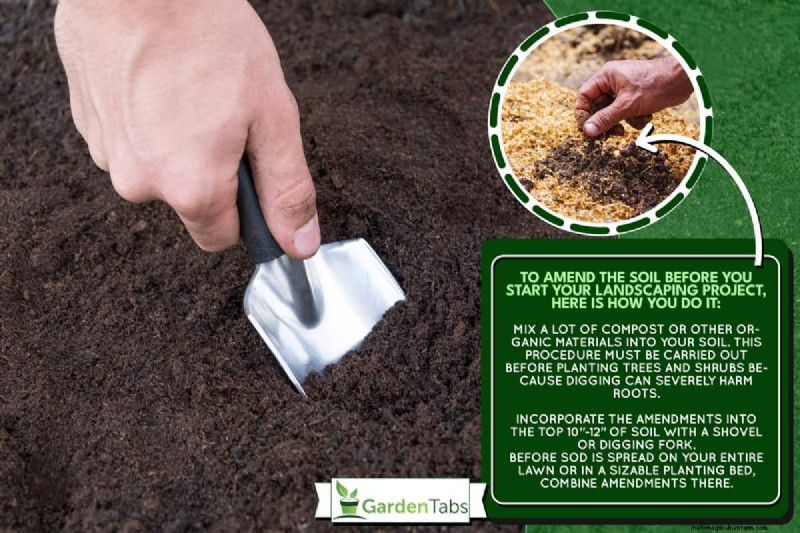
To amend the soil before you start your landscaping project, here is how you do it:
But, if you have already started establishing the landscape of your newly constructed property, here is how to amend the soil:
Continue reading as we discuss how a new construction damages the soil. Additionally, we'll cover how soil amendments help your soil. We'll also talk about the types of amendments you can use, how to add them to different soil types, and when is the best time to do so.
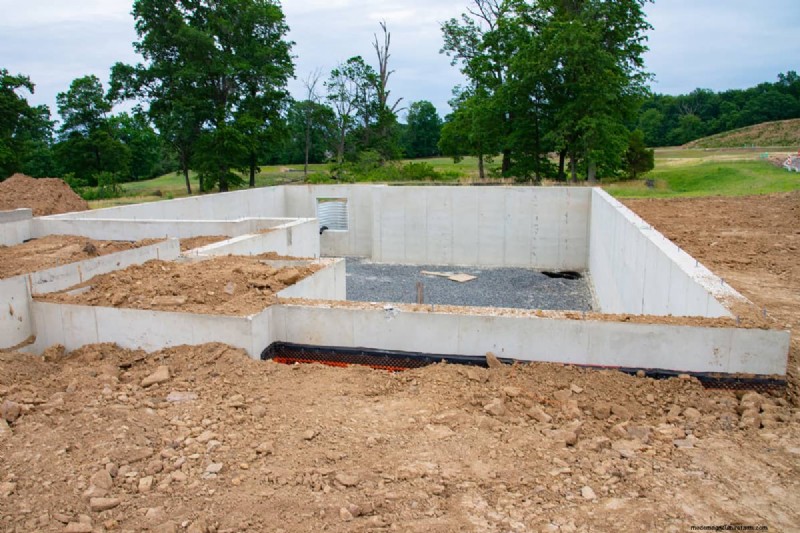
A basic and unique natural resource is soil. Its primary purposes include maintaining wildlife, supplying food and raw resources, and controlling water flow.
Made soils can be greatly mixed and altered as a result of grading, cleaning equipment, equipment movement, and other activities in areas that have undergone construction.
The fertility, pH, compaction, and drainage of these soils might vary from foot to foot. As a result, little valuable information about the traits and capabilities of construction-damaged soils can be gleaned from soil maps.
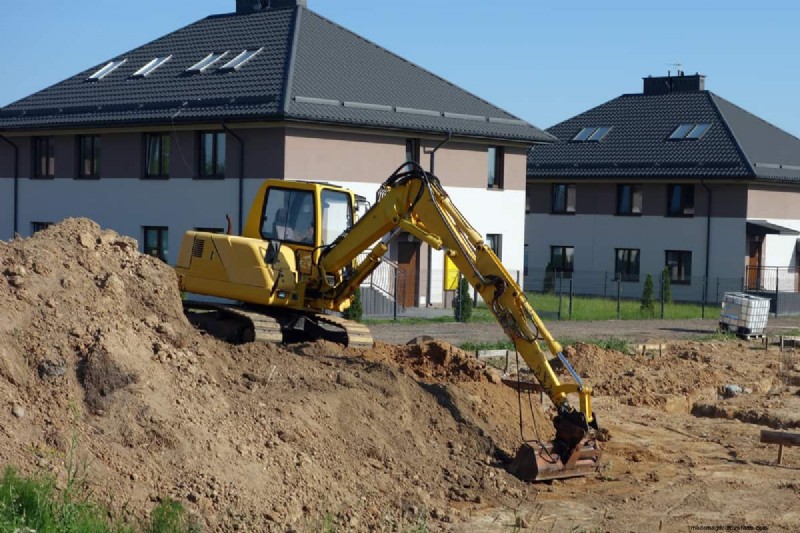
Furthermore, by crushing the soil structure, either manually or mechanically, compaction prevents root, water, and air movement.
Construction sites frequently strip and remove organic soils, leaving compacted, primarily clay soils behind. Transition zones are frequently impermeable barriers to water, air, and roots that are created when one type of soil is dumped on top of another.
You must be aware of the properties and capabilities of the soil you're going to plant in, especially if it was disturbed by a building, to ensure that trees and plants develop well.
Here is how soil amendments help improve the quality of your soil:
In general, there are two types of soil amendments:
Each variety has unique applications, advantages, and drawbacks.
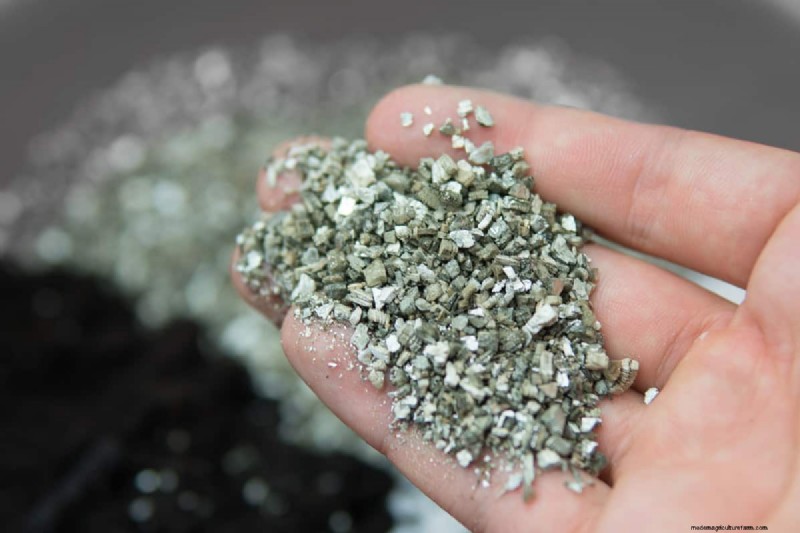
While adding only a small amount of nutrients other than macronutrients like nitrogen, phosphorous, and potassium, inorganic soil amendments can immediately improve the physical characteristics of soil, such as drainage and porosity.
Sand, pea gravel, tire fragments, vermiculite, and perlite are examples of inorganic amendments.
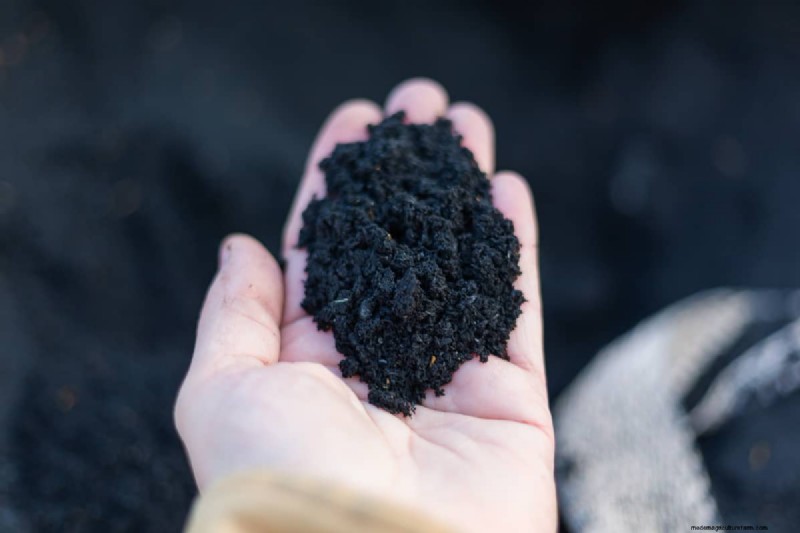
Given that they enhance the soil's qualities, soil supplements made from organic resources can serve as organic fertilizers. Healthy plant growth will be promoted by a consistent and stable supply of nutrients.
Beneficial worms, beneficial fungi, and bacteria all rely on the soil's organic matter for energy, and they will decompose organic soil additives.
Here are some organic amendments and how they help improve your soil:
Instead of being used in pots or raised beds, garden soil is a soil supplement for in-ground use. To increase aeration and moisture retention, work it into your current soil. Fertilizers may also be present in garden soil to feed your plants.
Farm byproducts like composted manure have no smell. It also nourishes the soil while enhancing aeration and moisture retention. Manure that has been dehydrated has less moisture than regular manure.
Water is gradually released for plant roots to use after being absorbed by sphagnum peat moss. It aerates clay soil by lightening it and provides mass to sandy soil to stop nutrients from leaking.
Sphagnum peat moss is different from ornamental sphagnum moss, which is frequently used in floral arrangements.
Topsoil is used to make repairs to your lawn or garden, such as patching up degraded sections, leveling out uneven terrain, etc. Use only topsoil for planting or potting if you combine it with other amendments like peat moss, old wood bark, vermiculite, perlite, and composted manure.
Straw, peat moss, and other organic materials are combined to create mushroom compost, which is designed for use in industrial mushroom production. The mixture is utilized for one growing cycle before being packaged as an addition to the backyard garden.
This material acts as a soil conditioner that aids in soil water retention. In comparison to peat moss, this substance is more environmentally friendly.
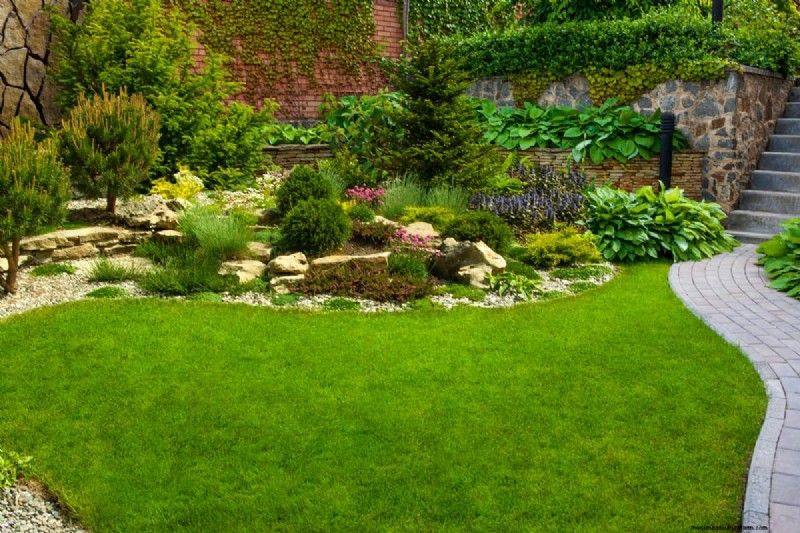
Knowing your garden's soil type will help you make the appropriate amendments. How to handle each kind of soil is as follows:
Soil Type |
Characteristics |
How To Amend |
Clay Soil |
The excessive water retention of clay soils causes them to clump up and quickly compact. |
|
Sandy Soil |
Sandy soils lose their ability to hold onto nutrients and dry up quickly. |
|
Silty Soil |
Silty soils are more prone to erosion but can hold water and nutrients. |
|
Loam |
The best combination of the three soil types is loam, which may be planted in without needing a lot of amendment. |
|
The fall is the ideal season to enrich the soil for these two reasons:
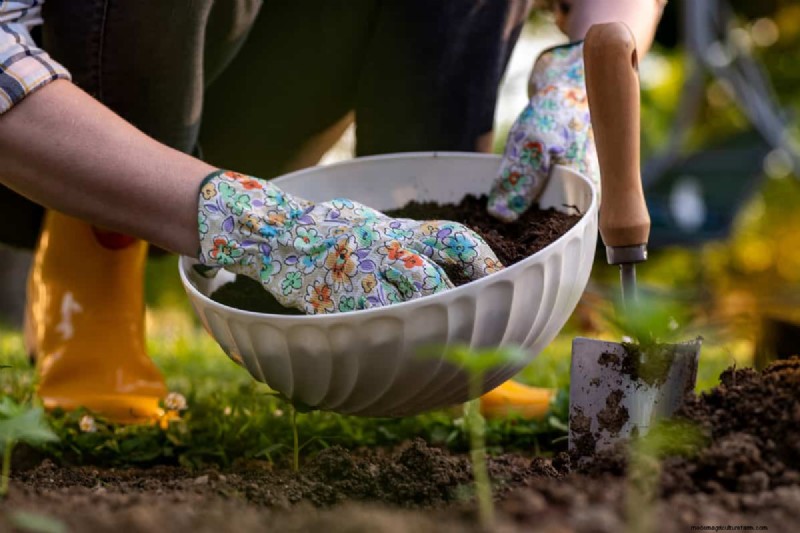
The best way to check the success of your soil amendment is through a soil test. However, you can physically inspect the soil, and you'll know it is successful when:
Improving soil quality through soil amendment is a good choice. Not only does it help in ensuring that your plants grow healthy, but it also boosts the environment around you.
You can either use organic or inorganic amendments, whichever suits your needs. Although, you have to be careful since not every amendment works for all soil types.
If you enjoyed this post, check these related articles to learn more:
Can I Use Play Sand To Amend Soil?
How To Amend Soil Around Existing Plants, Trees, And/Or Shrubs?


