Welcome to Modern Agriculture!


Glen is an exceptional gardener with over 15 years of hands-on experience in garden maintenance, design, and landscaping services. When he’s not working on beautifying a client’s garden, he is busy creating helpful content for this blog.
Latest posts by Glen Chandler (see all)
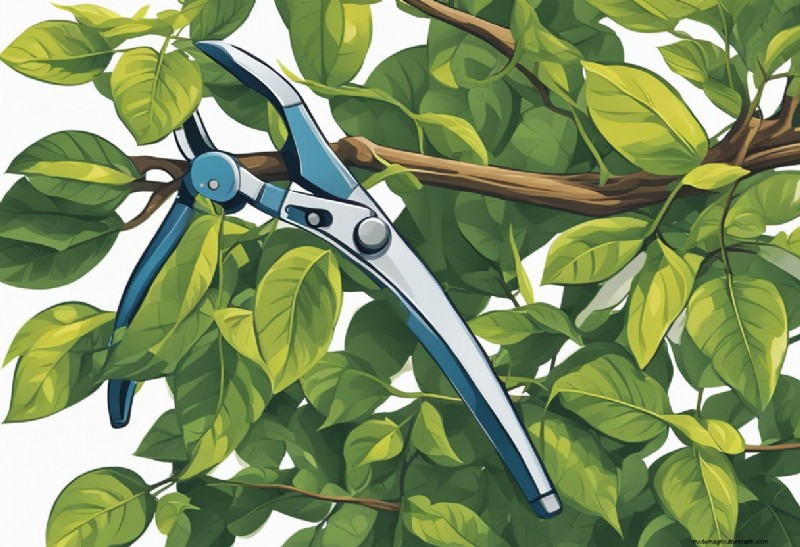
Pruning can be intimidating, but it’s a game-changer for your bushes. I’ve learned that with the right techniques, you can promote healthy growth and improve their overall appearance. The Evergreen Seeds Team has years of experience pruning various types of bushes.
The key to successful pruning is understanding when and how to cut. Different bushes have different needs, and using the right tools makes all the difference. For most bushes, pruning in late winter or early spring is best, before new growth begins.
We’ve found that using sharp, clean pruning shears or loppers helps prevent spreading diseases and makes clean cuts that heal quickly. Removing dead or damaged branches is crucial, as it prevents disease from spreading and encourages healthy growth. Proper pruning techniques can transform your bushes.
By pruning your bushes regularly, you’ll not only keep them looking their best, but you’ll also promote blooming and prevent them from becoming overgrown. With practice, you’ll develop the skills to prune like a pro and enjoy the benefits of healthier, more beautiful plants.
📚 In This Guide
Follow these detailed steps to prune your bush effectively and promote healthier plants.
Start by gathering the 1 whole Pruning Shears and 1 whole Loppers and ensuring they are clean and sharp. I like to use bypass pruning shears as they make clean cuts that help plants heal faster. Put on your 1 piece Gloves to protect your hands from thorns and scratches. Before you begin cutting, inspect the bush for any dead or damaged branches that need removal.
Mix the 1 cup Disinfectant according to the manufacturer’s instructions and have it ready to clean your tools between cuts. This prevents the spread of disease from one part of the bush to another or to other plants. I always keep a small container of disinfectant nearby for convenience.
Begin by removing any branches that are dead, diseased, or damaged. I look for branches that are brown, black, or show signs of fungal growth. Cut these branches off at the base using your 1 whole Pruning Shears or 1 whole Loppers for thicker branches. Make clean cuts just above a bud or lateral branch, and avoid tearing the bark.
As you make each cut, dip your tools in the 1 cup Disinfectant to prevent the spread of disease. This is a crucial step that many gardeners overlook, but it’s essential for maintaining the health of your bush. Continue until all dead, diseased, or damaged branches are removed.
Once you’ve removed the unhealthy branches, focus on shaping the bush. I like to start by removing any branches that are crossing or rubbing against each other, as these can cause damage and create entry points for disease. Use your 1 whole Pruning Shears to cut these branches off at the base.
Next, thin out the center of the bush to allow more light and air to penetrate. This helps prevent fungal diseases and promotes healthy growth. Cut back any overly long branches to maintain the desired shape and size of the bush. Make sure to step back periodically to assess the bush’s shape and make adjustments as needed.
After you’ve finished pruning, inspect the bush one last time to ensure you’ve removed all dead, diseased, or damaged branches and achieved the desired shape. I like to check the bush from different angles to catch any branches I might have missed.
Finally, clean up any debris from around the bush and dispose of the cut branches. Give your tools one final cleaning with the 1 cup Disinfectant and store them properly. This not only keeps your tools in good condition but also prevents the spread of disease to other plants.
Pruning can be intimidating, but with the right techniques, you’ll be a pro in no time. Here are some expert tips to help you get the most out of your pruning experience.
Tool Maintenance: Keeping your pruning shears and loppers sharp is crucial for making clean cuts that help plants heal faster. I like to sharpen mine at the beginning of each season and keep a small stone handy for touch-ups during use.
Disinfectant Strategy: Using disinfectant between cuts is essential for preventing disease spread. I keep a small container of it mixed according to the manufacturer’s instructions right next to my cutting tools. This simple step can save your bush from potential infections.
Glove Selection: Wearing the right gloves can make a big difference. I prefer gloves that offer both protection from thorns and good grip. This helps me maintain control while cutting and reduces the risk of accidents.
Pruning Technique: When removing dead or damaged branches, make clean cuts just above a bud or lateral branch. This technique promotes healthy growth and helps the bush recover quickly. I always step back to assess the bush’s shape after each cut to ensure I’m achieving the desired look.
💡
Review the tips above to avoid common mistakes and get the best results.
1
Don’t panic! If you accidentally cut a healthy branch, assess the damage and decide whether to shape the cut area or leave it as is. In most cases, the bush will recover quickly.
2
The frequency of pruning depends on the type of bush and its growth rate. Generally, pruning once a year during the dormant season is a good rule of thumb. However, some bushes may require more frequent pruning to maintain shape or promote blooming.
3
It’s best to mix a fresh solution of disinfectant for each pruning session to ensure its effectiveness. If you’re pruning multiple bushes, you can reuse the solution, but make sure to check its concentration and expiration before doing so.
4
While loppers are handy for thicker branches, you can also use a pruning saw for larger cuts. Just be sure to make clean cuts and disinfect your tools between uses to prevent spreading disease.
5
You can compost healthy branches, but be sure to dispose of any diseased or damaged material properly to prevent the spread of disease. I like to burn or bag diseased branches to keep my garden healthy.