
Welcome to Modern Agriculture!

Your perennials survived winter, stored up energy in their roots, and they’re ready to push out fresh growth. But a few careless cuts at the wrong time can undo all of that preparation.
 DepositPhotos.com
Cutting back perennials sounds simple enough: grab the shears, chop the dead stuff, and move on. The trouble is that timing, technique, and plant-specific needs vary more than most gardeners realize. Getting it wrong doesn’t just look messy; it can stunt growth, reduce blooms, and even cost you a plant entirely.
Here are 15 common perennial cutting back mistakes that weaken spring growth, along with what to do instead.
Many gardeners treat fall cleanup as an all-or-nothing event, shearing every perennial to the ground before the first frost. The problem is that many plants are still actively photosynthesizing, sending carbohydrates down to their root systems for winter storage.
Removing that foliage too early robs the roots of fuel they need to survive winter and push out strong spring growth. A better approach is to leave most perennials standing until they’ve gone fully dormant and turned brown on their own.
Even after the first frost, some perennials hang onto green tissue longer than you’d expect. Hostas, daylilies, and astilbe may still have partially green leaves well into November in milder zones.
Cutting these back while they’re still processing sunlight interrupts the nutrient transfer cycle. Wait until several hard frosts have turned the foliage completely brown before pruning. This patience pays off with stronger root systems and more vigorous spring emergence.
If you’ve noticed perennials struggling to bounce back each year, the issue may run deeper than pruning timing. Take a look at our guide to Why Your Perennials Aren’t Coming Back This Spring (And When to Give Up).
We'll email it to you so you can read it later!
By saving, you agree to receive occasional emails. Unsubscribe anytime.
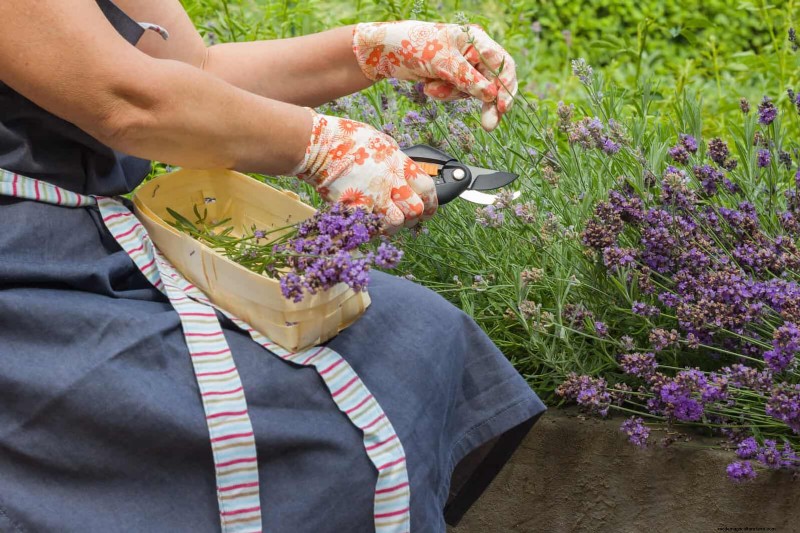
Lavender, sage, thyme, and other woody-stemmed perennials have a strict rule: never cut into old, bare wood. Unlike herbaceous plants that regenerate from the roots, these sub-shrubs only produce new growth from green, leafy stems.
Cutting below the leaf line often means that section of the plant won’t grow back at all. The right technique is to prune just above the lowest set of healthy leaves, and to do it in spring after you see new green shoots forming.
 DepositPhotos.com
If you’ve inherited a leggy, overgrown lavender with nothing but bare brown stems at the base, it may be beyond saving. Replacement is usually the better option at that point.
See more: 15 Lavender Growing Tricks for Bushier, More Fragrant Plants
Ornamental grasses like miscanthus, switchgrass, and fountain grass add winter interest with their dried plumes and golden foliage. Many gardeners cut them down during fall cleanup, but these grasses actually benefit from standing through the winter months.
Their foliage insulates the crown against freeze-thaw cycles. The ideal time to cut ornamental grasses back is late winter or very early spring, before new green blades start pushing up. Cut them to about 4 to 6 inches above ground level using hedge shears or a string trimmer for large clumps.
It’s tempting to cut a perennial flush with the ground for a tidy look, but this can damage the crown (the growing point where stems meet roots). Nicking or crushing the crown invites rot, disease, and pest entry at the exact spot the plant needs to regenerate.
Leave about 2 to 3 inches of stem above the soil when you cut back. This stub protects the crown and gives you a visible marker so you don’t accidentally step on or dig into the plant before new growth appears.
Dull blades crush stems instead of making clean cuts. Crushed tissue heals slowly and becomes a gateway for fungal infections like botrytis and powdery mildew.
Dirty tools are even worse because they can transfer pathogens from one plant to the next as you move through the garden. Sharpen your pruners at least once per season, and wipe the blades with rubbing alcohol or a 10% bleach solution between plants. This is especially important after cutting back anything that showed signs of disease during the growing season.
A quality pair of bypass pruners makes clean cuts that heal faster. The Fiskars Bypass Pruning Shears are a popular choice among home gardeners for their sharp steel blade and comfortable grip. (Amazon)

View on Amazon
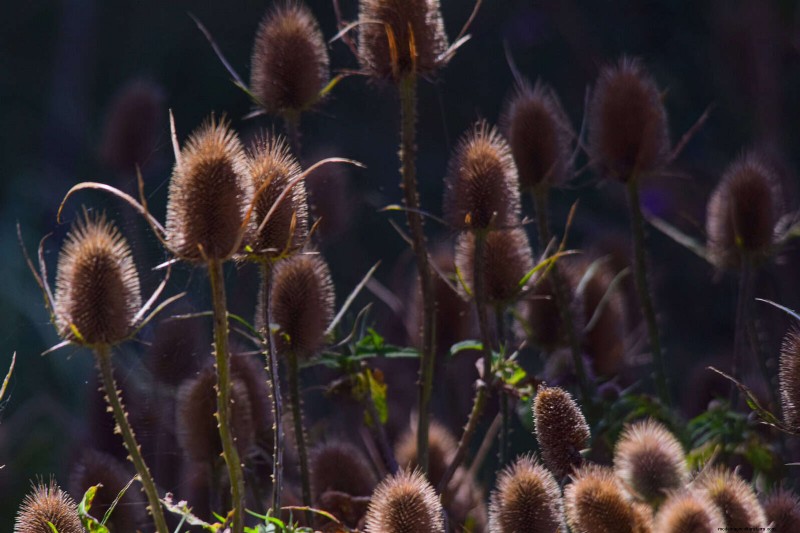
Echinacea, rudbeckia, and liatris produce seed heads that goldfinches, chickadees, and other songbirds rely on throughout winter. Cutting these stems down in fall eliminates a natural food source at the time of year when birds need it most.
 DepositPhotos.com
Leave the seed heads standing until spring. Once you see new basal growth emerging, that’s your signal to clean up the old stems.
You get the benefit of feeding wildlife all winter, and the dead stems add vertical interest to an otherwise flat winter garden.
Plants like bleeding heart, creeping phlox, and some varieties of salvia form their flower buds on the previous year’s stems. If you cut those stems back in fall or early spring, you’re literally removing the flowers before they ever get a chance to bloom.
Know which of your perennials bloom on old wood versus new wood. A good rule of thumb: if it flowers before midsummer, it probably sets buds on old growth and should only be pruned right after it finishes blooming.
Pro Tip: Bloom on old wood = prune after flowering. Bloom on new wood = prune in late winter or early spring before growth starts.
A layer of fallen leaves and mulch around perennial crowns acts as natural insulation during winter’s freeze-thaw cycles. Raking everything away too early in spring exposes tender new shoots to late frosts and temperature swings that can damage emerging growth.
Wait until daytime temperatures are consistently above 50°F before pulling back winter mulch. Even then, do it gradually over a week or two rather than all at once.
Hellebores, heuchera, epimedium, and dianthus maintain green foliage through winter. That foliage isn’t dead weight. It’s actively protecting the crown and, in many cases, still performing some photosynthesis during mild spells.
Instead of a full cutback, selectively remove only the damaged, brown, or tattered leaves. For hellebores, the best practice is to trim old foliage just as the new flower stems begin to rise, which makes the blooms more visible without stressing the plant.
A few warm days in January or February can trick gardeners into thinking spring has arrived early. Pruning during these false starts stimulates fresh growth that has no chance of surviving the inevitable return of freezing temperatures.
The fresh cuts also can’t heal properly in cold weather, leaving open wounds vulnerable to disease. Resist the urge to tidy up until you’re confident that hard frosts are behind you for the season.
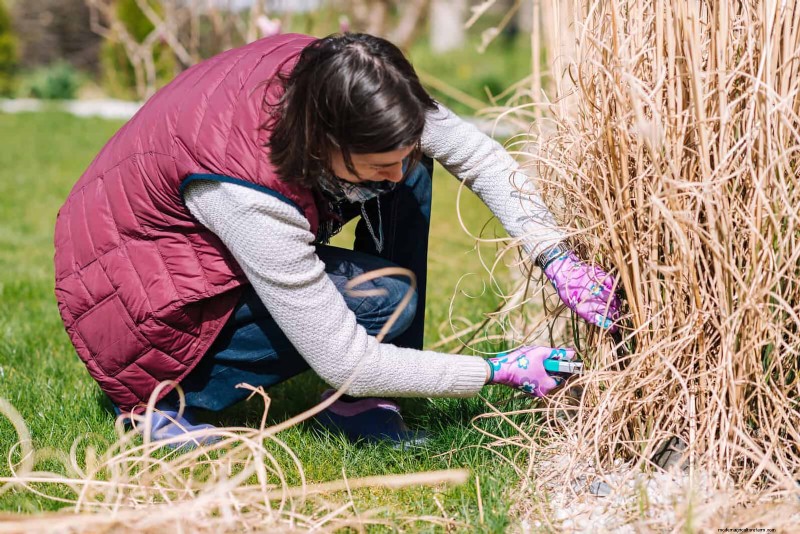
While it’s important not to scalp the crown, the opposite mistake is nearly as common. Leaving 6 to 12 inches of dead stem creates a tangle of brown stalks that shade emerging growth and trap moisture against new shoots.
 DepositPhotos.com
Cut to about 2 to 3 inches from the base. This height protects the crown while keeping the garden bed clean and allowing sunlight and air to reach new growth as it pushes through.
Hollow perennial stems serve as winter homes for solitary bees, ladybugs, and other beneficial insects. These garden allies are sluggish or dormant in early spring and can’t escape when you toss cut stems into the compost bin.
The Xerces Society recommends leaving at least some stems standing until temperatures consistently reach 50°F, which gives overwintering insects time to emerge. If you need to tidy up sooner, bundle the cut stems and leave them at the edge of your garden for a few weeks rather than composting them immediately.
Bearded iris rhizomes sit at or just above the soil surface and need sunlight and air circulation to stay healthy. Some gardeners cut the fan-shaped leaves all the way to the ground in fall or spring, but this removes the plant’s ability to photosynthesize and weakens the rhizome over time.
Trim iris fans to about 6 inches in late fall after the foliage starts to yellow. In spring, remove only the brown, spent leaves and leave healthy green fans intact.
Also clear away any debris sitting on top of the rhizomes, since trapped moisture encourages soft rot.
Cutting back is the perfect time to assess which perennials have outgrown their space. Plants like hostas, daylilies, sedums, and black-eyed Susans form dense clumps that compete with themselves for water and nutrients. The result is fewer blooms and weaker growth in the center of the clump.
Spring cutting back gives you a clear view of the crown structure. If you see a dead or hollow center, that’s your signal to lift, divide, and replant.
Dividing every 3 to 5 years keeps perennials vigorous and blooming at their best. For a step-by-step walkthrough, check out How to Split and Move Hostas in Spring Without Destroying Them.
Spring Perennial Cutting Back Checklist
Most perennial cutting back mistakes come down to timing and technique. The good news is that they’re all easy to fix once you know what to watch for. Give each plant the specific care it needs, and your garden will reward you with stronger, more abundant spring growth.


