Welcome to Modern Agriculture!

Your USDA hardiness zone tells you which plants can survive your winters, but it says almost nothing about when to plant in spring. That distinction trips up gardeners every single year, and the consequences range from stunted seedlings to entire crops lost to a late frost.
 DepositPhotos.com
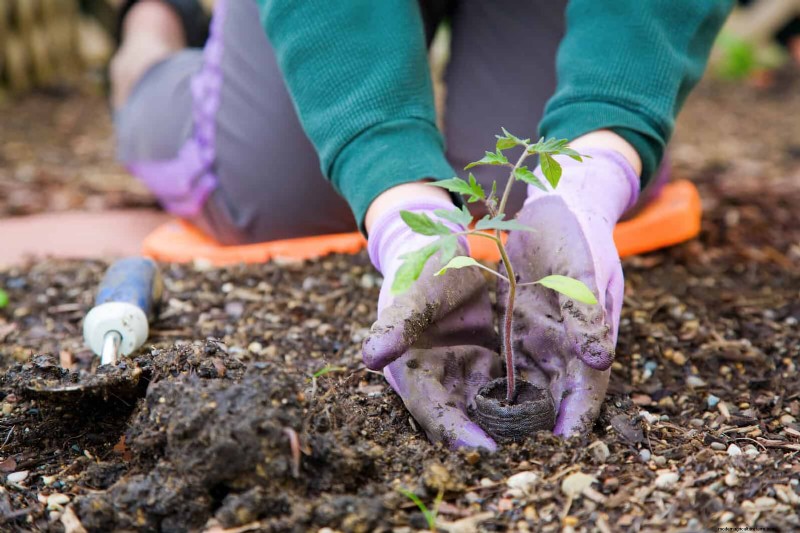
Timing your spring garden correctly means looking beyond the zone map and paying attention to frost dates, soil temperature, and the actual conditions in your yard. Here are 19 spring planting timeline mistakes that can set your garden back for the whole season.
USDA zones measure one thing: the average annual extreme minimum temperature in your area. They exist to help you choose perennials and trees that can survive your winters. They were never designed to tell you when to put seeds in the ground or move transplants outside.
A Zone 7a garden in Virginia and a Zone 7a garden in Oregon can have last frost dates that differ by three weeks or more. The zone number alone gives you no information about spring warm-up speed, rainfall patterns, or how quickly your soil thaws.
Use your zone for plant selection. Then look up your local frost dates and soil conditions for planting timing.
Many gardeners circle their average last frost date on the calendar and treat it like a starting gun. The problem is that different crops have very different temperature needs, and lumping them all together on one day sets some of them up to fail.
Cool-season vegetables like peas, lettuce, and spinach can go in the ground two to four weeks before your last frost date. They actually prefer cooler conditions and will bolt once summer heat arrives.
Warm-season crops like tomatoes, peppers, and squash need to wait until one to two weeks after the last frost date, when both the air and soil have had time to warm.
Pro Tip: Stage your plantings across a three- to four-week window. Start with cold-hardy crops, add half-hardy varieties around your frost date, and finish with heat-loving plants a couple of weeks later.
We'll email it to you so you can read it later!
By saving, you agree to receive occasional emails. Unsubscribe anytime.
Air temperature can spike into the 70s while the soil three inches down is still sitting at 50 degrees. That mismatch is one of the most common reasons spring transplants stall. Roots planted in cold soil cannot absorb phosphorus efficiently, and without phosphorus, growth grinds to a halt.
 DepositPhotos.com
Tomatoes need soil at 60 to 65 degrees Fahrenheit before they will establish well. Peppers and eggplant prefer 65 to 70 degrees. Beans and squash germinate best at 60 degrees or above.
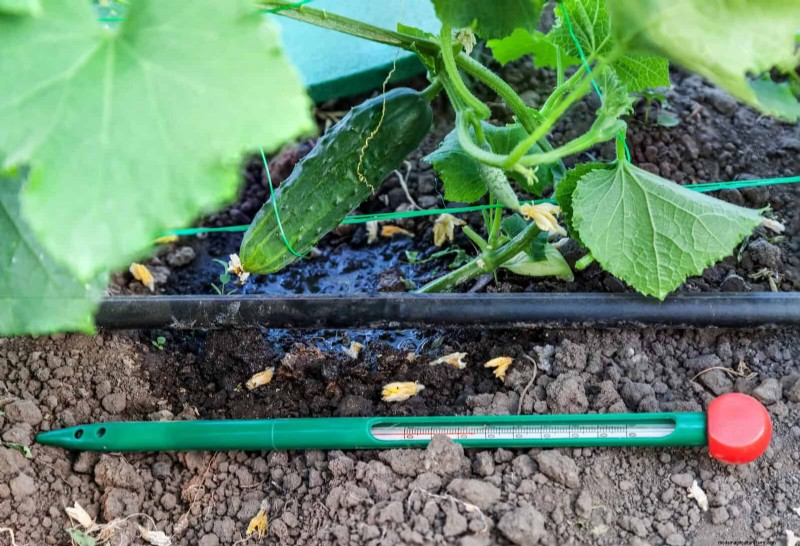
A simple soil thermometer gives you more useful planting information than any frost date chart.
Check your soil temperature at a depth of about three to four inches first thing in the morning, when the ground is at its coolest. That reading reflects what your plant roots will actually experience.
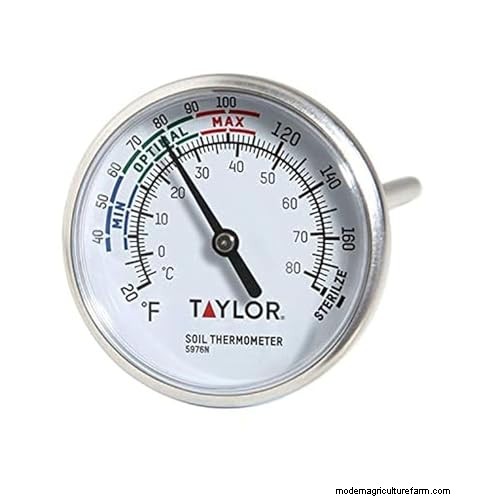
The Taylor Soil Testing Thermometer is a popular choice among home gardeners for checking ground temperature before planting.
View on Amazon.
Long before soil thermometers existed, gardeners timed their planting by watching what was happening in the landscape around them. This practice, called phenology, still works beautifully in any yard.
 DepositPhotos.com
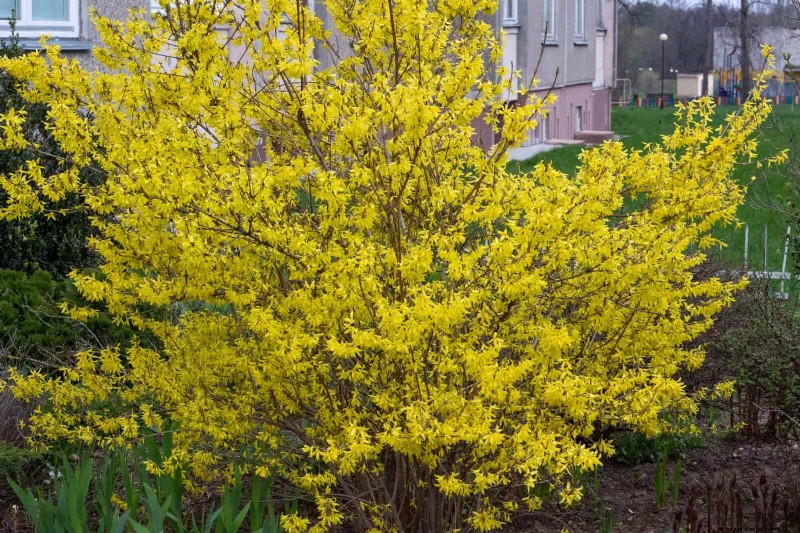
When forsythia blooms, soil has typically warmed enough to plant peas and direct-sow lettuce. When lilacs leaf out, it is time for cool-season transplants like broccoli and cabbage. When lilacs reach full bloom, you can usually plant beans. When apple trees drop their petals, the soil is warm enough for tomatoes and peppers.
These signals respond to the same temperature cues your vegetables respond to, which makes them more accurate for your specific yard than any printed calendar. Track what blooms when in your own landscape and the pattern holds year after year.
If you’re working through early spring jobs, take a look at our guide to 20 March Gardening Tasks You’ll Regret Skipping.
It feels productive to start seeds in February, but timing indoor seed starts too far ahead of your transplant date creates more problems than it solves. Seedlings that outgrow their containers before conditions are right outside become leggy, root-bound, and stressed.
A tomato seedling started eight weeks early in a Zone 5 garden will be ready for transplant long before the soil is warm enough to support it. That means more weeks under grow lights, more repotting, and a plant that has used up energy just surviving indoors.
Count backward from your target transplant date (which itself should be based on soil temperature, not just frost date). Most warm-season crops need six to eight weeks of indoor growing time, and most cool-season crops need four to six weeks.
Indoor seedlings have never felt wind, direct sunlight, or temperature swings. Moving them straight from your kitchen windowsill to the garden bed is a shock that can set growth back by a week or more. Sunburned leaves, wilting, and even plant death are common outcomes.
Hardening off is a gradual process that should take about two weeks. During the first week, set plants outside in a sheltered spot with indirect light for a few hours each day, bringing them back inside at night. In the second week, extend their outdoor time, introduce direct sun gradually, and only leave them out overnight once frost is no longer a threat.
This slow transition triggers the plant to build stronger cell walls and develop more robust roots. Skipping it saves a few days but costs you weeks of recovery time.
If you’re considering starting plants indoors this season, take a look at our guide to 17 Best Plants to Start in Pots Now and Transplant After Last Frost.
Some gardeners know about hardening off but try to compress two weeks into two days. They set their seedlings outside in full sun for an entire afternoon on day one, and by evening the leaves are scorched and curling.
The process works because it gives the plant time to physically adapt. Cell walls thicken, carbohydrate reserves build up, and the amount of freeze-susceptible water inside the plant decreases. None of that happens in a single afternoon.
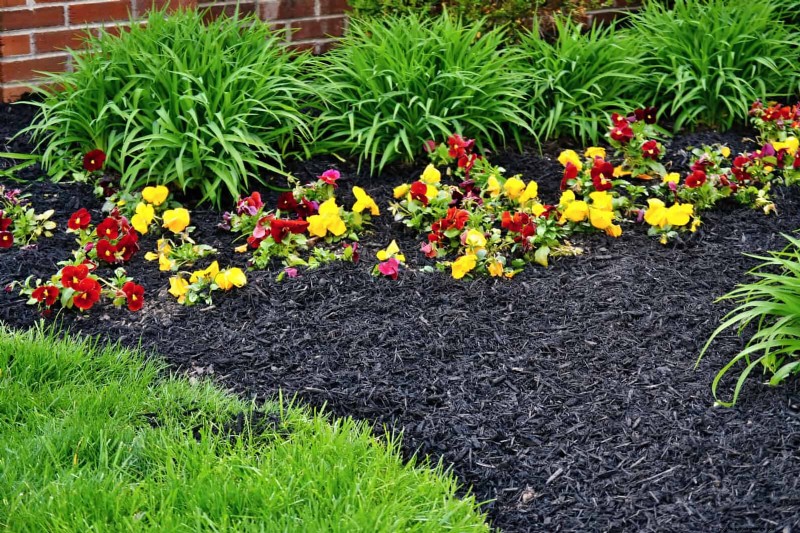
Mulch is one of the best tools in a gardener’s kit, but applying it too early in spring traps cold in the soil and slows the warming process your plants need. If you mulch before the ground has reached at least 55 degrees, you are essentially insulating the cold into place.
 DepositPhotos.com
Early mulch can also smother perennial shoots that are trying to push through the soil surface. Those tender emerging stems need air and light, and a thick layer of mulch forces them to twist, stretch, and weaken before they even reach the surface.
Wait until mid to late spring, after your perennials have emerged and the soil feels warm to the touch. Keep mulch about two inches deep and pull it back from plant crowns and stems.
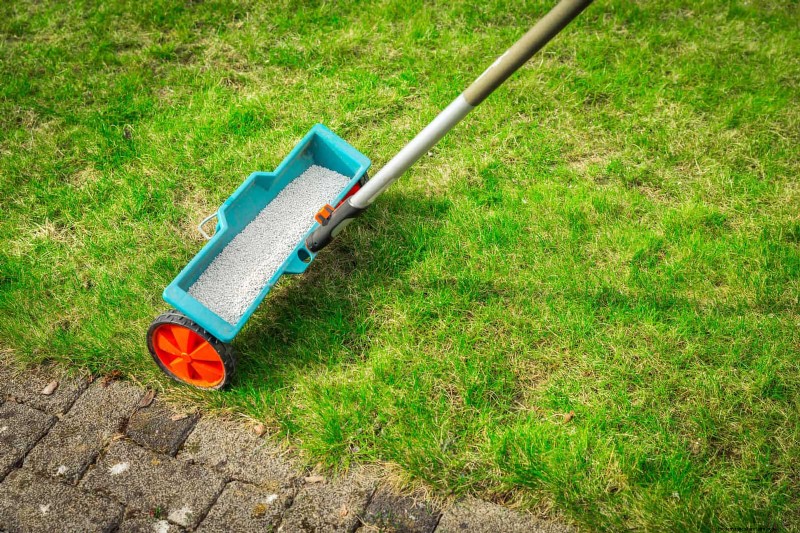
The first warm weekend of spring brings out the fertilizer bags, but plants growing in cold soil cannot actually use the nutrients you are applying. Root activity is tied to soil temperature, and most nutrient uptake slows to a crawl below 50 degrees Fahrenheit.
 DepositPhotos.com
Water-soluble nitrogen applied to cold soil often washes away before plants can absorb it, ending up in local waterways instead of your garden. Granular fertilizers may sit on the surface for weeks, providing a feast for weed seeds once they do start to break down.
Hold off on the first feeding until soil temperatures have held above 55 degrees for a week or more. Your plants will actually respond to the nutrients, and you will avoid wasting product on soil that cannot process it yet.
See more: 15 Spring Lawn Mistakes That Set You Up for a Terrible Summer
The urge to clear away last year’s dead stems and leaf litter at the first warm day is strong, but those garden remnants serve an important purpose. Many native bees and beneficial insects overwinter in hollow stems, leaf litter, and the top layer of soil.
The Xerces Society recommends waiting until daytime temperatures consistently reach 50 degrees Fahrenheit before doing a thorough spring cleanup. That gives overwintering pollinators time to emerge naturally.
Cleaning up on wet soil also risks compacting it, which makes root growth harder for the rest of the season. Wait until the ground feels dry and firm underfoot.
Tomatoes, peppers, cucumbers, and squash are the backbone of most vegetable gardens, and the excitement to get them in the ground early is understandable. But these crops evolved in tropical and subtropical climates, and they simply cannot handle cold soil.
A tomato transplant placed in 55-degree soil will sit there and do almost nothing for weeks. Its roots cannot function properly at that temperature, and the plant becomes an easy target for soil-borne diseases while it waits for conditions to improve.
The same transplant placed in 65-degree soil will show visible new growth within days.
Soil Temperature Quick Reference
Your official USDA zone and frost date apply to your general area, but the conditions in your actual yard can vary dramatically from one spot to another. A south-facing bed against a brick wall might be a full zone warmer than a low-lying corner that collects cold air on still nights.
Virginia’s mountainous terrain provides a striking example: Roanoke County alone spans four different hardiness zones with a 30-day planting difference between them. Your yard may not be that extreme, but the difference between a sunny slope and a shaded hollow can easily amount to a week or two.
Spend a spring season observing where frost lingers in your yard and where it melts first. Place a thermometer in different beds. That knowledge lets you plant earlier in your warm spots and avoid premature planting in your cold pockets.
Your average last frost date is exactly that: an average. In any given year, the actual last frost might arrive two weeks earlier or two weeks later.
Climate patterns have also shifted many frost dates in recent years, making historical averages less reliable than they once were.
Building in a buffer is the simplest protection. If your average last frost date is April 15, plan your warm-season planting for April 25 to May 1. Keep row covers, frost blankets, or even old bedsheets on hand for unexpected cold snaps through the end of spring.
See more: 21 Perennials You Can Still Plant in April That Will Bloom This Year
A stretch of 70-degree days in early March can make it feel like spring has arrived for good. Gardeners who respond by pruning back shrubs and perennials risk creating fresh wounds on plants that will be hit by returning cold. Those open cuts cannot heal in freezing temperatures, leaving the plant vulnerable to disease and dieback.
False springs are especially common in Zones 5 through 7, where a warm spell can be followed by a hard freeze weeks later. The safest approach is to wait until you are past your average last frost date before making major pruning cuts, even if the weather feels warm enough right now.
Apple, peach, pear, and plum trees set their fruit based on blossoms that open in a narrow window each spring. A single late frost at the wrong moment can destroy those blossoms and cost you the entire year’s harvest, even from a healthy, well-established tree.
 DepositPhotos.com
Blossoms at the pink stage can handle temperatures down to about 28 degrees. Once they open fully, they are damaged at 30 degrees and killed outright at 28. Tiny developing fruit is even more sensitive, with injury starting around 28 degrees.
Watch the forecast closely during bloom season. When a late frost threatens, drape your trees with frost blankets or old sheets before sundown and remove them the following morning once temperatures rise. Even a few hours of protection can save the crop.
Most of the attention goes to avoiding planting too early, but planting too late is just as damaging for cool-season crops. Peas, lettuce, broccoli, and spinach thrive in temperatures between 40 and 70 degrees. Once summer heat sets in, they bolt, turn bitter, or stop producing altogether.
In Zones 7 and above, the window for cool-season crops can close surprisingly fast. If you wait until your last frost date to plant lettuce, you may only get a few weeks of harvest before temperatures climb too high. In these warmer zones, cool-season crops often need to go in the ground six to eight weeks before the last frost.
Zone 3 and 4 gardeners have the opposite luxury: their cool spring stretches well into May or even June, giving cool-season crops plenty of time.
Planting a fruit tree in the right USDA zone does not guarantee it will produce fruit. Many fruit trees, especially apples, cherries, and peaches, require a specific number of “chill hours” (hours spent below 45 degrees Fahrenheit during winter) to set fruit the following spring.
A Zone 6 apple variety might need 800 to 1,000 chill hours. Plant that same tree in a mild Zone 9 garden, and it will survive the winter just fine but may never produce a single apple. The tree is technically hardy in your zone, but it is not matched to your climate’s chill pattern.
Research chill hour requirements before buying fruit trees, and check your area’s average chill hour accumulation. Your local cooperative extension office is the best source for this data.
Wondering which perennials are worth planting right now? Check out why your perennials might not be coming back this spring and when to give up.
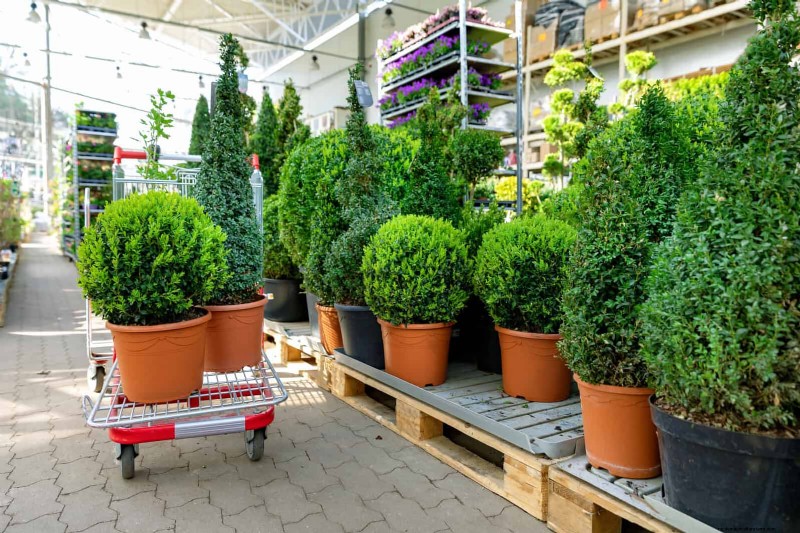
Garden centers stock their most tempting displays weeks before it is safe to plant outside. A gorgeous tomato start or hanging basket at the end of March is hard to resist, but bringing it home creates a new problem: keeping that plant alive until your actual planting window opens.
 DepositPhotos.com
Plants held in small nursery pots for too long become root-bound, develop nutrient deficiencies, and often arrive in the ground already stressed. A four-week hold in a dim garage or on a chilly porch can undo all the vigor the grower built up in the greenhouse.
Match your shopping trip to your planting window. For cool-season crops, that is four to six weeks before the last frost. For warm-season crops, wait until you can plant within a week or two of purchase. Your plants will transition to the garden in much better shape.
Curious what not to do later in the year? Take a look at our guide to 17 Summer Garden Mistakes That Undo All Your Spring Work.
Spring weather is unpredictable, and a watering schedule that works one week may be completely wrong the next. Overwatering newly planted transplants in cool, wet spring soil is one of the fastest ways to invite root rot. Underwatering during a dry, windy stretch is equally damaging.
Check the soil before watering. Stick your finger two inches into the ground near the base of the plant. If it feels moist, leave it alone.
If it feels dry, water deeply and slowly so the moisture reaches the root zone rather than pooling on the surface.
Did You Know? Deep, slow watering encourages roots to grow downward, which makes plants more drought-resistant later in the season. Frequent shallow watering does the opposite, keeping roots near the surface where they are vulnerable to heat and dry spells.
Getting your spring planting timeline right is less about memorizing dates and more about understanding the signals your environment is giving you.
A soil thermometer, a record of your yard’s microclimates, and a willingness to be patient with warm-season crops will do more for your garden than any planting calendar alone. Pay attention to your specific conditions, and your plants will reward you with a strong, healthy growing season.