
Welcome to Modern Agriculture!

Spring is the season of fresh starts in the garden, but it’s also peak feeding time for rabbits. As tender new shoots push through the soil, cottontail rabbits zero in on your beds with laser focus. According to Iowa State University Extension, rabbits can devour peas, beans, beets, lettuce, and tulips right down to the ground, sometimes overnight.
The good news? You don’t have to surrender your garden to them. These 13 strategies range from quick physical barriers to clever planting tricks, and most of them work best when you layer two or three together.
 DepositPhotos.com
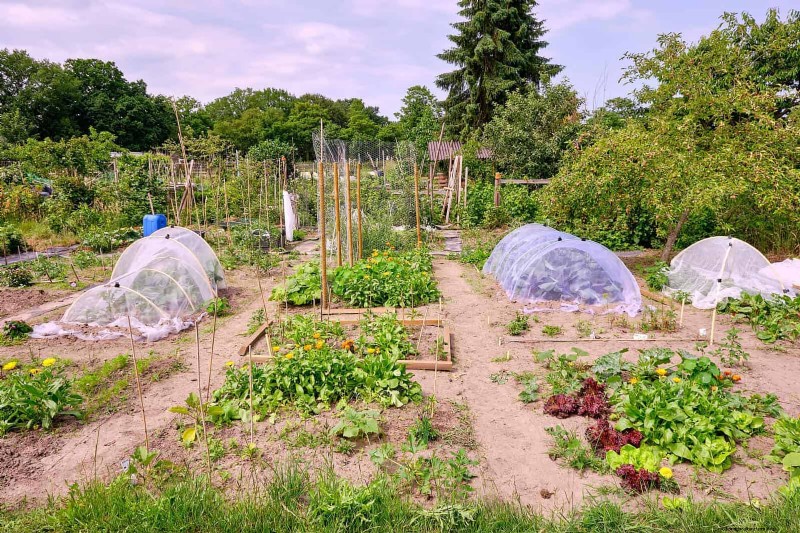
A simple chicken wire fence remains the single most effective way to keep rabbits out of a garden. The University of Minnesota Extension recommends using 1-inch mesh chicken wire that stands 24 inches tall, with the bottom 6 inches buried underground to prevent burrowing.
You don’t need anything fancy. A few wooden stakes, a roll of wire, and an afternoon of work will protect an entire raised bed or garden plot for the whole growing season. The buried portion is the key detail most people skip, and it’s exactly where determined rabbits will try to get through.
For gates and entry points, overlap the wire by several inches and secure it with zip ties or wire clips. Rabbits are surprisingly good at squeezing through small gaps.
Pro Tip: Bend the bottom 3 inches of buried wire outward in an L-shape. This “apron” makes it nearly impossible for rabbits to dig under, even if they start tunneling right at the fence line.
When fencing an entire bed isn’t practical, hardware cloth cages around individual plants work beautifully. Quarter-inch hardware cloth is sturdier than chicken wire and small enough to keep even baby rabbits out.
Form the cloth into cylinders, secure the seam with wire, and push them a few inches into the soil around your most vulnerable plants. This is especially useful for protecting newly transplanted vegetables and young perennials that haven’t established yet.
We'll email it to you so you can read it later!
By saving, you agree to receive occasional emails. Unsubscribe anytime.
 DepositPhotos.com
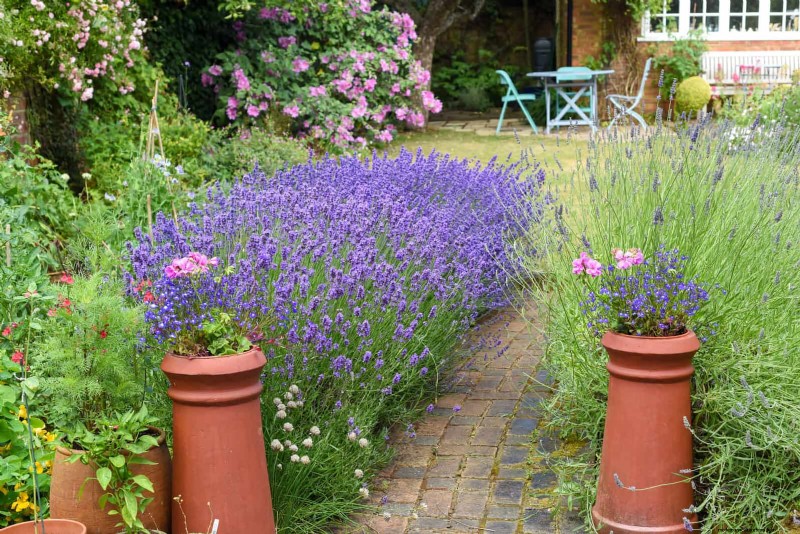
Rabbits navigate largely by smell, and they tend to avoid areas that overwhelm their sensitive noses. Planting a perimeter of aromatic herbs like lavender, rosemary, sage, and thyme creates a natural scent barrier that many rabbits will detour around entirely.
This approach does double duty in a spring garden. You get a functional rabbit deterrent and a supply of fresh cooking herbs all season long. Catmint and Russian sage are two ornamental options that rabbits also find unpleasant, and both thrive with minimal care once established.
If you’re looking to grow bushier, more productive lavender in your border, take a look at our guide to 15 Lavender Growing Tricks for Bushier, More Fragrant Plants.
One honest caveat: scent-based deterrents work best as part of a layered strategy. A very hungry rabbit will push through fragrant herbs if there’s nothing else stopping it.
Commercial repellents like Liquid Fence and Nature’s Mace use combinations of dried blood, egg solids, garlic oil, and capsaicin to make plants smell and taste terrible to rabbits. Most start working within hours of application.
The key with sprays is reapplication. Rain washes them away, and new plant growth won’t be coated. Plan to reapply every two to three weeks during spring, and always after a heavy rain.
Some newer formulas like Plantskydd are rain-resistant once dry and can last up to four weeks during the growing season.
Spray repellents are a great choice for ornamental beds where you don’t want visible barriers. Just avoid applying taste-based repellents directly on edible crops you plan to harvest soon.
View on Amazon
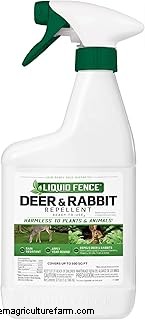
The Liquid Fence ready-to-use formula is one of the most popular options among gardeners. It works on both scent and taste, and you can apply it year-round to protect ornamental plantings.
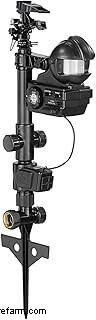
Motion-activated sprinklers combine surprise with a harmless burst of water, and rabbits absolutely hate both. Products like the Orbit Yard Enforcer use an infrared sensor to detect movement, then blast a targeted spray of water that sends rabbits running.
These devices have earned strong reviews for rabbit control specifically, with over 75% of Amazon reviewers rating the Orbit model four or five stars. They work day and night, cover roughly 1,600 square feet, and use only the water needed for each activation.
View on Amazon
Reposition the sprinkler every few weeks. Rabbits are smart enough to learn the boundaries of a stationary deterrent and will eventually test routes around it.
Blood meal is dried, powdered blood sold as a nitrogen-rich fertilizer, and it doubles as a surprisingly effective rabbit deterrent. The scent mimics a predator presence, triggering a fear response in rabbits that keeps them away from treated areas.
Sprinkle it lightly around the base of your most targeted plants and along garden borders. It feeds your soil at the same time, so it’s a genuine two-for-one. Reapply after rain or every couple of weeks as the scent fades.
Did You Know? Blood meal contains roughly 12% nitrogen, making it one of the strongest organic nitrogen sources available. Your plants get a growth boost while rabbits get a clear “stay away” signal.
One word of caution: blood meal can attract dogs and cats, so keep that in mind if pets have access to the garden area.
 DepositPhotos.com
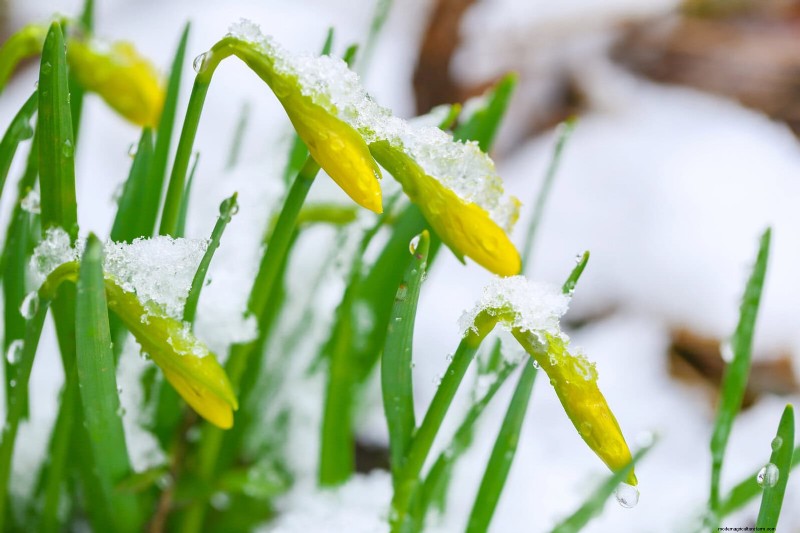
Daffodils contain lycorine, a naturally toxic alkaloid that rabbits instinctively avoid. Planting them in dense swaths along the edges of your garden creates a living fence that blooms beautifully every spring while keeping cottontails at bay.
Alliums (the ornamental cousins of onions and garlic) work on a different principle. Their strong sulfur-based scent is deeply unpleasant to rabbits. Giant alliums like ‘Globemaster’ and ‘Purple Sensation’ add dramatic vertical interest to beds while serving as natural deterrents.
Interplant daffodils among your tulips, which are one of the first things rabbits target in spring. The daffodils won’t protect the tulips completely, but they make the area less attractive overall.
See more: 21 Daffodil Planting Secrets That Triple Your Spring Display
A female cottontail can produce three to four litters per year, with up to 12 kits per litter. If your yard offers cozy hiding spots close to food, you’re essentially running a rabbit hotel with an all-you-can-eat restaurant downstairs.
Walk your property in early spring and clear out any brush piles, tall grass clumps, or debris that could shelter a nest. Pay special attention to areas under decks, sheds, and low hedges. Rabbits prefer nesting within a short distance of their food source, so reducing cover near the garden makes your beds far less convenient.
Raised beds already give you a height advantage, and adding a simple wire mesh barrier around the sides turns them into a fortress. Staple chicken wire or hardware cloth to the exterior of the bed frame, extending it from the ground up to a few inches above the soil line.
For new raised beds, consider lining the bottom with hardware cloth before filling with soil. This stops burrowing from below and also helps deter moles and voles. A 24-inch-tall bed with wire mesh on the sides is usually enough to discourage casual rabbit browsing, though a determined jumper can clear that height on occasion.
Capsaicin, the compound that makes hot peppers burn, is intensely unpleasant to rabbits. A homemade spray is cheap and simple: blend two tablespoons of cayenne pepper into a gallon of water, add a few drops of dish soap (it helps the mixture stick to leaves), and strain into a spray bottle.
Spray it directly on plant foliage you want to protect. The dish soap acts as a surfactant, keeping the capsaicin on the leaves longer. Reapply after rain and every week or so during peak growing season.
This works especially well on ornamental plants. For edible crops, stick to applying it on outer leaves you won’t be harvesting, or switch to a commercial food-safe repellent.
 DepositPhotos.com
Marigolds have been a go-to companion plant for generations, and their strong, musky aroma genuinely discourages rabbit browsing. Tucking them between rows of vegetables or lining flower beds with them adds a layer of scent protection right where it matters most.
French marigolds tend to produce the strongest scent, making them the best choice for deterrent purposes. They bloom from late spring through the first frost, providing months of continuous protection. As a bonus, they also help repel aphids and certain nematodes.
 DepositPhotos.com
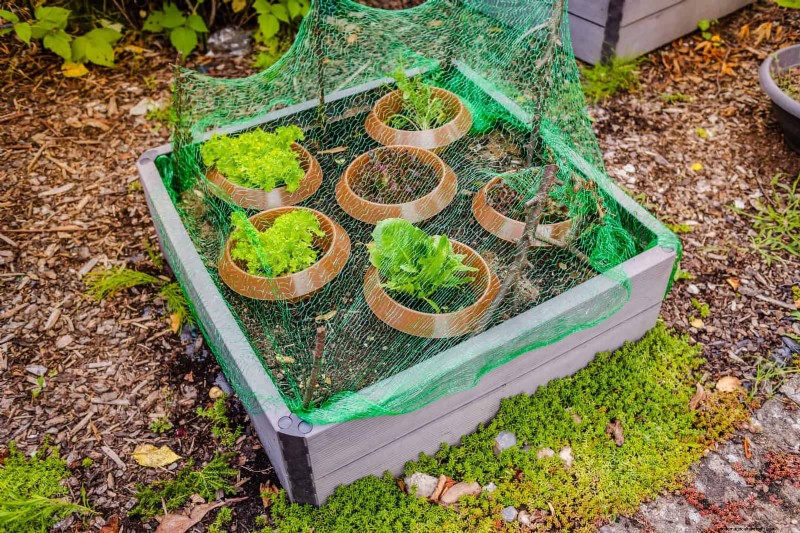
Young seedlings are the most vulnerable plants in a spring garden. They’re tender, close to the ground, and packed with the kind of nutrients rabbits crave. Garden cloches (individual plant covers made from glass, plastic, or wire mesh) provide a physical shield during those critical first few weeks.
Wire mesh cloches are the best option for rabbit protection because they allow air and water through while keeping teeth out. You can buy them or make your own from small sections of chicken wire bent into dome shapes. Remove them once the plants are large enough and established enough to handle minor nibbling.
Quick Checklist: Protecting Spring Seedlings
✅ Cover transplants with wire cloches immediately after planting
✅ Check cloches daily for wind displacement
✅ Remove once plants reach 6 to 8 inches tall
✅ Transition to perimeter fencing or repellent sprays at that point
This one sounds counterintuitive, but it works. Dedicate a small, out-of-the-way corner of your yard to plants that rabbits love: clover, lettuce, and plantain weed. The idea is to give them a preferred food source that draws their attention away from your main garden beds.
Place the sacrificial patch at the far edge of your property, as far from your main garden as possible. Rabbits are creatures of habit, and once they find a reliable food source, they tend to return to it consistently rather than exploring new territory.
This strategy works best in combination with at least one physical deterrent on your main beds. Without that backup, a particularly bold rabbit might decide to sample both buffets.
For more spring prep strategies that protect your garden long-term, check out 20 March Gardening Tasks You’ll Regret Skipping.
No single method is rabbit-proof on its own. The gardeners who report the most success use two or three strategies together: a physical barrier as the foundation, a scent or taste deterrent as a backup, and smart planting choices to make the whole garden less appealing. Start with whichever method fits your budget and situation, then add layers as needed.
Spring is short, and rabbits are persistent. But with a little planning before the growing season kicks into high gear, you can keep your garden thriving while the local cottontails find dinner somewhere else.


