Welcome to Modern Agriculture!

You want to start a garden. You’ve thought about it for months. But every time you sit down to actually plan it, the questions pile up. Raised beds or in-ground planting? Annuals or perennials? What’s your soil pH? How many hours of sun does that corner of the yard actually get?
Two hours later, you’ve bookmarked 47 articles, bought nothing, planted nothing, and convinced yourself you need to research more before you begin.
If that pattern sounds painfully familiar, you’re not struggling because you’re doing something wrong. You’re struggling because gardening advice assumes you have unlimited decision-making energy, consistent executive function, and the bandwidth to juggle 20 variables at once. Most people don’t. And pretending otherwise just makes starting feel impossible.
Here’s what actually works: you don’t need a comprehensive plan to start a garden. You don’t need to master the theory first. You need one dead-simple starting point and permission to learn by doing. These steps, in reverse order, will get you there.
“Starting a garden when you feel overwhelmed isn’t about doing it perfectly. It’s about doing it at all.”
 Depositphotos
The internet offers you a thousand conflicting opinions on every single gardening question you could possibly ask. Water deeply once a week. No, water lightly every day. Fertilize weekly. Actually, don’t fertilize at all. Use neem oil for pests. Neem oil doesn’t work. Mulch heavily. Mulch traps moisture and causes rot.
This isn’t helpful information. It’s paralysis fuel.
Instead of absorbing everything, pick one trusted voice. That might be a staff member at your local nursery who knows your climate. It might be one gardening YouTuber whose aesthetic and approach resonate with you. It could be a neighbor whose yard you admire.
Having a single go-to source cuts through the noise. When you’re stuck, you ask that person. You follow their advice. If it doesn’t work, you troubleshoot with them, not by opening 15 browser tabs and trying to synthesize contradictory guidance.
 Depositphotos
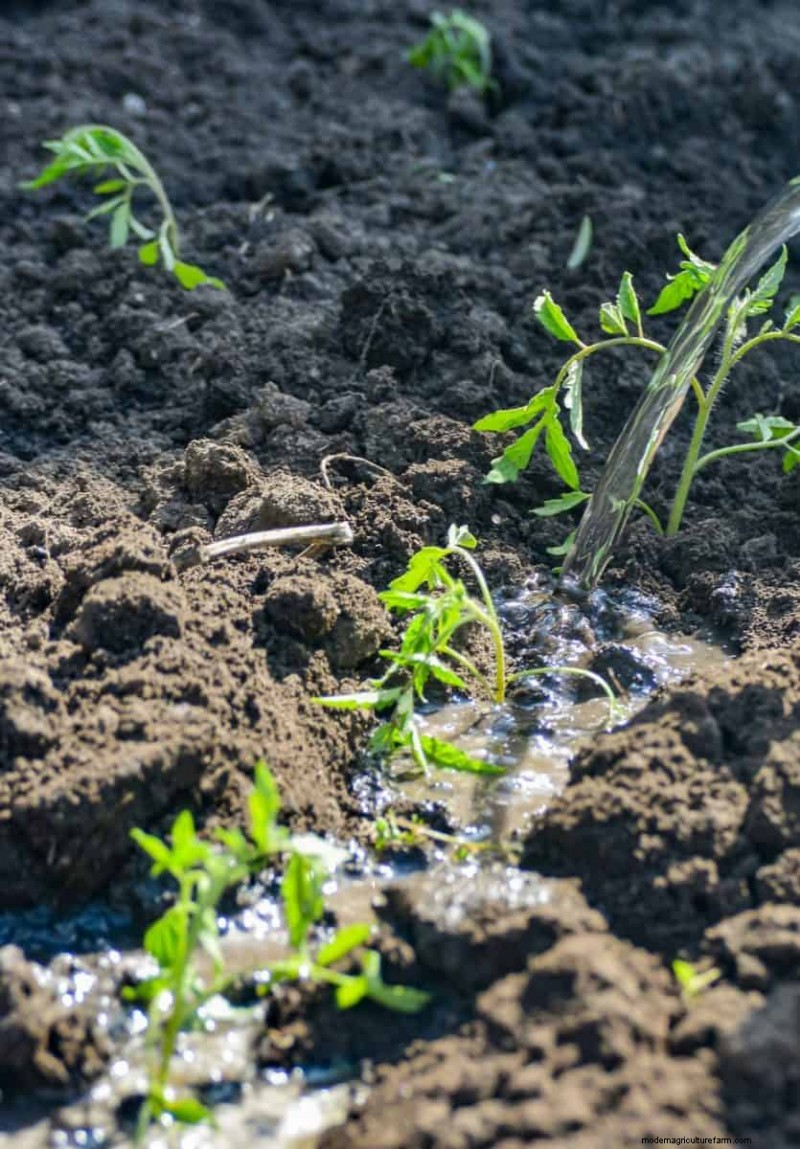
New gardens look rough. Seedlings are tiny and spindly. Bare soil shows between plants. Pots look half-empty. Vines haven’t filled in yet. Nothing looks like the “after” photos.
This is completely normal. Your garden isn’t failing. It’s just young.
Every garden you’ve ever admired went through an awkward phase. The difference is that nobody posts photos of that phase. You only see the end result: lush, filled-in, mature. That tomato plant took three months to get bushy. Those trailing vines needed a full season to cascade over the edge of the planter.
Give your garden time to grow into itself. What looks sparse in early spring will look completely different by midsummer. The only gardens that skip the ugly phase are the ones grown by professionals in controlled greenhouse conditions and sold to you already mature. Yours gets to take its time.
Related: Think you need a sunny yard to get started? Not even close. Here are 25 Indoor Plants That Can Survive in Windowless Rooms.
We'll email it to you so you can read it later!
By saving, you agree to receive occasional emails. Unsubscribe anytime.
Perfectionism kills more gardens than pests, weather, and neglect combined. If your standard for gardening is “everything should be Instagram-ready at all times,” you’re going to burn out before July.
Instead, write yourself a “done enough” checklist. This is a short list of the bare minimum your garden actually needs from you each week. It might look like: water the pots, pull weeds taller than your hand, check for obvious pest damage. Three tasks. That’s it.
If you do more than those three things, great. If you don’t, your garden is still cared for. Having a clear finish line prevents the “I should be doing more” spiral that turns gardening from a hobby into a source of guilt.
Some weeks you’ll deadhead flowers and tidy up edges. Other weeks you’ll do the bare minimum and call it good. Both weeks count. Your garden doesn’t need perfection. It needs consistency, and consistency is way easier when you know exactly what “enough” looks like.
Initial Cost: Budget-friendly (one pot, one plant, soil)
Time to Set Up: 15-30 minutes
Weekly Maintenance: 10-20 minutes
Difficulty Level: Beginner-friendly
 Shutterstock
Maybe your dream is a full cottage garden with climbing roses, a stone path, and raised beds full of heirloom vegetables. That vision is beautiful. Hold onto it. But right now, today, the only step that actually matters is the smallest possible action that gets your hands in soil.
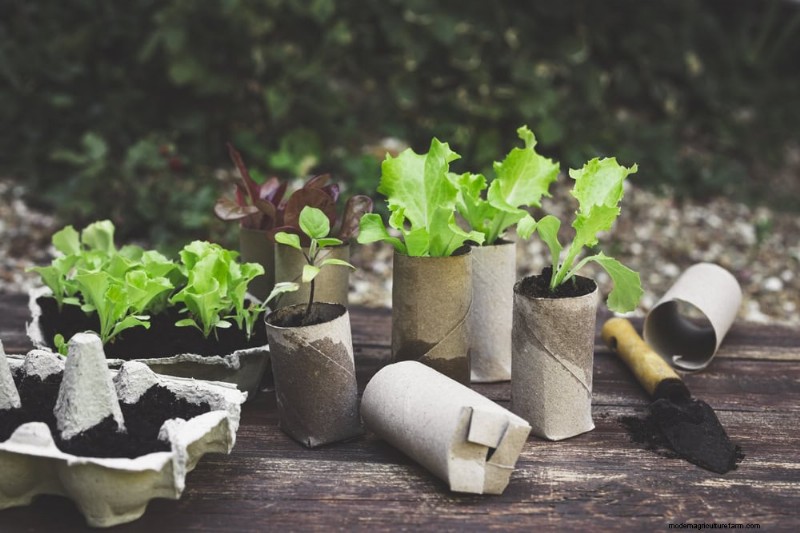
Buy one bag of potting mix. Pick up one plant at the grocery store. Repot one sad houseplant that’s been sitting in its nursery container for six months. Any of these count as starting.
You don’t need to see the whole staircase to take the first step. In gardening, one small action tends to lead naturally to the next. You plant one pot, and a week later you’re thinking about what else might fit on that windowsill. A month later you’re eyeing the empty corner of the porch. That’s how real gardens actually grow.
The cottage garden can wait. The raised beds can wait. Right now, just do the one tiny thing that moves you from “thinking about gardening” to “person with a plant.”
 Depositphotos
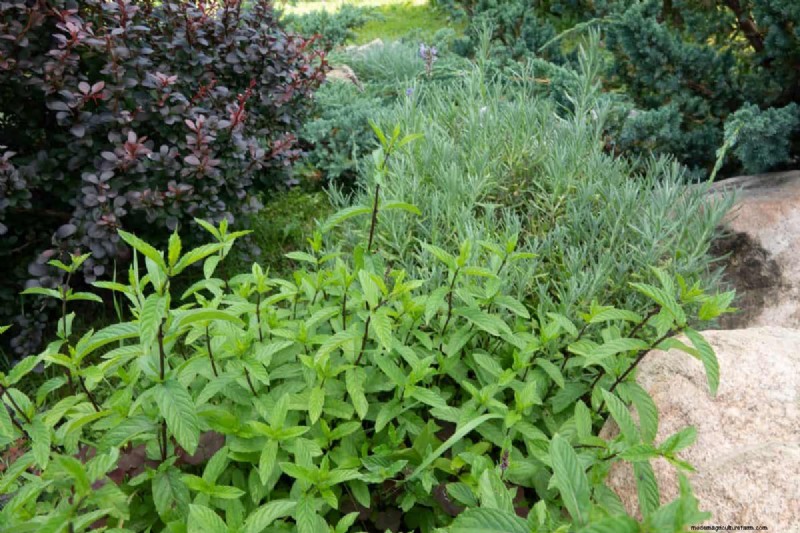
Here’s why herb gardens get recommended so often for beginners, and it’s not just because herbs are easy to grow. It’s because picking fresh basil for your pasta or snipping mint for your water gives you a tangible, immediate reward that a decorative plant can’t match.
That built-in payoff keeps you coming back to check on your plants even on days when “taking care of the garden” feels like another item on your to-do list. You’re not maintaining a plant. You’re grabbing an ingredient. The motivation is built in.
Herbs like basil, rosemary, chives, and mint grow fast, forgive mistakes, and make your food taste better. Basil in particular grows so aggressively that you’ll feel like a gardening genius within two weeks. Mint spreads like it’s trying to take over your entire yard (which is why you should keep it in a pot). Rosemary can survive weeks of neglect and still smell amazing.
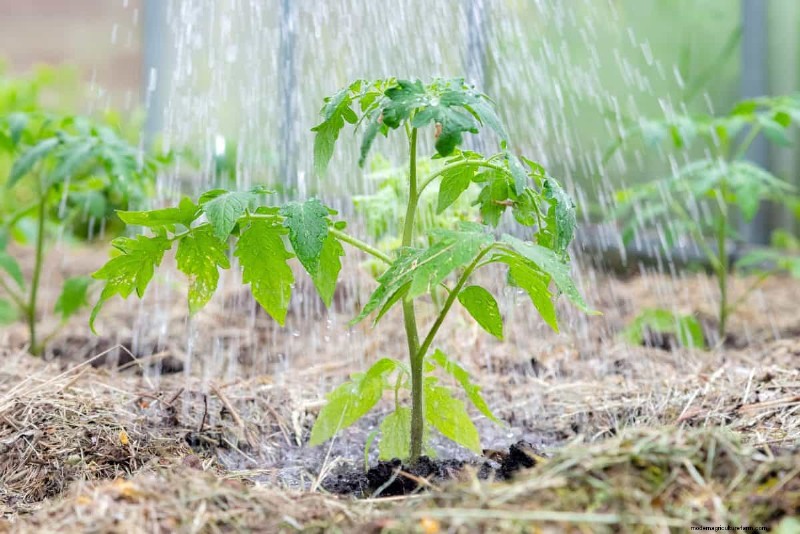
Cherry tomatoes work the same way. Watching a tiny green tomato slowly turn red on the vine is oddly satisfying, and eating something you grew yourself hits different than anything you buy at the store. It’s the easiest gardening win you can get.
That’s it. You can add more later, but this is everything you need to start.
 Depositphotos
Planted your tomato in too much shade? It’ll grow slowly and produce fewer fruits, but you’ll learn what “not enough sun” actually looks like. Overwatered your succulent? It’ll get mushy, and now you know what overwatering does in real life instead of theory. Forgot about your herbs for two weeks? Some might bounce back, some won’t, and you just learned which plants are truly forgiving.
Congratulations. You’re gardening. This is what it actually looks like.
Every experienced gardener you’ve ever admired has a long list of plants they’ve killed. Roses that got black spot. Tomatoes that split from inconsistent watering. Entire beds that got decimated by slugs. The difference between them and someone who quit is that they shrugged, composted the evidence, and tried something different the next season.
Gardening is not a test. There is no grade. There is no right answer that works in every situation. What works in one yard might fail in the yard next door because the soil is different, the drainage is different, the sun exposure is slightly off.
The only real mistake is not starting because you’re afraid of making mistakes. Skip the fear. Plant the thing. See what happens. Adjust based on results, not theory.
 Shutterstock
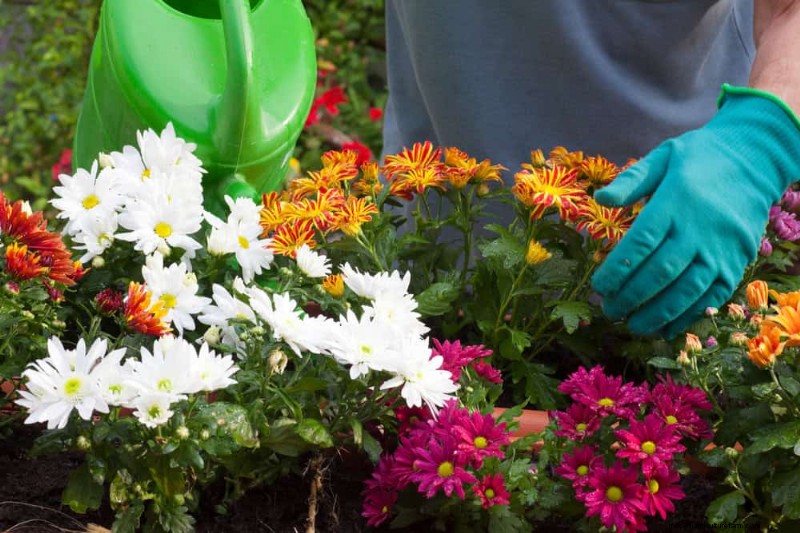
Trying to “remember” to water your plants is a setup for failure, especially if your memory isn’t always reliable or your days don’t follow a predictable routine. Your brain has enough to track already. Don’t add “is today a watering day?” to the list.
Instead, tie watering to something you already do without thinking about it. Every morning when you make coffee, check your plants. Every Sunday when you do laundry, water everything. Every time you take the trash out, give the porch pots a drink. Attach the new habit to an existing one.
If even that feels like too much to keep track of, self-watering pots and drip irrigation kits exist specifically to take this entire issue off your plate. They’re not expensive. A basic self-watering planter costs about the same as a regular pot, and it has a built-in reservoir that keeps soil consistently moist for days.
Drip irrigation kits let you set a timer so your plants get watered automatically, whether you’re home or not. You can find simple kits designed for container gardens that run off a regular garden hose. Set it once, forget about it, and your plants stay hydrated.
There’s zero shame in automating the parts of gardening that don’t bring you joy. If watering feels like a chore instead of a ritual, remove it from your plate and focus on the parts you actually enjoy.
Related: If you’re looking for plants that won’t punish you for forgetting a watering or two, check out 26 Beginner Houseplants That Practically Thrive on Neglect.
 Depositphotos
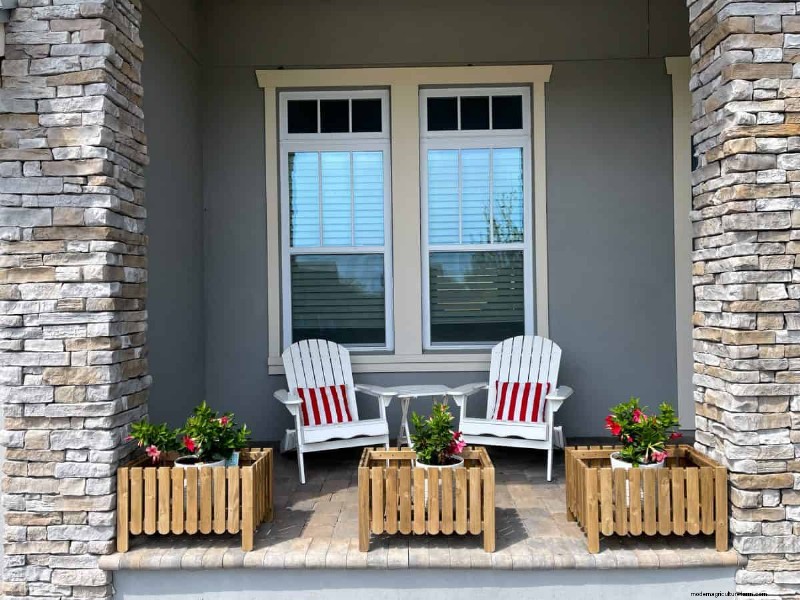
Don’t overthink location. Where do you already spend time outside? That’s where your garden goes. If you drink coffee on the front porch every morning, put a pot of herbs on the porch railing. If you’re always looking out the kitchen window while you do dishes, put a planter box right outside it where you can see it.
The closer your garden is to your daily routine, the more likely you are to notice it, water it, enjoy it, and actually keep it alive. Gardens tucked away in the back corner of the yard tend to become out-of-sight, out-of-mind projects that slowly get abandoned because you have to make a special trip just to check on them.
Keep your garden where you’ll see it every single day without effort. That visibility is half the battle. When your plants are right in front of you, you’ll notice when they need water. You’ll see new growth. You’ll catch pest problems before they get out of hand. You’ll remember that gardening is something you do, not something you meant to do.
This doesn’t mean the back corner is off-limits forever. It just means you start with the easiest win. Get one pot thriving in a high-visibility spot, and then you can think about expanding into other areas.
This is probably the most important thing nobody tells new gardeners. The best garden for you is not the most impressive one you can imagine. It’s the one you’ll actually maintain on your worst day.
If you have consistent energy, predictable free time, and the mental bandwidth to manage a big project, sure, go for the raised bed setup. Build the 4×8 planter box. Plan out crop rotation. Have fun with it.
But if your energy is unpredictable, if some weeks you barely have enough bandwidth to keep yourself fed and showered, a windowsill herb garden or two potted plants on the porch is not “settling.” It’s smart planning. You’re setting yourself up to succeed instead of setting yourself up to feel guilty every time you look at an overgrown mess you don’t have the energy to fix.
A small garden that brings you joy is worth infinitely more than an ambitious one that becomes another source of stress. You can always scale up later when it feels right. You cannot scale up a garden you’ve already abandoned because it was too much to handle from day one.
Start small. Stay small for a while. Let your garden grow at the same pace your capacity grows. That’s not a compromise. That’s gardening in a way that actually works for your life.
Q: How often should I water a container garden?
A: It depends on your climate and pot size, but generally when the top inch of soil feels dry to the touch. In hot weather, that might be daily. In cooler weather, maybe twice a week.
Q: What if I kill my first plant?
A: You learned something. Compost it, get another plant, and adjust based on what went wrong. Every gardener kills plants. It’s part of the process.
Q: Do I need to fertilize?
A: Eventually, yes, but not right away. Potting mix has enough nutrients for the first few weeks. After that, a basic all-purpose fertilizer used at half strength works for most beginners.
 Depositphotos
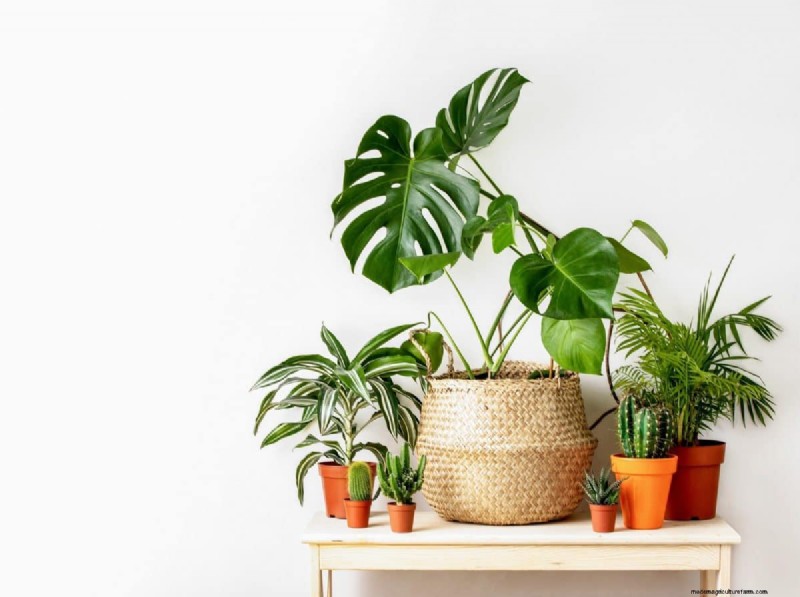
Walking into a garden center with no plan is sensory overload for anyone, but it’s especially brutal if you get stuck when there are too many choices. Rows of plants. Dozens of varieties of the same plant. Different pot sizes. Different price points. Signs with conflicting care instructions. It’s a lot.
The three-plant rule keeps things simple: walk in knowing you’re buying exactly three plants. Not two. Not five. Not “whatever looks good.” Three.
Pick one you know. Something familiar that you’ve seen before, grown before, or at least heard of. Basil. A spider plant. Whatever feels like a safe bet. This is your anchor plant, the one you’re confident won’t immediately die.
Pick one that catches your eye. Forget practicality for a second. What plant are you drawn to in this moment? What color, shape, or texture makes you want to bring it home? This is your joy plant. It doesn’t have to make sense. You just have to like it.
Pick one the staff recommends for your space. Tell them where you’re planning to put it (porch, windowsill, back patio) and what kind of light it gets. Let them point you toward something that will actually thrive there. This is your learning plant, the one that teaches you something new.
Three plants, three pots, done. You’re out the door with something to work with instead of spiraling in the succulent aisle for 45 minutes and leaving empty-handed because you couldn’t decide.
If decision fatigue and low-energy days are part of your reality, The Neurodivergent Gardener is a downloadable guide that matches every part of the gardening process to your energy level, sensory needs, and daily rhythm, 89 pages of practical strategies for gardeners whose brains work a little differently.
 Depositphotos
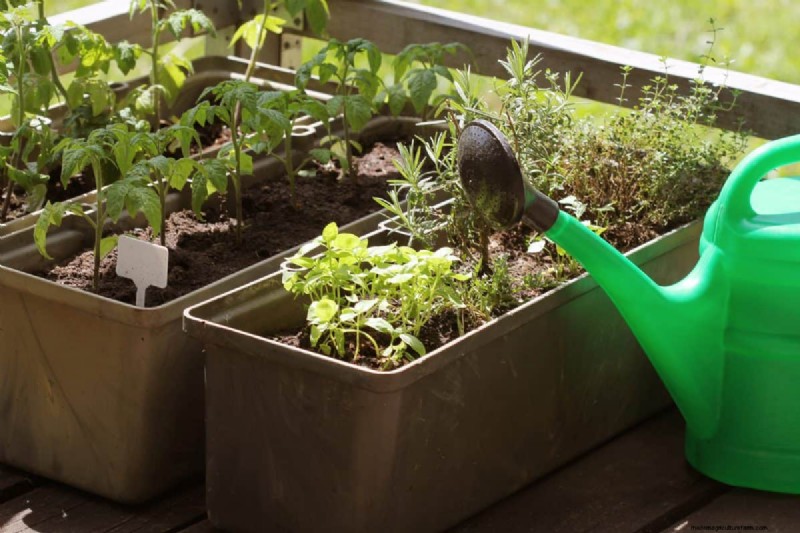
Those perfectly symmetrical raised beds with color-coordinated flowers, artisan trellises, and hand-lettered plant markers? Those are aspirational content. They are not a starting point. Comparing your first attempt to someone’s fifth-year garden is a fast track to quitting before you even begin.
A real beginner garden looks like three mismatched pots on a patio. It looks like a single herb struggling in a kitchen window. It looks like one scraggly tomato plant in a sunny corner held up with a makeshift stake. That’s not failure. That’s how every good garden starts.
The beautiful gardens you see online didn’t start beautiful. They started small and awkward and imperfect, just like yours. The only difference is that nobody posts photos of the awkward phase. You only see the result after years of learning, adjusting, replanting, and figuring out what works in that specific space.
Your garden doesn’t need to look like theirs. It needs to look like yours. A few plants that you actually care for will always beat a Pinterest-worthy setup that you abandon after two weeks because it was too much to maintain.
 Shutterstock
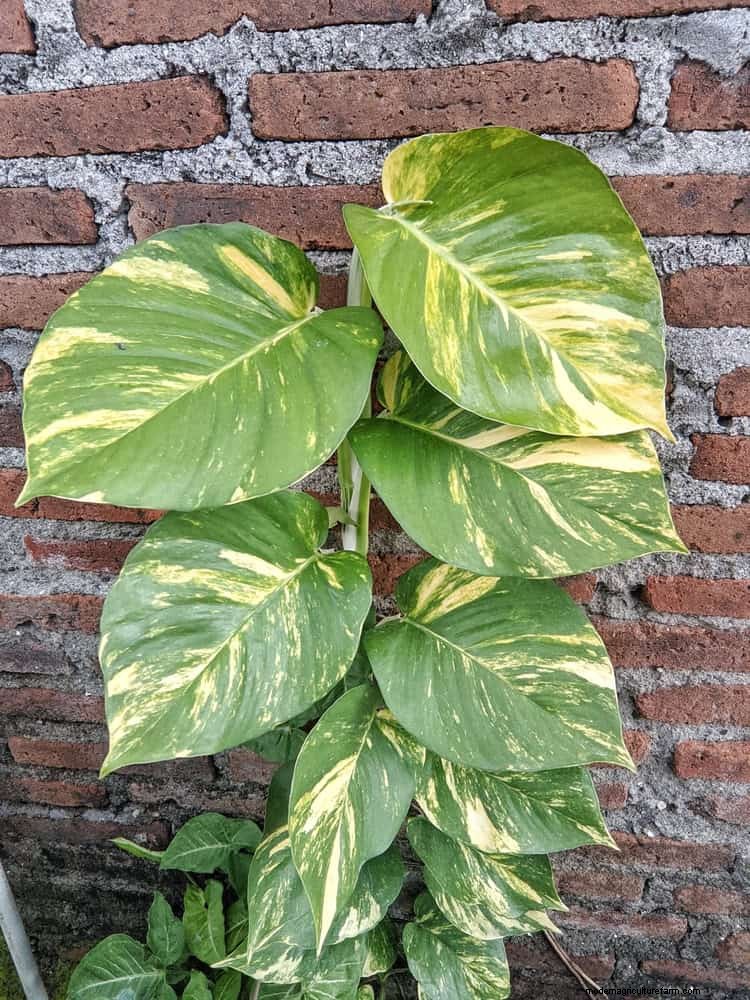
Your first plant should not be a fiddle leaf fig. It should not be a maidenhair fern. It should not be anything described as “rewarding for experienced growers” or “thrives with proper care.” Your first plant should be nearly impossible to ruin.
Good starter plants include pothos, snake plants, rosemary, mint, cherry tomatoes, and spider plants. These are plants that forgive you when you underwater. They bounce back from a week of neglect. They give you visible signs of growth quickly, and that fast feedback matters more than people realize.
Watching something you planted actually grow is a powerful motivator to keep going. It proves that you can do this. It shows you that gardening isn’t some mysterious skill you don’t have. You put a plant in soil, you watered it, and it grew. That success builds momentum.
Choose a plant you’ll actually notice and care about. If you cook, start with an herb you use regularly. If you want something pretty on your desk, go with a trailing pothos. If you want to feel like a real gardener right away, grab a tomato seedling from your local garden center and watch it produce actual food.
The goal isn’t to pick the most impressive plant. The goal is to pick something that will still be alive in a month so you can build confidence and keep going.
 Depositphotos
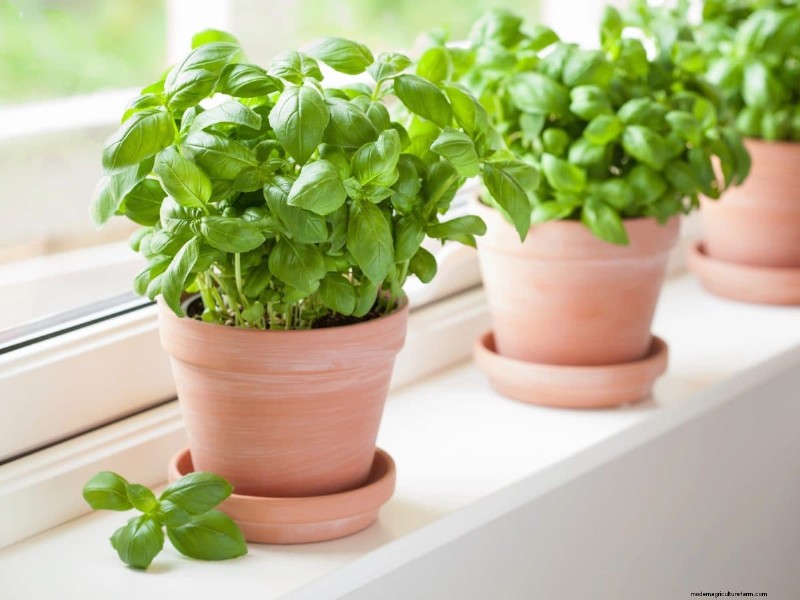
Not a whole garden bed. Not a raised planter system you saw on YouTube. Not a collection of six cute matching pots. One pot. A single container with one plant in it. That’s the entire assignment.
A pot removes almost every decision that makes gardening feel overwhelming. You don’t need to prep soil in the ground. You don’t need to figure out spacing or companion planting. You don’t need to commit to a layout you might regret later. You just need a container with a drainage hole, some potting mix, and one plant.
Put it somewhere that gets a few hours of light. Water it when the soil feels dry an inch below the surface. That’s it. You’re gardening.
If that one pot does well, you can add another pot whenever you feel like it. If it doesn’t do well, you learned something without turning your entire yard into a project you now dread looking at. One pot is low stakes. One pot is reversible. One pot is the smallest possible version of the thing you’re trying to do, and small is exactly what you need right now.
The garden you’re imagining can wait. The elaborate setup can wait. Right now, get one plant in one pot and see what happens. Everything else builds from there.
Starting a garden when you feel overwhelmed isn’t about doing it perfectly. It’s about doing it at all. One pot on the porch. One herb on the windowsill. One tomato plant that somehow made it to August. That’s a garden, and it counts.
The overwhelm is real, but it’s also temporary. Once your hands are in the dirt and something green starts growing, the noise quiets down. You stop worrying about doing it right and start figuring out what works for your space, your schedule, your energy level. That’s when gardening stops being a project you’re planning and becomes something you just do.