Welcome to Modern Agriculture!

A sprawling backyard offers endless possibilities. Large outdoor spaces give you room to dream big, implement multiple features, and create zones that simply wouldn’t fit in smaller yards.
If you’re lucky enough to have abundant square footage out back, you might be wondering where to start. Big backyards can feel overwhelming without a clear vision or plan guiding your decisions.
After digging through the research and collecting insights from experienced landscape designers, here are some incredible ideas specifically for those blessed with abundant outdoor space. These approaches will help you transform that vast canvas into a beautiful, functional extension of your home.
💡 Planning Tip
Before diving into any major landscaping project, create a rough sketch or use garden planning software to map out zones and traffic patterns. This prevents costly mistakes and helps you see how different areas will connect and flow together.
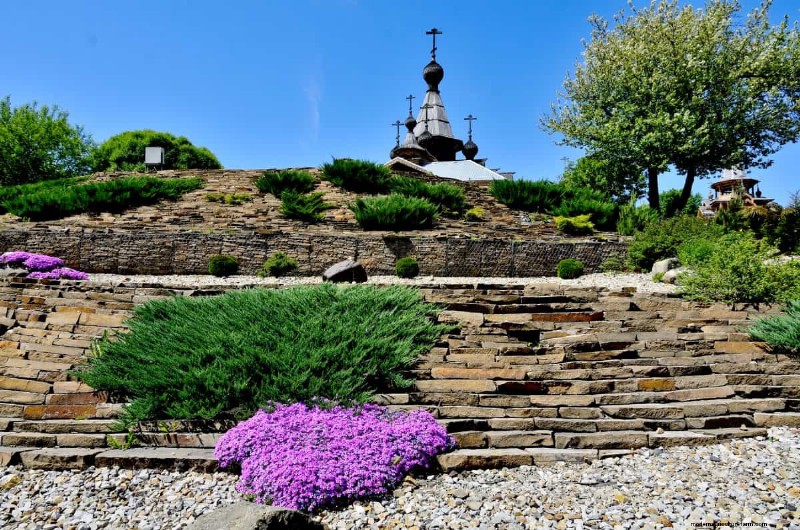
Natural stone terraces add dimension and character to large, flat backyards. These stepped platforms create visual interest while defining different functional areas of your outdoor space.
You can use materials like flagstone, slate, or limestone to create a rustic yet elegant look. The consensus among growers is that terraces solve drainage issues beautifully on sloped properties, turning problematic areas into stunning, usable spaces.
Add lush plantings between levels for softness and color. Install built-in seating along terrace edges where people can pause and take in the view. Create dedicated spaces for dining and lounging at different elevations. The varied heights will make your backyard feel more intimate despite its large size.
Consider how water flows through your terraced design. Proper drainage channels between levels prevent erosion and direct water where you want it. Some homeowners incorporate small streams or rills that cascade from one terrace to another, adding movement and sound to the space.
Read more: Limestone Garden Edging [Tips, How-To and Pictures]
Cascading waterfalls, streams, and ponds create a sensory experience in expansive yards. The sound of flowing water adds peaceful ambiance that transforms your backyard into a relaxing retreat.
In large spaces, you can design water features that meander through your landscape, connecting different garden areas like a thread weaving through fabric. Consider incorporating bridges, stepping stones, or viewing platforms around your water features to enhance the experience and create stopping points along pathways.
Koi ponds become focal points that draw people through your landscape. Natural swimming ponds offer recreation and beauty combined. Reflective pools create moments of stillness that contrast beautifully with more active garden areas.
Add underwater lighting for dramatic evening effects. The play of light on moving water creates ever-changing patterns that extend your enjoyment into the night hours. Don’t worry if you’re concerned about maintenance; modern pond technology and proper design can minimize upkeep significantly.
We'll email it to you so you can read it later!
By saving, you agree to receive occasional emails. Unsubscribe anytime.
Create fully furnished outdoor rooms complete with comfortable seating, weather-resistant rugs, and ambient lighting. These spaces function as extensions of your indoor living areas, providing spots for entertaining or relaxing that feel just as comfortable as your indoor spaces.
In large backyards, you can create multiple living zones for different activities and gatherings. One area might be perfect for intimate conversations around a fire pit, while another accommodates larger parties with ample seating and dining space.
Consider adding a pergola or pavilion to define these spaces and provide shade and shelter. Outdoor fireplaces or fire pits extend the usability of these areas into cooler months, making them three-season or even year-round spaces depending on your climate.
Outdoor kitchens make entertaining effortless. When the grill, prep space, and refrigerator are all outdoors, the cook stays part of the party instead of disappearing inside. Quality outdoor furniture and accessories that withstand the elements ensure your outdoor living rooms remain inviting season after season.
Transform portions of your lawn into vibrant wildflower meadows that require minimal maintenance while supporting local pollinators. Native wildflower meadows create spectacular seasonal color changes and bring your landscape alive with butterflies, bees, and birds.
This approach works particularly well in large areas that would otherwise require constant mowing. After digging through the research, the benefits are clear: reduced water consumption, less time spent on maintenance, and increased biodiversity.
Start with a mix of native grasses and wildflowers appropriate for your region and soil conditions. Your local extension office can provide recommendations specific to your area. The initial establishment takes some patience, but once established, these plantings largely care for themselves.
Create winding paths through your meadow to invite exploration. The contrast between manicured lawns and free-flowing meadow areas creates a dynamic landscape that celebrates the beauty of native plants. Some homeowners mow different sections at different times, creating a tapestry effect of varying heights and bloom times.
Read more: 24 Wildflowers That Look Like Living Masterpieces
⚡ Common Mistake to Avoid
Many people try to establish meadow gardens by simply stopping mowing. This typically results in weedy overgrowth rather than a beautiful meadow. Proper meadow establishment requires soil preparation, appropriate seed selection, and strategic mowing during the first season to suppress weeds while your desired plants establish.
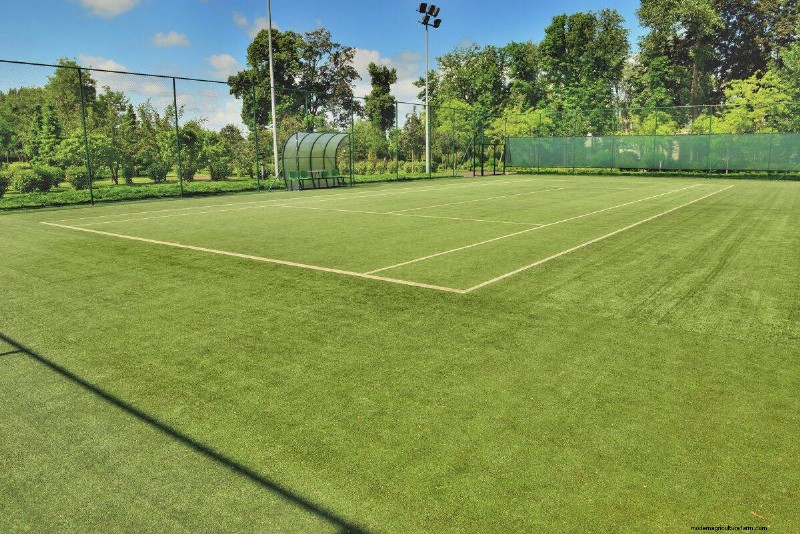
Large backyards provide ample space for tennis courts, basketball courts, putting greens, or bocce ball areas. Creating dedicated recreational spaces encourages outdoor activity and provides entertainment for family and guests.
These features can be designed to complement your overall landscape rather than looking like afterthoughts. The key is thoughtful integration. Consider surrounding sports areas with appropriate landscaping to absorb noise and provide wind protection for players.
Strategic placement of trees and shrubs offers shade for players and spectators while screening these areas from other parts of your yard. This creates separation between active and passive zones, so someone relaxing in the meditation garden doesn’t hear the basketball game.
Proper drainage and surface materials ensure these spaces remain functional regardless of weather conditions. For putting greens, synthetic turf has come a long way and can look remarkably natural while requiring far less maintenance than real grass. For court surfaces, permeable materials help manage stormwater runoff.
Plant a mini-orchard with a variety of fruit trees, berry bushes, and edible landscaping elements. Fruit trees add beauty throughout the seasons with spring blossoms, summer shade, fall fruit, and interesting winter branch structures.
In large yards, you can plant multiple varieties that ripen at different times for a continuous harvest from early summer through fall. Incorporate seating areas within your orchard where you can enjoy the shade and fragrance of your trees during peak bloom.
Espaliered fruit trees can create living walls or decorative elements along pathways. This ancient technique trains trees to grow flat against fences or walls, saving space while creating stunning visual effects. Combine fruit trees with complementary understory plantings like herbs or edible flowers to maximize both beauty and productivity.
The consensus among growers is that proper spacing matters tremendously. Give trees room to reach mature size without crowding. This improves air circulation, reduces disease pressure, and makes harvesting easier. Plant dwarf varieties if you want more variety in less space.
Divide your large backyard into a series of connected garden rooms, each with its own theme, character, and function. This classic design approach creates a sense of discovery as visitors move from one space to another.
Use hedges, walls, trellises, or changes in elevation to define these distinct areas. Each garden room can reflect different moods or styles, from formal rose gardens to casual cottage gardens or zen-inspired meditation spaces.
Connected by pathways, archways, or openings that frame views, these spaces create a cohesive yet varied experience. The transition from one room to another builds anticipation and makes the journey through your garden more engaging.
This approach makes a large backyard feel more intimate while allowing for diverse plantings and functions. You might have a sunny vegetable garden in one room, a shaded fern grotto in another, and a formal entertaining space in a third. This totally makes sense if different family members have different interests or if you want to experiment with various gardening styles.
Replace water-hungry turf with beautiful, low-maintenance groundcover plantings that thrive in your climate. Options like creeping thyme, clover, sedges, or ornamental grasses can create stunning carpets of texture and color while reducing maintenance and water requirements.
These alternatives often support more biodiversity than traditional lawns. Flowering groundcovers attract beneficial insects. Different textures provide habitat for ground-dwelling creatures. The ecological benefits add up quickly.
Consider creating patterns or designs with different groundcovers for visual interest across large areas. You might create a checkerboard pattern, sweeping curves, or geometric designs that become living art installations.
Retain some traditional lawn in high-traffic areas where people gather or play, but transform peripheral spaces with these sustainable alternatives. The varied textures and heights add dimension and ecological value to your landscape. Don’t worry if it takes a season or two for these plantings to fill in completely; patience pays off with a healthier, more resilient landscape.
Traditional Lawn vs. Groundcover Alternatives
Traditional Lawn
• Weekly mowing required
• High water needs
• Regular fertilization
• Limited wildlife value
• Good for high foot traffic
Groundcover Alternatives
• Minimal to no mowing
• Lower water requirements
• Little fertilization needed
• Supports pollinators
• Best for low-traffic areas
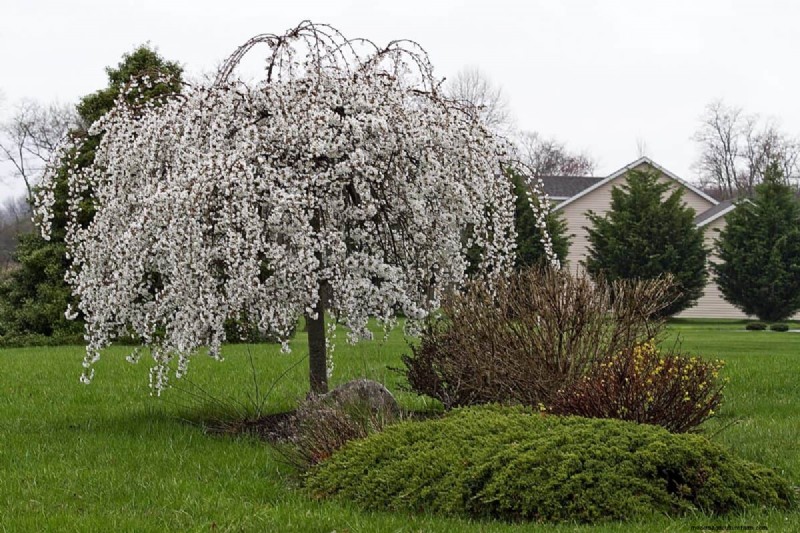
Plant remarkable specimen trees that serve as living sculptures and focal points throughout your landscape. Trees with unusual branching patterns, spectacular seasonal color, or distinctive bark become natural art installations in large yards.
Species like weeping cherry, Japanese maple, or contorted filbert create year-round visual interest. Their unique forms draw the eye and provide structure even in winter when most plants are dormant.
Position these statement trees where they can be appreciated from multiple vantage points, including from inside your home. Think about sight lines from your kitchen window, living room, or bedroom. A well-placed specimen tree becomes a living piece of art you enjoy daily.
Enhance their impact with strategic lighting that highlights their unique characteristics after dark. Uplighting emphasizes interesting branch structure. Backlighting creates dramatic silhouettes. In spacious yards, you have room for these specimens to reach their full size and glory without crowding buildings or other plantings.
Design dedicated spaces for entertaining large groups, complete with outdoor kitchens, bar areas, and plenty of seating. These zones can include built-in grills, pizza ovens, refrigerators, and prep spaces that make hosting gatherings easy and enjoyable.
Consider covered areas to ensure these spaces remain functional regardless of weather. A solid roof or retractable awning means your party doesn’t get rained out. Side panels or curtains can block wind and provide privacy when desired.
Incorporate features like outdoor sound systems, movie screens, or game tables to enhance the entertainment value. Weatherproof speakers hidden among plantings provide ambient music without cluttering the visual space. A projection screen or large outdoor television turns your patio into an outdoor theater.
Good lighting extends the usability of these spaces into the evening hours. Layer different types of lighting: ambient overhead lights, task lighting for cooking areas, and accent lighting to highlight landscaping features. Dimmers let you adjust the mood for different occasions.
In large backyards, you can create entertainment zones that accommodate dozens of guests while maintaining comfortable circulation space and access to other yard features. Plan traffic flow carefully so people can move easily between the kitchen, seating areas, and restrooms without bottlenecks.
Install formal reflecting pools or naturalistic water gardens that mirror the sky and surrounding landscape. These serene water features create a sense of expansiveness and tranquility while serving as magnificent focal points.
The reflective quality of still water doubles the visual impact of your landscape and architecture. A beautiful tree reflected in a pool becomes twice as stunning. Clouds drifting across the water surface bring the sky down to earth.
Surround water gardens with lush plantings of water lilies, lotus, and marginal aquatic plants that create habitat for frogs, dragonflies, and other beneficial creatures. These plantings soften the edges and create a transition between water and land.
Add underwater lighting for dramatic nighttime effects. The sound and sight of water adds a sensory dimension to your landscape that changes with the light throughout the day. Morning light creates one mood, while sunset transforms the same water feature into something entirely different.
Designate secluded areas specifically for relaxation, meditation, or quiet contemplation away from the more active zones of your yard. These peaceful retreats might include comfortable seating, soothing water features, wind chimes, or sensory plantings that engage all the senses.
Privacy screening with dense plantings or architectural elements ensures these spaces feel separate and protected. You want to feel sheltered and enclosed, not exposed. Evergreen hedges, bamboo screens, or living walls create year-round privacy.
Consider elements like labyrinths, zen gardens, or moon gardens with white flowers that glow in the evening for added contemplative appeal. Walking a labyrinth provides gentle exercise combined with meditation. A zen garden with raked gravel offers a hands-on way to relax and focus the mind.
The beauty of a large property is having room for both lively entertainment spaces and quiet corners where individuals can find solitude and connection with nature. This is totally normal and healthy; everyone needs spaces that serve different emotional and social needs.
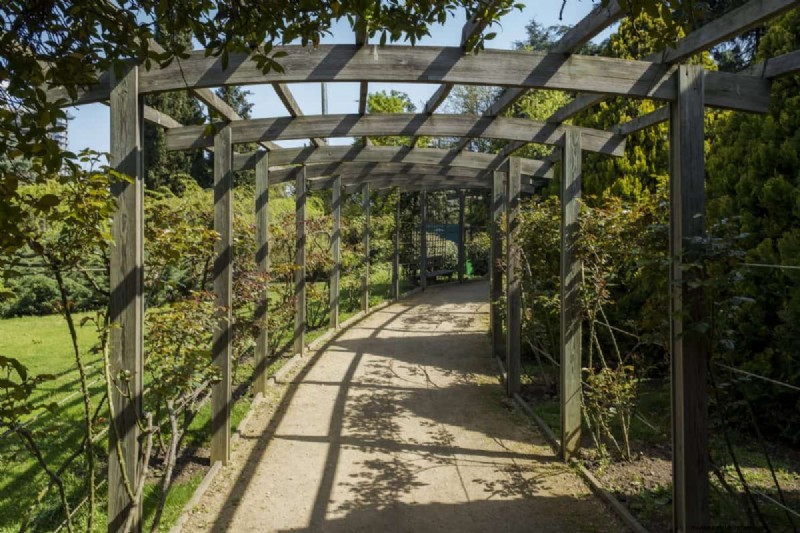
Create architectural statements with substantial pergolas, arbors, and covered walkways that provide structure and vertical interest. These elements draw the eye upward and establish human scale in vast outdoor spaces.
Covered with flowering vines like wisteria or climbing roses, they become living architecture that changes with the seasons. Spring brings cascading blooms and heady fragrances. Summer provides deep shade and lush greenery. Fall offers changing foliage colors, while winter reveals the underlying architectural structure.
Use these structures to define pathways between different garden areas or to create sheltered outdoor rooms. A pergola-covered path creates a sense of journey and transition as you move from one space to another.
Built with quality materials like cedar, redwood, or stone pillars, these features add permanence and character to your landscape. They look substantial because they are substantial. Proper construction ensures they’ll stand for decades.
Lighting integrated into these structures extends their beauty and functionality into the evening. String lights draped overhead create a magical atmosphere for evening gatherings. Downlights illuminate pathways for safety while highlighting the plants growing on the structure.
📋 Project Planning Estimate: Building a Large Pergola
Time Investment: 2-4 weekends for DIY; 3-5 days for professional installation
Difficulty Level: Intermediate to Advanced (professional recommended for large structures)
Materials Needed: Posts, beams, rafters, concrete, hardware, finish/stain
Best Season: Spring or early fall when weather is mild and ground workable
Create intrigue and playfulness with formal hedge designs ranging from simple knot gardens to elaborate mazes. These structured plantings add year-round architectural interest while providing entertaining experiences for family and guests.
Formal hedge designs bring a sense of order and intention to large spaces that might otherwise feel undefined. The geometry and structure create visual anchors that organize the landscape.
Choose appropriate shrubs like boxwood, yew, or privet that maintain their shape with regular trimming. The consensus among growers is that boxwood works beautifully in many climates, while yew tolerates shade better and privet grows faster if you want quicker results.
Incorporate central features like fountains, sculptures, or specimen plants as destination points within your hedge design. These focal points reward visitors who navigate your paths and create photo opportunities that make your garden memorable.
These formal elements contrast beautifully with more naturalistic plantings elsewhere in your landscape. The interplay between formal and informal, structured and wild, creates visual tension that keeps your landscape interesting.
Dedicate sections of your yard to collections of specific plant families or types that interest you. Whether it’s roses, hydrangeas, conifers, or ornamental grasses, curated plant collections create cohesive garden spaces with educational and aesthetic value.
Large yards provide space to grow plants in groups that show their varied forms and cultivars. When you have room, you can demonstrate the range within a plant family, showing visitors how diverse a single genus can be.
Design these collections with proper spacing to allow each specimen to reach its potential and be viewed from multiple angles. Crowding defeats the purpose of a collection garden. Each plant should have room to display its unique characteristics.
Include informational markers or create a garden journal documenting your collection. Labels help visitors learn and remember plant names. A journal lets you track performance, bloom times, and growing notes that improve your expertise over time.
These specialized gardens become more fascinating as they mature and can reflect your personal gardening passions. Your collection tells a story about what you love and what thrives in your specific conditions.
Install eco-friendly swimming areas that use plants and biological filtration rather than chemicals to maintain water quality. These natural swimming pools blend beautifully into the landscape, appearing more like ponds than traditional pools.
The swimming zone is separated from a regeneration zone filled with aquatic plants that naturally cleanse the water. Beneficial microorganisms break down organic matter, while plants absorb nutrients that would otherwise feed algae.
Surround natural pools with decking, natural stone, or beach-like entry areas that transition smoothly into the landscape. The edges can be soft and planted rather than hard and geometric, creating a more organic appearance.
These sustainable water features provide habitat for beneficial organisms while offering chemical-free swimming. Frogs, dragonflies, and beneficial insects make these pools their home, creating a living ecosystem you swim in.
The naturalistic appearance works particularly well in large landscapes where a conventional pool might look too artificial. Don’t worry if you’re concerned about clarity; properly designed natural pools can be remarkably clear and inviting.
Create magical woodland walks through areas planted with understory trees, shade-loving perennials, and spring bulbs. These naturalistic pathways invite exploration and provide cooling shade during hot summer months.
Curved paths that reveal new vistas around each bend create a sense of mystery and discovery. You never see the entire path at once, which makes the journey more engaging and the space feel larger than it actually is.
Use materials like wood chips, pine straw, or stepping stones to define paths that feel appropriate to the woodland setting. Soft, natural materials work better here than concrete or formal pavers.
Add seating at strategic points where visitors can pause to enjoy particular views or plantings. A simple bench positioned where dappled light filters through the canopy becomes a favorite contemplative spot.
Woodland gardens require less maintenance than sunny garden areas while providing habitat for birds and beneficial insects. The leaf litter that accumulates becomes natural mulch that feeds the soil and shelters ground-dwelling creatures.
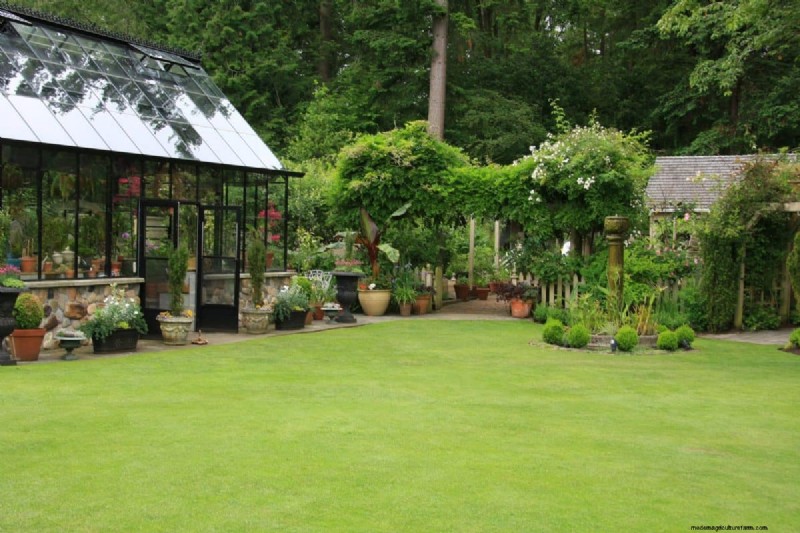
Incorporate beautiful, functional growing structures that extend your gardening season and options. Modern greenhouses, hoop houses, or potting sheds can become architectural features in their own right while providing practical growing space.
These structures allow you to propagate plants for your landscape and grow food year-round. Start seeds in early spring, keep tender plants alive through winter, or grow heat-loving crops like tomatoes and peppers in climates where summers are too short.
Surround these growing spaces with complementary plantings and hardscaping that integrates them into the overall landscape design. A greenhouse doesn’t have to look utilitarian. Surrounded by flowering vines and bordered with herb gardens, it becomes a destination in its own right.
Include nearby gathering spaces where you can enjoy the fragrance and beauty of your greenhouse plants. A small seating area outside the greenhouse door creates a pleasant spot for morning coffee surrounded by blooms.
These structures can become focal points and destinations within your garden layout. Visitors enjoy seeing the inner workings of a garden, the propagation benches, and the young plants waiting to be transplanted into the landscape.
Display sculpture, art installations, or creative focal points throughout your landscape to create an outdoor gallery experience. Art pieces become conversation starters and add personality to your garden spaces.
Large properties provide opportunities to create sight lines and backdrops that showcase these pieces effectively. Think about approaching views and how the art will be framed by surrounding plantings or architectural elements.
Consider how each piece interacts with its surroundings through different seasons and weather conditions. A sculpture might look completely different dusted with snow versus surrounded by summer blooms. Rain changes the appearance of certain materials, adding another dimension to the viewing experience.
Some sculptures might interact with water or light, while others provide winter interest when plants are dormant. Kinetic sculptures move with wind. Reflective surfaces bounce light in unexpected ways. Water features combined with sculpture create multisensory experiences.
Rotating art pieces seasonally keeps your landscape fresh and engaging for regular visitors. What occupies a prominent spot in summer might move to a secondary location in fall, replaced by something more appropriate to the season.
Design your landscape to showcase beauty in every season, from spring bulbs to summer flowers, fall foliage, and winter structure. Strategic planning ensures something is always blooming, fruiting, or displaying interesting bark or form throughout the year.
This approach keeps large landscapes engaging regardless of the season. After digging through the research, layering plants for seasonal succession is one of the most important design principles for year-round beauty.
Include plants specifically chosen for their seasonal contributions. Witch hazel blooms in late winter when little else flowers. Ornamental grasses provide fall and winter structure with their golden plumes and seed heads. Trees with exceptional fall color or interesting exfoliating bark add visual interest when leaves are gone.
Create vantage points where these seasonal displays can be appreciated from inside your home during inclement weather. Position trees with stunning fall color where you’ll see them from your favorite window. Plant early bulbs along pathways you use daily so you don’t miss their brief spring show.
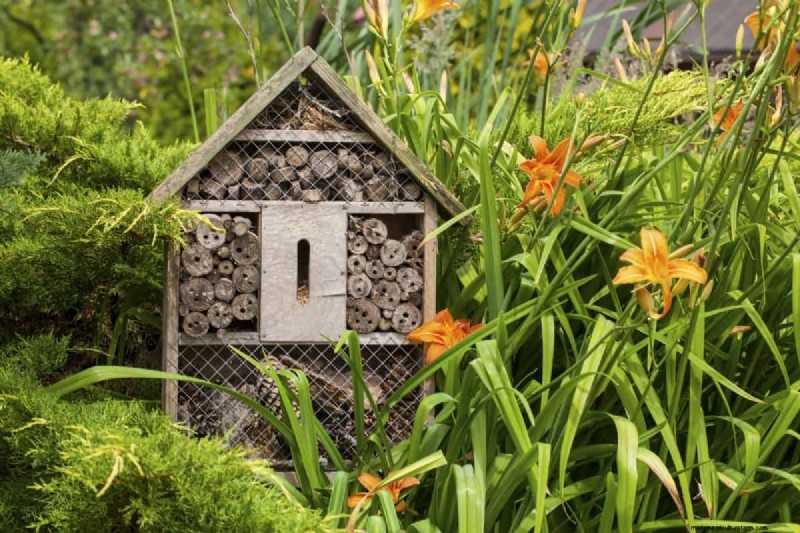
Dedicate portions of your property to supporting local wildlife with native plantings, water sources, and shelter. These naturalistic areas create corridors that allow wildlife to travel safely through your property while bringing life and movement to your landscape.
Bird watching and wildlife observation become daily pleasures. You’ll see species you never noticed before once you provide the habitat they need. Early morning coffee on the patio becomes exponentially more interesting with birds, butterflies, and other creatures going about their business.
Layer plantings with trees, shrubs, and groundcovers that provide food and shelter throughout the seasons. Think vertically: canopy trees provide nesting sites, understory shrubs offer berries and cover, groundcovers create foraging areas and shelter for ground-dwelling creatures.
Include features like brush piles, rock gardens, or snags that create microhabitats for beneficial insects, reptiles, and small mammals. What might look like mess to some people is critical habitat to wildlife. A carefully placed brush pile provides winter shelter for numerous beneficial creatures.
These ecological gardens become increasingly rich and fascinating as they mature and attract more diverse wildlife. The first year might bring common birds. By year five, you might be hosting species you’ve never seen in your yard before.
The beauty of having a huge backyard is the freedom to incorporate multiple landscaping ideas that work together to create a cohesive, personal paradise.
You can mix formal and informal elements, active and passive spaces, ornamental and productive features according to your lifestyle and preferences. Take time to develop a master plan that allows your landscape to evolve over years or even decades.
Remember that even the grandest landscape designs begin with a single project. Start with the features that will bring you the most immediate enjoyment, then add additional elements as time and resources allow.
The most successful large landscapes aren’t created all at once; they develop gradually as you refine your vision and learn what works in your specific conditions. Each season teaches you something new about your property’s microclimates, drainage patterns, and how you actually use the space versus how you thought you’d use it.