
Welcome to Modern Agriculture!

So you’re wondering what Costco has for gardeners right now? I just got back from my local North Texas warehouse and let me tell you, their outdoor section is absolutely packed for spring planting season.
Here’s the thing. I normally walk in with a strict “only buy what’s on the list” mentality. But when you’re staring at bareroot roses and self-watering planters at these prices, that discipline starts to crack pretty fast.
I’m breaking down all 23 finds that grabbed my attention during this trip. We’re talking plants, planters, tools, lawn care, the whole deal. Let’s get into what’s actually worth your time (and your money).
These 2-packs are running just under twenty bucks. The lilacs come in those classic purple shades that smell incredible, and the hydrangeas? You’ll find blue, pink, and white options depending on which pack you grab.
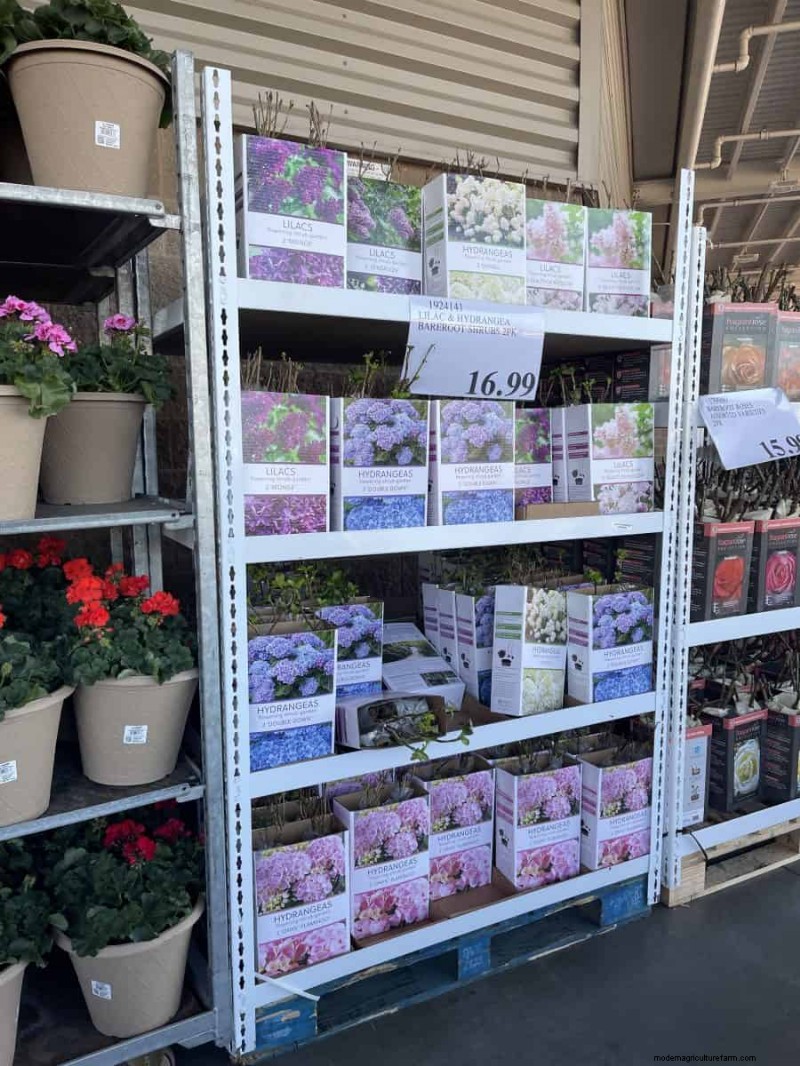
Bareroot means you’re getting dormant plants without any soil clinging to the roots. This makes them lighter to handle and typically more affordable than their potted cousins. The roots are exposed, which looks a bit strange if you’ve never seen them before, but that’s actually a good thing. You can inspect the root system before planting and you’re not paying for a bunch of potting soil.
The key is timing. Get these in the ground now while they’re still dormant and cool weather prevails. They’ll focus all their energy on establishing strong roots instead of trying to push out leaves and flowers. By the time summer heat arrives, you’ll have well-established shrubs ready to put on a show.
TRANSPLANTING TIP
Soak bareroot plants in a bucket of water for 2-4 hours before planting. This rehydrates the roots and gives them a better start. Don’t leave them soaking overnight though, that’s overkill.
The Fragrant Rose Collection stopped me in my tracks. Two bareroot rose bushes per pack, and you’re paying about eight bucks per plant. If you’ve ever shopped for roses at a traditional garden center, you know that’s ridiculously good.
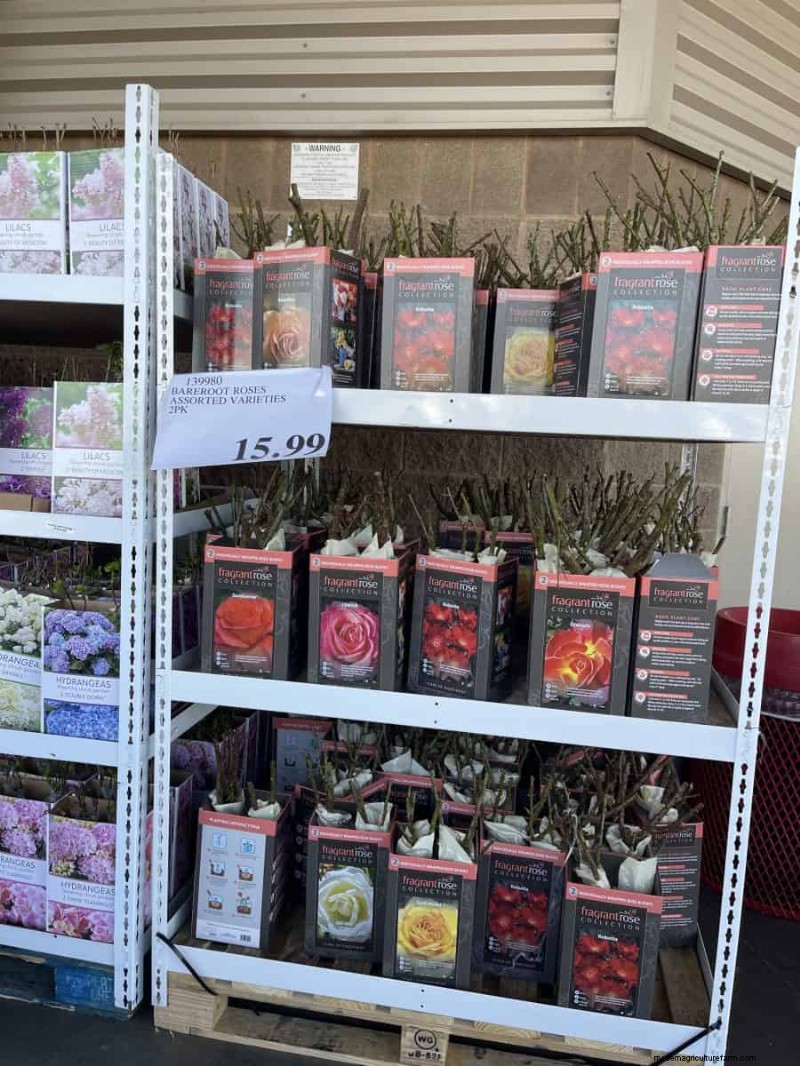
I saw classic deep reds, soft romantic pinks, cheerful yellows, and some stunning bi-color varieties that would make your neighbors jealous. This collection lives up to its name too. These aren’t bred just for looks; they’re specifically selected for their fragrance.
Plant them within the next few weeks while temperatures stay mild. Roses need time to develop those deep root systems before any serious heat kicks in. Give them a spot with at least six hours of direct sun, keep the soil consistently moist (not soggy) during their first season, and add some rose fertilizer once they start actively growing. You’ll have blooms by late spring if you get them in soon.
One thing about bareroot roses: they look dead when you first see them. Just brown canes with no leaves. Trust the process. Those seemingly lifeless sticks will explode with growth once they’re planted and temperatures warm up.
We'll email it to you so you can read it later!
By saving, you agree to receive occasional emails. Unsubscribe anytime.
That deep blue glaze caught my eye from across the aisle. The textured, ribbed design gives these planters serious visual interest, and the color is just gorgeous. Rich, saturated blue that photographs beautifully and looks equally good with bright flowers or silvery foliage.
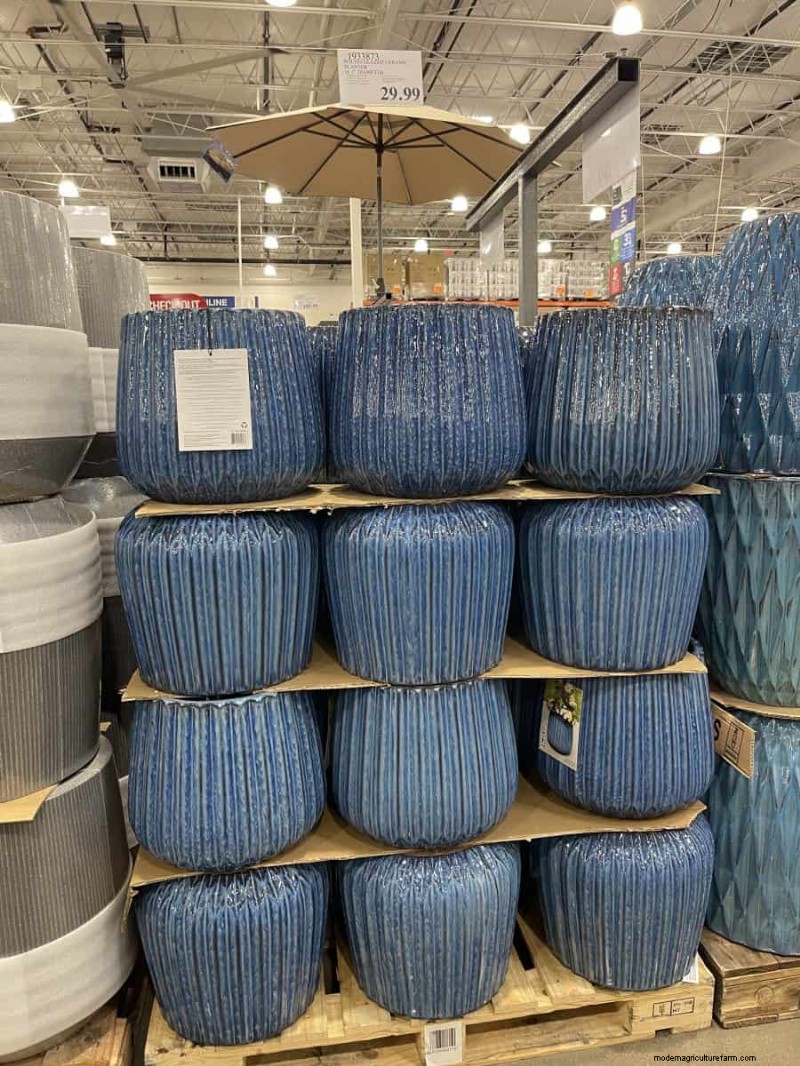
Ceramic planters are heavier than plastic or resin, which is actually a benefit. They won’t tip over when a strong wind comes through. The weight gives them a premium, substantial feel that cheap planters just can’t match. Plus, ceramic holds moisture better than plastic, which means less frequent watering during hot months.
The downside? Once you fill these with soil and plants, you won’t be relocating them easily. Choose your spot wisely before planting. Also make sure any outdoor ceramic is frost-resistant if you get freezing winters, otherwise water can seep into tiny cracks and cause the pot to split when it freezes.
Not everyone wants to deal with heavy ceramic pots. These resin planters deliver good looks without the back-breaking weight. Available in white and charcoal gray, they feature that same modern ribbed texture that’s trending right now.
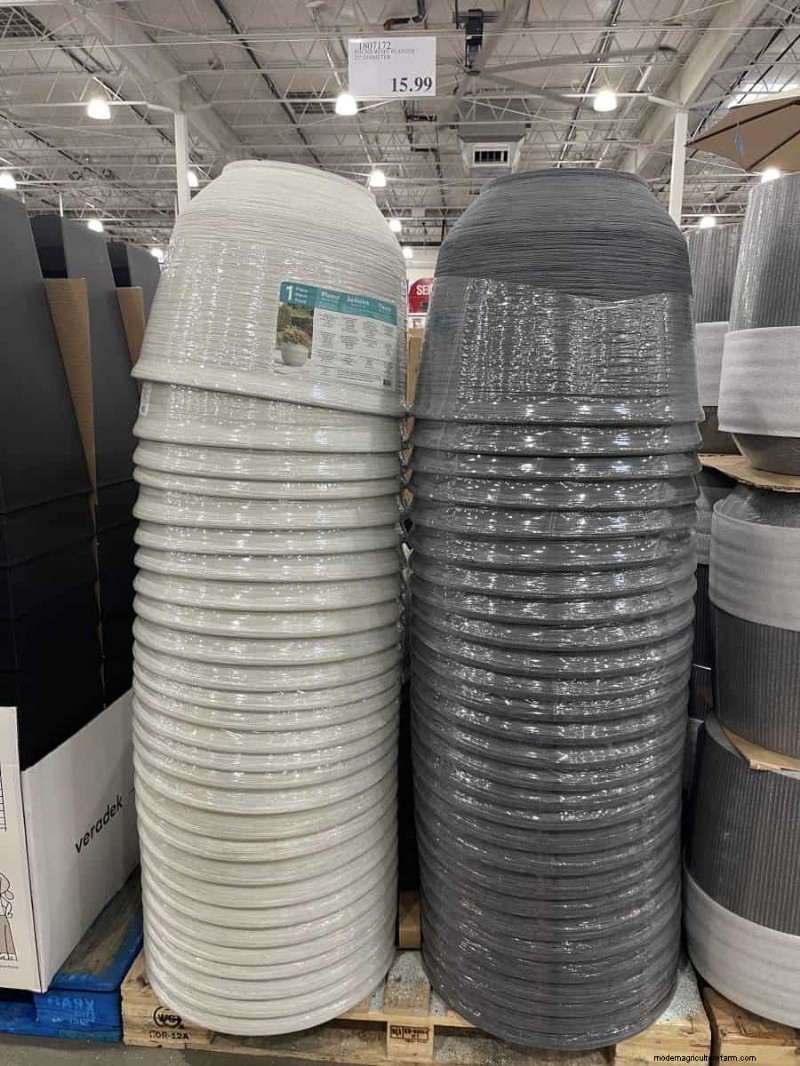
At under twenty bucks each, they’re affordable enough to buy several and create a coordinated look across your patio or garden beds. The charcoal gray is particularly versatile because it works with any color scheme and won’t show dirt.
These work beautifully for ornamental grasses, small shrubs, or a colorful mix of annuals. Because they’re lightweight, you can move them around as needed throughout the season to fill gaps or change up your display.
This assortment from Longfield Gardens packs serious variety into one package. You’re getting caladiums, crocosmia, cannas, elephant ear, gladiolus, and calla lilies. That’s six different plant types for under fifteen bucks, with multiple bulbs of each included.
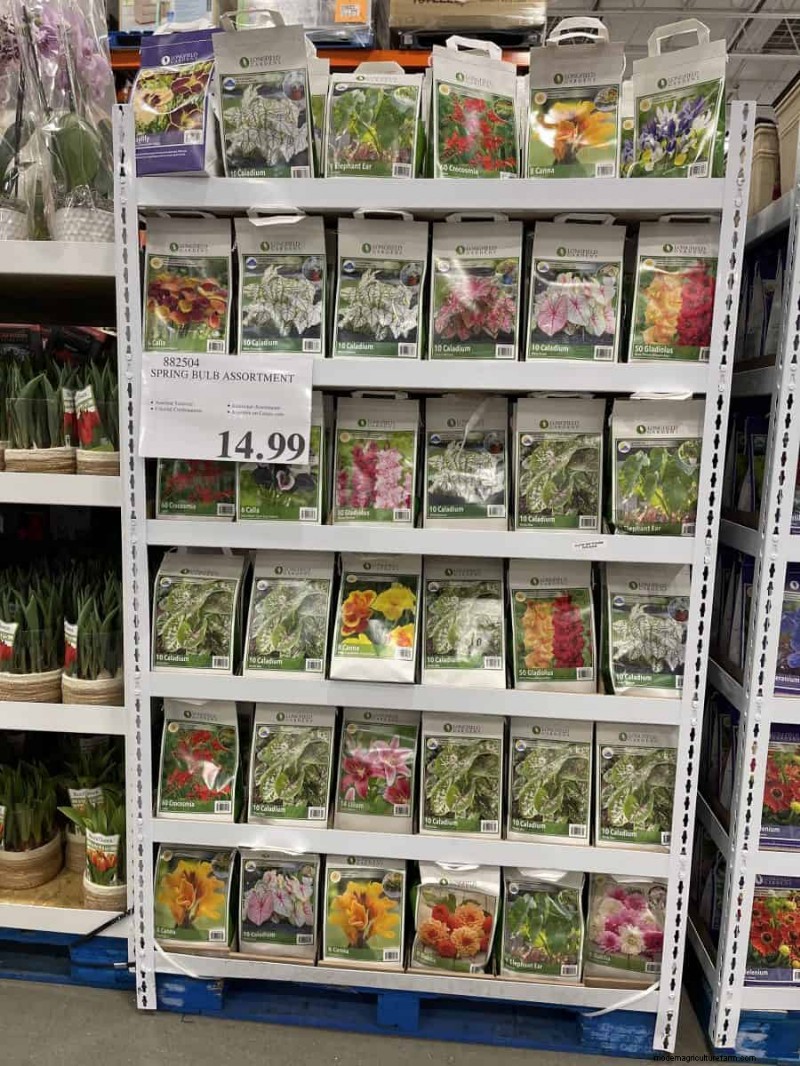
Spring-planted bulbs deliver their color during summer when a lot of other plants are sulking in the heat. Cannas and elephant ears bring that tropical vibe that makes your yard feel like a vacation destination. Gladiolus are fantastic cut flowers that last a week or more in a vase. Caladiums give you incredible foliage in shady spots where flowers struggle.
The timing is perfect right now. Plant these after your last frost date (mid-March in North Texas, but check your specific zone) and you’ll have blooms all summer long. Most of these are also easy to dig up and store over winter if you want to replant them next year.
STORAGE NOTE
Caladium, canna, and elephant ear bulbs can be dug up before the first frost, dried for a week, and stored in peat moss in a cool, dry place. You’ll save money by replanting the same bulbs year after year instead of buying new ones each spring.
This cedar raised bed planter has a self-watering system built in. For anyone who’s killed plants through inconsistent watering (and who hasn’t?), this feature alone justifies the investment.
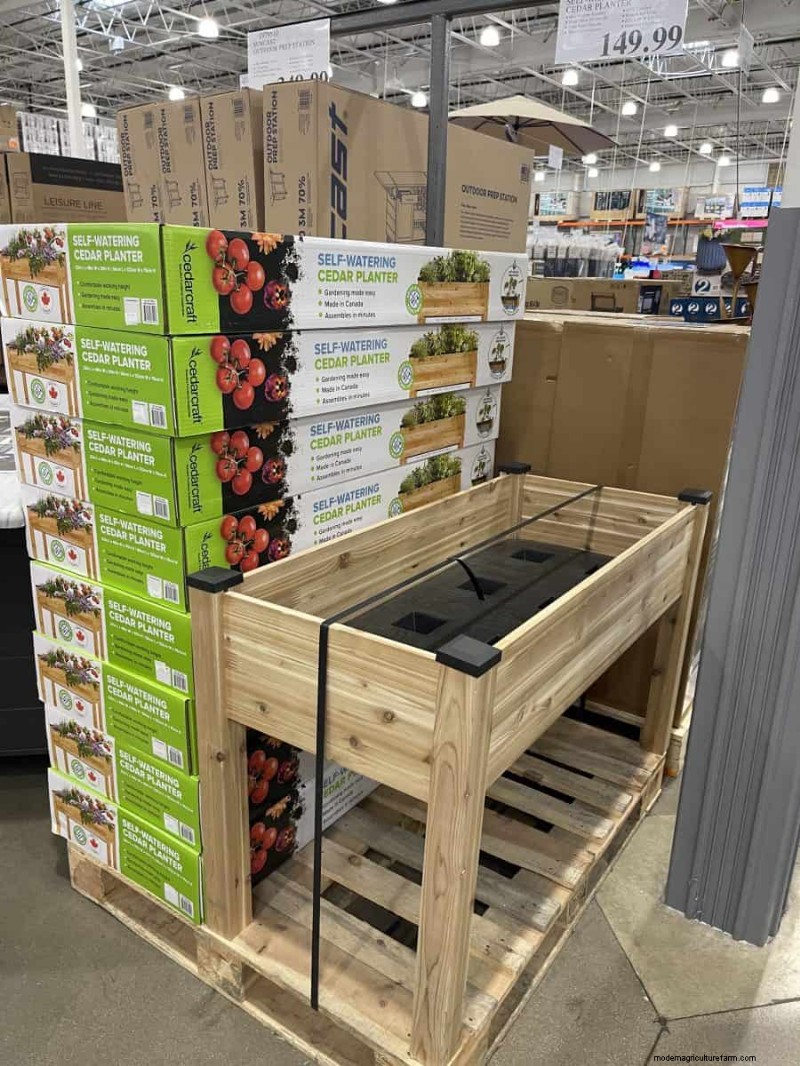
The planter is made from real Canadian cedar, which naturally resists rot and insects without any chemical treatment. Cedar also ages beautifully over time, developing that silvery-gray patina that looks intentional and elegant rather than just old.
Self-watering planters use a reservoir system. Water sits in a bottom chamber and wicks up into the soil as plants need it. This means more consistent moisture levels, which vegetables especially appreciate. No more wilted tomatoes because you forgot to water yesterday, and no more root rot from overenthusiastic watering.
These geraniums in 12-inch pots were looking fantastic. Already loaded with blooms and priced under twenty bucks each. I saw them in classic red, soft pink, and a deeper magenta shade. All of them healthy, full, and ready to deliver immediate impact.
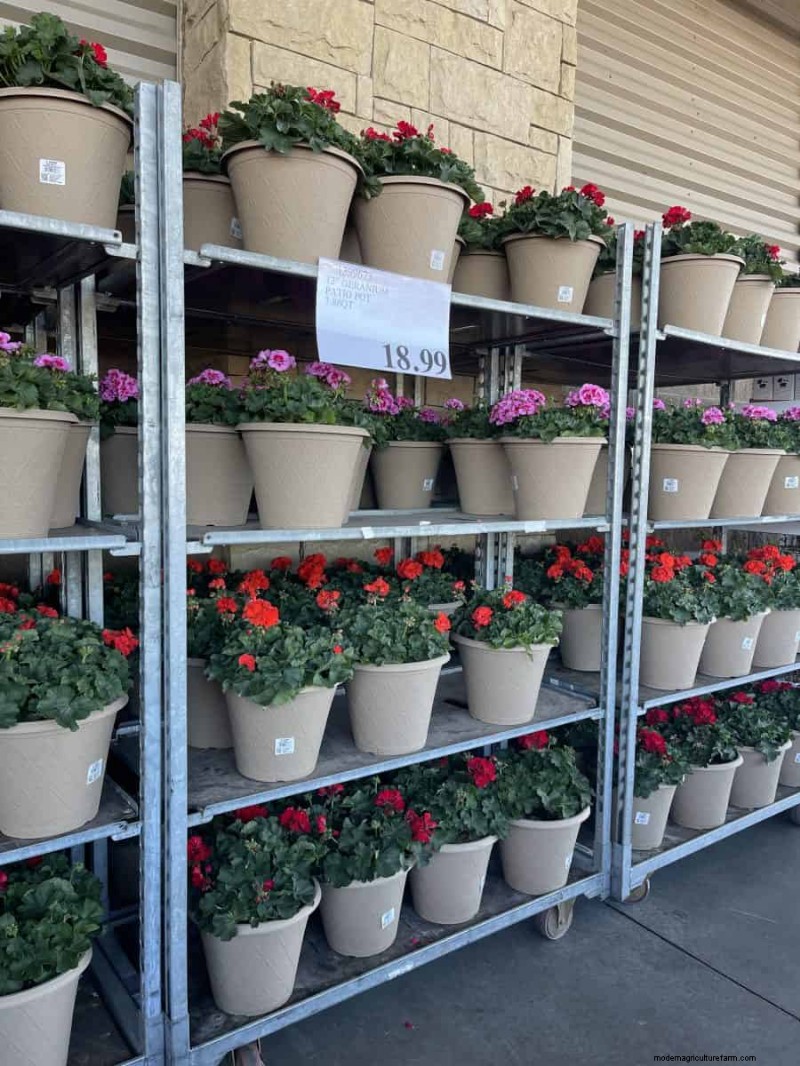
Geraniums get a bad rap as boring, but that’s unfair. They’re tough once established and bloom continuously from spring through fall if you keep them deadheaded. They handle heat better than most flowering plants, which makes them perfect for Texas summers.
What I like about buying geraniums this size is skipping the wait. Plant them now and you’ve got color for the entire growing season. No nursing along tiny seedlings or waiting for small plants to fill out. Instant gratification gardening at its finest.
These yellow mums run just under twelve bucks and they’re absolutely loaded with blooms. Mums are famous as fall flowers, but they work just as well for late winter and early spring color, especially in climates where the seasons don’t follow the textbook.
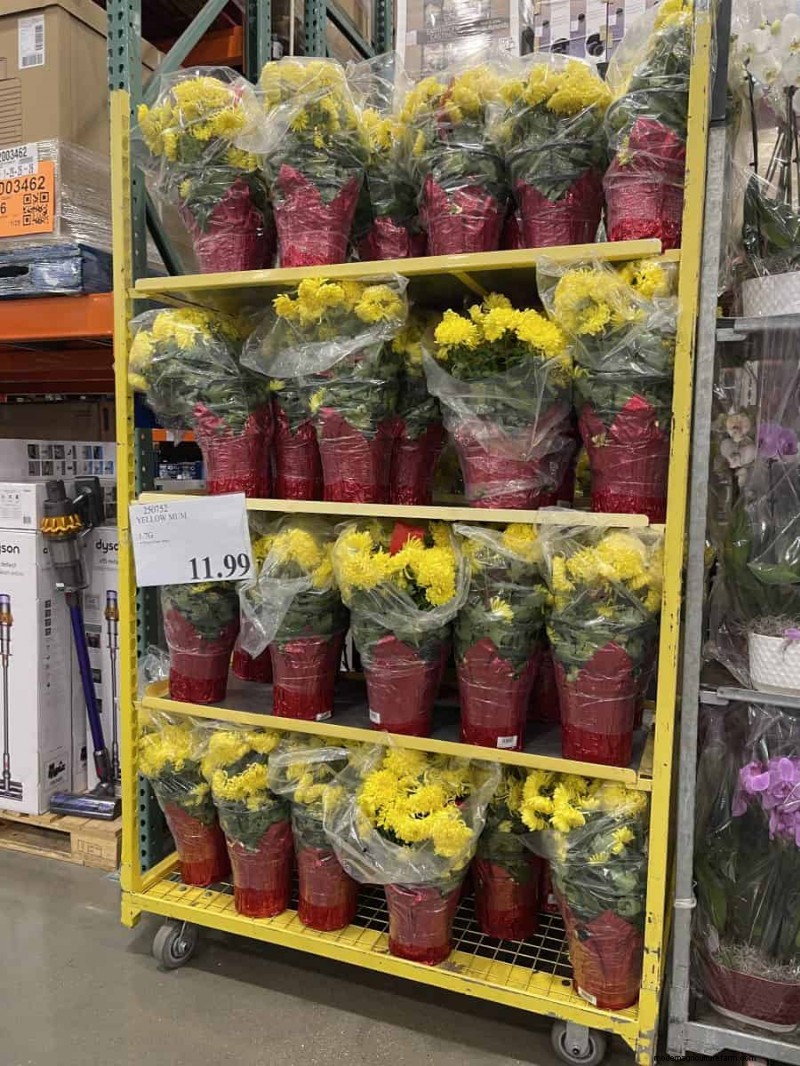
That bright yellow is cheerful without being garish. It pairs beautifully with purple pansies, white alyssum, or even just green foliage plants. For the price, you’re getting a substantial amount of color that’ll last for weeks.
Bareroot fruit plants for under fifteen bucks per 2-pack is legitimately amazing if you’ve been thinking about growing your own food. I spotted blackberries, raspberries, blueberries, and grapes. All from quality stock that looked healthy and well-packaged.
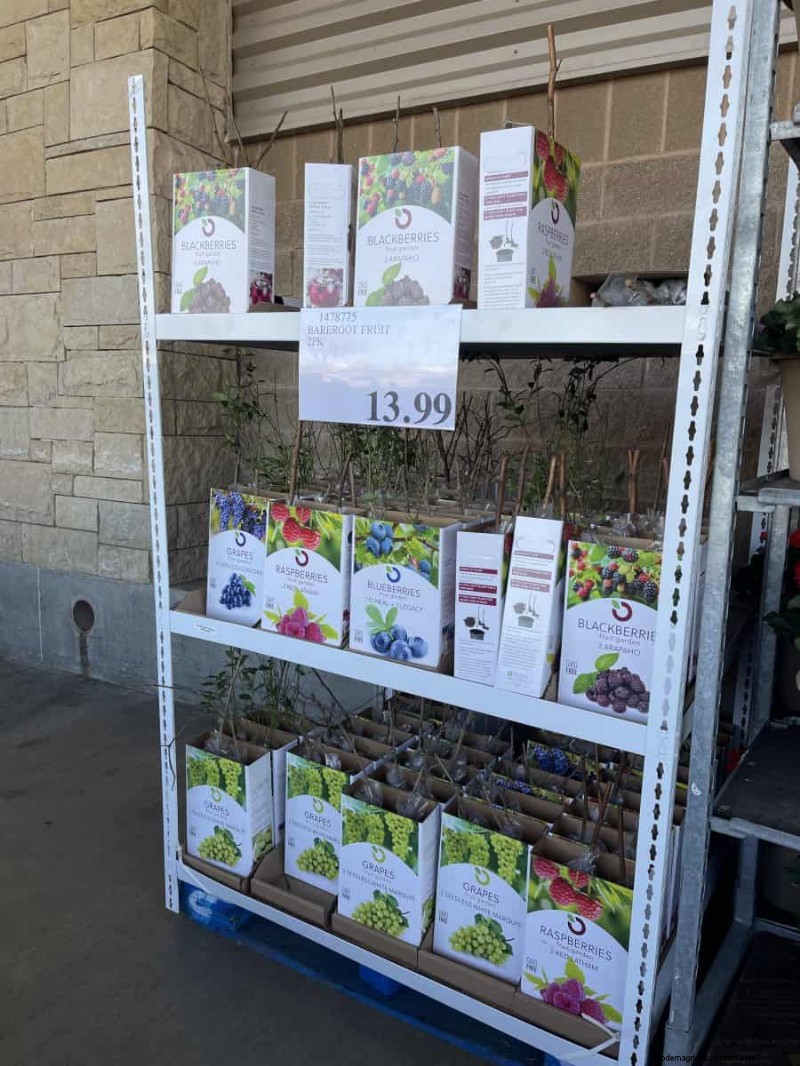
The bareroot format means you’re planting during dormancy, which gives these plants the best possible start. They’ll put all their energy into developing strong, deep roots before they worry about producing leaves and fruit.
Plant them soon, give them consistent water through their first growing season, and you could be eating fresh berries by summer. Even if you don’t get a huge harvest the first year, these plants will produce for years once established. That’s a fantastic return on a fifteen dollar investment.
✓ WHAT YOU’LL NEED FOR PLANTING BAREROOT FRUIT
These Veradek outdoor planters are particularly appealing because of their versatility. The signage shows them used as privacy screens with tall grasses or statement plants, but they’d work equally well for a small tree, a collection of succulents, or as standalone accent pieces flanking your front door.
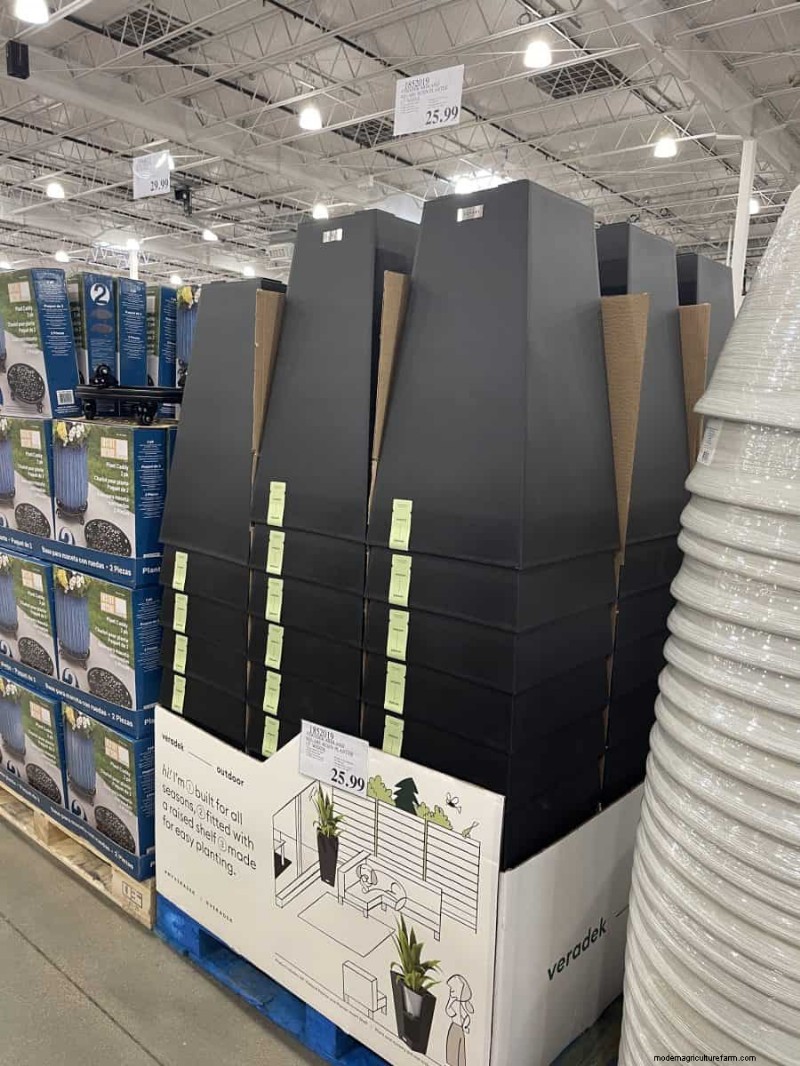
The dark color is practical too. It won’t show every speck of dirt and weathering the way lighter planters do. One summer rainstorm and white planters look dingy; these will still look clean and intentional.
These concrete planters are substantial pieces that make a statement. You’re getting real weight and durability here.
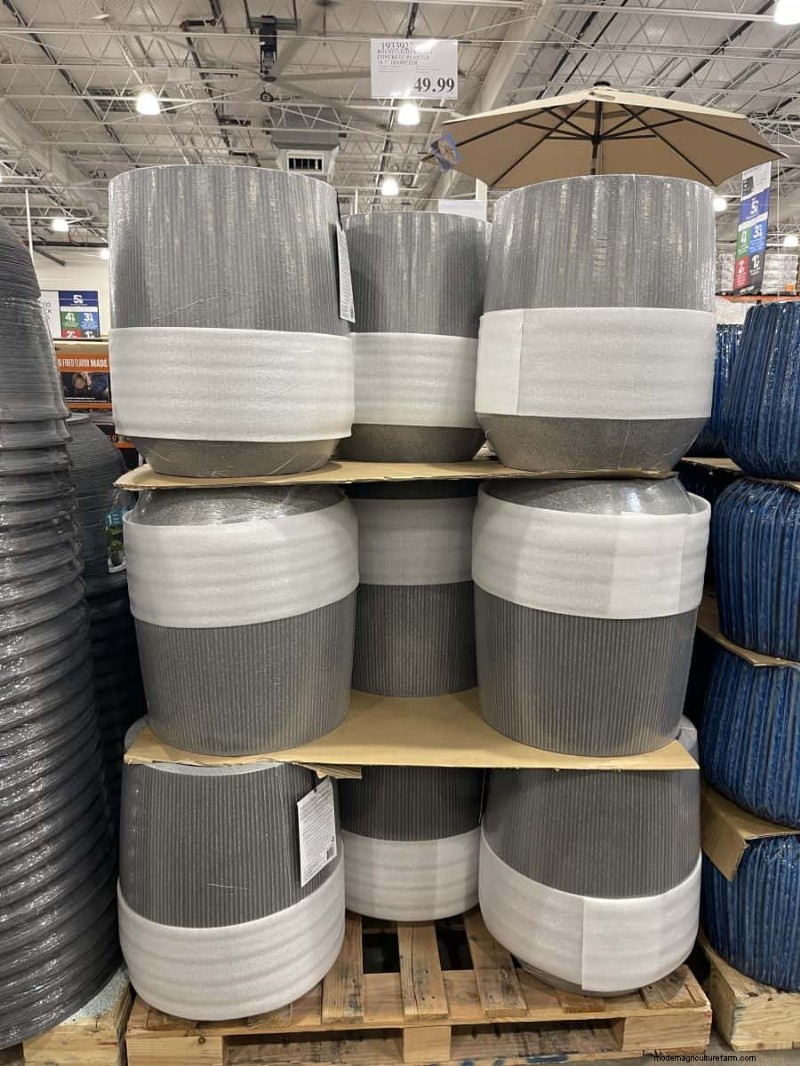
Concrete is incredibly durable. It ages beautifully, developing a natural patina over time that looks intentional rather than worn out. These have the weight to stay put even in strong winds, which is crucial for tall plantings that can act like sails.
Just be aware that once you fill these with soil and plants, you’re committed to that spot. Plan your placement carefully before you start planting. Concrete is also porous, so it breathes better than plastic, which can actually benefit plant roots.
If you’re serious about organic gardening, earthworm castings deserve a spot in your routine. At just under thirteen bucks per bag, this is one purchase that directly translates to healthier, more productive plants.
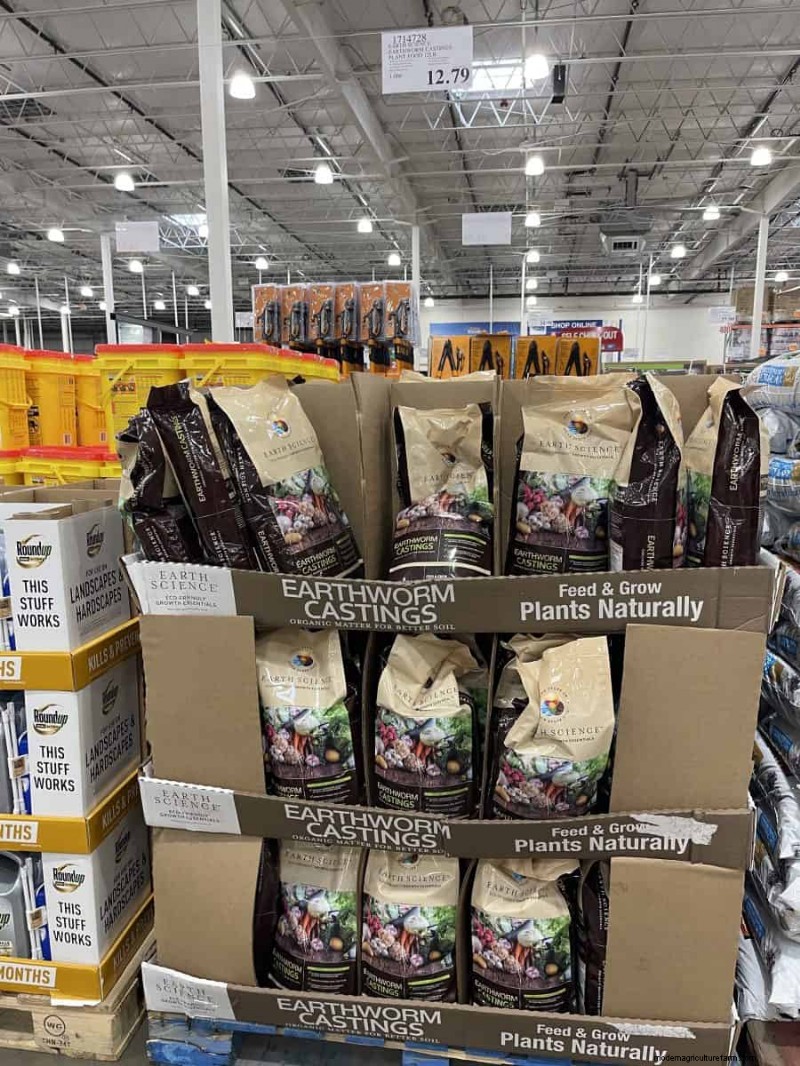
Earthworm castings are basically worm poop. Before you make a face, understand that this is one of the best natural fertilizers available. It’s rich in nutrients, improves soil structure, and helps with water retention.
Unlike chemical fertilizers that can burn plants if you get heavy-handed, worm castings are gentle enough to use liberally without worrying about damaging roots. They also contain beneficial microorganisms that help plants resist disease and absorb nutrients more efficiently.
These mid-century planters with stands deliver style without the usual price tag. Under fifteen bucks gets you both the planter and the stand, which is excellent value for the aesthetic you’re getting.
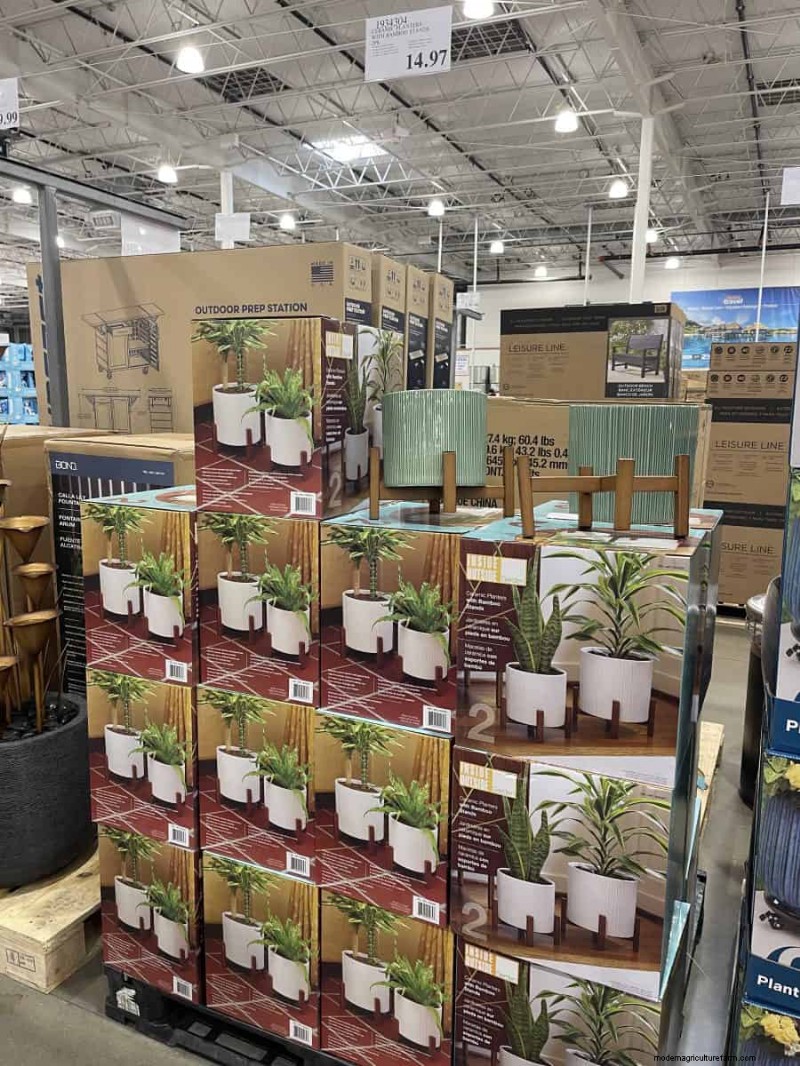
I spotted them styled with snake plants, dracaena, and other low-maintenance houseplants, but they’d work equally well outdoors on a covered patio. The clean lines and elevated design give them that designer look that’s trending right now.
These are perfect for creating a cohesive look if you buy several. Three of these at different heights would make a stunning display in a corner of your living room or on a covered porch.
This Jalen weed barrier is made in the USA and comes with a 30-year warranty. That warranty tells you everything about the quality. This isn’t the flimsy stuff that tears the first time you try to cut it or disintegrates after one season in the sun.
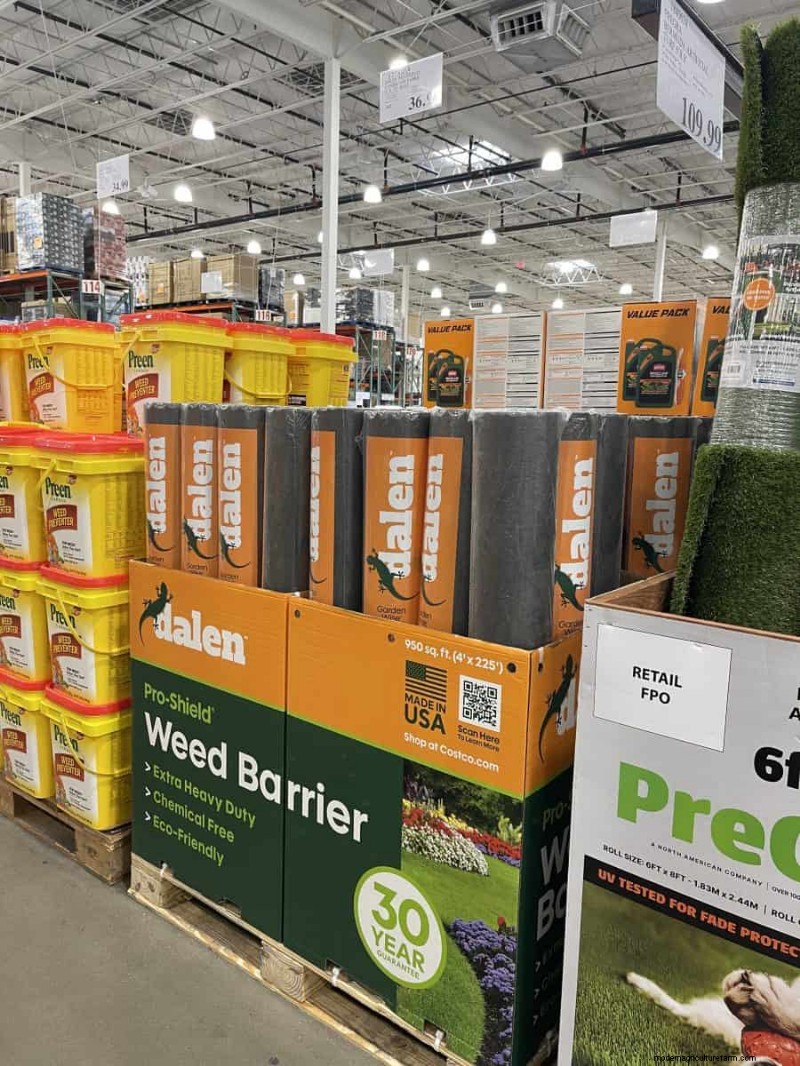
The roll covers 950 square feet, which is substantial coverage for your landscaping projects. You can use this under mulch in garden beds, under gravel in walkways, or anywhere you want to prevent weeds without using chemicals.
Cheaper weed barriers are frustrating to work with. They tear easily, they don’t let water through properly, and they fail after a year or two. A quality product like this one pays for itself by actually doing the job and lasting for decades.
If you have trees or large shrubs that need regular maintenance, this Fiskars 2-piece set deserves your attention. Under fifty bucks gets you two essential tree care tools that will genuinely make pruning and trimming easier.
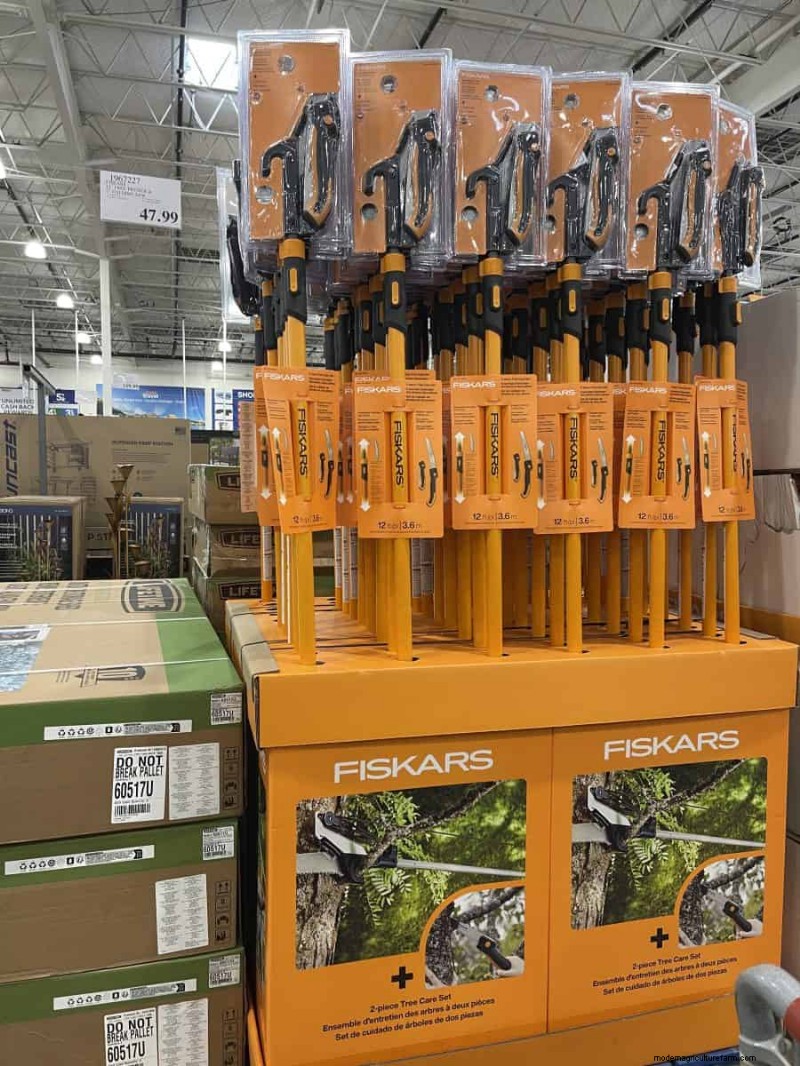
Fiskars is known for quality outdoor tools that actually last. Their orange handles are instantly recognizable, and they design their tools with real ergonomics in mind rather than just slapping a soft grip on cheap metal.
Quality pruning tools mean cleaner cuts, which helps your trees and shrubs stay healthier and recover faster. Cheap tools crush and tear instead of making clean cuts, which leaves ragged wounds that invite disease and pests.
This Greenworks 80V Pro mower is a bigger investment, but if you’re in the market for a new mower, it’s worth considering. You’re getting a self-propelled, battery-powered mower that eliminates all the hassles of gas engines.
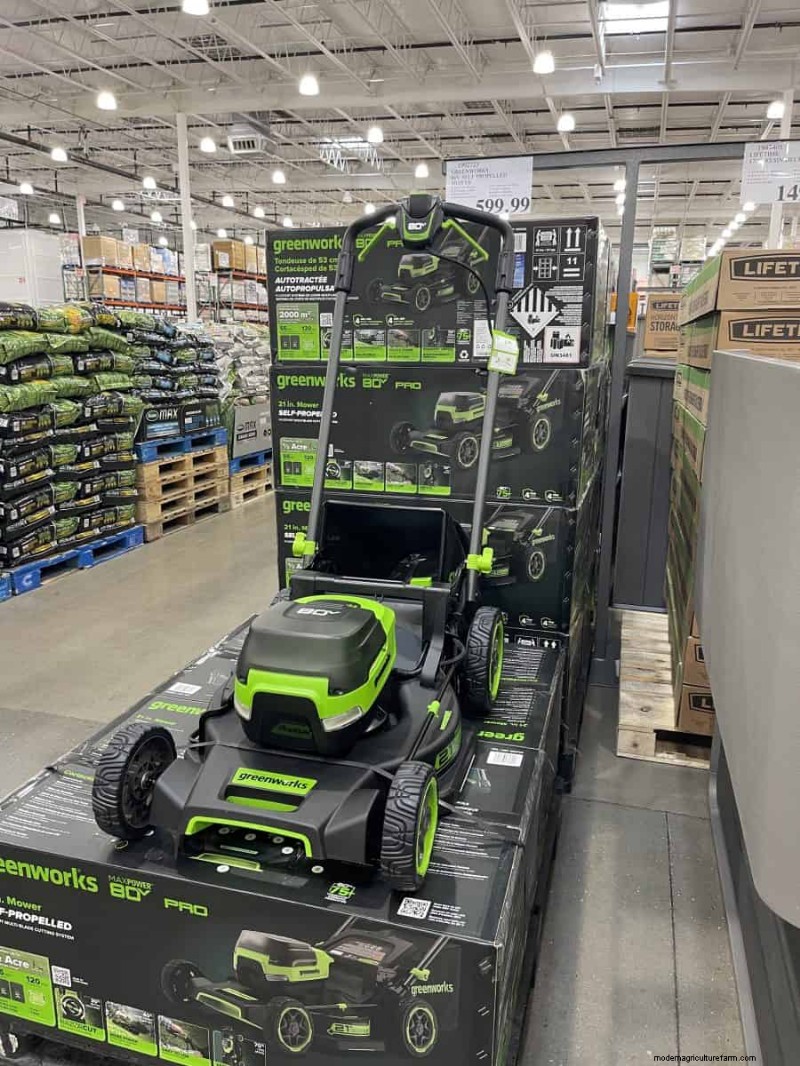
Battery mowers have improved dramatically in the past few years. They’re quieter than gas mowers (your neighbors will appreciate this), they start instantly every single time, and there’s no winterizing or maintenance beyond keeping the blade sharp.
No more dealing with gas, oil changes, spark plugs, or that pull-start cord that never works when you need it to. Just charge the battery, push the button, and go. The self-propelled feature is particularly nice if you have any slopes or a large yard.
A good garden hose is one of those things you don’t fully appreciate until you have one. This RapidFlo hose is 100 feet long and priced under fifty bucks, which is reasonable for quality.
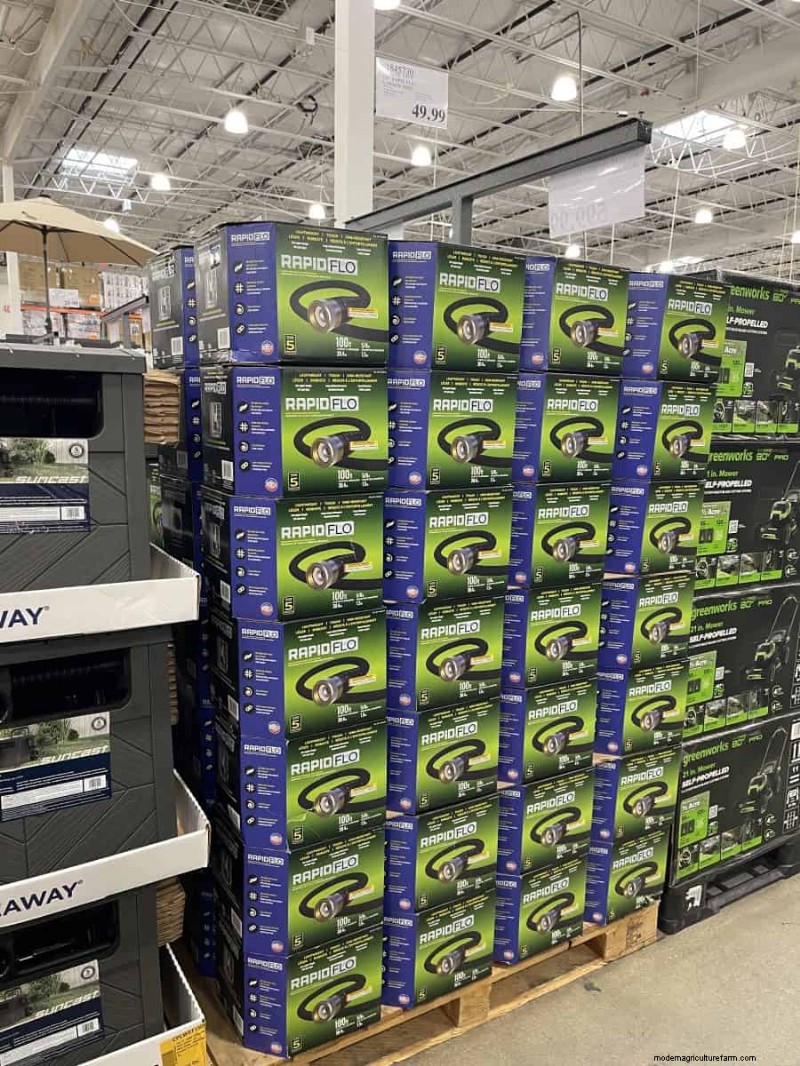
A quality hose won’t kink every three feet. It won’t develop leaks at the connections after one season. It will actually coil up properly when you’re done instead of fighting you the entire time.
I’ve wasted too much money on cheap hoses that seemed like bargains until they started splitting by mid-summer. Spending a bit more upfront for a hose that lasts years instead of months is absolutely worth it.
This section had three distinct items that caught my eye. First is the Flex-n Flextreme hose at under thirty bucks for 100 feet. Contractor-grade quality at this price point makes it an excellent backup hose or perfect if you need multiple hoses for different yard areas.
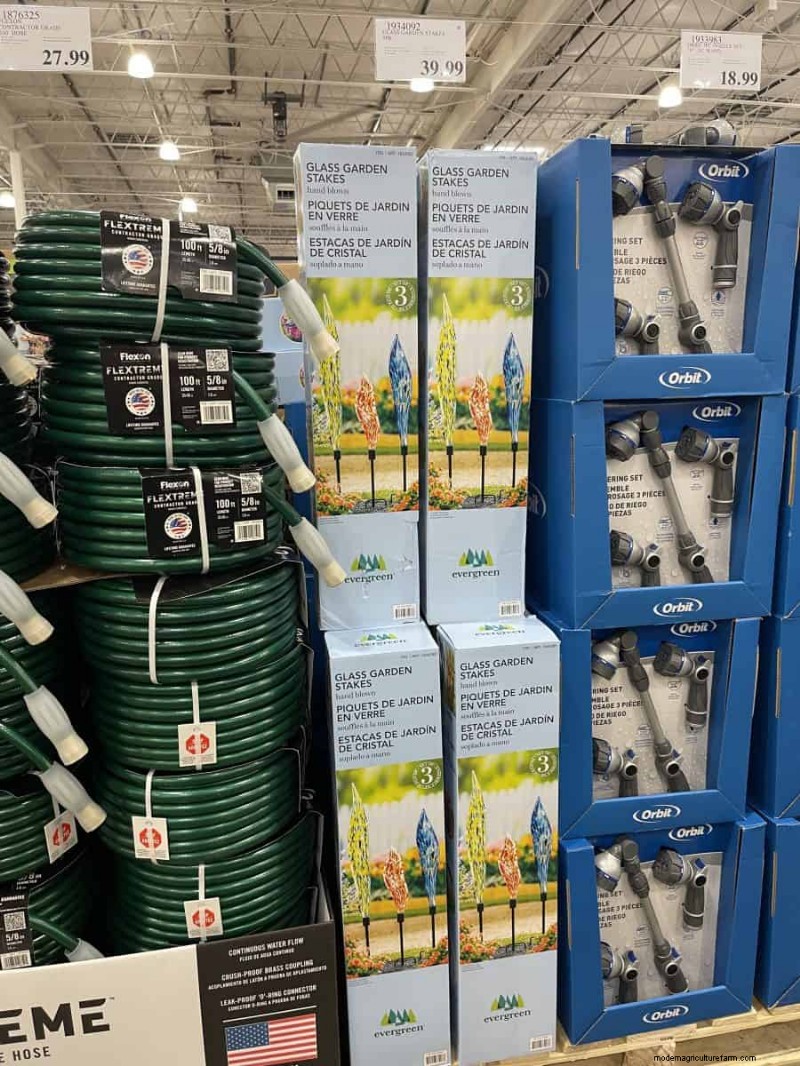
Then there are these hand-blown glass garden stakes. Three per set, and they’re genuinely beautiful. These would look fantastic tucked into hostas or rising above low-growing groundcovers. They catch light beautifully and add color without competing with your plants.
Finally, the Orbit Watering Set gives you three pieces for under twenty bucks. Good spray nozzles matter more than people realize. They give you control over water pressure and spray patterns, which makes a difference when you’re watering delicate seedlings versus blasting dirt off your driveway.
These plant caddies are one of those things I didn’t know I needed until I saw them. Under thirty bucks gets you a 2-pack of rolling bases that make moving heavy planters actually manageable instead of a workout.
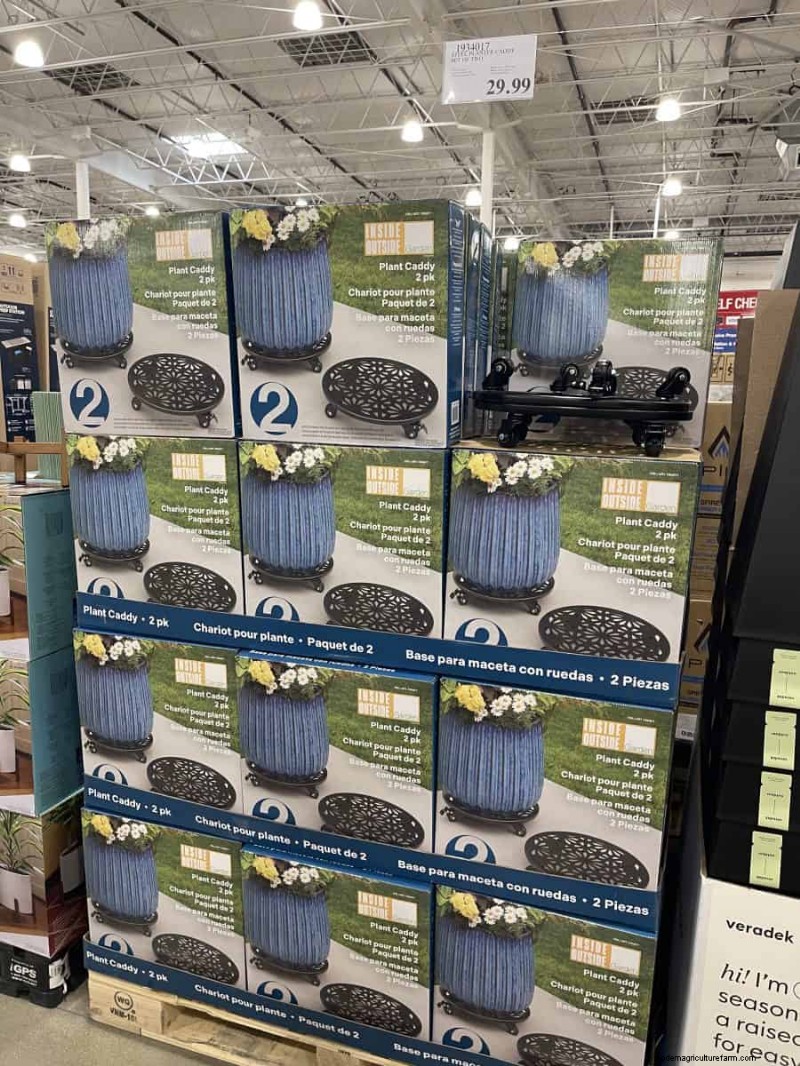
I’ve struggled too many times trying to drag a heavy ceramic pot across my patio without scratching the surface or throwing out my back. These solve that problem completely.
They’re perfect for those big planters we looked at earlier. Fill them with soil and plants, and you can still move them around to catch the best sun or rearrange your patio setup without needing help.
The lawn care section is absolutely stocked with Scotts products. I spotted their weed and feed formula, their crabgrass preventer with lawn food, plus entire pallets of grass seed on the right side.
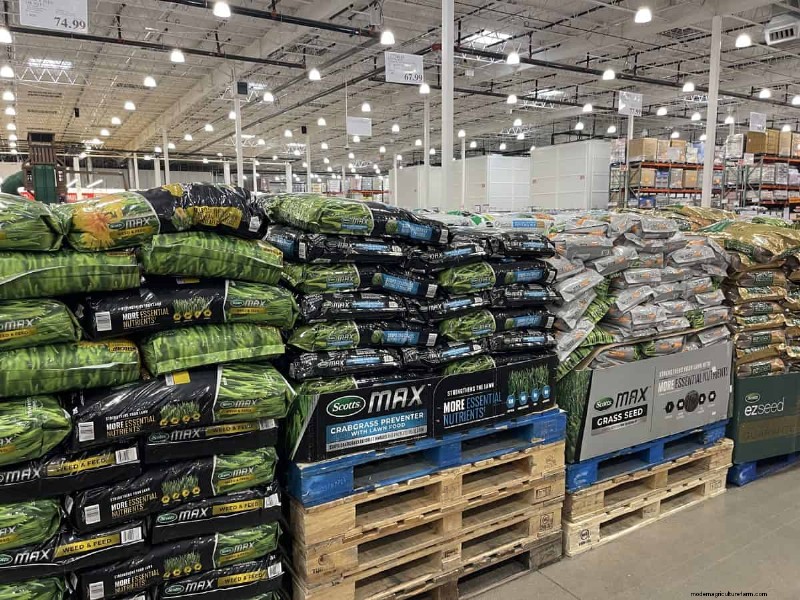
If you’re serious about getting your lawn in shape for spring, this is one-stop shopping. Multiple varieties of grass seed make sense because different parts of your yard might need different blends depending on sun exposure, foot traffic, and drainage.
The crabgrass preventer needs to go down before soil temperatures hit a certain point (usually when forsythia blooms), so now is actually the perfect time to grab this if you want to prevent crabgrass instead of fighting it all summer.
No spring planting happens without soil. My Costco had Miracle-Gro Organic raised bed and in-ground soil plus moisture control potting mix, both in those giant bags that make garden center sizes look tiny.
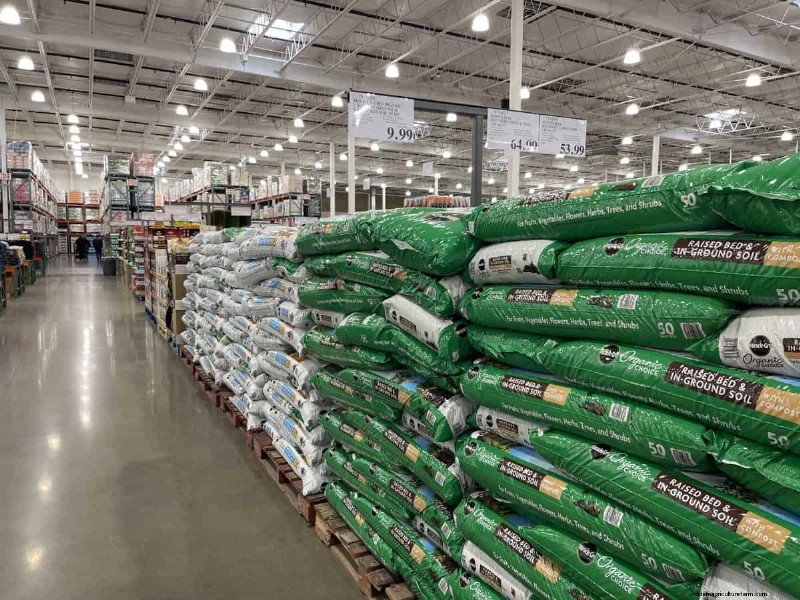
You get a giant 50-quart bag for under ten bucks. That’s a ridiculous amount of soil for that price. If you’re filling raised beds, new planters, or amending garden soil, stock up now while they have it.
Moisture control potting mix is particularly useful for containers because it helps prevent both overwatering and underwatering. It contains materials that absorb excess water when you overdo it and slowly release moisture when the soil starts drying out.
The Fiskars lopper and pruner set pairs perfectly with that tree care set we looked at earlier. Under twenty-five bucks sets you up with high-quality pruning tools for spring garden maintenance.
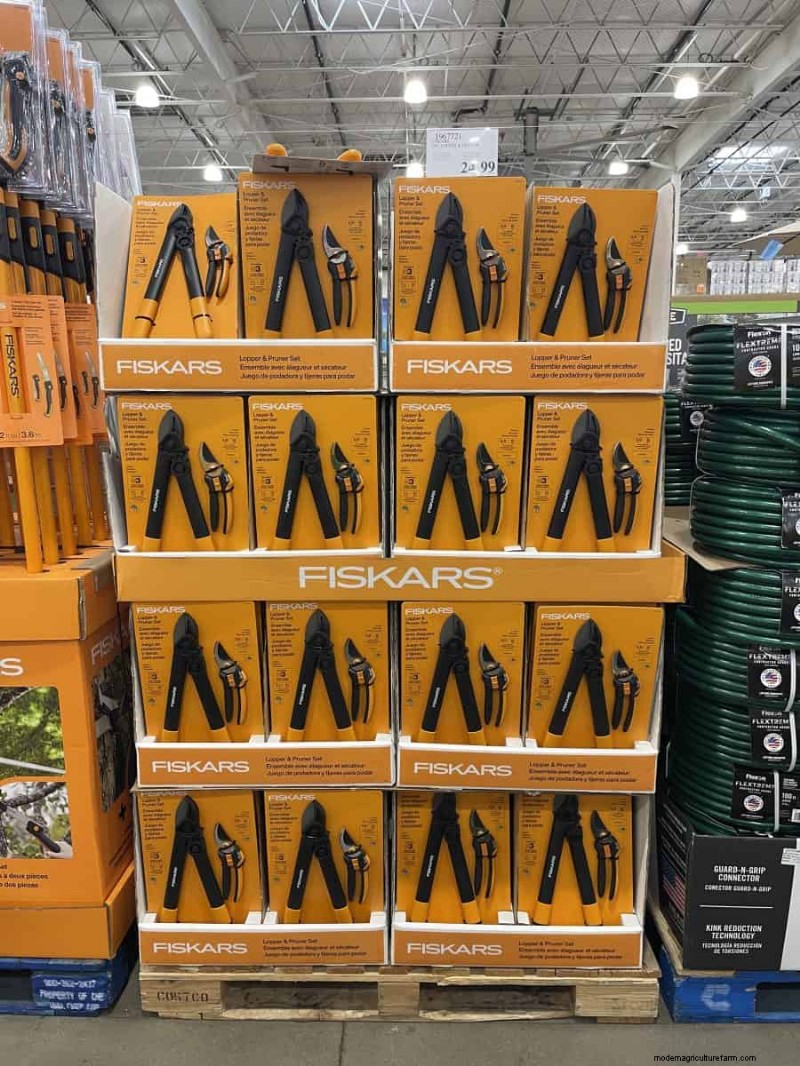
Loppers handle thicker branches that hand pruners can’t manage, while the pruners are perfect for detailed work on roses, perennials, and smaller branches. Having both gives you the right tool for whatever pruning job comes up.
These tulips in glass with baskets are absolutely gorgeous. Under twenty bucks gets you a complete arrangement that’s ready to gift or display on your own countertops.
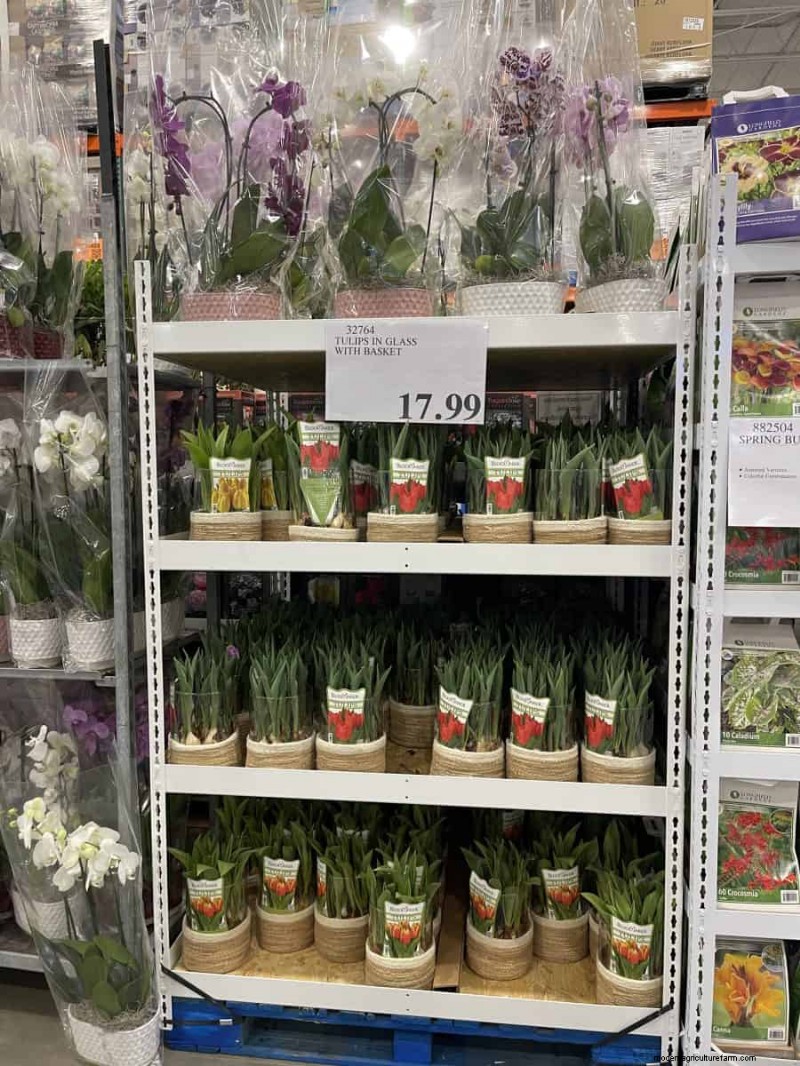
Notice they haven’t bloomed yet. That’s actually ideal because you won’t miss out on precious bloom time once you get them home. You’ll get to watch them open over the next week or so, which is half the joy of tulips.
You now know exactly what caught my eye in Costco’s garden section. While I managed to show restraint this trip (shocking, right?), those bareroot roses and that self-watering cedar planter keep calling my name. I’ll probably cave on my next trip.
Just to be clear: Costco doesn’t pay me anything for this. No commissions, no sponsorships, nothing. I’m just a fellow gardener and Costco member sharing what looked good during my shopping trip.
Your local warehouse might have different stock depending on your region and timing, so it’s worth checking what’s available near you. Spring inventory moves fast once planting season really kicks in, so don’t wait too long if something catches your eye.


