
Welcome to Modern Agriculture!

There’s nothing quite as heartbreaking as watching a vibrant succulent turn into a sad, mushy mess almost overnight.
If you’ve dealt with root rot, you’re definitely not alone. It’s easily the most common hurdle for plant lovers.
The truth is, we often accidentally ‘over-love’ our succulents with too much water. Because these plants are built for the desert, they carry their own water supply in those thick leaves and stems, making them much more low-maintenance than your average houseplant.
The good news? Preventing rot is actually pretty simple once you know what to look for. Let’s look at how you can keep your collection firm, healthy, and rot-free!
Regular potting soil holds too much moisture for succulents and can quickly lead to root rot.
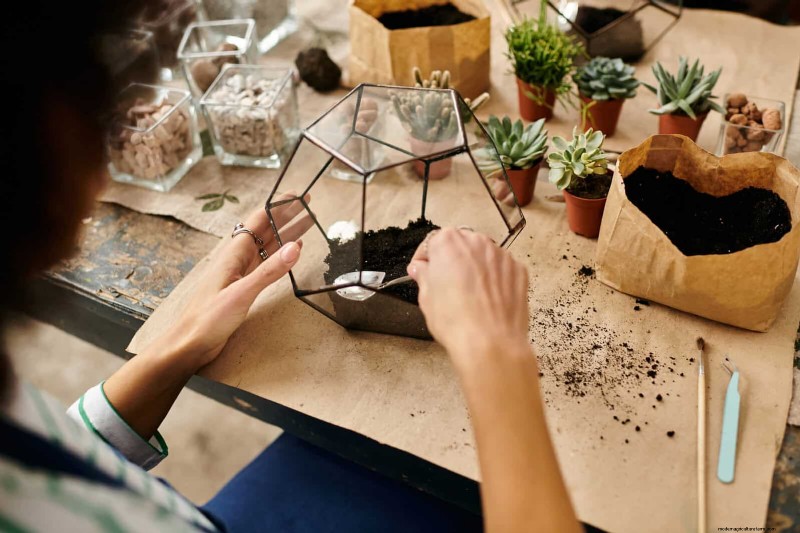
Commercial succulent or cactus soil mixes are designed to drain quickly and prevent water from pooling around sensitive roots. These specialized mixes typically contain less organic material and more gritty components that allow water to flow through.
If store-bought succulent soil still seems too water-retentive, you can always customize it.
Adding extra perlite, pumice, or coarse sand to commercial cactus soil creates an even better growing environment. The ideal mix should feel gritty between your fingers and drain almost immediately when water is added.
Making your own succulent soil mix gives you complete control over drainage. A basic DIY recipe combines one part regular potting soil, one part coarse sand or fine gravel, and one part perlite or pumice. This combination provides enough organic material to support roots while ensuring excess water drains away quickly.
Some succulents need even more drainage than others. Desert varieties like cacti prefer a mix with up to 70% mineral components and very little organic matter.
Jungle cacti and tropical succulents can tolerate slightly more organic material. Adjusting your soil mix based on the specific type of succulent helps prevent root rot before it starts.
Read more: Essential Nutrients for Succulents and Why They Matter
We'll email it to you so you can read it later!
By saving, you agree to receive occasional emails. Unsubscribe anytime.
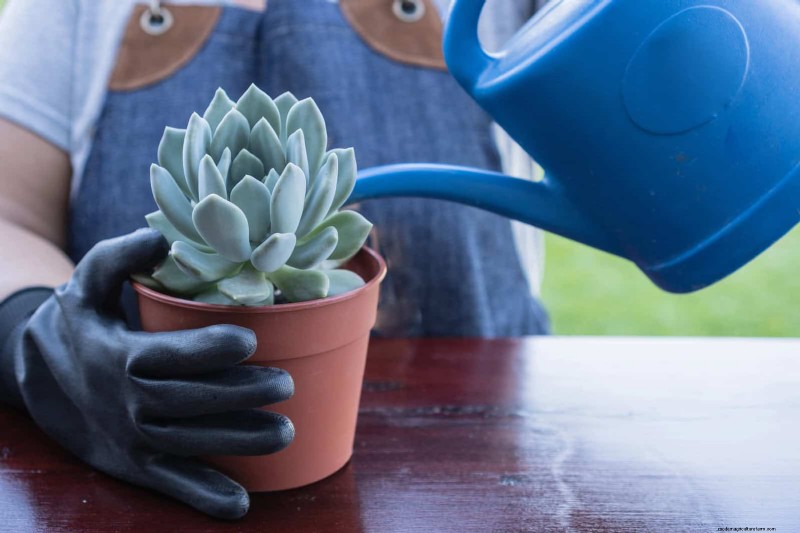
Overwatering is the number one cause of root rot in succulents. Most succulents require watering only when their soil is completely dry, which may be every 10-14 days indoors or even less frequently during winter months.
Learning to read your plant’s thirst signals rather than watering on a fixed schedule helps prevent moisture buildup.
Signs that your succulent needs water include slightly wrinkled leaves, leaves that feel soft rather than firm, and soil that’s completely dry when you check an inch below the surface.
Some succulents also lose their vibrant colors and appear duller when they’re thirsty. Pay attention to these subtle changes rather than watering based on the calendar.
The soak-and-dry method mimics natural rainfall patterns in arid regions. Water thoroughly until moisture runs from the drainage holes, then allow the soil to dry completely before watering again.
This approach encourages roots to grow strong and deep rather than staying near the surface, where they’re vulnerable to rot.
Timing matters too. Water your succulents in the morning so excess moisture can evaporate during the day.
Avoid evening watering, which leaves plants sitting in damp soil overnight when temperatures drop, and evaporation slows. Consistent application of the soak and dry method creates the perfect balance of moisture for healthy roots.
Proper drainage is non-negotiable for succulent health. Every container housing a succulent should have at least one drainage hole to allow excess water to escape.
Without drainage holes, even careful watering can lead to water pooling at the bottom of the pot, creating the perfect environment for root rot to develop.
Terra cotta pots are particularly good for succulents because the porous material allows water to evaporate through the sides of the container. Plastic and glazed ceramic pots hold moisture longer, requiring more careful watering.
If you find a decorative pot without drainage holes, use it as a cache pot with a proper draining pot nested inside.
Drainage holes serve two crucial functions for the health of succulents. First, they allow excess water to escape rather than collecting at the bottom of the pot. Second, they promote air circulation around the roots, helping the soil dry more quickly and evenly throughout the pot.
Adding a layer of drainage material, such as small stones or broken pottery pieces, above the drainage hole prevents soil from washing out while still allowing water to escape.
This simple technique enhances drainage and creates a small reservoir of air at the bottom of the pot, further reducing the risk of root rot in your precious succulents.
Good airflow is essential for preventing moisture buildup around succulent plants. When air can move freely around and between plants, excess moisture evaporates more quickly, reducing the risk of fungal growth and root rot.
Avoid crowding your succulents too closely together, both in garden beds and in containers.
Indoor succulents benefit from occasional gentle air movement from open windows or ceiling fans. This circulation helps dry the soil surface more quickly after watering and prevents stagnant, humid conditions.
Just be careful to keep succulents away from heating vents, which can cause excessive drying.
When planting multiple succulents in a container garden or outdoor bed, leave enough space for each plant to grow to its mature size.
As a general rule, small succulents should be spaced at least 2-3 inches apart, while larger varieties need 4-6 inches or more between plants. This spacing allows air to circulate around each plant’s crown and base.
Strategic spacing also prevents the formation of humid microclimates. When succulents are crowded too closely, the air between them can become trapped and moisture-laden, creating perfect conditions for rot.
Proper spacing means better air movement, faster soil drying, and healthier plants overall.
Many succulents go through natural dormancy periods when their growth slows significantly. During these times, their water needs decrease dramatically, and normal watering schedules can quickly lead to root rot.
Learning to identify and respect these dormant phases is crucial for preventing moisture-related problems.
Some succulents, like Aeonium and Sempervivum, naturally slow down during summer heat, while others, like most Echeveria, enter dormancy during winter months.
During these periods, cut watering back by at least half, watering only when the soil has been completely dry for several days, and the plant shows signs of thirst.
Echeveria and similar winter-dormant succulents need very little water from late fall through early spring. These plants evolved in regions with winter rainfall but have adapted to conserve energy during cooler months.
During winter dormancy, water these varieties only when their leaves begin to look slightly wrinkled or feel softer than usual.
Summer-dormant varieties like Aeonium follow the opposite pattern. These succulents grow actively during cooler months and slow down during summer heat. In hot weather, they may naturally drop leaves or close their rosettes to conserve moisture.
Respect this adaptation by watering sparingly during summer months, increasing frequency only when temperatures cool and new growth appears.
Indoor humidity can significantly impact the health of succulents, especially in naturally humid climates or during rainy seasons.
Most desert succulents thrive in environments with humidity levels of 30-50%. Higher humidity levels slow soil drying and can contribute to rot even with proper watering practices.
A small hygrometer placed near your succulent collection helps monitor ambient humidity levels. In humid environments, use fans to improve air circulation or consider a small dehumidifier for rooms with consistently high moisture levels.
Bathrooms and kitchens typically have higher humidity and may not be ideal locations for moisture-sensitive succulents.
In naturally humid climates, creating drier microenvironments helps desert succulents thrive. Place sensitive varieties near windows that receive good airflow or under ceiling fans that run regularly.
Grouping succulents with other drought-tolerant plants, rather than tropical humidity lovers, also helps maintain more suitable conditions.
Consider using materials that absorb excess humidity around your succulents to keep them healthy. A layer of decorative gravel or small stones on the soil surface helps water evaporate more quickly.
Terra cotta pots pull moisture away from the soil, and placing containers on pebble trays without water creates an air gap that improves circulation around the pot base.
Sometimes, despite your best efforts to prevent it, fungal problems may still develop. Catching these issues early and applying the appropriate fungicide treatments can prevent root rot from becoming severe.
Look for early warning signs like unusual discoloration at the plant base, soft spots on stems, or a plant that suddenly appears unstable in its pot.
Commercial fungicides formulated for succulents can be applied as a soil drench to kill harmful fungi. Always follow package directions carefully, as over-application can stress plants.
After treatment, allow the soil to dry completely and consider repotting in fresh soil once the fungicide has had time to work.
Several natural antifungal options can help address minor fungal issues. A solution of one part hydrogen peroxide to four parts water can be used as a soil drench to kill fungal spores and add oxygen to the root zone.
Cinnamon powder sprinkled on soil or wound surfaces also has natural antifungal properties that can help prevent rot from spreading.
For more serious cases, copper-based fungicides or products containing propiconazole provide stronger protection.
These should be reserved for confirmed fungal issues rather than used preventively, as regular use can affect beneficial soil microorganisms. Always apply in well-ventilated areas and follow safety precautions listed on product labels.
If you discover a succulent with root rot, quick action is necessary to prevent spread to nearby plants. Remove the affected plant from its container or garden location immediately.
Examine the roots carefully by gently washing away soil. Healthy roots appear firm and white or tan, while rotted roots are brown or black, soft, and often have an unpleasant smell.
If rot is minor and confined to a small section of roots, the plant may be salvageable. Using clean, sharp scissors or pruning shears, cut away all diseased portions until only healthy tissue remains.
Allow cut surfaces to callus for a day or two before repotting in fresh, dry soil. Don’t water the newly potted plant for at least a week to give it time to recover.
Any succulent showing signs of disease should be isolated from your main collection.
Set up a quarantine area in a separate room or at least several feet away from healthy plants. This isolation prevents fungal spores from spreading through water splashes, air movement, or insects moving between plants.
Clean all tools used on infected plants thoroughly with rubbing alcohol or a 10% bleach solution before using them on healthy specimens.
Consider disposing of the soil from infected plants rather than reusing it, even in outdoor gardens. These precautions help contain problems before they can affect your entire succulent collection.
Adding coarse materials to succulent soil dramatically improves drainage and prevents water from clinging around roots.
Materials like pumice, perlite, and crushed granite create air pockets in the soil, allowing water to flow through quickly while providing spaces for roots to access oxygen. These materials don’t break down over time, maintaining good drainage throughout the life of the potting mix.
Different coarse materials offer various benefits. Pumice, a volcanic rock full of tiny air pockets, holds a small amount of moisture while still promoting drainage.
Perlite is ultra-lightweight and excellent for improving aeration. Crushed granite provides weight and stability for top-heavy plants while creating excellent drainage channels.
The ratio of coarse materials to organic components significantly impacts drainage quality.
For most succulents, a mix containing 50-70% mineral components provides an ideal moisture balance. You can adjust this ratio based on your local climate and watering habits. In humid regions, increasing the percentage of coarse materials helps counteract environmental moisture.
Particle size matters too. Materials that are too fine can pack together and reduce drainage benefits. Look for medium-grade perlite rather than fine, and crushed granite in 1/4 inch or larger pieces.
Mixing different sizes and types of drainage materials creates a more diverse soil structure that mimics the varied terrain of natural succulent habitats.
Over time, even the best succulent soil can become compacted, break down, or accumulate mineral deposits from water and fertilizer.
Regular repotting, typically every 12-24 months, provides an opportunity to refresh the growing medium and assess root health. Spring is often the ideal time for repotting, as most succulents are entering an active growth phase.
Repotting also allows succulents to access fresh nutrients and prevents them from becoming root-bound.
Choose containers just slightly larger than the current pot, as too much excess soil can hold unwanted moisture. Fresh soil improves drainage and creates a healthier root environment that naturally resists rot problems.
The repotting process provides a perfect opportunity to check for early signs of root issues. Gently remove the plant from its container and carefully brush away old soil to examine the root system.
Healthy roots should be firm, not mushy, and white to tan in color. Any dark, soft, or foul-smelling roots indicate potential rot problems that need immediate attention.
During repotting, trim away any questionable roots using clean, sharp scissors. Allow the plant to sit bare-root for a day or two to ensure any cuts callus over before replanting.
This brief drying period helps prevent infection in freshly cut tissues and gives you a chance to thoroughly inspect the entire root system for problems that might have been hidden in the soil.
Local climate dramatically affects how often succulents need water. In hot, dry regions like the Southwest, outdoor succulents might need water every 7-10 days during summer, while the same plants in the humid Southeast might only need water every 2-3 weeks.
Indoor succulents follow similar patterns based on home temperature, humidity, and air circulation.
Seasonal changes require watering adjustments too. Most regions experience significant shifts in temperature, humidity, and daylight hours throughout the year.
These environmental changes directly impact how quickly soil dries and how much water plants use. Successful succulent growers pay close attention to these variations and adjust their care routines accordingly.
In arid regions like Arizona or Southern California, succulents may need more frequent watering but benefit from the naturally dry air that helps soil dry quickly.
Water thoroughly when the soil is completely dry, which might be weekly in summer but monthly in winter. Morning watering is best, allowing moisture to evaporate before cooler evening temperatures.
Humid regions present different challenges. In places like Florida or the Gulf Coast, natural humidity slows soil drying and increases rot risk. Here, focus on excellent drainage, more mineral-heavy soil mixes, and less frequent watering.
Consider covering outdoor succulent gardens during rainy periods or growing sensitive varieties under sheltered overhangs that protect from excess rainfall while still providing adequate light.
Preventing root rot in succulents comes down to understanding these plants’ natural adaptations.
By creating environments that mimic their native habitats, with fast-draining soil, appropriate watering, and good air circulation, you set the stage for healthy growth. Regular monitoring allows you to catch and address any issues before they become serious problems.
The reward for your careful attention is a beautiful, thriving succulent collection. Healthy plants display vibrant colors, firm leaves, and steady growth.
They also propagate more easily and live longer lives. With these prevention strategies in place, you can enjoy the unique beauty of succulents without the frustration of root rot taking your precious plants.
For more tips, check out this article: Do Succulents Have Shallow Roots?


