Welcome to Modern Agriculture!

Plants have been valued for their beauty, fragrance, and practical uses throughout history. But many plants carry special significance as symbols of good fortune and prosperity in cultures around the world.
Growing these lucky plants in your home or garden might just invite some positive energy into your life. Looking to boost your luck? Adding the right plants to your space could help.
These 25 plants have been trusted for centuries to attract good fortune, wealth, and happiness in different traditions globally.
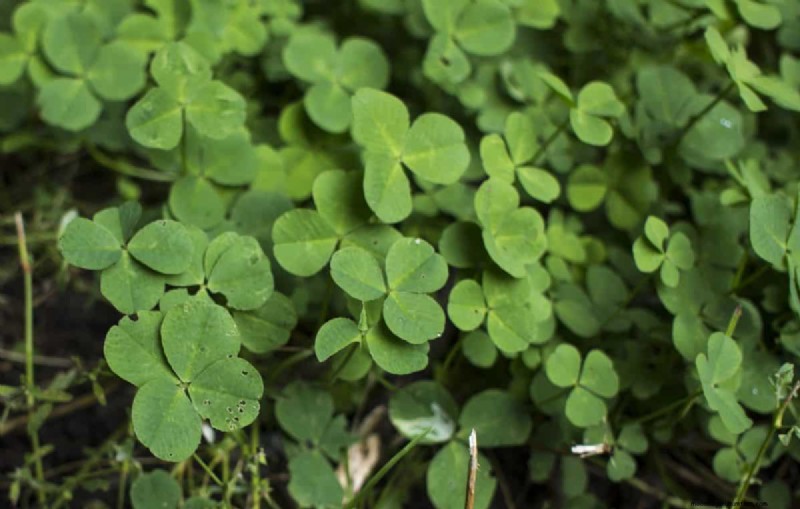
The four-leaf clover stands as perhaps the most recognized good luck symbol in Western culture. These rare variations of the common clover plant are said to bring luck to anyone fortunate enough to find one.
Each leaf represents something special: faith, hope, love, and luck.
Irish tradition holds that finding a four-leaf clover brings extraordinary good fortune. The odds of finding one are roughly 1 in 10,000, making them rare treasures. People often press and preserve these clovers in books or carry them as personal talismans.
Bamboo has been revered in Chinese culture for thousands of years as a symbol of good fortune and resilience. Its ability to bend without breaking during storms represents flexibility and strength during life’s challenges.
The fast growth of bamboo also symbolizes rapid progress and advancement. Growing bamboo near your home is believed to create a protective barrier against negative energy.
Many Chinese households place bamboo in the east corner of their homes or gardens to attract health and family harmony. Its hollow stems also represent an open heart and mind.
Read more: 53 Bamboo Garden Ideas That Will Inspire You
We'll email it to you so you can read it later!
By saving, you agree to receive occasional emails. Unsubscribe anytime.
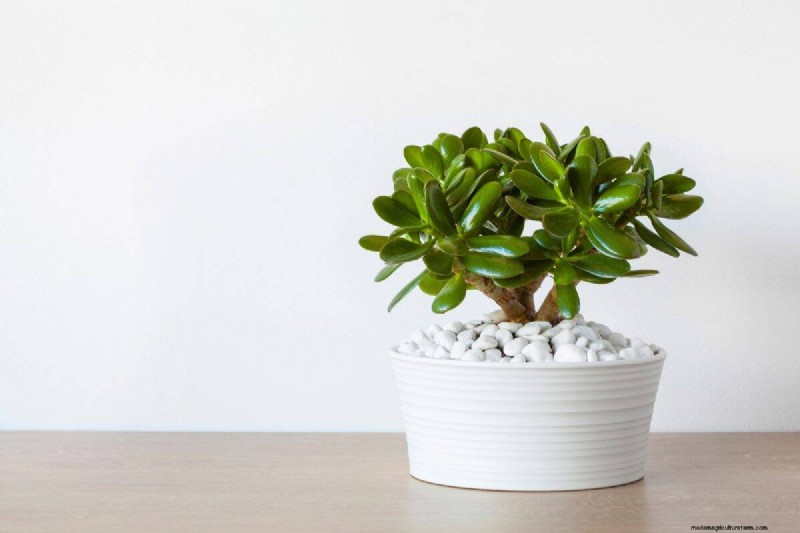
Also known as jade plant, the money plant features round, coin-shaped leaves that symbolize wealth and prosperity in many Asian cultures.
These succulent plants are incredibly resilient and can live for decades when properly cared for, representing long-lasting abundance. Feng Shui practitioners recommend placing money plants near the entrance of your home or in southeast corners to attract financial success.
The plant’s vibrant green color is associated with growth and renewal, while its sturdy trunk symbolizes a strong financial foundation.
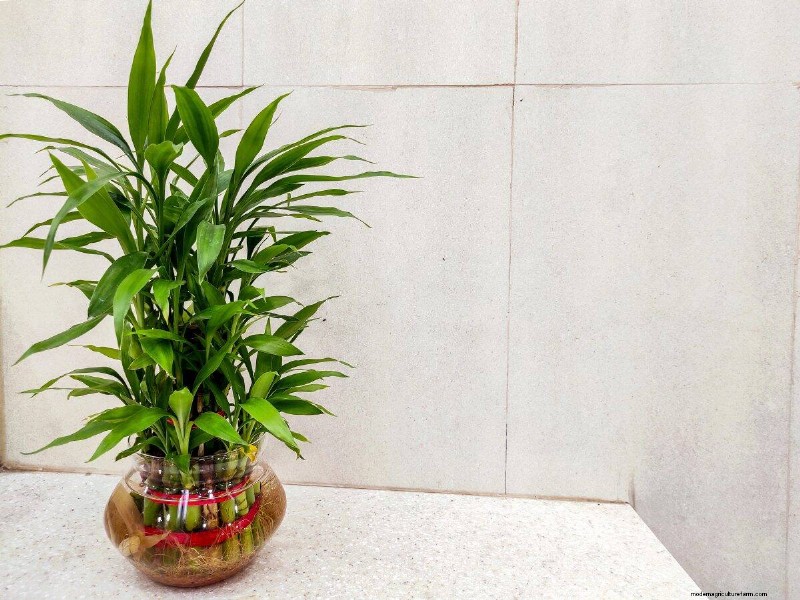
Despite its name, lucky bamboo isn’t actually bamboo but a type of water lily. This plant has become extremely popular in feng shui practice for its supposed ability to bring good fortune.
Different arrangements of stalks represent different types of luck: three stalks for happiness, five for wealth, and seven for good health.
Lucky bamboo thrives in water and requires minimal care, making it an accessible lucky charm for anyone. Gifting lucky bamboo is considered especially auspicious during Chinese New Year celebrations. Many believe the more stalks included, the more powerful the luck generated.
In Italian folklore, basil is considered a symbol of love and good fortune. Potted basil plants were traditionally placed on windowsills to invite prosperity into the home and ward off evil. Some Italian brides carried basil in their bouquets to ensure a happy marriage.
Beyond Italian culture, basil holds significance in Hindu traditions where it’s associated with the god Vishnu and considered protective.
Growing basil near your kitchen not only provides fresh herbs but might also bring good vibes according to these traditions. The strong scent is said to clear negative energy.
Read more: 12 Reasons Why You Must Add Basil to Your Garden
Sage has been used in purification rituals by Indigenous American cultures for centuries. The plant is believed to clear negative energy and invite good fortune when burned as a smudge stick. Its very name comes from the Latin “salvere,” meaning “to be saved” or “to heal.”
Growing sage in your garden is thought to bring wisdom and longevity.
Many cultures consider sage a protective plant that safeguards against misfortune. The silvery-green leaves are both beautiful and symbolic of the cleansing properties attributed to this versatile herb.
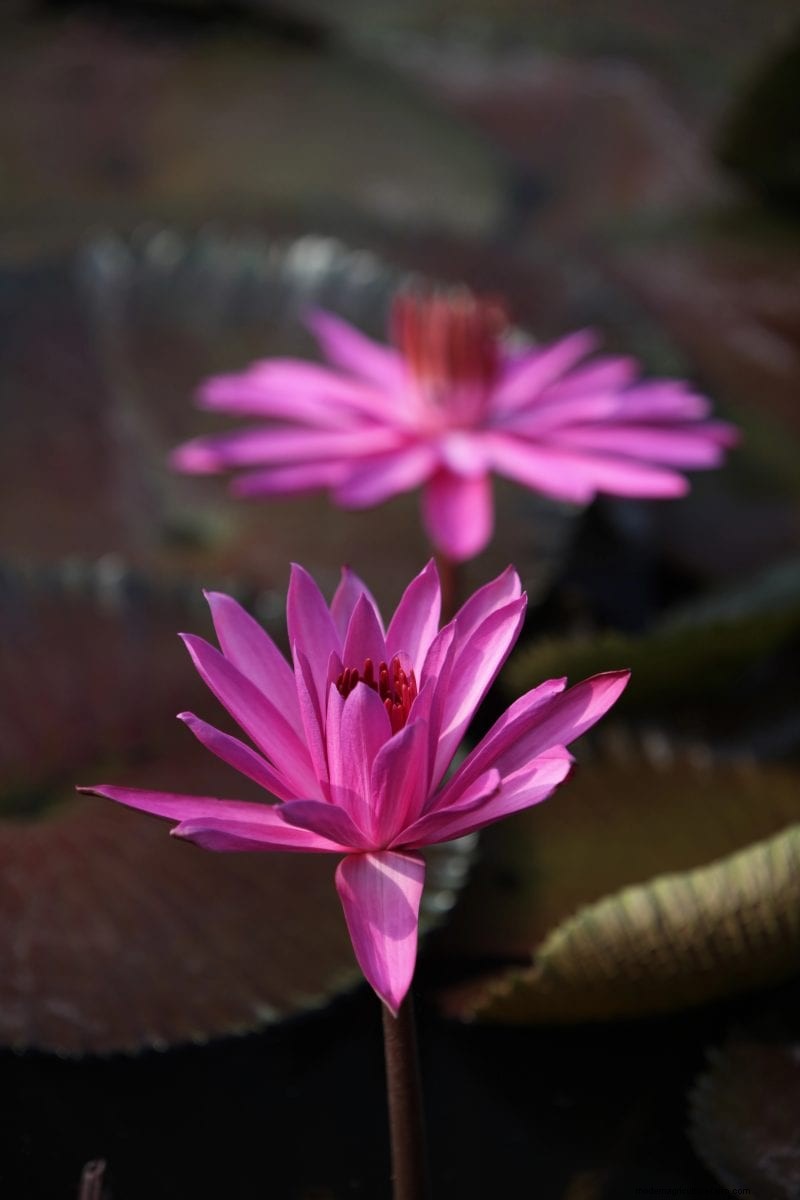
The lotus flower holds profound significance in many Eastern cultures, particularly in Buddhist and Hindu traditions. Growing from muddy waters to produce immaculate blooms, the lotus represents purity, enlightenment, and good fortune rising from difficult circumstances.
In Egyptian culture, the lotus symbolized rebirth and the sun. Having lotus plants in a water garden is considered extremely auspicious. The flower’s ability to close at night and reopen with the morning sun represents eternal renewal and the promise of better days ahead.
Chrysanthemums symbolize longevity, joy, and good fortune in many Asian cultures. In Japan, the chrysanthemum is so revered that it appears on the
Imperial Seal and is celebrated with an annual “Festival of Happiness.” Different colored chrysanthemums carry different meanings, with yellow varieties specifically associated with good luck.
Growing chrysanthemums in your garden is believed to bring cheerfulness and optimism. Many Chinese households display these flowers during autumn to attract good fortune for the coming year.
Their ability to bloom when most other flowers have faded symbolizes perseverance and lasting prosperity.
Peonies have been cultivated in China for over 4,000 years and are considered omens of good fortune, honor, and prosperity. Their lush, full blooms represent wealth and abundance.
In Chinese imperial times, peonies were grown in temple gardens and considered the “king of flowers.”
These stunning flowers are often featured in traditional Chinese art as symbols of wealth and distinction. Planting peonies in your garden might attract riches according to feng shui principles.
Their sweet fragrance is said to bring happiness and their long lifespan represents a fortune that endures through generations.
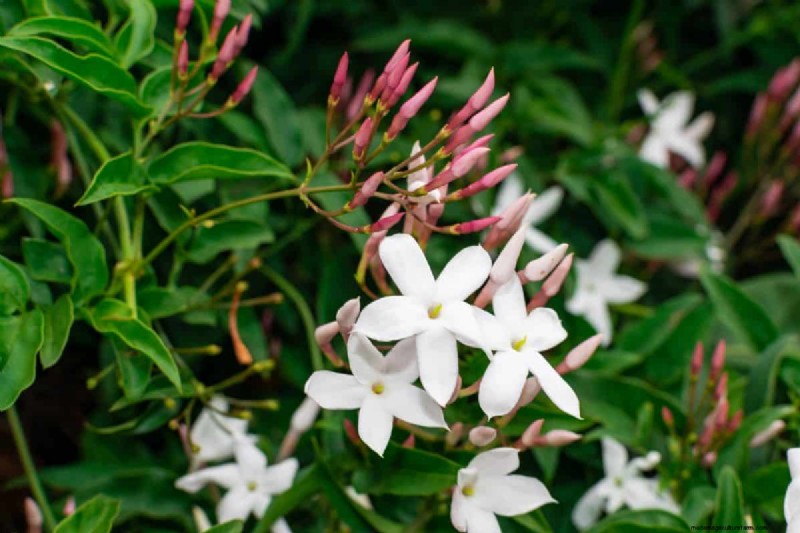
Jasmine flowers are associated with good fortune, love, and prosperity in many cultures across Asia and the Middle East. The sweet-smelling white blooms are believed to attract positive energy and wealth. In Thailand, jasmine is considered the lucky flower of mothers.
Growing jasmine near entrances or windows allows its fragrance to permeate your home, supposedly bringing luck with it. Many Hindu ceremonies incorporate jasmine as a symbol of good fortune and divine hope. The plant’s ability to bloom at night represents hidden blessings coming to light.
The fig tree has been venerated as a symbol of abundance and fertility across Mediterranean cultures for thousands of years. In ancient Greece, figs were considered sacred to Dionysus, the god of fertility and prosperity. Growing a fig tree on your property is thought to invite wealth and plenty.
Biblical references to fig trees further cemented their status as lucky plants. Many Italian and Greek households believe that having a healthy fig tree ensures the family will never go hungry. The tree’s generous fruit production represents the endless bounty that life can provide when properly nurtured.
Pomegranates have symbolized good fortune and fertility across many cultures due to their abundant seeds. In Greek mythology, the pomegranate represented life, regeneration, and marriage.
Jewish tradition considers the fruit a symbol of righteousness because it supposedly contains 613 seeds, corresponding to the 613 commandments of the Torah.
Growing pomegranate trees near your home is believed to bring prosperity and many children. Their vibrant red fruits represent vitality and life force. In Chinese culture, the pomegranate is often displayed during weddings as a blessing for many descendants.
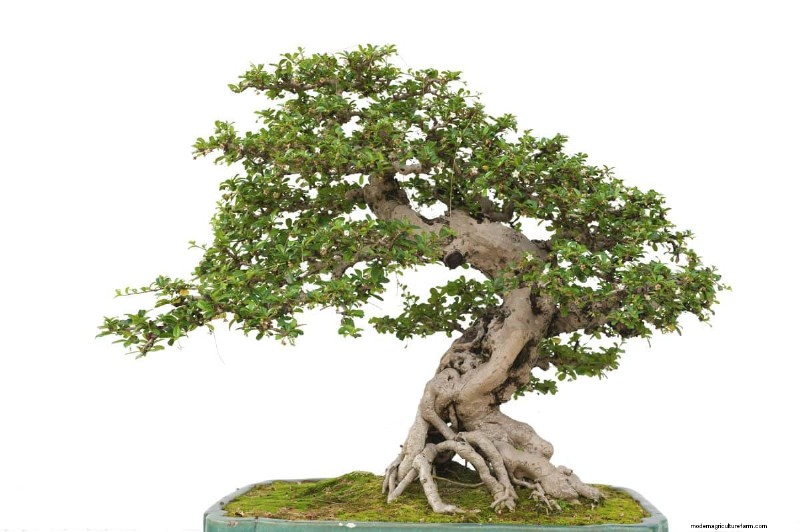
Pine trees symbolize longevity and steadfastness in East Asian cultures, particularly in Japan and China. Their evergreen nature represents endurance and immortality. Bonsai pine trees are especially valued as symbols of good fortune that can be kept inside the home.
In Korean tradition, pine trees are considered auspicious and are planted near homes and temples to ward off evil spirits. The ability of pines to thrive in harsh conditions makes them powerful symbols of resilience.
Their presence is thought to confer strength and long-lasting prosperity to those who grow them.
Plum blossoms hold special significance in Chinese and Japanese cultures as harbingers of good fortune. Blooming in winter before most other flowers, they symbolize perseverance and hope during difficult times.
The five petals represent the five blessings: longevity, wealth, health, virtue, and peaceful death. These delicate flowers are often depicted in Asian art as symbols of resilience and renewal.
Growing plum trees in your garden is believed to attract good luck even in challenging circumstances. Their sweet fragrance is said to bring happiness and their early blooming represents being first in line for coming good fortune.
The bay laurel has been associated with victory, honor, and good fortune since ancient Greek and Roman times. Wreaths of bay laurel leaves crowned victors and poets, giving us the term “laureate.” Growing bay in your garden is thought to protect against misfortune and lightning strikes.
In many Mediterranean households, a bay tree planted near the home serves as a guardian against evil. The aromatic leaves are believed to have cleansing properties that drive away negative energy. Some traditions hold that wishes whispered to a bay leaf before burning it will come true.
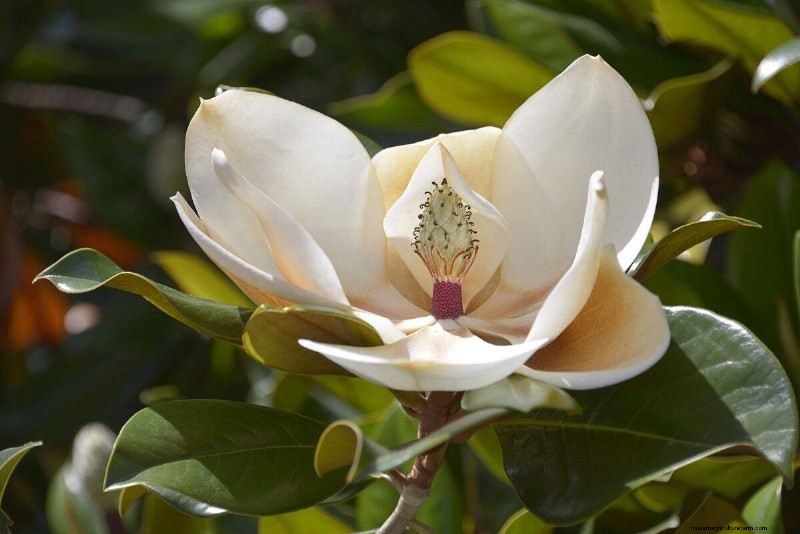
Magnolias are ancient flowering plants considered symbols of purity, dignity, and good fortune in many Asian cultures, especially in China. Their large, fragrant blooms represent nobility and perseverance. The magnolia’s ability to flower before its leaves appear symbolizes brave forward movement.
Having a magnolia tree on your property is believed to bring sweetness and beauty to life. Some Chinese traditions consider the magnolia a symbol of feminine beauty and gentleness. Their long evolutionary history makes them symbols of endurance and lasting prosperity.
Daffodils symbolize new beginnings and good fortune in many Western cultures. In Wales, finding the first daffodil of spring promises good luck for the entire year. Their bright yellow color represents the return of sunshine and prosperity after winter’s darkness.
Chinese New Year celebrations often feature daffodils as symbols of wealth and good fortune for the coming year. The bulbs’ ability to return year after year represents enduring prosperity.
Growing daffodils in your garden invites recurring happiness and ensures at least one annual reminder of hope’s renewal.
Mint has been associated with hospitality and good fortune across many cultures for centuries. Ancient Greeks rubbed mint on their dining tables as a welcome to guests, believing this would bring prosperity to both host and visitor.
The plant’s vigorous growth represents abundance that multiplies rapidly.
Growing mint near your home is believed to attract money and success. Many Middle Eastern traditions consider mint a lucky herb that brings joy and wealth. Its refreshing scent is thought to stimulate positive energy flow and clear the mind for recognizing fortunate opportunities.
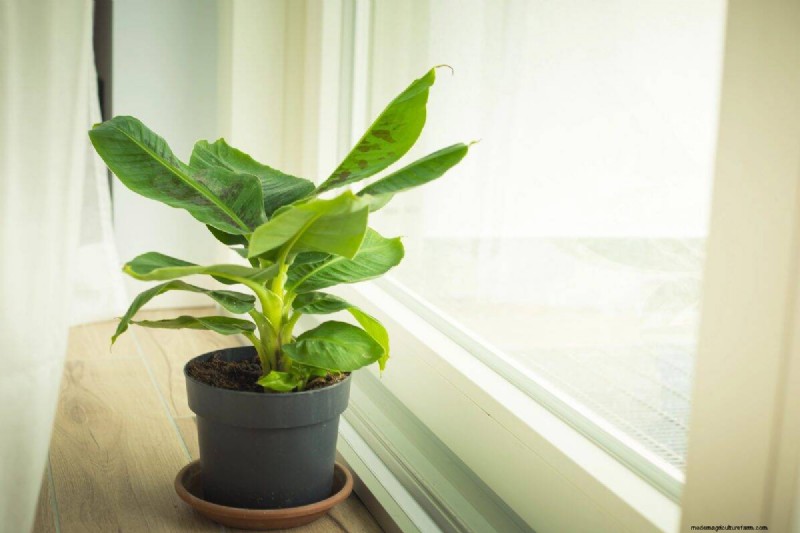
Banana plants symbolize prosperity and abundance in many tropical cultures due to their bountiful fruit production. In Feng Shui practice, banana plants are believed to bring financial luck because their large leaves catch and hold positive energy.
The way banana plants reproduce quickly represents wealth that multiplies.
Growing ornamental banana plants indoors has become popular among those seeking to attract good fortune. In Filipino tradition, banana plants planted near the home bring blessings and prosperity. Their rapid growth represents quick advancement and speedy achievement of financial goals.
Orange trees symbolize good fortune, prosperity, and happiness in Chinese culture. The Chinese word for orange sounds similar to the word for success, creating a linguistic connection between the fruit and good fortune.
During Chinese New Year, oranges are displayed and gifted to represent gold and wealth. Growing orange trees near your home is thought to invite success and happiness.
Their evergreen nature represents constant prosperity, while their fragrant blossoms symbolize purity. The bright orange fruits are seen as little suns, bringing vital energy and optimism to those who cultivate them.
Rosemary has been considered a lucky herb since medieval times, believed to protect against evil spirits and bring good fortune. The herb was often planted near home entrances as a protective barrier.
Its name derives from “ros marinus,” meaning “dew of the sea,” highlighting its revitalizing properties. Growing rosemary in your garden is thought to attract positive energy and prosperity.
Many European traditions hold that rosemary only flourishes in gardens where the woman of the house is truly in charge. Its aromatic oils are believed to enhance memory and clear negative thoughts, making room for lucky opportunities.
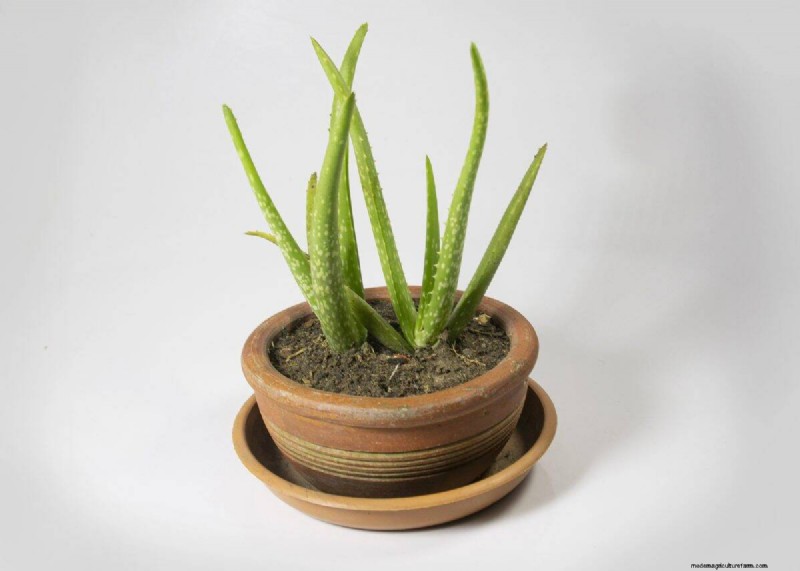
Aloe vera is considered a protective and lucky plant in many African and Middle Eastern traditions. Its ability to thrive without much water symbolizes resilience in tough times. In some cultures, aloe is believed to bring good luck by warding off bad energy and protecting the household.
Growing aloe plants indoors is thought to bring good fortune and healing energy. Many believe that an aloe plant at your front entrance brings good luck to visitors and protects against negative influences entering your home. Its practical healing properties also make it a symbol of good health and vitality.
Lavender has long been associated with good fortune, protection, and peace in Mediterranean cultures. Ancient Romans added lavender to their bath water for luck and used it in love potions. The soothing purple flowers are thought to bring calm prosperity rather than chaotic wealth.
Growing lavender near your home is believed to attract gentle good fortune and repel negative energy. Many European traditions hold that lavender under your pillow brings good luck in finding true love. Its persistent growth in harsh conditions represents fortune that endures through difficult times.
Bonsai trees represent harmony, balance, and good fortune in Japanese and Chinese cultures. These miniature trees embody the connection between heaven and earth in a perfectly balanced form.
Different species carry different meanings, with pine bonsai symbolizing longevity and juniper representing protection. Keeping a bonsai tree in your home is believed to invite contemplative good fortune rather than flashy luck.
The careful tending these trees require represents the patience needed to cultivate lasting prosperity. Their contained growth in small pots symbolizes the ability to flourish even with limited resources.
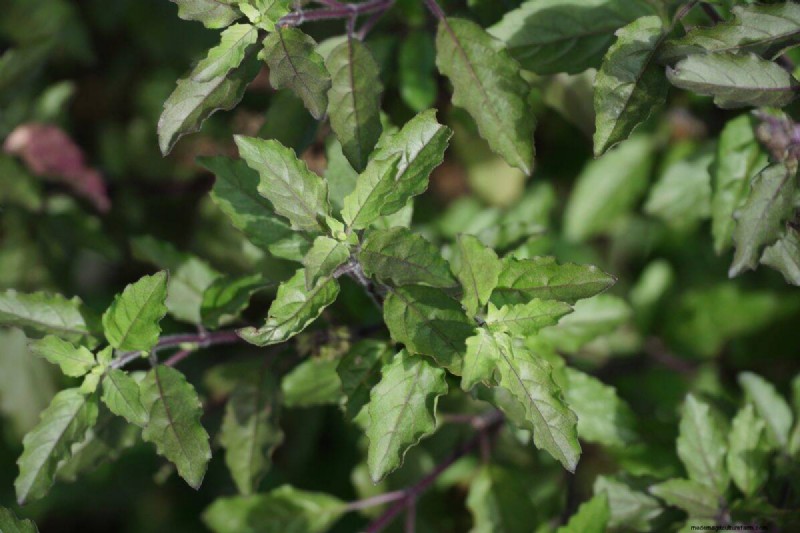
Holy basil, or Tulsi, is one of the most sacred plants in Hindu culture and is considered extremely auspicious. Often grown in special pots or small shrines in Indian homes, this plant is believed to bring divine protection and good fortune.
Its presence is thought to purify the atmosphere both physically and spiritually. Growing Holy Basil is considered an act that brings blessings to the entire household.
Many Hindu traditions hold that even the shade of the Tulsi plant is purifying. The plant is often kept in the central courtyard of Indian homes where its beneficial influence can spread throughout the dwelling.
These 25 plants show how cultures worldwide have found hope, protection, and good fortune in the natural world around us. The traditions surrounding these lucky plants offer beautiful ways to connect with cultural heritage while adding greenery to our spaces.
Their symbolism runs deep, tapping into universal human hopes for prosperity and well-being. Consider adding one or several of these fortunate plants to your home or garden. While no plant can guarantee good luck, surrounding yourself with living things that carry positive cultural associations can certainly lift your spirits.
The care these plants require might just help you cultivate your own good fortune through patience, attention, and appreciation of life’s simple pleasures.