
Welcome to Modern Agriculture!

Water temperature is the silent arbiter of aquaponic performance. A balanced nutrient cycle can falter if the water moves outside the comfort zone of fish, plants, or beneficial bacteria.
Fish, plants, and bacteria each have specific thermal preferences. Fluctuations cause fish stress, slow plant nutrient uptake, and impair bacterial nitrification, creating a system that looks fine on the surface but struggles internally.
Common warning signs—reduced fish feeding, pale foliage, or unexplained ammonia rises—often point to temperature instability rather than a broken system.
Even mild climates can experience nighttime drops that stress fish and slow bacterial activity. Backyard systems, with their small volume, lose heat rapidly, making daily swings a frequent hazard.
Cold‑blooded fish rely on water temperature to regulate metabolism. Below their optimal range, they eat less and grow slower; above it, oxygen levels fall and stress spikes, increasing mortality.
Typical comfort ranges:
Consistent temperature is as crucial as the target itself. Even tolerant species suffer from frequent swings, so a reliable heater can prevent overnight and seasonal dips.
Plants depend on the chemical milieu created by nitrifying bacteria. Cooler water slows enzymatic activity, reducing nutrient availability and leading to yellowing leaves, stunted growth, and lower yields.
Maintaining a steady temperature keeps nutrients in the right form, allowing plants to absorb them efficiently and grow predictably.
Nitrifying bacteria thrive within 68–78°F (20–26°C). When temperatures dip, their activity drops dramatically, causing ammonia and nitrite to rise even in mature systems.
Stable heat keeps bacteria efficient, ensuring fish safety, plant nutrition, and less frequent water testing.
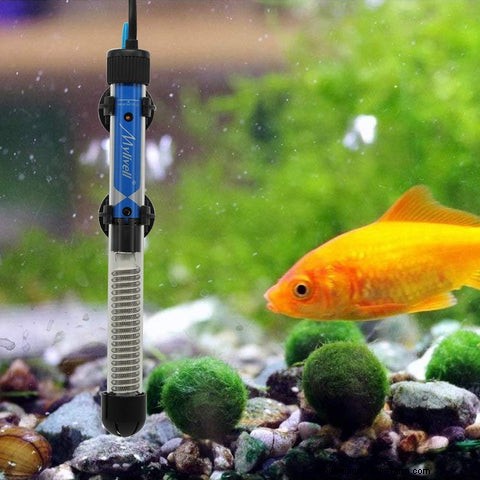
While some systems run without a heater, they rarely reach full potential. Growth slows, fish feed less, and the system becomes more sensitive to minor changes.
Key scenarios for heater necessity:
In regions where nighttime temperatures dip below fish or bacterial thresholds, a heater is essential. Even in temperate zones, cooler seasons can derail nutrient cycling.
Outdoor or lightly insulated systems experience significant daily drops. Small tanks or IBC totes lose heat quickly, stressing all biological components.
Garages, basements, or unheated grow rooms often cool more than expected, especially at night. Room temperature alone rarely suffices.
Compact setups—tabletop systems, starter kits—heat up and cool down rapidly, making heaters vital even in warmer regions.
The decisive factor is temperature consistency, not geographic location. If your water regularly falls outside the ideal range or swings more than a few degrees, a heater is no longer optional.
Submersible units sit directly in the fish tank or sump. They’re easy to install, affordable, and widely available, making them the go‑to for backyard and beginner setups.
Choose a high‑quality model rated for continuous operation to avoid reliability issues.
Installed in the plumbing, inline heaters warm water as it circulates, delivering uniform temperature and eliminating hot spots.
They require more setup but provide superior performance for systems that demand precise heating.
These robust units handle large volumes, run continuously without overheating, and integrate with advanced monitoring systems.
Though pricier, they pay off through efficiency, reliability, and reduced downtime.
Backyard and indoor growers usually benefit from a well‑built submersible heater with a reliable thermostat. Larger systems gain from inline or external heaters that offer greater stability.
A heater that’s too small will run constantly yet fail to maintain temperature. Too powerful can cause uneven heating, waste energy, and increase wear.
Include every water reservoir: fish tank, sump, grow beds, and any additional tanks.
Use 2–5 watts per gallon (0.5–1 watt per liter). The exact placement depends on climate, indoor/outdoor location, insulation, and desired temperature differential.
A slightly larger heater reaches target temperature faster, runs less frequently, and experiences less long‑term strain.
Insulating tanks, grow beds, and exposed plumbing can dramatically reduce heating demand. Even a properly sized heater struggles in an uninsulated system.
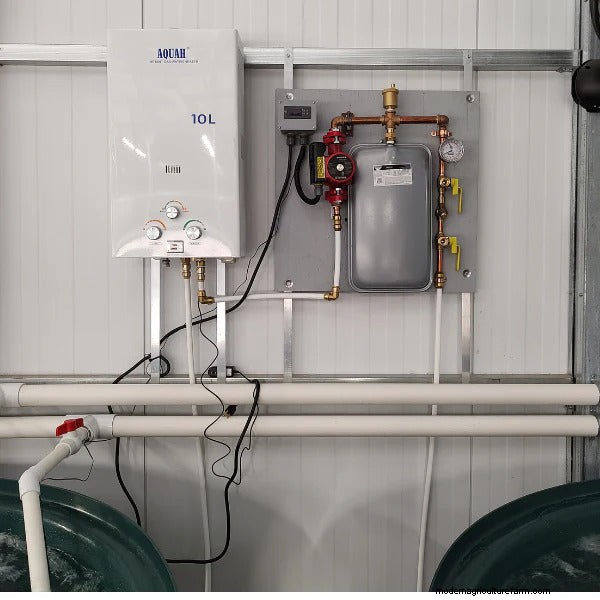
A precise thermostat lets you fine‑tune temperature to your fish species and grow goals. Avoid units with vague temperature markings.
Continuous operation demands robust materials, protective guards, and corrosion‑resistant components to prevent sudden failures.
These safety features guard against low water levels, overheating, and electrical hazards, keeping your system stable.
Pairing a heater with a temperature controller provides tighter regulation, real‑time monitoring, and backup protection if the internal thermostat fails.
Efficient heaters reach target temperatures faster, cycle less often, and maintain stability with lower power draw, reducing operating costs.
Yes, but only for small, low‑demand systems. Aquarium heaters are not rated for continuous use or large volumes typical in aquaponics.
Depends on climate, system location, and fish species. Indoor systems in controlled environments may need minimal heating, whereas outdoor or temperature‑sensitive setups usually require a heater during cooler periods.
Combine a properly sized heater with insulation, thermal mass (e.g., barrels or rocks), and a temperature controller or alarm for backup.
Submersible heaters with shatter‑resistant construction, automatic shut‑off, and protective guards are safest for home systems. Inline or commercial heaters are safer for larger setups when installed with proper flow and monitoring.
Use 2–5 watts per gallon (0.5–1 watt per liter) as a baseline, then adjust for insulation, climate, and desired temperature difference. Slight oversizing is safer than undersizing.
Temperature can drop or spike rapidly, stressing fish and plants. Monitoring, a temperature controller, and a backup heater mitigate this risk.
Investing in a quality water heater is essential for a stable, productive aquaponic system. Proper sizing, insulation, and safety features protect fish, boost nutrient cycling, and accelerate plant growth. Whether you’re starting fresh or upgrading, the right heater and accessories are among the smartest decisions you can make.


