Odors in aquaponics systems are a red flag that signals imbalances which, if ignored, can harm both fish and plants. With over a decade of hands‑on experience running commercial systems, I’ve seen how quickly foul smells can spread and why early detection is vital for a thriving, sustainable operation.
Causes of Odor in Aquaponics
Below are the primary drivers of unpleasant aromas:
1. Decomposition of Organic Matter
- Uneaten feed, dead roots, and fish waste break down and release gases such as hydrogen sulfide and ammonia.
- When organic load is too high, anaerobic pockets form, accelerating the production of odor‑producing bacteria.
2. Nutrient Imbalance
- Aquaponics depends on a delicate balance of nitrogen, phosphorus, potassium and trace elements.
- Excess ammonia or nitrites—often the result of over‑feeding, weak filtration or poor plant uptake—generate sharp, pungent smells.
3. Poor Water Quality
- Fluctuating pH, elevated ammonia, low dissolved oxygen and stagnant flow all contribute to foul odors.
- Inadequate aeration creates micro‑zones where bacteria thrive in low‑oxygen conditions.
4. Anaerobic Zones
- Low oxygen in substrates or biofilters forces organic matter to decompose incompletely, releasing hydrogen sulfide.
- Insufficient water circulation is the most common trigger for anaerobic pockets.
How to Spot Odor Problems
Common Odors
- Rotten‑egg smell – a sulphuric note that usually points to hydrogen sulfide from anaerobic decomposition.
- Ammonia bite – a sharp, pungent scent indicating high ammonia levels that can stress fish.
Key Indicators
- Water colour changes – cloudy or greenish water often signals algae blooms or suspended solids that deplete oxygen.
- Fish behaviour – lethargy, surface gasping or erratic swimming suggests poor oxygenation or toxic water.
- Lingering or sudden smells – any new or intensified odor warrants immediate investigation.
Regular observation allows you to intervene before an odor becomes a systemic failure.
Preventive Measures
1. Smart System Design
- Proper sizing – ensure each component (grow beds, tanks, filters) has enough space to promote even flow and oxygen distribution.
- Quality materials – use food‑grade, non‑reactive plastics or stainless steel to avoid leaching contaminants.
2. Continuous Monitoring
- pH – keep within 6.8–7.4 for optimal plant uptake and microbial activity.
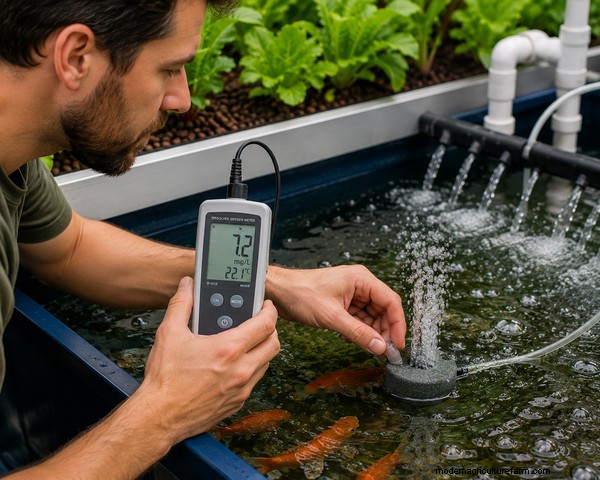
- Ammonia, nitrite, nitrate and DO – test weekly with calibrated kits or digital probes; adjust feeding or filtration as needed.
3. Routine Cleaning
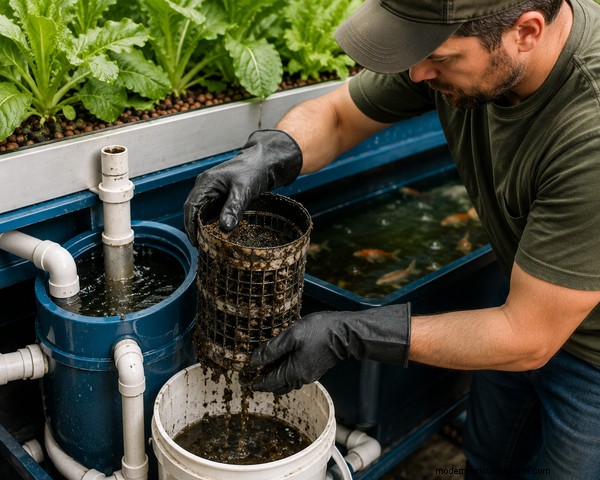
- Remove solids – schedule daily or every other day removal of uneaten feed and fish waste.
- Filter maintenance – clean or replace biofilter media and mechanical filters regularly to prevent clogging.
4. Adequate Aeration & Circulation
- Oxygenation – use air pumps, diffusers or waterfalls to maintain dissolved oxygen above 5 mg/L.
- Water movement – position pumps and pipework to avoid stagnant zones; consider a recirculating loop.
Remedying an Existing Odor
1. Re‑evaluate Feeding & Stocking
- Trim feed rates to match actual consumption; split feed into smaller, more frequent portions.
- Check stocking density—aim for 1 lb of fish per 2 ft³ of water as a general guideline.
2. Boost Beneficial Bacteria
- Introduce nitrifying strains (Nitrosomonas, Nitrobacter) to accelerate ammonia conversion.
- Use commercial bio‑supplements designed for aquaponics; replenish every 4–6 weeks.
3. Upgrade Filtration
- Install or enlarge biofilters; add media beds with high surface area for bacteria.
- Deploy fine‑mesh mechanical filters to capture suspended solids before they decompose.
4. Perform Water Changes
- Replace 10–20 % of the volume with fresh, dechlorinated water; keep temperature matched.
- During the change, run air pumps to maintain oxygen levels and minimise fish stress.
Long‑Term Odor Management
1. Keep Detailed Records
- Log daily pH, ammonia, nitrite, nitrate, temperature, feeding, and maintenance actions.
- Use spreadsheets or dedicated aquaponics software to spot trends before problems emerge.
2. Continual System Optimisation
- Periodically review component performance—filter lifespan, pump efficiency, aeration capacity.
- Incorporate emerging technologies such as UV‑sterilisers or algae‑suppression modules to bolster resilience.
- Collaborate with peers and industry experts to stay abreast of best practices.
Conclusion
Odor control is not a one‑off task; it requires vigilance, routine care and a proactive mindset. By diagnosing the root cause, tightening monitoring, and implementing targeted fixes, you can maintain a fresh, healthy environment that supports both vigorous plant growth and robust fish health.