Welcome to Modern Agriculture!

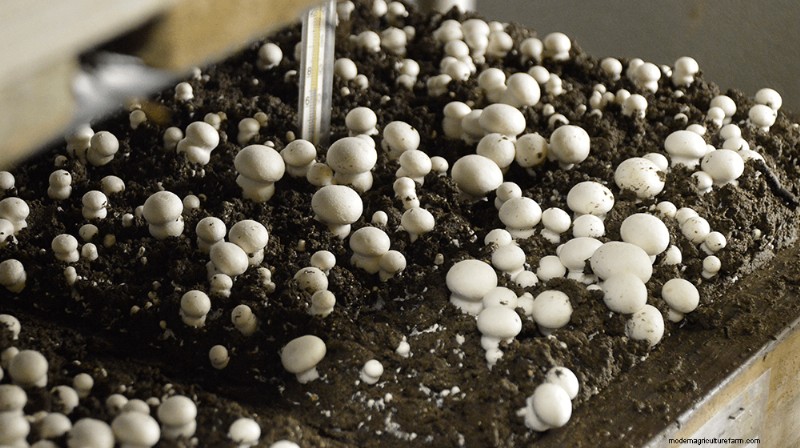
Mushroom cultivation has evolved into one of the fastest‑growing sectors in agriculture. With a projected 10% annual growth over the next five years, the United States ranks as the world’s second‑largest producer, supplying both domestic demand and export markets.
Success hinges on meticulous planning, adequate space, precise environmental control, and efficient compost management. Below is a step‑by‑step roadmap for establishing a thriving mushroom operation.
Begin by outlining the core requirements for your venture:
A well‑designed site typically features:
Key concepts include:
Many academic institutions offer detailed guides for budding mushroom entrepreneurs.
Choose from one of three primary systems, each encompassing two phases: pre‑production and controlled‑environment incubation.
Essential inputs and tools include:
Common categories:
The compost mix is typically 85% manure‑straw blend, supplemented with gypsum. Key processes:
While automation handles many tasks, a skilled farm manager is essential for monitoring temperature, humidity, and troubleshooting. Temporary labor is required during peak harvesting.
Follow this streamlined workflow:
Effective tactics include:
After initial success, focus on:
Adopt eco‑friendly measures such as organic substrates, water‑saving techniques, and responsible waste management. Sustainability enhances brand appeal to eco‑conscious consumers.
Consider hydroponic or aeroponic systems for higher yields and shorter cycles. These require specialized knowledge and investment but can differentiate your operation.
Expand distribution to farmers’ markets, local stores, restaurants, and e‑commerce platforms. Highlight product quality, uniqueness, and organic credentials. Diversify with value‑added items such as dried mushrooms, powders, and medicinal extracts.
Ensure compliance with food‑safety certifications, organic standards (if applicable), business licensing, and local health regulations. Adhering to these requirements builds consumer trust.
Develop a detailed budget covering startup capital, operational costs, and projected revenue. Explore loans, grants, and investor funding. A robust financial plan secures liquidity and supports growth.
Host workshops, farm tours, and community events to raise awareness about sustainable agriculture and mushroom benefits. Community engagement also serves as a powerful marketing tool.
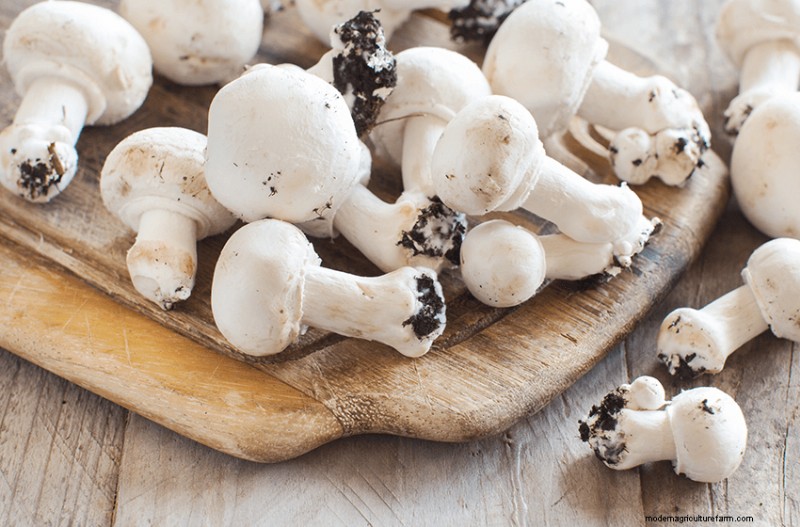
A mushroom farm is a specialized agricultural operation focused on cultivating fungi on organic substrates. The practice, also known as mycological farming, encompasses all stages from spawn production to market distribution.
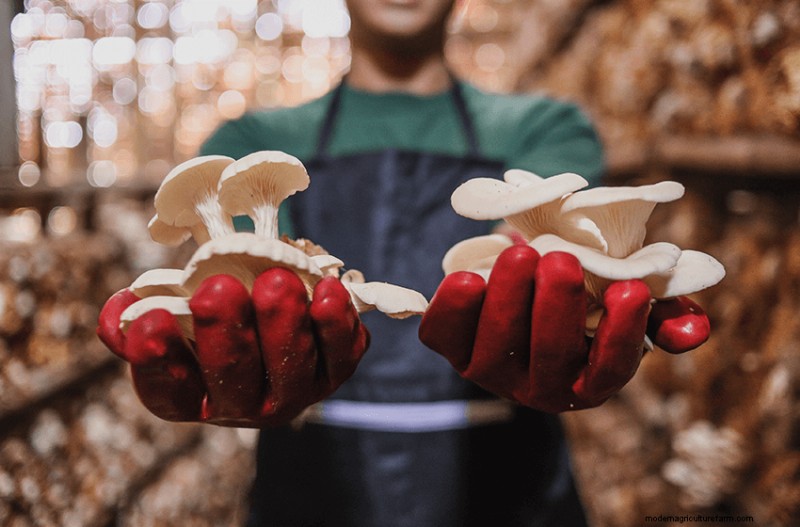
The U.S. market is valued at approximately $13.67 billion, with a projected CAGR of 6.2% through 2028. Pennsylvania, California, Florida, Ohio, and Oregon dominate production, while popular varieties include white button, cremini, portobello, shiitake, and oyster. Mushrooms offer robust nutrition—protein, fiber, vitamins—and health benefits such as immune support and cholesterol reduction. Their sustainability profile, requiring less water and land, positions them as a forward‑looking food source.
| Mushroom Facts | Details |
|---|---|
| Industry Value | $13.67 billion |
| Global Rank | Largest producer (≈15% of world output) |
| Top States | Pennsylvania, California, Florida, Ohio, Oregon |
| Common Varieties | Button, cremini, portobello, shiitake, oyster |
| Nutrition | Protein, fiber, vitamins; low calories & fat |
| Health Benefits | Immune boost, anticancer, cholesterol reduction |
| Growth Rate | 6.2% CAGR (2022‑2028) |
| Sustainability | Low water & land footprint |
Initial investment ranges from $3,000 for a small operation to $100,000 for a larger facility. Key expense: securing a concrete‑floored building with ventilation and temperature control, plus ample outdoor space for composting.
Example: A 500‑sq‑ft indoor grow room can yield ~12,000 lb of mushrooms per year. With current market prices of $6–$8 per pound, first‑year revenue can reach $120,000, doubling by year three with scale.
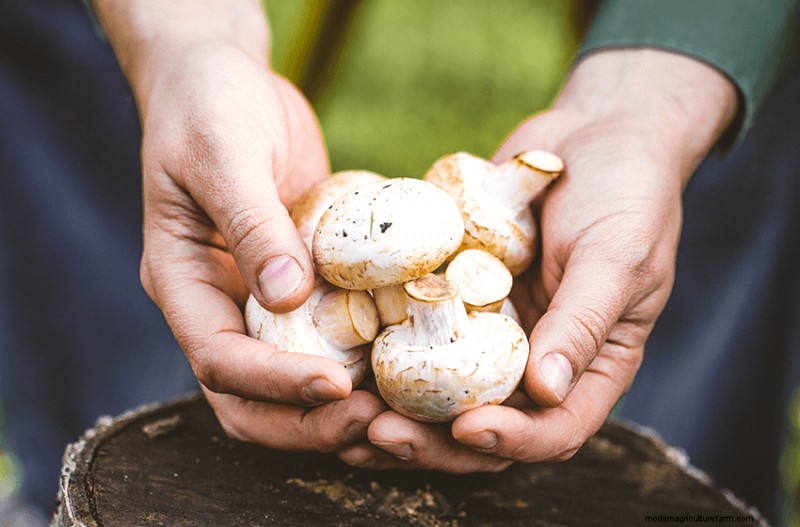
Mitigating odor complaints and ensuring market access are critical. Choose a location distant from residential areas with concrete foundations and adequate roofing for compost piles.
Identify local demand and secure a ready buyer base, as mushrooms have a shelf life of only 3–5 days.
Up to $100,000 may be necessary depending on scale.
Monitor compaction during turning; adjust dry matter content accordingly.
Differentiate by targeting niche markets or offering unique block kits.
Reuse spent compost as a valuable organic amendment or bioremediation material.
Year‑round climates with proximity to rural suppliers are optimal. Urban repurposing—such as the successful “Mycopolitan” factory in Philadelphia—demonstrates the flexibility of the industry.
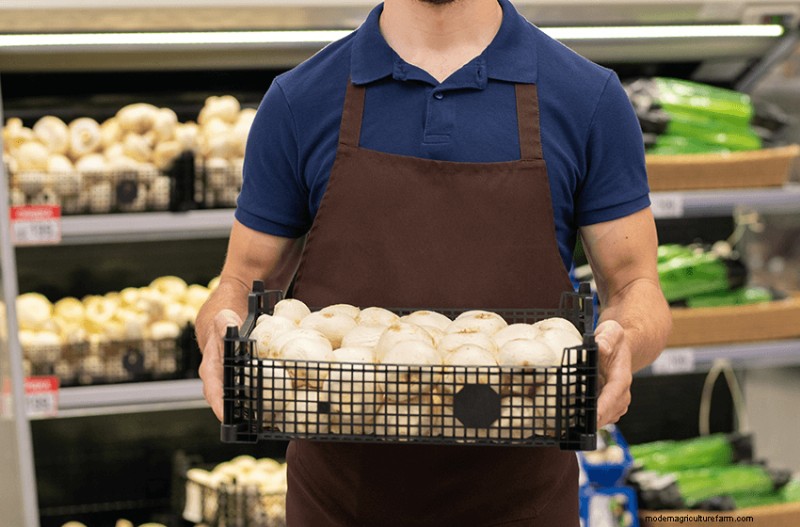
While the ingredient list is simple, maintaining optimal compost conditions demands constant monitoring and adjustment.
Large‑scale farms benefit from at least three acres, though the exact footprint depends on indoor and outdoor space requirements.
Primary income comes from selling fresh mushrooms, while secondary streams include compost, starter kits, and by‑products.
With 12,000 lb annual yield and $6–$8 per pound, gross revenue can reach $72,000–$96,000, excluding additional kit sales.
Both varieties can be cultivated as part of a compost‑based system, provided a top layer (casing) is applied to protect the mycelium.
For more on farming businesses, explore related guides on How to Start a Business.