
Welcome to Modern Agriculture!

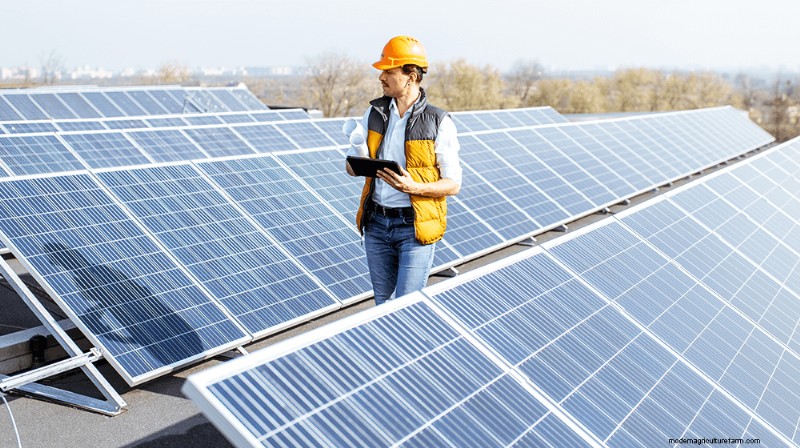
Solar farms are the fastest‑growing segment of the energy sector, outpacing wind and natural gas projects. With falling installation costs and abundant government incentives, today’s solar farms represent a highly attractive opportunity for investors and entrepreneurs alike.
A solar farm is a large‑scale photovoltaic or concentrated solar power (CSP) facility that feeds electricity directly into the grid. There are two primary configurations:
Both types connect to the utility grid via high‑voltage transmission lines, delivering clean power to residential, commercial, and industrial customers.
While the core technology is similar, projects differ in scale and customer focus.
These plants generate 1 MW or more, with the largest installations exceeding 2,000 MW. In the U.S., there are over 10,000 such projects. A single 1 MW farm can supply electricity to roughly 200 homes.
Community‑scale farms range from 100 kW to 5 MW. They sell wholesale power to utilities, and the resulting PPA reduces customers’ electric bills through shared savings.
Ground‑mounted PV arrays typically cost between $0.82 and $1.36 per watt. Thus, a 1‑MW facility will require $820,000–$1.36 million in capital. Key additional costs include:
Rooftop or “solar garden” installations are more expensive—about $2.84 per watt—and generally produce under 20 kW, suitable for developers lacking large land tracts.
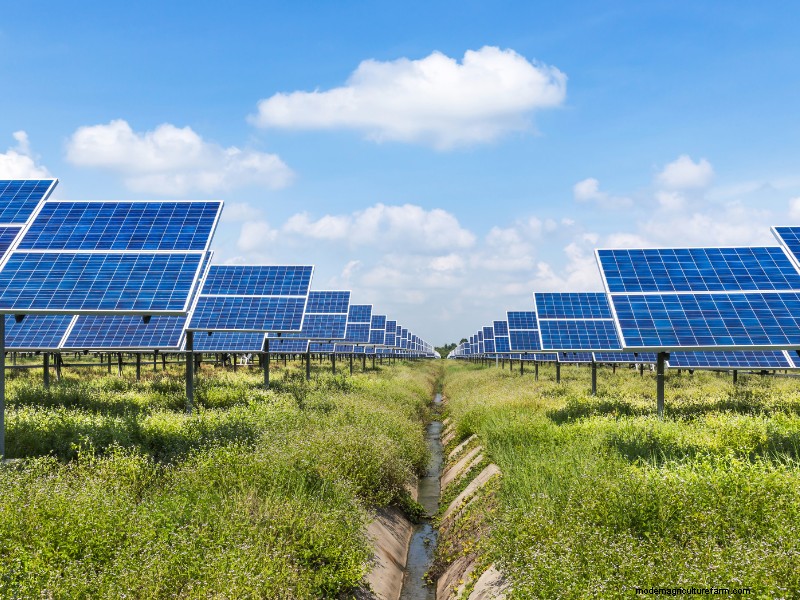
Solar farms generate revenue through Power Purchase Agreements (PPAs). Historically, PPAs have paid around $24 per MW per year. Additionally, the federal Investment Tax Credit (ITC) has provided a 26 % credit on development costs, though future rates may vary.
Below is a structured roadmap, from initial research to operation.
Identify utility procurement trends by reviewing utility websites and energy reports. Understand the competitive landscape—companies like Tron Solar in Illinois have successfully secured large PPAs.
While not mandatory for investors, certifications in renewable energy (e.g., NABCEP) bolster credibility. For technical gaps, hire a solar consulting firm.
Decide whether you’ll sell to utilities, municipalities, large corporations, or residential communities. Tailor your marketing and sales approach accordingly.
Select a distinctive name, verify domain availability, and develop a logo that reflects sustainability. Launch a professional website and active social‑media channels.
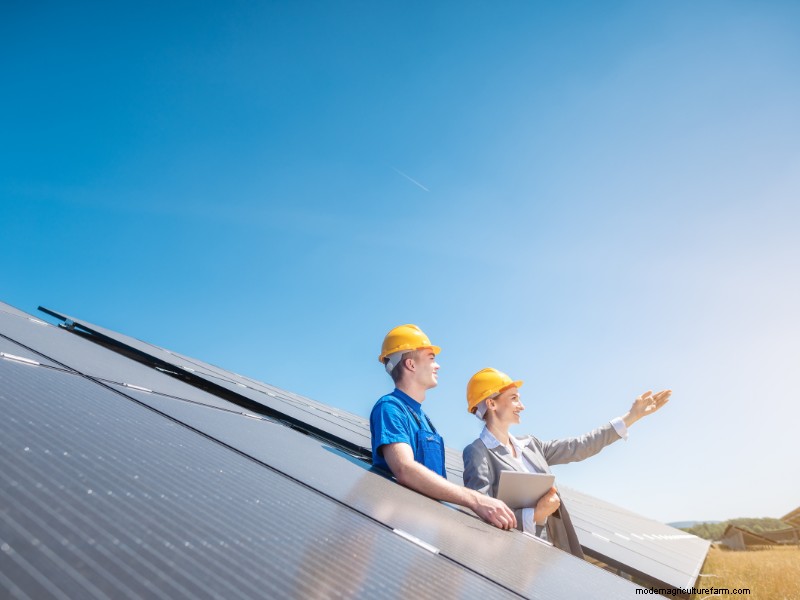
Register your entity, obtain an EIN, and open a dedicated business bank account. Select a lender experienced in renewable energy financing.
Acquire 20+ acres of suitable land—preferably agricultural or industrial. Perform:
Image: 
Obtain construction permits, environmental approvals, and a grid‑interconnection agreement. Engage a consultant to navigate the interconnection negotiation process.
Key components include:
Hire a skilled team: solar technicians, engineers, project managers, and administrative support. Cultivate a safety‑first culture.
Work with a tax professional to leverage incentives, determine property vs. personal asset classification, and manage payroll and property taxes.
Host a ground‑breaking event, invite local media, and collaborate with the Chamber of Commerce. Use PR to highlight environmental benefits and community value.
Continuously track performance data, adjust operations, and reinvest profits to expand capacity or diversify into storage and other renewables.
Given these dynamics, launching a solar farm offers a compelling mix of financial return and positive environmental impact.
For deeper industry insights, visit the Solar Energy Industries Association (SEIA).
More in: Farming Business, How to Start


