
Welcome to Modern Agriculture!


Glen Chandler is a seasoned gardener with over 15 years of hands‑on experience in garden maintenance, design, and landscaping. When he’s not creating beautiful landscapes, he shares expert insights on this blog.
Many homeowners view wasps as mere nuisances, yet these insects play a vital role in pollination. Like bees, wasps are effective pollinators, transferring pollen from one flower to another and supporting plant reproduction.
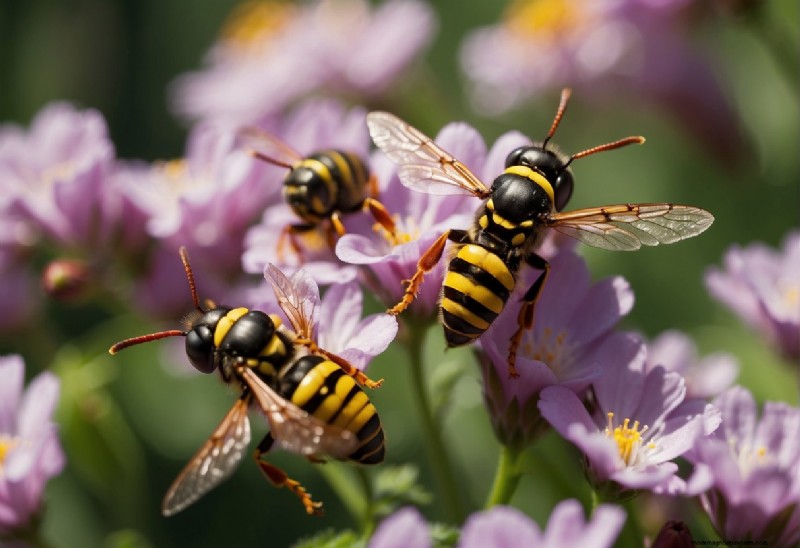
Wasps are attracted to flowers that offer accessible nectar and sweet scents. They favor flowers such as sweet fennel, whose tiny yellow blossoms emit a licorice‑like aroma. Conversely, plants like marigolds, with their strong spicy scent, act as natural repellents, keeping wasps at bay.
Studying hymenopterans reveals a complex, multi‑stage life cycle that includes stages from eggs to fully formed adults. The queen or male worker bee (or wasp) is a critical figure in establishing and maintaining the colony.
Both wasps and bees begin as eggs laid by a female. After hatching, the larva undergoes a complete metamorphosis, known as a “tombstone” structure. The larval stage is crucial for feeding, growth, and behavioral development.
After the larval stage, the organism enters the pupal stage, during which the adult is formed. This stage is where the wasp’s or bee’s structure is finalized, ensuring it can perform essential functions.
In the spring, a new queen bee or wasp—known as a “queen” or “queen bee”—lays eggs that become the colony’s reproductive structures. For wasps, the queen stores sperm to produce worker wasps, which then carry out essential tasks such as building nests and caring for larvae. In bee colonies, the queen’s pheromones guide the entire colony’s behavior.
Pollination is the process that enables plants to reproduce. It ensures that plants can produce fruits, vegetables, and flowers—an essential service for ecosystems and human agriculture.
Insects—including bees, wasps, flies, and beetles—transfer pollen from the male anther to the female reproductive structures, a process called “pollination.” This is vital for food production and ecosystem stability.
Major pollinators: bees, butterflies, wasps, flies, and others are highly efficient and crucial for maintaining biodiversity.
Different insects exhibit unique behaviors that make them effective pollinators. Bumblebees perform “buzz pollination,” especially important for crops like tomatoes. Flies thrive on plants with strong or unusual scents. Wasps are essential in tropical ecosystems for fig pollination.
Below is a concise table of common pollinators and the plants they prefer:
| Pollinator | Preferred Plants |
|---|---|
| Bees | Flowers with open blooms and shallow nectaries |
| Wasps | Figs and plants with deeper nectaries |
| Flies | Flowers with strong odors |
Each insect’s preference is driven by its need for food, shelter, or nesting sites—a relationship that strengthens plant survival and encourages diversity.
To attract and support wasps, I focus on floral diversity, suitable habitats, and native plant species.
I prioritize native perennials that adapt to local conditions, ensuring long‑term benefits.
Polyculture thrives when insects have safe spaces to rest. My strategies include:
These measures increase the number and variety of pollinators, contributing to a healthy, vibrant garden.
Effective garden management requires protecting pollinators while controlling pests. I adopt a multi‑layered approach that emphasizes natural solutions.
Key pests—aphids, caterpillars, and mites—damage plant tissues and limit plant growth. Regular inspection of leaves and stems is essential for early detection.
Quick Answer: Protect pollinators by employing physical removal, encouraging natural predators, and using gentle repellents rather than broad‑spectrum pesticides.


