The craft beer boom is more than a trend—it’s an industry revolution. With over 400 new craft breweries opening each year, according to the Brewers Association, the demand for hops, the prized ingredient in beer, is soaring. If you’re ready to tap into this growing market, starting a hop farm can be both rewarding and profitable.
Why Start a Hop Farm Now?
- Rapid Industry Growth: Craft beer continues to attract new consumers, especially Millennials and Gen Z, driving up hop demand.
- Compact Footprint: Hops thrive on relatively small plots—perfect for new entrants or seasoned farmers looking to diversify.
- Local Sourcing Momentum: States are encouraging breweries to use locally grown ingredients, creating a built‑in market.
- Community Impact: Investing in hop farming strengthens local economies and supports regional supply chains.
Step‑by‑Step: Building Your Hop Farm
1. Acquire and Vet Your Land
- Size Matters: Estimate acreage based on desired hop variety, market goals, and future expansion plans.
- Soil & Drainage: Hops need well‑drained, fertile soil. Conduct a soil test to confirm pH 6–7.5 and good drainage.
- Sun Exposure: Aim for 6–8 hours of direct sunlight per day to maximize plant health.
2. Design the Farm Infrastructure
- Variety Selection: Choose hop types that match your climate and local brewer preferences.
- Trellis System: Build sturdy trellises to support vines up to 20 feet tall.
- Irrigation: Install efficient drip or overhead sprinkler systems to ensure consistent moisture.
3. Planting and Maintenance
- Planting Techniques: Follow best practices for vine training and spacing.
- Pruning & Training: Regular pruning keeps vines healthy and optimizes future yields.
- Fertilization & Pest Control: Use organic or integrated pest management to protect your crop.
4. Harvesting & Post‑Harvest Processing
- Harvest Timing: Cut low, retrieve, and prepare the plant for use as a valuable resource.
- Drying: Reduce moisture content to prevent mold, ensuring high‑quality hop products.
- Storage: Keep dried hops in cool, dark environments to preserve flavor and aroma.
5. Essential Equipment & Resources
- Trellis Construction: Invest in durable materials for long‑term use.
- Water Management: Budget for drip or overhead irrigation setups.
- Harvest Tools: Start with manual tools, scaling to mechanical pickers and tractors as needed.
6. Marketing & Sales Strategy
- Local Brewer Partnerships: Offer samples and build long‑term contracts.
- Direct-to‑Consumer: Launch an online storefront for home brewers and craft breweries.
- Industry Networks: Join regional hop associations for collaboration and exposure.
7. Expand & Diversify
- New Varieties: Introduce additional hop types as you gain expertise.
- Scale Up: Increase acreage and upgrade equipment to meet demand.
- Alternative Uses: Explore hop‑based teas, cosmetics, foods, and more for extra revenue.
8. Sustainability & Continuous Learning
- Eco‑Friendly Practices: Adopt organic methods, conserve water, and use natural pest controls.
- Stay Informed: Keep abreast of hop farming innovations and brewing trends.
Final Thoughts
- Adaptability: Stay flexible to evolving agricultural techniques and market shifts.
- Community: Engage with fellow growers through workshops and associations.
By following these steps and committing to ongoing education, you can successfully launch and grow a hop farm, contributing to the vibrant craft brewing ecosystem.
What Exactly Is a Hop Farm?
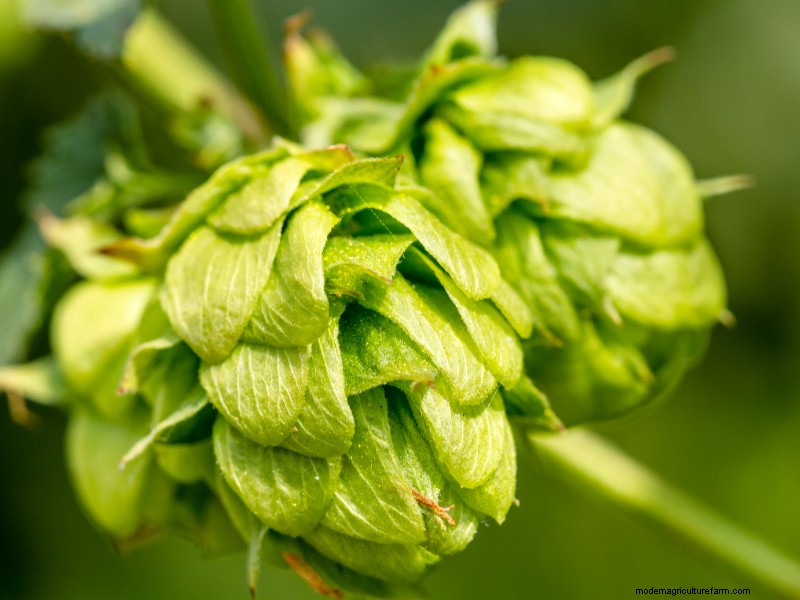
A hop farm isn’t merely a plot of land—it’s the birthplace of the aromatic female flowers (cones) of Humulus lupulus. As a perennial crop, hops regrow each year, delivering consistent harvests for brewers worldwide.
With hundreds of hop varieties—ranging from citrusy to earthy, spicy to floral—each cultivator can tailor flavor profiles to specific beer styles. Farm sizes vary from modest two‑acre plots to sprawling 100‑acre estates, underscoring the crop’s versatility.
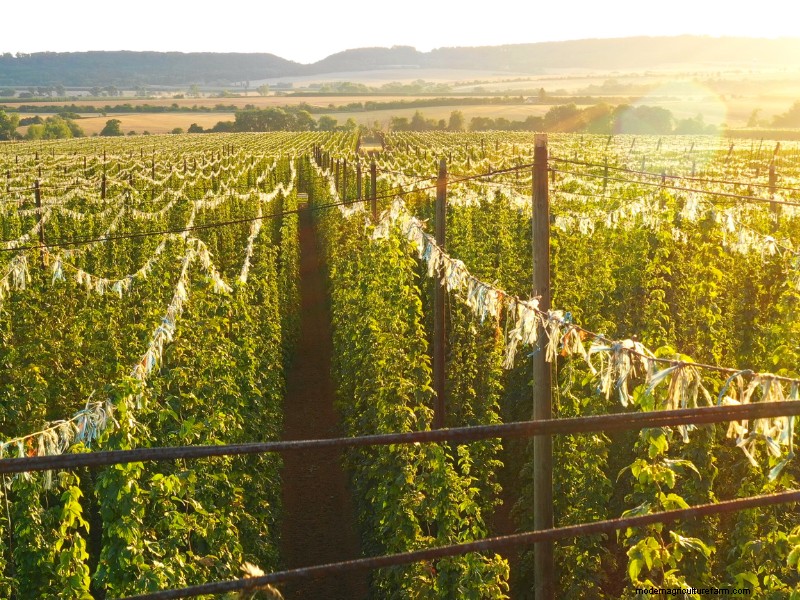
Hops naturally climb 16–20 feet, requiring trellises for support. These structures allow vines to reach optimal heights, maximizing yield and quality.
The Hop Industry in the United States
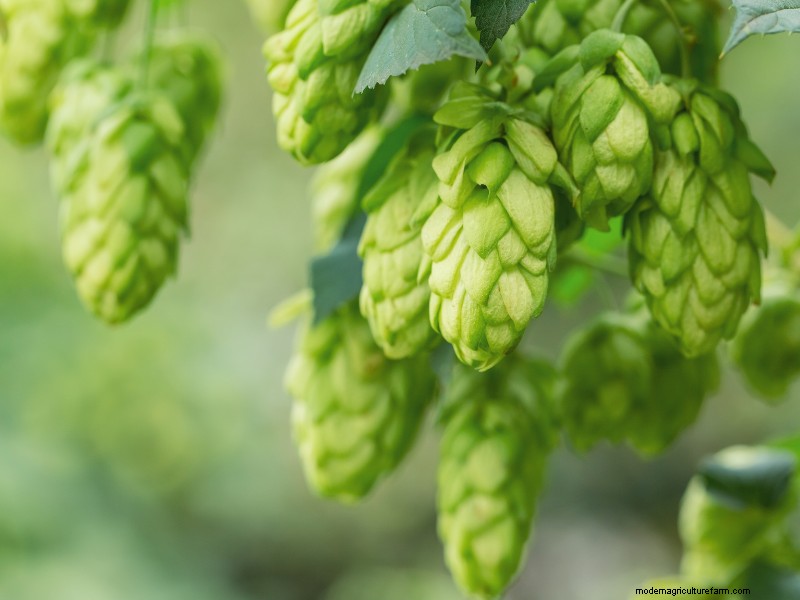
- Washington leads with 70% of U.S. production.
- Idaho and Oregon contribute 14% and 13%, respectively.
- Other states share the remaining 4%.
Products Beyond Beer
Hop farms can diversify revenue streams with products such as:
- Craft beers featuring unique hop profiles
- Hop teas, pillows, and tinctures for wellness
- Essential oils for aromatherapy and natural preservation
- Skincare creams with anti‑inflammatory benefits
- Animal feed from spent hops
- Compost rich in nutrients
- Gourmet hop‑infused foods and snacks
- Decorative wreaths and craft items
Income Potential and Financial Planning
Typical hop prices range from $3 to $15 per pound. Mature plants yield about 1,800 pounds per acre. With 90% of hops sold under contract to breweries, securing long‑term agreements can stabilize cash flow.
Start‑up costs for a 10‑acre farm average $200,000. A single acre can generate roughly $20,000 in gross revenue, but net profit in the first two years may be modest due to capital expenses and maturation time.
Key Considerations Before You Begin
Growth Cycle & Climate
- 120‑day growing season; thrives in USDA zones 3–8.
- Avoid temperatures below -20°F to protect roots.
Site Selection
- Fertile, well‑draining soil.
- Daily sun exposure of 6–8 hours.
- Soil pH 6–7.5.
Regulatory & Licensing
- Obtain necessary environmental permits, which vary by state.
- Some states, like New York, require specific hop farm licenses.
Market Strategy
- Identify primary customers: craft brewers, food producers, home brewers.
- Leverage local associations for insights and networking.
Labor & Insurance
- Seasonal labor for planting and trellis training.
- Full‑time staff for pest control and irrigation monitoring.
- Crop insurance and comprehensive farm coverage are essential.
Tax & Financial Management
- Secure an EIN for hiring.
- Estimate taxes quarterly to align with harvest‑centric income.
Cost Estimates
- Initial setup: ~$200,000 for 10 acres.
- Per acre cost: $12,000–$15,000 (Cornell study).
- Potential annual income: $12,000–$15,000 per acre after establishment.
Profitability & Acreage Guidelines
- First‑year net profit may be around $1,000 per acre due to infrastructure costs.
- Long‑term profitability improves as plants mature (3+ years).
- 10–15 acres often provide a balanced return on investment.
Explore More
For in‑depth guidance, consult your local agricultural extension or join a hop growers association.
Related Topics
Farming Business, How to Start