
Welcome to Modern Agriculture!

Winter is a beautiful season, but it can also bring harsh weather conditions that can wreak havoc on your garden’s plumbing system.
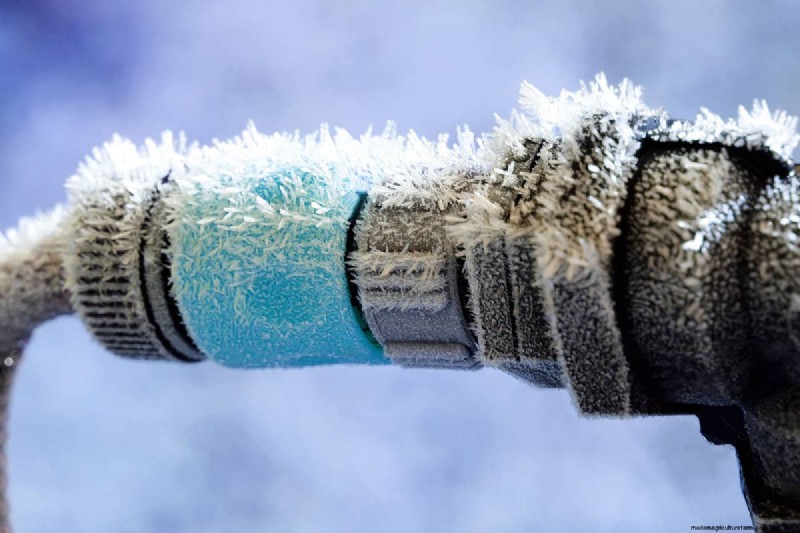
One of the most common problems homeowners face during winter is frozen pipes and faucets.
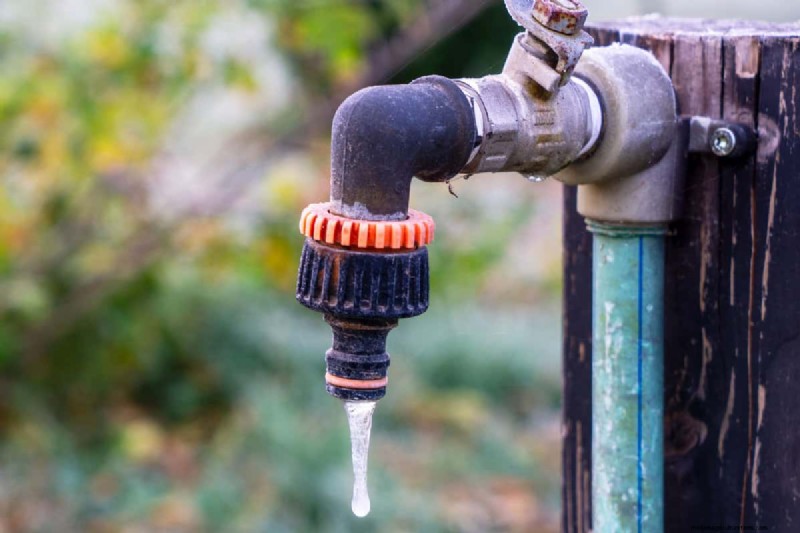
When water freezes inside pipes, it expands, causing the pipes to crack or burst, leading to severe damage to your home’s plumbing system and costly repairs.
However, you can avoid this headache by taking a few simple steps to prevent frozen pipes in your garden.
In this blog post, we will discuss six fall prep steps that you can take to keep your garden’s pipes and faucets from freezing during the cold winter months.
Before the frost arrives, it’s important to drain and disconnect your outdoor hoses.
When water is left inside the hose, it can freeze and expand, causing it to burst. This can lead to a huge mess and costly repairs.
To prevent this from happening, start by turning off the outdoor faucet and disconnecting the hose from the spigot.
Then, hold the hose at a downward angle to allow any remaining water to drain out. Once the hose is empty, coil it up and store it in a dry place.
Drain any other outdoor water fixtures, such as sprinklers and pool equipment, is also important. If you have an in-ground sprinkler system, follow the manufacturer’s instructions for winterizing it.
Related: Why Is There No Water Coming Out Of My Garden Hose [& How To Fix It]
Insulation will help to keep the heat inside the pipes and prevent them from freezing. Here are a few tips to help you insulate your outdoor pipes and faucets:
Pipe insulation is a cost-effective way to keep your pipes warm during winter.
This foam tube fits around your pipes and helps to keep the heat inside.
Outdoor faucets are particularly vulnerable to freezing, which can cause them to crack or burst.
Using a foam faucet cover, you can prevent cold air from getting inside and keep your outdoor faucets from freezing.
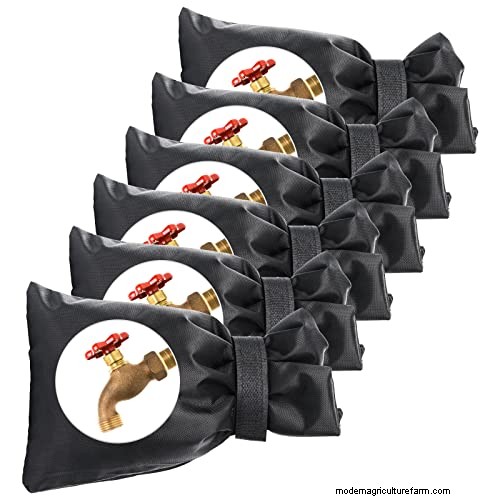
Check out this faucet cover from Amazon.
Air leaks in your home can cause your pipes to freeze. Check for gaps or cracks in your walls or foundation and seal them with caulking or weatherstripping to prevent cold air from getting inside and keep your pipes warm.
Remember, the minimum temperature to keep pipes from freezing is around 32°F. Properly insulating your outdoor pipes and faucets can help prevent them from freezing and avoid costly repairs.
We'll email it to you so you can read it later!
By saving, you agree to receive occasional emails. Unsubscribe anytime.
Sealing any cracks or gaps in your exterior walls is an important step when it comes to preventing frozen pipes and faucets in your garden.
Cracks and crevices can let in cold air and cause your pipes to freeze.
Here are some tips to help you seal any cracks or gaps in your exterior walls:
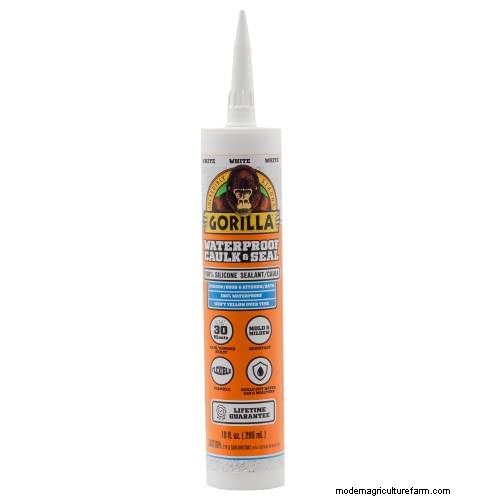
Check out this best-selling caulk from Amazon.
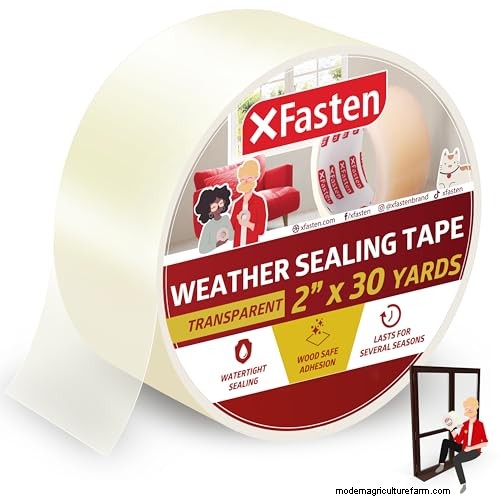
Check out this weatherstripping tape from Amazon.
One of the easiest ways to prevent frozen pipes in your garden is to keep your garage doors closed.
If you have water supply lines in your garage, keeping the doors closed is important to maintain a warmer temperature.
This will prevent the water supply lines from freezing and potentially bursting.
When the temperature drops, it’s common for homeowners to leave their garage doors open for extended periods.
However, this can cause the temperature in the garage to drop significantly, putting your pipes at risk.
You can maintain a consistent temperature and prevent any potential damage by keeping the garage doors closed.
It’s also important to note that if you have any harmful cleaners or household chemicals stored in your garage, you should move them up out of the reach of children.
This will ensure that they are not accidentally ingested or spilled, which can be dangerous.
In addition to keeping your garage doors closed, you can open kitchen and bathroom cabinet doors to allow warmer air to circulate the plumbing. This is especially important if your sinks are on an exterior wall.
By allowing warmer air to circulate the pipes, you can prevent them from freezing and potentially bursting.
When the temperature drops below freezing, taking precautions is essential to prevent your pipes from freezing and bursting.
One simple step you can take is to let your faucets drip. This may seem counterintuitive, as allowing your faucets to run can waste water and increase your water bill.
However, the cost of a burst pipe and water damage can be much higher than that of a dripping faucet.
According to experts, letting your faucets drip can help prevent frozen pipes by keeping water flowing through your pipes.
When water flows, it creates friction and heat, which can help prevent the water from freezing. By letting your faucets drip, you can also relieve pressure in your pipes, which can help prevent them from bursting if they do freeze.
To let your faucets drip, turn on a faucet in your home and let it run at a slow trickle.
You don’t need to let all of your faucets drip, just one or two in areas of your home that are most susceptible to freezing, such as those located on exterior walls or in unheated areas like garages or basements.
It’s important to note that you don’t need to let your faucets drip continuously.
Instead, you can turn them on for a few minutes every hour to keep the water flowing. This can help prevent your pipes from freezing without wasting too much water.
If you’re concerned about the cost of letting your faucets drip, remember that the water you’re using is relatively tolerable.
Letting a faucet drip slowly will fill a gallon pitcher in about an hour and cost about 2 cents per night. This is a small price to pay compared to the cost of repairing a burst pipe and water damage.
Try to install frost-free hose bibs or spigots.
A frost-free hose bib is an outdoor faucet that prevents freezing during cold weather. It has a long stem that extends into the house, where the water supply is located.
This design ensures the water supply is kept warm and insulated, preventing it from freezing.
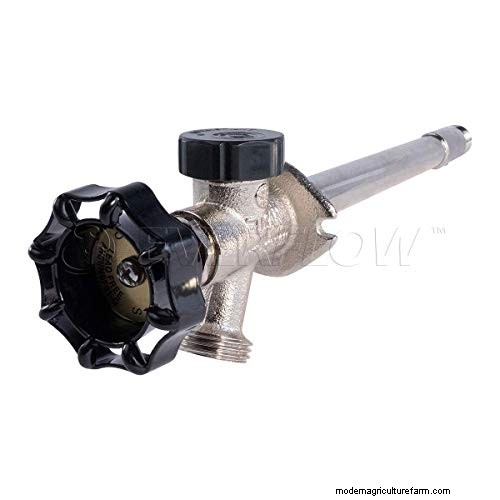
Check out this frost-free hose bib from Amazon.
Taking the necessary steps to prevent frozen pipes and faucets in your garden is crucial to avoid costly repairs and inconvenience during the winter months.
Following the steps outlined in this article, you can ensure that your plumbing system is well-prepared for the colder temperatures.
So, stay proactive and take the necessary steps to prevent frozen pipes and faucets in your garden this fall!