Welcome to Modern Agriculture!

 Depositphotos
Turning kitchen scraps and garden waste into valuable resources isn’t just good for the planet; it’s a game-changer for your garden. Those banana peels, coffee grounds, and fallen leaves typically in the trash can transform your garden into a thriving ecosystem.
Your plants will thank you with bigger blooms and tastier harvests. Recycling garden waste saves money on fertilizers and reduces your carbon footprint.
Plus, there’s something deeply satisfying about creating a closed-loop system where nothing goes to waste. Nature doesn’t create garbage, and your garden doesn’t have to either.
 Depositphotos
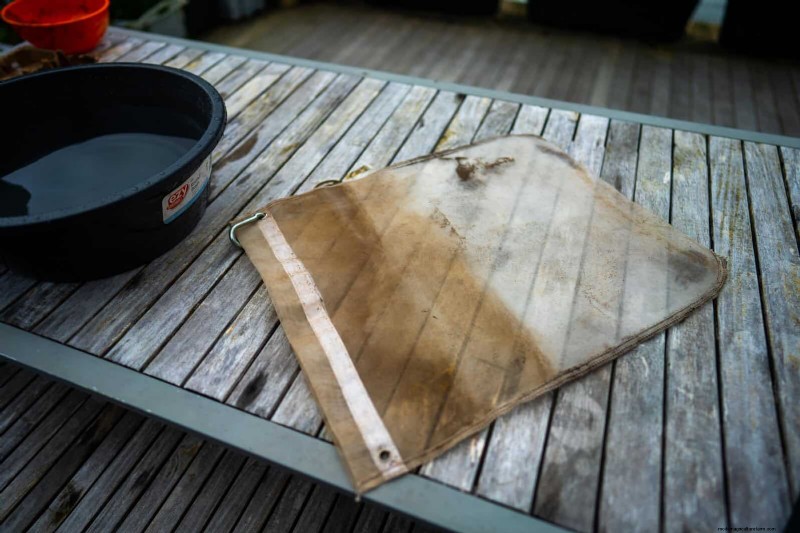
A compost tea brewing station turns ordinary compost into a supercharged liquid fertilizer that plants love. The basic setup involves steeping finished compost in water, allowing beneficial microorganisms to multiply rapidly.
The resulting liquid directly delivers an immediate nutrient boost to plant roots and foliage. Creating your station requires minimal materials: a bucket, an aquarium pump, unsulfured molasses, and quality compost.
Place the compost in a permeable bag (like an old pillowcase), add water and a tablespoon of molasses, then run the pump for 24 to 48 hours to aerate the mixture. The bubbling action increases oxygen, helping beneficial bacteria thrive while discouraging anaerobic organisms that cause foul odors.
 Depositphotos
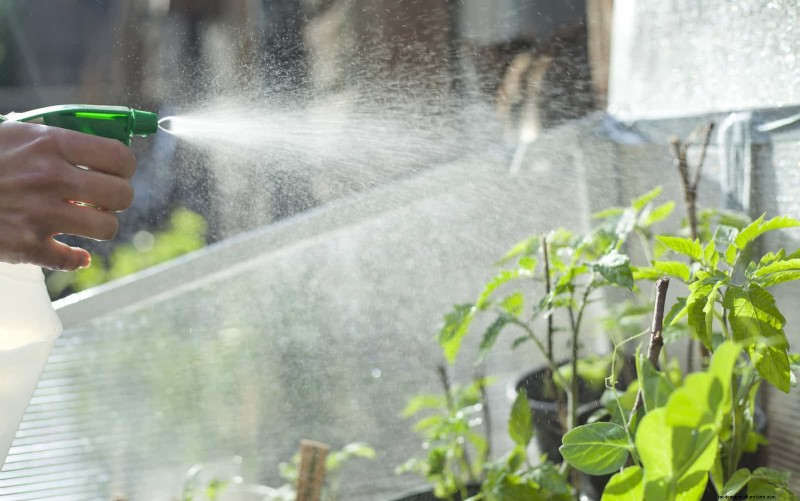
Compost tea works wonders as both a foliar spray and a soil drench. Spraying directly on leaves creates a protective barrier of beneficial microbes that can help prevent disease.
The microorganisms compete with pathogens for space, crowding out the bad guys. For soil applications, dilute the tea at a ratio of about 1:4 with water and apply directly to the root zone.
Regular applications throughout the growing season can dramatically improve soil structure and plant health. However, timing matters; apply in the early morning or evening when UV exposure is minimal to protect the living organisms in your tea.
We'll email it to you so you can read it later!
By saving, you agree to receive occasional emails. Unsubscribe anytime.
 Depositphotos
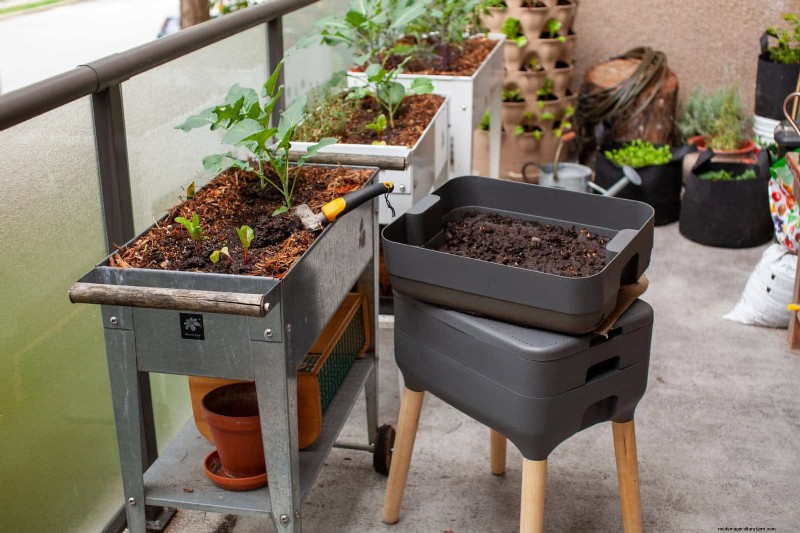
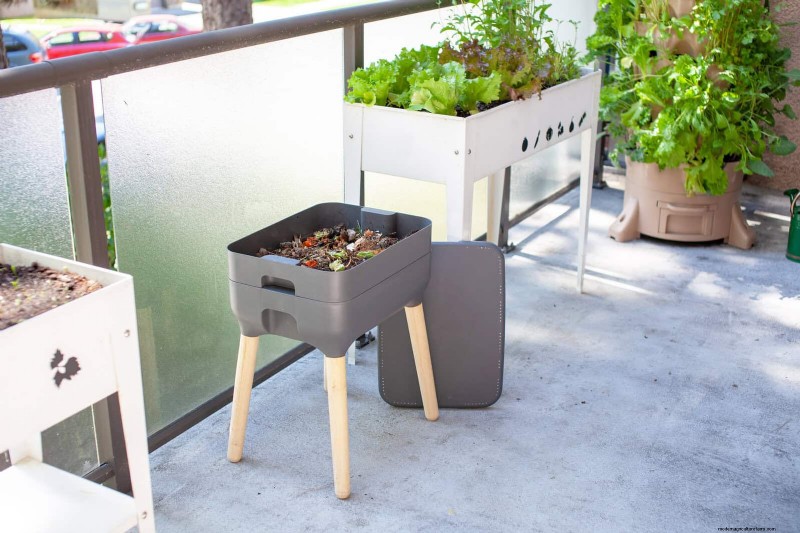
A worm bin tower harnesses the incredible digestive power of red wiggler worms (Eisenia fetida) to transform kitchen scraps into black gold for your garden. These specialized composting worms process organic matter faster than traditional composting methods.
The result is vermicompost, a nutrient-dense amendment that improves soil structure and plant health. Building a tower system allows for continuous harvesting without disturbing your worm population.
Stack multiple containers with holes in the bottom, starting worms in the lowest level. They’ll move toward fresh food as they finish processing material in one tray. The bottom tray can then be harvested while the process continues above.
 Depositphotos
Maintaining your worm tower requires attention to moisture, temperature, and feeding schedules. The bedding should feel like a wrung-out sponge; damp but not soggy. Too much humidity leads to anaerobic conditions and unpleasant odors, while too little will stress your worms.
Feed your worms a balanced diet of greens (nitrogen-rich materials like vegetable scraps) and browns (carbon-rich materials like paper and cardboard).
Avoid citrus, onions, meat, and dairy, which can create odor problems or harm the worms. Small, regular feedings work better than occasional significant additions that might overwhelm the system and create hot spots.
 Jon Roberts from Austin TX, USA, CC BY-SA 2.0, via Wikimedia Commons
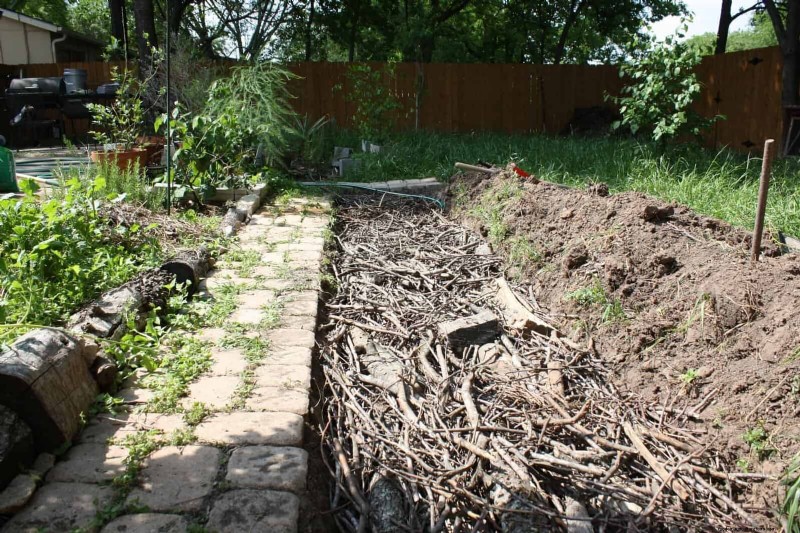
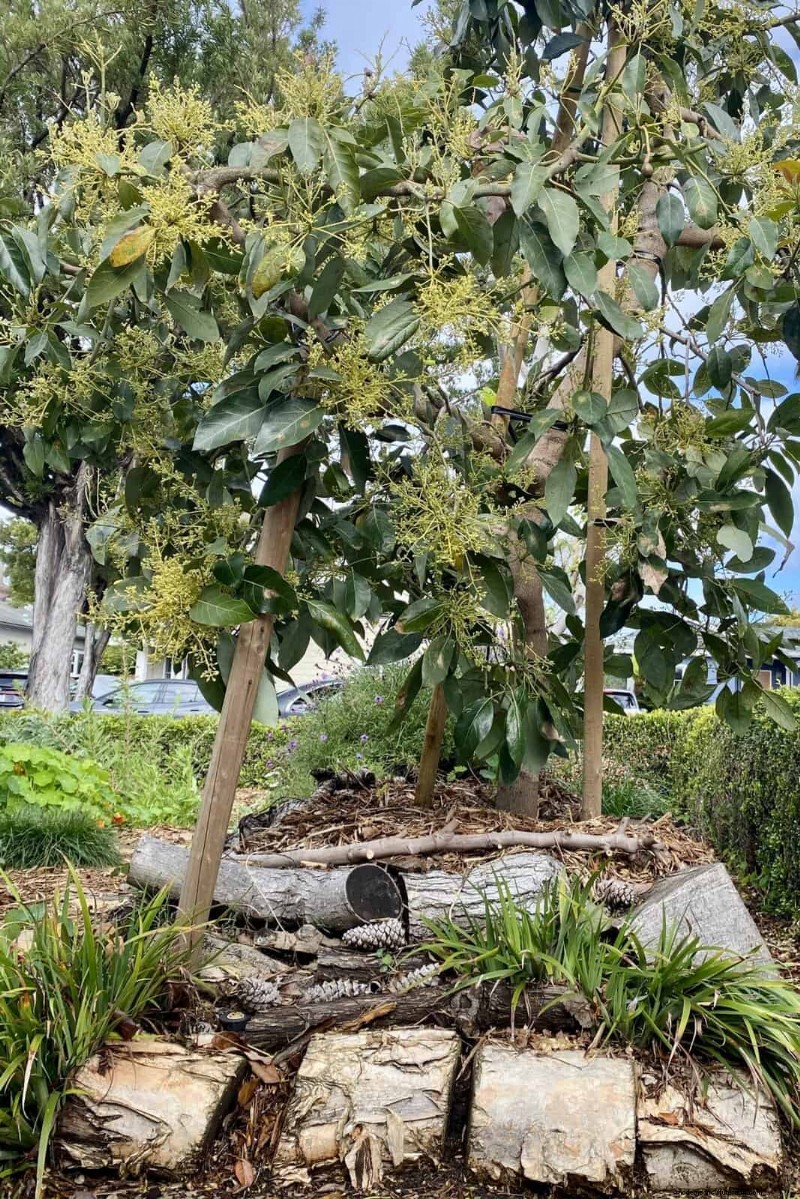
Hugelkultur, a traditional German gardening technique, creates raised beds from decaying wood and other organic materials. These mounds mimic the natural forest floor decomposition process.
As logs and branches break down slowly over the years, they release nutrients, create air pockets, and retain moisture like sponges. The basic construction starts with a base layer of logs and branches, followed by smaller woody debris, leaves, grass clippings, and finally, a layer of topsoil.
The woody core acts as a long-term, slow-release fertilizer and a water reservoir during dry periods. Once established, plants grown on hugelkultur beds often require less watering.
 Jengod, CC BY-SA 4.0, via Wikimedia Commons
The advantages of hugelkultur extend beyond waste recycling. These beds naturally warm up earlier in spring due to the decomposition process generating heat.
This extended growing season gives your plants a head start before planting conventional gardens. As the wood breaks down, it creates a sponge-like structure that excels at water retention.
Well-built hugelkultur beds might require little to no irrigation after the first year, even during moderate drought conditions. The slow decomposition also means you’re creating a carbon sink, helping offset greenhouse gas emissions while improving your soil.
 Depositphotos
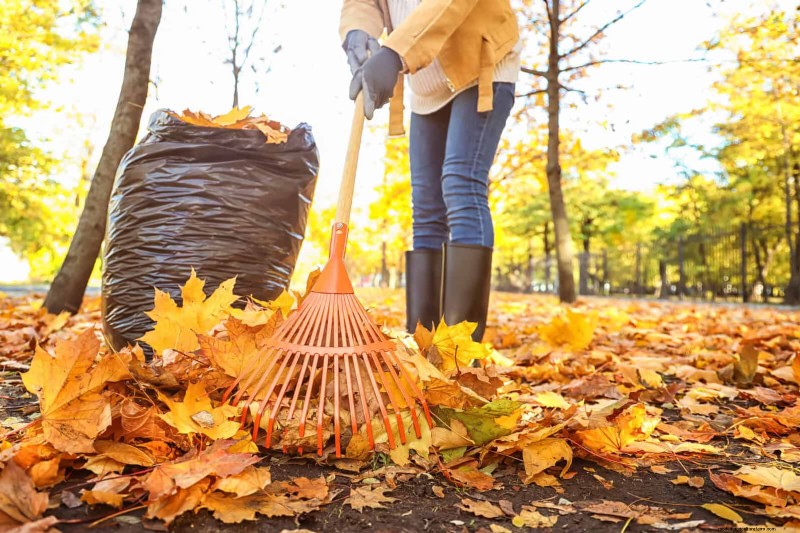
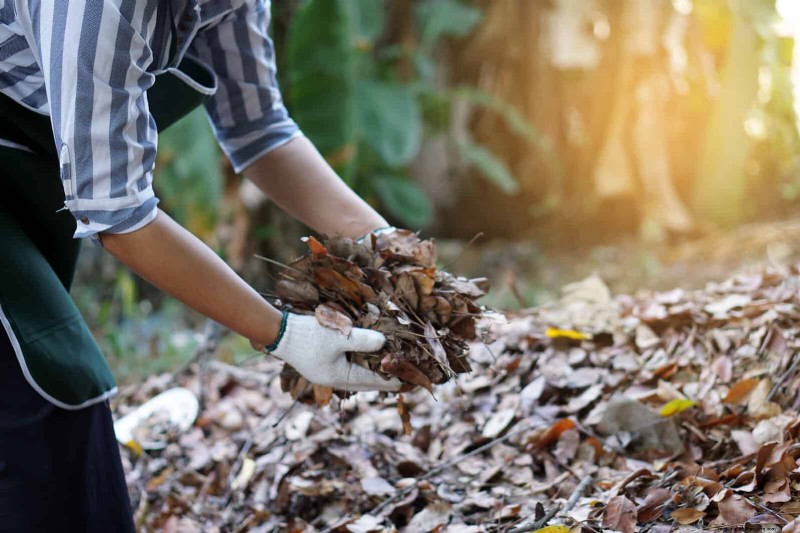
Leaf mold, the dark, crumbly material resulting from decomposed leaves, is gardening gold you can create for free. Unlike regular compost, leaf mold breaks down primarily through fungal activity rather than bacterial action.
The result is a superb soil conditioner that improves water retention and soil structure. Creating a leaf mold factory is straightforward; simply collect fallen leaves in autumn and contain them in a dedicated bin or wire enclosure.
Shredding the leaves first speeds up the process considerably. Sprinkle with water to keep the pile moist and let nature do the rest. In 1 to 2 years, you’ll have rich leaf mold ready for garden use.
 Depositphotos
Leaf mold excels as a soil amendment for acid-loving plants like blueberries (Vaccinium corymbosum) and azaleas (Rhododendron spp.). It gradually releases nutrients while improving soil structure and water retention.
The high fungal content also supports mycorrhizal relationships that help plants access nutrients more efficiently. Use leaf mold as a top dressing around perennials or mix it into potting soil for container plants.
It’s particularly valuable in sandy soils, where it helps retain moisture, and in clay soils, where it improves drainage and aeration. Nothing beats leaf mold for woodland gardens, recreating the natural forest floor environment that native plants love.
 Depositphotos
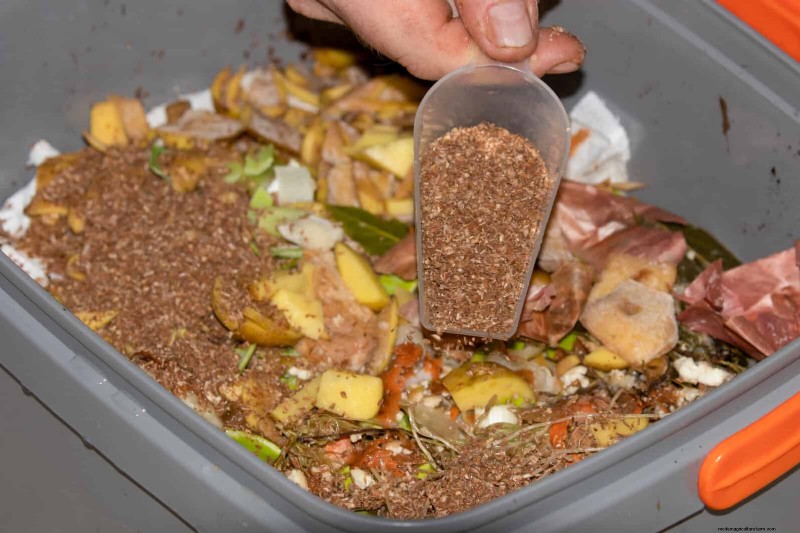
Bokashi, a Japanese term meaning “fermented organic matter,” offers a way to process kitchen waste that traditional composting can’t handle. Using beneficial microorganisms to ferment waste in an anaerobic (oxygen-free) environment, bokashi preserves nutrients that might be lost in conventional composting and can process meat, dairy, and oily foods.
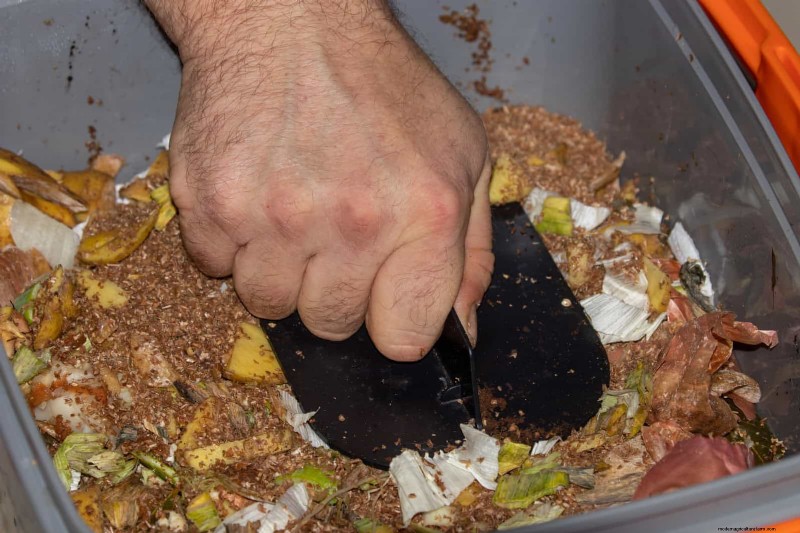
The system consists of an airtight bucket with a spigot for draining liquid, bokashi bran (wheat bran inoculated with effective microorganisms), and your food scraps.
Layer food waste with the bran, compress to remove air pockets, and seal tightly. The fermentation process takes 2 to 3 weeks, producing a nutrient-rich “tea” and pre-composted solid material.
 Depositphotos
The liquid bokashi tea, diluted at about 1:100 with water, makes an excellent fertilizer for houseplants and garden beds. It contains concentrated nutrients and beneficial microbes that improve soil health.
Drain this liquid every few days to prevent the fermentation from becoming too acidic. The fermented solid material needs additional processing before direct plant contact.
Bury it in fallow garden areas or add it to a traditional compost pile where it will finish breaking down in 2 to 4 weeks. The pre-fermented state accelerates the final decomposition process while preserving more nutrients than conventional composting alone.
 Depositphotos
Green roofs transform unused roof space into productive growing areas while recycling organic waste. These living roof systems contain waterproofing layers, drainage materials, lightweight growing medium, and carefully selected plants.
They turn what would be wasted space into an opportunity for food production or habitat creation. Creating a green roof waste recycler involves using compost, leaf mold, and other organic materials as components of your growing medium.
Sedums (Sedum spp.) and other drought-tolerant plants thrive in the challenging rooftop environment. The structure itself can incorporate reclaimed materials, such as pallets for edging or rainwater collection systems made from repurposed containers.
 Depositphotos
Beyond waste recycling, green roofs provide multiple environmental benefits. They insulate buildings, reducing heating and cooling costs while extending roof lifespan by protecting materials from UV degradation.
The plants capture rainwater that would otherwise become runoff, helping manage stormwater in urban areas. Green roofs also create habitat islands for pollinators and birds in urban deserts.
The temperature-moderating effect helps counter the urban heat island effect that makes cities hotter than surrounding areas. The short distance from harvest to table for edible green roofs reduces food miles to mere steps.
 Depositphotos
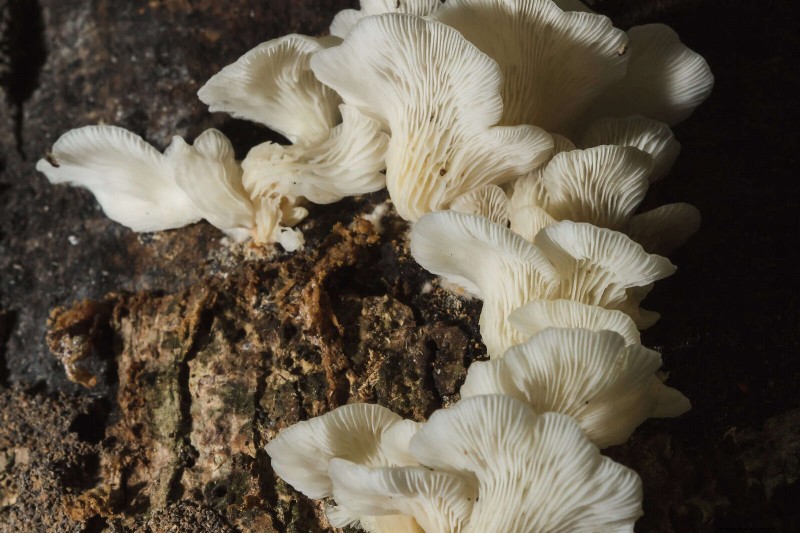
Mushroom log cultivation turns fallen branches and logs into productive growing substrates for edible fungi. Species like shiitake (Lentinula edodes) and oyster mushrooms (Pleurotus ostreatus) naturally decompose wood in forest ecosystems.
You harness this decomposition process by inoculating logs with mushroom spawn while producing delicious harvests. The process involves drilling holes in freshly cut hardwood logs, inserting mushroom spawn plugs, and sealing with wax.
Oak, maple, and other non-resinous hardwoods work best. Stack the inoculated logs in a shady, moist area and wait 6-18 months for the mycelium to colonize the wood. Once established, logs can produce mushrooms for several years.
 Depositphotos
Maintaining your mushroom garden primarily involves managing moisture levels. During dry periods, soak the logs in non-chlorinated water for 24 hours to trigger fruiting.
Some growers create a “laying yard” where logs rest horizontally during colonization, then move them to a “fruiting fence” where they stand vertically during production phases. As the logs decompose over the years, they gradually become rich humus, perfect for garden beds.
This creates a complete cycle; the waste wood provides mushroom harvests for years before becoming soil-building material. The spent logs attract beneficial insects and create habitat niches in garden edges and woodland transitions.
 Depositphotos
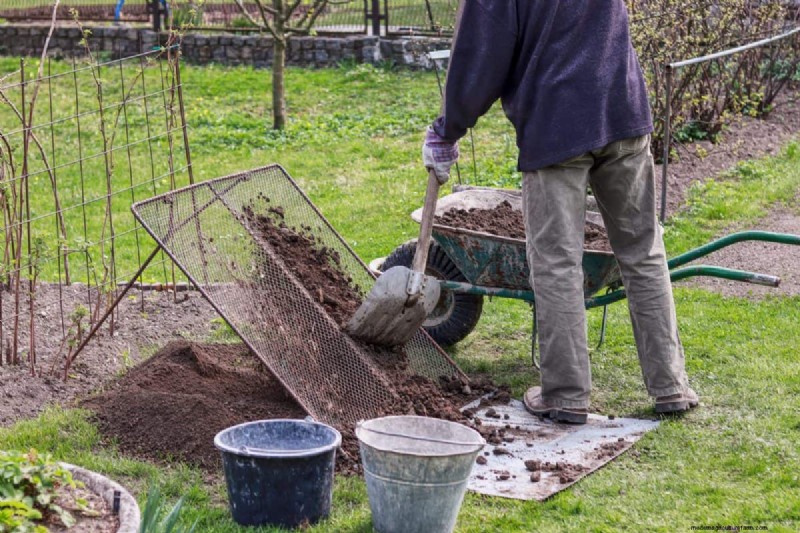
A compost sifter station streamlines preparing finished compost for garden use. Instead of wooden pallets, this setup can be made from repurposed materials like mesh screens, frames, or fencing.
It creates a dedicated workspace for the final steps of composting with minimal cost and maximum reuse. The sifting screen separates fine, ready-to-use compost from larger pieces that need more time to break down.
Compost is shoveled onto the screen, where gravity and motion sort it. The coarse material returns to the active pile, while the fine compost goes straight into the garden.
 Depositphotos
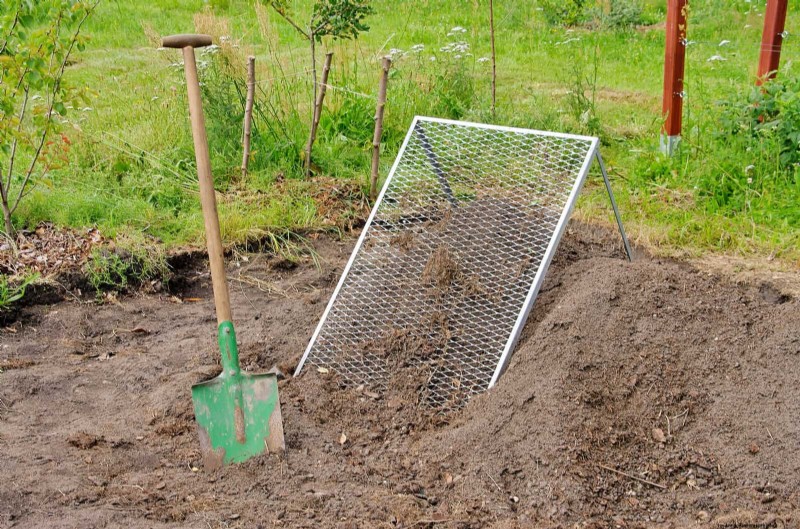
Different sifter designs support various composting needs. A basic angled screen works well for small batches, while tiered trays with varying mesh sizes can sort compost into coarse, medium, and fine grades.
This lets you use each texture in its ideal garden role: mulch, soil, or seed mix. For higher-volume composting, consider a rotary sifter made from mesh shaped into a cylinder and mounted on an axle.
By turning the cylinder, the compost is sorted by size. Both simple and advanced models can be built using salvaged or recycled materials, making them practical and regenerative.
 Depositphotos
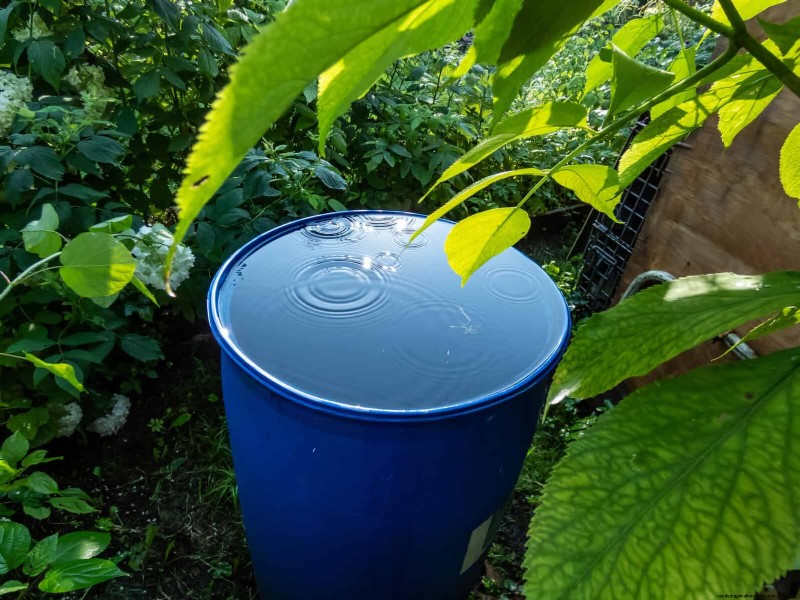
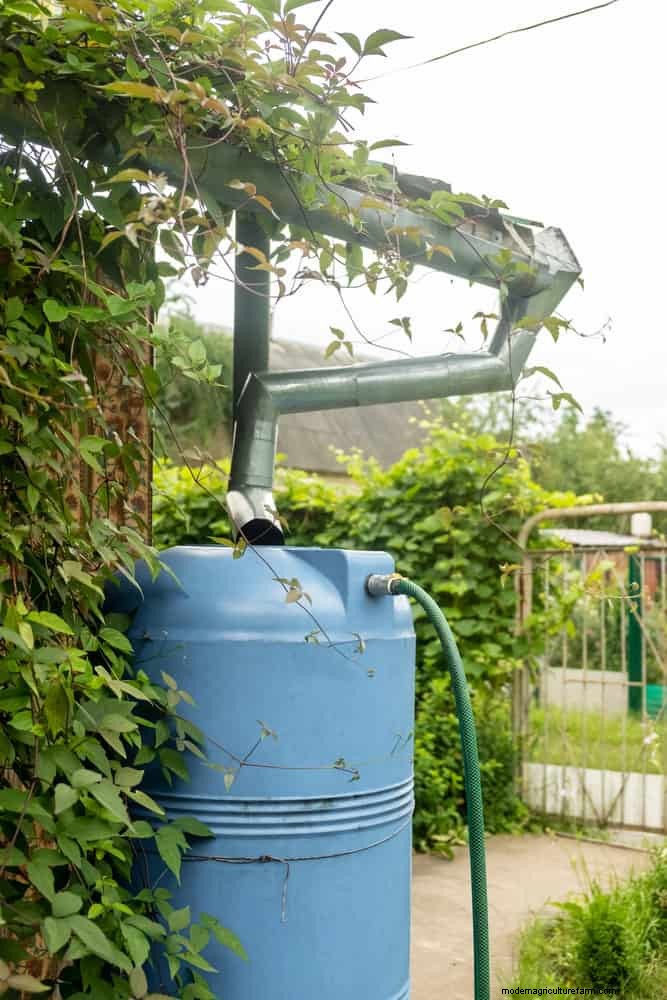
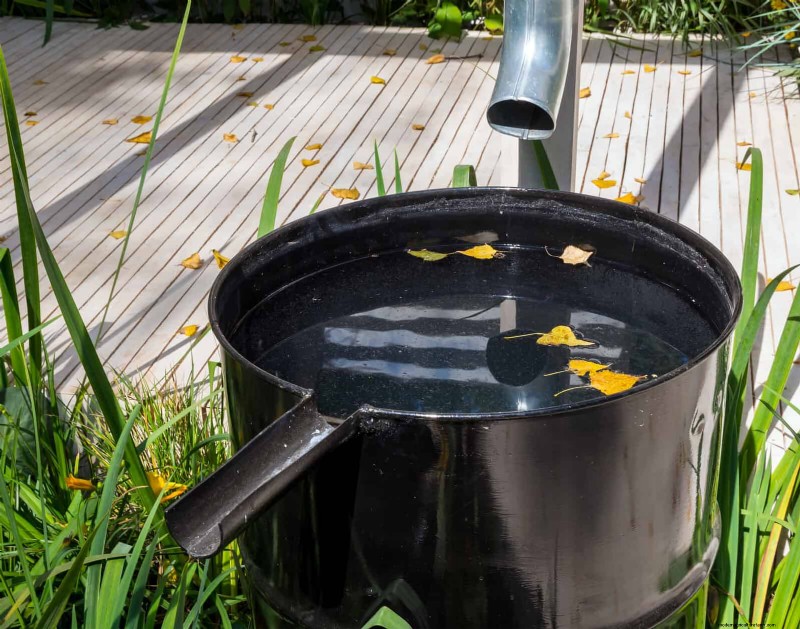
A rainwater harvest system captures runoff from roofs and other surfaces and stores it for garden use during dry periods. Integrating this system with your waste garden creates a complete water cycle that minimizes external inputs.
Typical components include gutters, downspouts, first-flush diverters, storage tanks, and distribution systems. Building the system from reclaimed materials reduces both cost and environmental impact.
Food-grade barrels make smaller storage containers, while IBC totes offer larger capacity. Connect multiple containers with overflow pipes to expand storage capacity as needed. First-flush diverters improve water quality by directing the initial runoff (which contains most roof debris) away from storage.
 Depositphotos
Distributing harvested rainwater efficiently throughout your garden requires thoughtful system design. Gravity-fed systems place storage containers above garden level, allowing water to flow naturally to where it’s needed.
Elevating tanks on platforms built from reclaimed materials like pallets or concrete blocks provides the necessary height difference. For areas beyond gravity’s reach, consider solar-powered pumps that use renewable energy to move water through drip irrigation systems.
Rainwater’s slightly acidic nature makes it ideal for acid-loving plants and helps release nutrients in the soil more effectively than alkaline tap water. It also lacks chlorine and other treatments that can harm beneficial soil microorganisms.
 Depositphotos
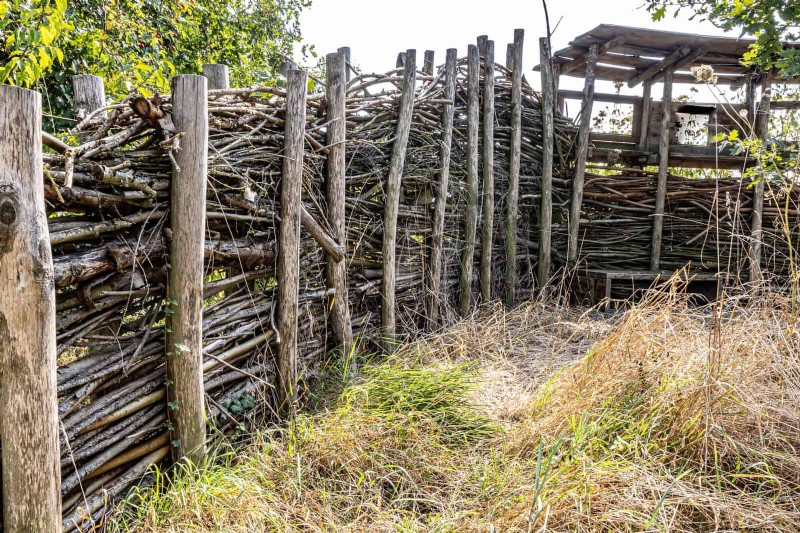
A brush fence habitat transforms prunings and woody debris into valuable wildlife shelter while defining garden spaces. Instead of hauling branches to the curb or burning them, arrange this material into living fences that serve multiple functions.
These structures mimic the natural edge habitats found between forests and meadows. Construction involves driving support posts, weaving branches between them, or simply stacking material in windrow formations.
As the material breaks down over the years, it returns nutrients to the soil while continuing to provide habitat. The dense structure offers bird nesting sites, hibernation spaces for beneficial insects, and shelter for small mammals that help control garden pests.
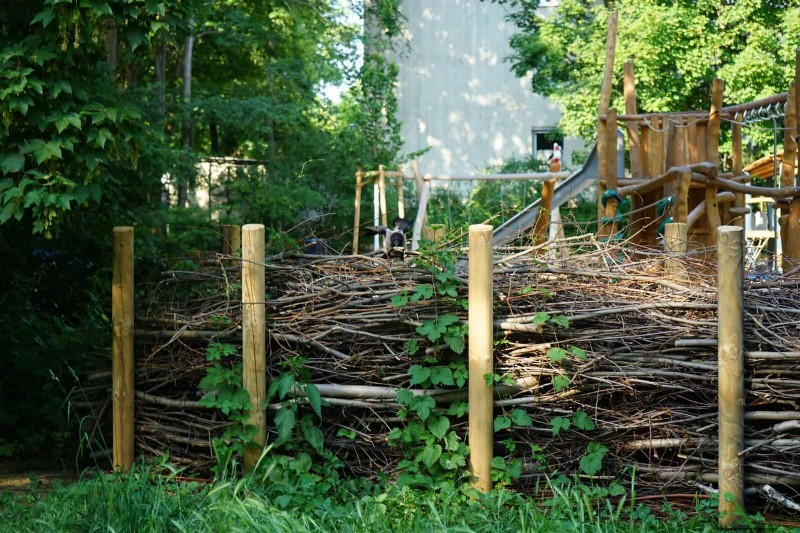 Depositphotos
Beyond wildlife support, brush fences create microclimates that benefit nearby plants. The structures block wind, moderate temperature extremes, and create sheltered pockets where tender plants thrive.
In winter, they collect snow that provides insulation and slow-release moisture as it melts. These living fences also serve as nurse structures for climbing plants. Beans, cucumbers, and flowering vines like clematis (Clematis spp.) can use the branches as natural supports.
As they grow, the plants add beauty and food production to what began as a waste disposal solution. Over time, the decomposing lower portions enrich the soil while new additions at the top maintain the fence structure.
 Depositphotos
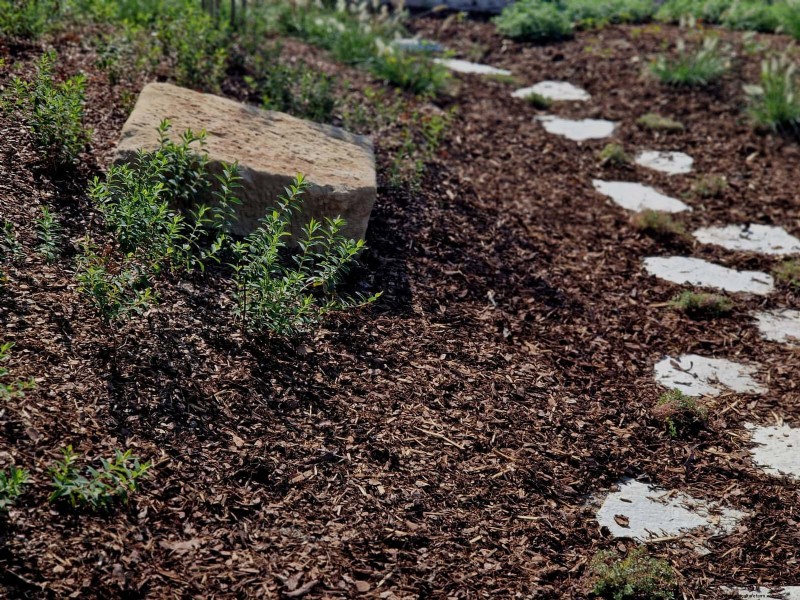
Wood chip pathways transform tree maintenance waste into functional garden infrastructure. Arborist chips, the mixed wood, bark, and leaf material produced by tree trimming operations, make ideal pathway material that suppresses weeds while slowly breaking down to feed the soil food web.
Creating these pathways involves defining edges with reclaimed materials like bottles, bricks, or logs and then filling the path with a 4 to 6-inch layer of chips.
Unlike bark mulch sold in bags, arborist chips contain a diverse mix of materials that support a broader range of decomposer organisms. Many tree services provide chips for free to avoid disposal costs.
 Depositphotos
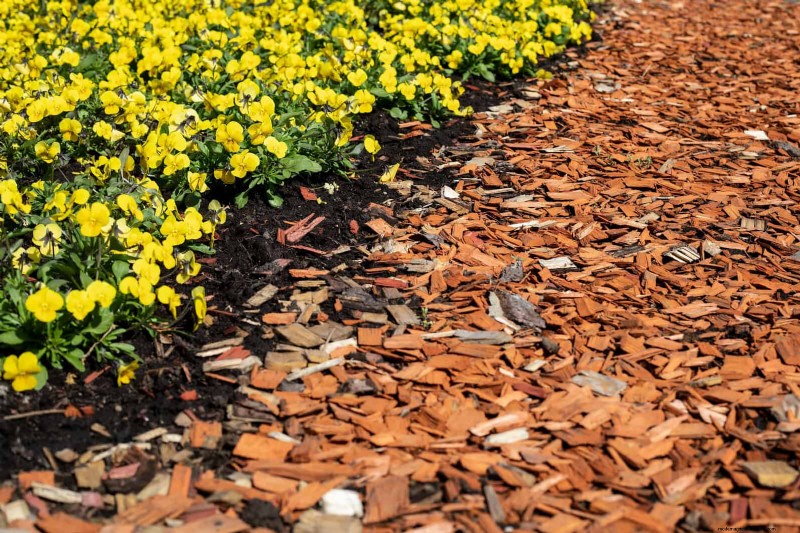
As wood chips break down, they create ideal conditions for fungi, including beneficial mycorrhizal species that form symbiotic relationships with plants. These fungal networks extend the effective reach of plant root systems and improve nutrient uptake.
The decomposition process also generates heat that can extend the growing season in adjacent beds. The slow breakdown of lignin and cellulose in wood chips releases nutrients gradually over the years rather than months.
This steady supply reduces the feast-or-famine cycle that can occur with faster-decomposing materials. The chips absorb rainfall, reducing runoff and erosion while slowly releasing moisture during dry periods.
 Depositphotos
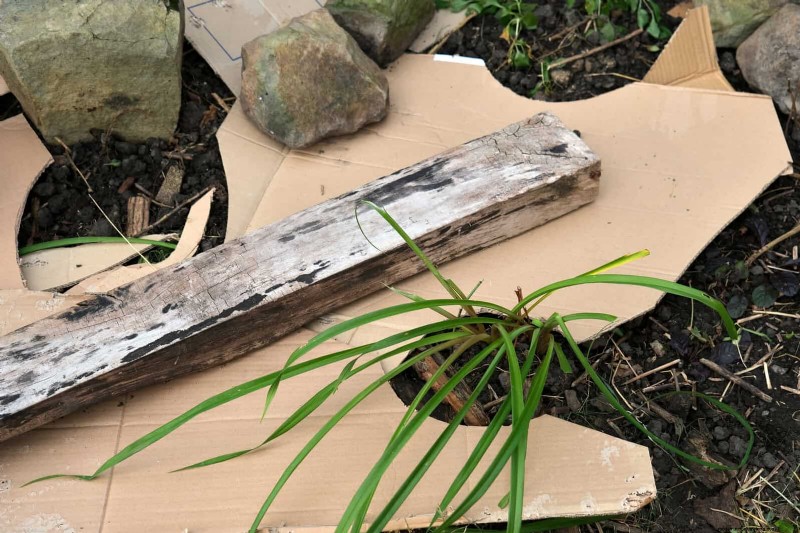
Cardboard sheet mulching recycles packaging waste into a powerful tool for establishing new garden areas without tilling. This technique, also called sheet composting or lasagna gardening, uses layers of cardboard to smother existing vegetation and create a blank canvas for planting.
The cardboard eventually breaks down, adding organic matter to the soil. The process starts with overlapping layers of corrugated cardboard (with tape and staples removed) directly over grass or weeds.
Wet the cardboard thoroughly, then add layers of compost, leaf mold, and other organic materials. For immediate planting, cut X-shaped slits through the cardboard and install plants directly into the soil beneath.
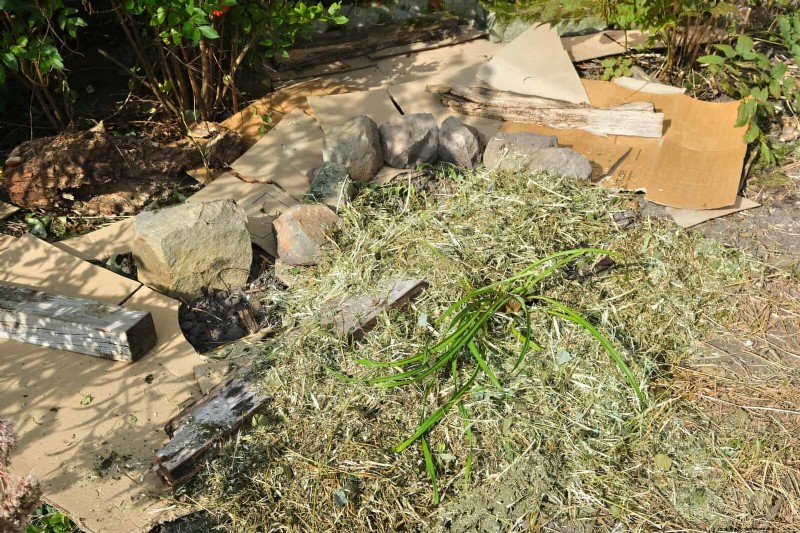 Depositphotos
Different variations of sheet mulching serve specific garden needs. A single layer of cardboard topped with mulch effectively suppresses weeds in established beds.
To create new growing areas, alternating “green” nitrogen-rich layers with “brown” carbon-rich materials builds a complete soil ecosystem from the ground up. Consider a sheet mulch variation incorporating food scraps between cardboard and soil layers for food gardens.
This “trench composting” approach places kitchen waste where it can decompose directly in the growing area. Cover with several inches of soil or compost to prevent odors and deter pests while the materials break down to feed nearby plants.
 Depositphotos
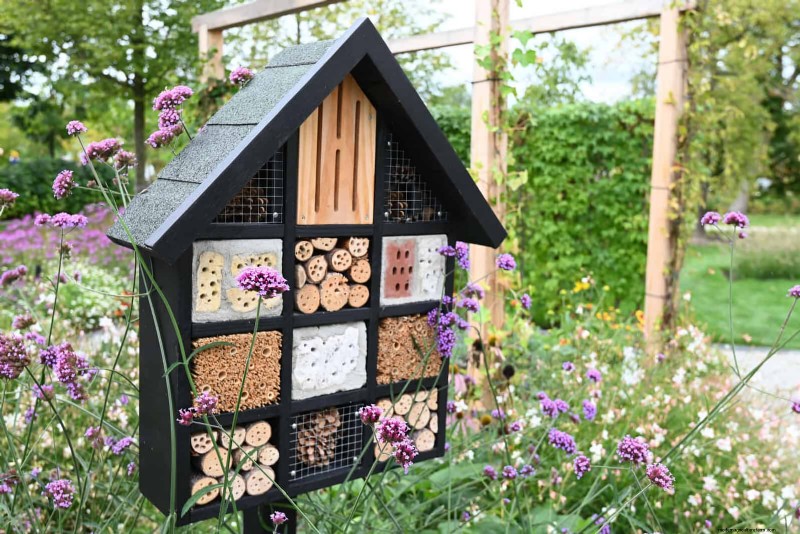
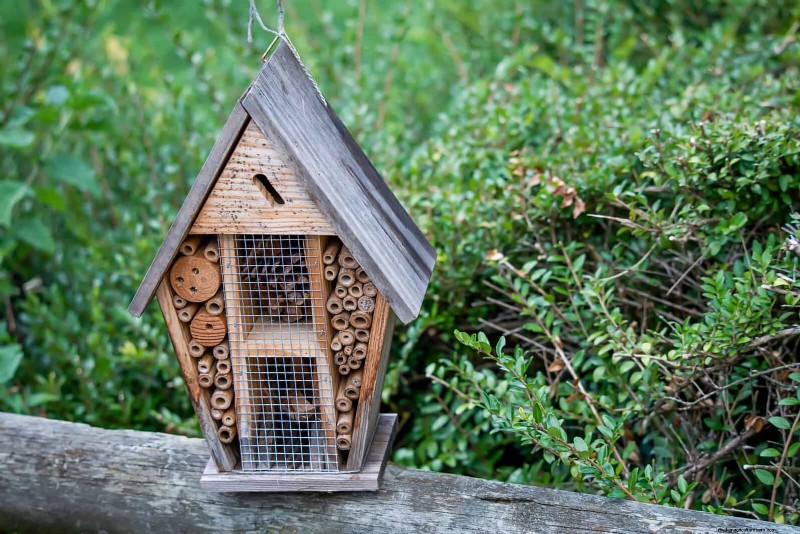
A pollinator insect hotel uses garden and household waste materials to provide a nesting habitat for beneficial insects. These structures offer safe spaces for solitary bees, lacewings, ladybugs, and other helpful garden allies.
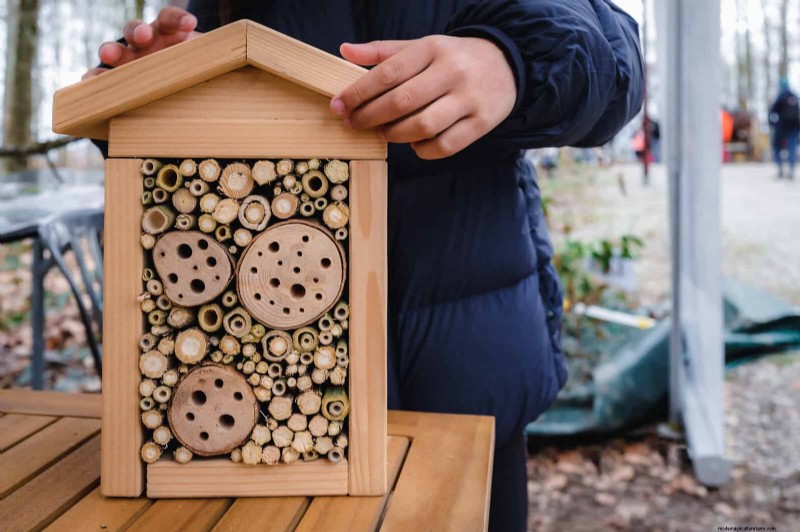
Unlike honeybees, many native pollinators don’t form colonies but need individual nesting cavities. To build one, repurpose materials like bamboo canes, drilled wood blocks, hollow stems, pinecones, bark, and cardboard tubes.
Arrange them tightly in a wooden frame or repurposed container with some weather protection, like a small overhanging roof. Place the hotel at least three feet off the ground in a sunny, sheltered spot near flowering plants. Avoid treated wood or painted surfaces that can deter insect use.
 Depositphotos
Maintaining a pollinator hotel ensures it stays a safe and productive habitat. Clean out or replace materials annually in early spring before insects become active. This prevents the buildup of mold, parasites, or predators that can harm beneficial species.
Watch for signs of activity, like plugged holes or emerging insects. Avoid moving the hotel once it’s in use, as many species return to the same nesting site year after year.
Over time, your insect hotel helps boost pollination, pest control, and biodiversity in your garden, all while recycling items that would otherwise go to waste.
 Depositphotos
Turning organic waste into gardening gold is more than eco-friendly; it’s gratifying. Whether brewing compost tea, cultivating mushrooms, or building bug hotels, each system gives back to your garden and the planet.
These methods save money, reduce landfill waste, and create a stronger garden ecosystem. Start with one project and grow from there. Each effort connects you to the natural rhythms of your garden, reminding you that nothing in nature truly goes to waste.
With some creativity, every wood chip and leaf pile becomes a free mulch alternative that enriches your soil and reduces waste. Your garden and the Earth will thank you!