
Welcome to Modern Agriculture!

 Depositphotos
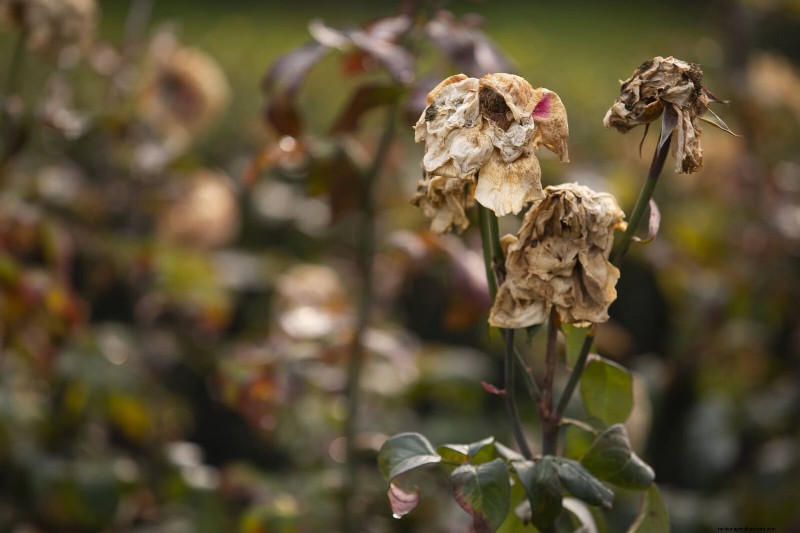
When temperatures soar, our gardens often suffer in silence. Plants can’t escape the blazing sun or move to cooler spots when the heat becomes unbearable. They simply endure, showing their distress through subtle and sometimes dramatic changes. Recognizing these signs early can mean the difference between recovery and permanent damage to your beloved garden.
Heat stress affects plants of all types, from delicate annuals to established trees. The symptoms vary by species, but knowing what to look for gives you the power to intervene before lasting harm occurs. Even experienced gardeners sometimes miss these crucial warning signals until too late.
 Depositphotos
Heat stress occurs when plants are exposed to temperatures beyond their comfort zone for extended periods. This environmental stressor disrupts normal plant functions and triggers survival responses. Plant species have varying heat tolerance thresholds, but all plants have their breaking point.
Plants typically experience heat stress when temperatures exceed 86°F (30°C) for most common garden varieties. Desert-adapted plants like cactus and succulents naturally tolerate much higher temperatures, while shade-loving plants like hostas may show stress at lower temperatures. The duration of heat exposure matters just as much as the temperature itself. A brief hot afternoon might cause temporary wilting, but days of excessive heat make cumulative damage harder to reverse.
 Depositphotos
Plants have evolved remarkable adaptations to cope with heat. They produce specialized proteins called heat-shock proteins that help protect cellular structures from temperature damage. These proteins are tiny shields that guard essential plant machinery when things get too hot.
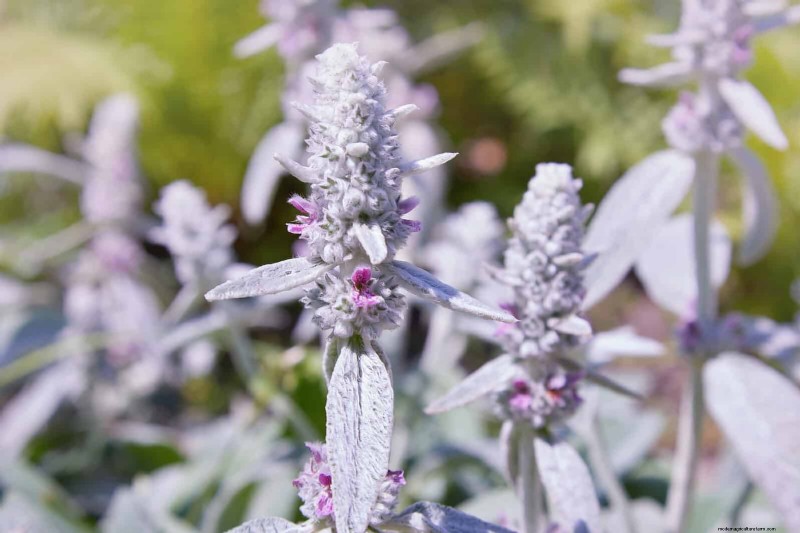
Some plants adjust their leaf position to minimize sun exposure during peak heat. You might notice leaves folding inward or rotating, presenting less surface area to direct sunlight. Like lamb’s ear, plants with fuzzy or hairy leaves use these features as natural sunscreen, reflecting light and heat away from sensitive tissues. The waxy cuticle covering many leaf surfaces serves a similar protective function, trapping moisture inside while blocking excessive heat from penetrating deeper.
We'll email it to you so you can read it later!
By saving, you agree to receive occasional emails. Unsubscribe anytime.
 Depositphotos
Inside every plant, countless biochemical reactions drive growth, flowering, and fruit production. These processes work best within specific temperature ranges. When temperatures climb too high, these reactions begin to falter. For many plants, photosynthesis becomes less efficient above 87°F and nearly stops entirely at extreme temperatures.
Heat disrupts hormone balances that regulate everything from flowering time to fruit development. High temperatures can cause pollen to become sterile, preventing successful fertilization in many vegetables and fruits. Tomatoes struggle to set fruit when nighttime temperatures remain above 75°F. The plant’s respiratory rate increases dramatically in high heat, burning through stored energy reserves faster than they can be replaced, essentially causing the plant to exhaust itself.
 Depositphotos
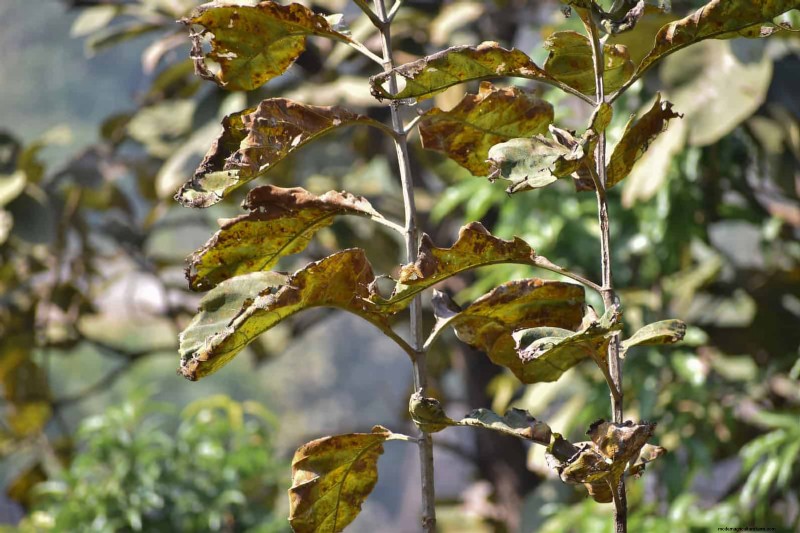
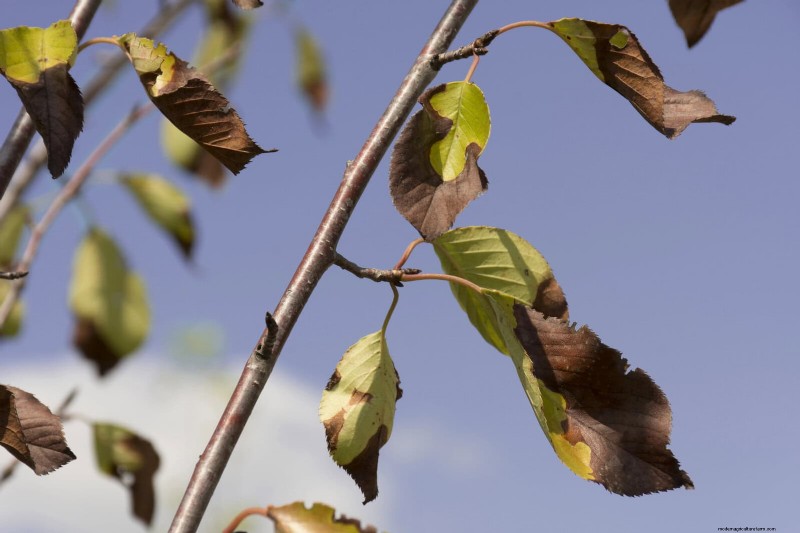
Leaves tell the clearest story of heat stress. The most apparent sign is browning or crisping along leaf edges and tips, sometimes called “leaf scorch.” This happens when water evaporates from leaf tissues faster than the plant can replace it. The damage usually starts at the most exposed parts of the leaf and progresses inward.
Leaf curling or cupping represents another typical response. Leaves curl upward or downward to reduce their surface area exposed to the sun. You might also notice leaves developing a dull, grayish cast instead of their usual vibrant green. This dulling effect happens as the plant produces more reflective waxes or hairs as protection. In extreme cases, leaves develop actual sunburn, irregular brown or white patches in areas directly exposed to intense sunlight.
 Depositphotos
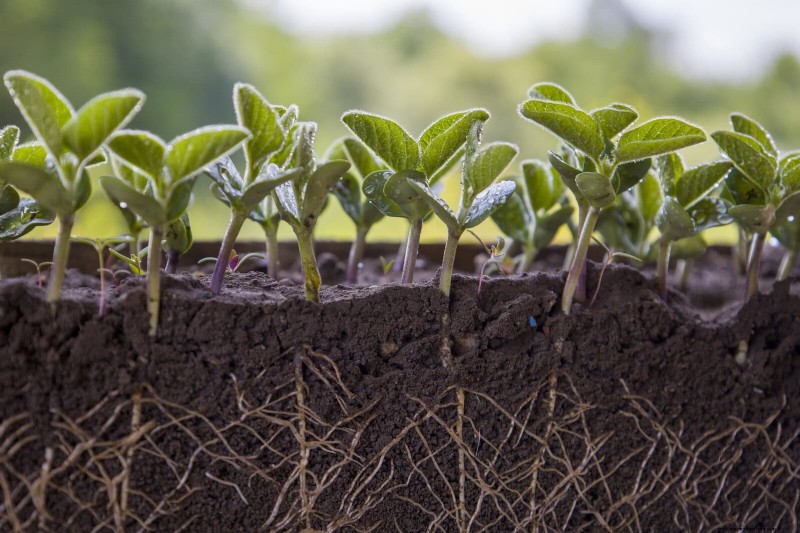
Though hidden from view, root systems suffer tremendously during heat waves. Soil temperatures above 95°F damage fine root hairs that absorb water and nutrients. These delicate structures die back, reducing the plant’s ability to take up moisture precisely when needed.
Roots seek cooler, moister soil by growing deeper when possible. This survival strategy works well for plants with naturally deep root systems, like oak trees, but creates problems for shallow-rooted plants like azaleas and soybeans. The visible aboveground symptoms of root heat stress include unexplained wilting, even when the soil seems moist. Plants may also show nutrient deficiency symptoms because damaged roots can’t effectively absorb essential minerals.
 Depositphotos
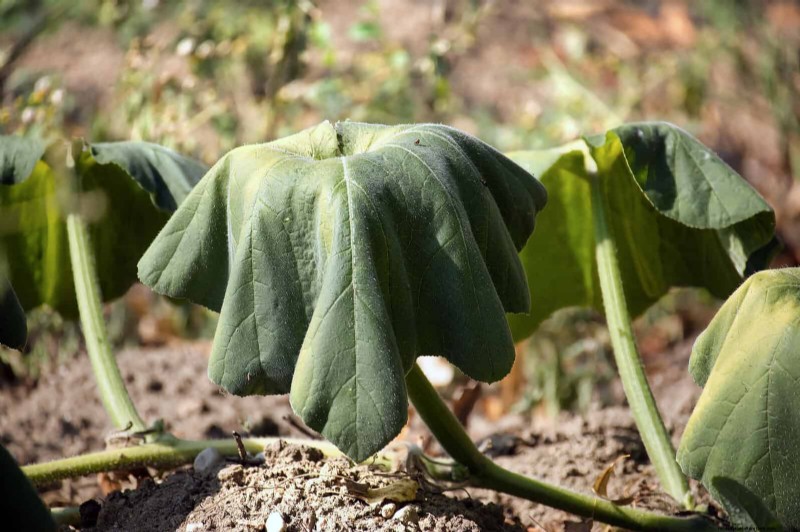
Wilting serves as the plant’s first and most recognizable distress signal. Leaves and stems lose their firmness and begin to droop as water pressure within plant tissues decreases. Morning wilting that doesn’t recover after watering indicates severe heat stress rather than simple thirst.
Not all wilting looks the same. Some plants wilt dramatically but recover quickly once temperatures drop. Hydrangeas are famous for their afternoon drooping during hot weather, but typically bounce back in cooler evening hours. Other plants show more subtle signs, such as slightly floppy new growth or leaves hanging at unusual angles. Pay special attention to unexplained wilting that persists despite adequate soil moisture, as this often signals heat-damaged roots that can’t deliver water efficiently to the rest of the plant.
 Depositphotos
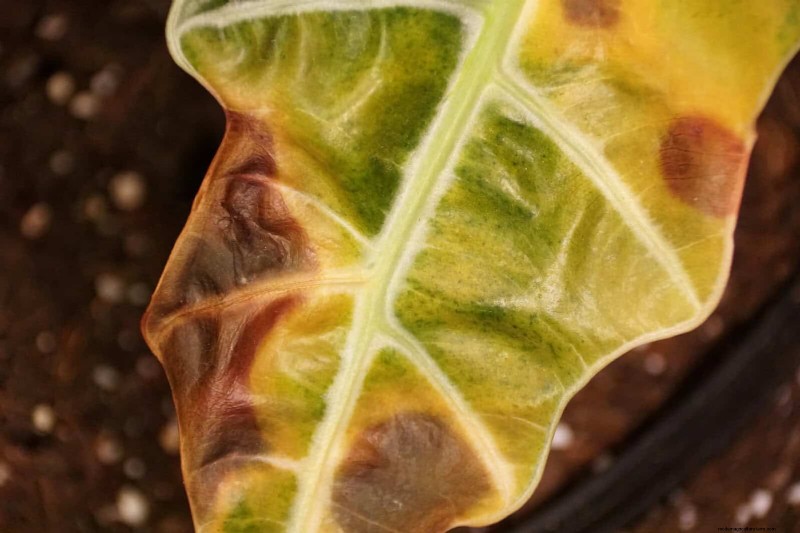
Leaf scorch creates distinctive patterns that help distinguish it from other problems. It typically begins at leaf margins and moves inward, forming a brown, crispy tissue band with a clear boundary between damaged and healthy areas. The pattern often looks symmetrical across the leaf.
Sunburn appears as bleached white or brown patches in the middle of leaves rather than at the edges. These sunburned spots occur on portions of the leaf receiving direct, intense sunlight. Like hostas and coleus, plants with broad, thin leaves show sunburn damage more readily than plants with small, thick leaves. The damage pattern often matches the sun’s path across your garden, with western exposures showing more injury than eastern sides of the same plant.
 Depositphotos
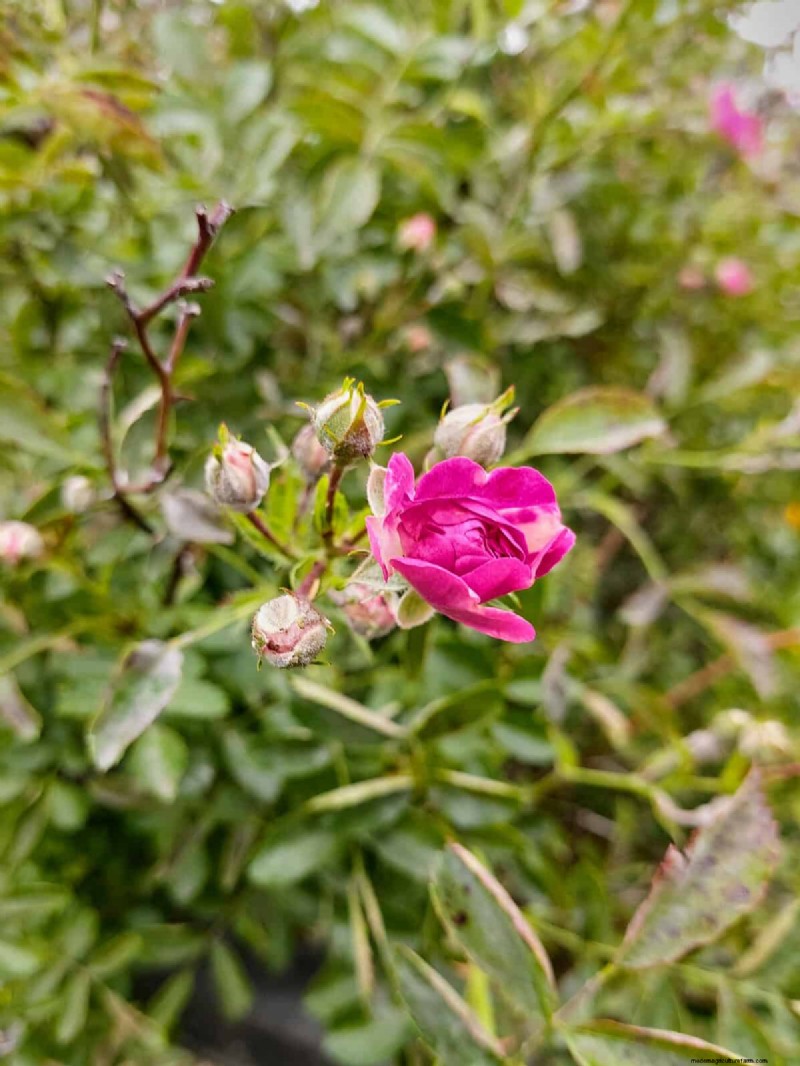
Heat-stressed plants conserve energy by slowing or stopping growth altogether. New leaves emerge smaller than usual or fail to unfurl properly. Stem elongation slows, creating shorter distances between leaf nodes. This compact growth pattern might seem desirable, but it indicates the plant has entered survival mode rather than thriving.
Flowering takes enormous energy resources. When plants experience heat stress, they often abort flower buds or produce fewer, smaller blooms. Plants like petunias and geraniums may stop flowering entirely during heat waves, resuming only when temperatures moderate. Perennial plants might rush through their flowering cycle, blooming briefly before dropping flowers prematurely. This shortened display represents the plant’s attempt to complete reproduction before conditions worsen.
 Depositphotos
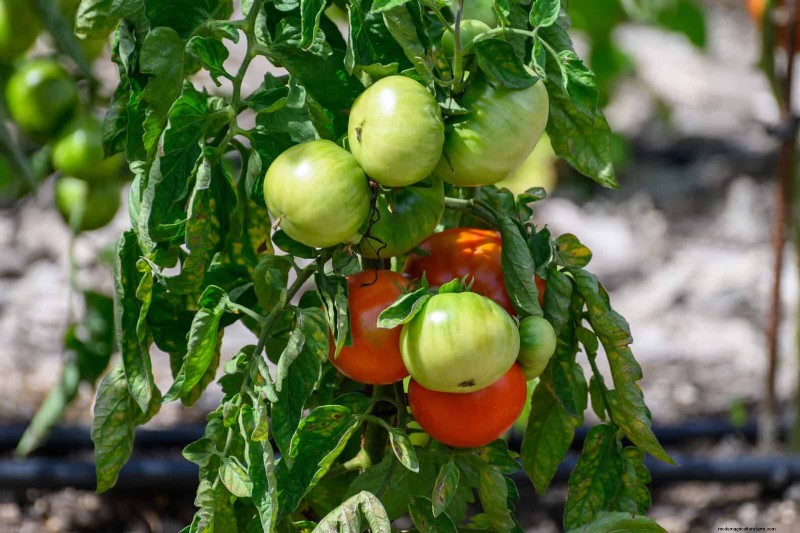
Fruit-bearing plants respond to heat stress by sacrificing developing fruits to ensure survival. Young fruits may drop from the plant entirely or stop growing at their current size. This survival strategy redirects energy to essential functions rather than reproductive efforts that might not succeed in stressful conditions.
Heat affects fruit quality even when fruits remain on the plant. Tomatoes may develop yellow or white patches called solar yellowing. Peppers can develop sunscald, whitened, papery spots that later rot. Apples and other tree fruits often develop bitter flavors or mealy textures when ripening during extreme heat. The timing of heat stress matters tremendously; fruit is most vulnerable during the initial cell division phase right after pollination and again during final ripening.
 Depositphotos
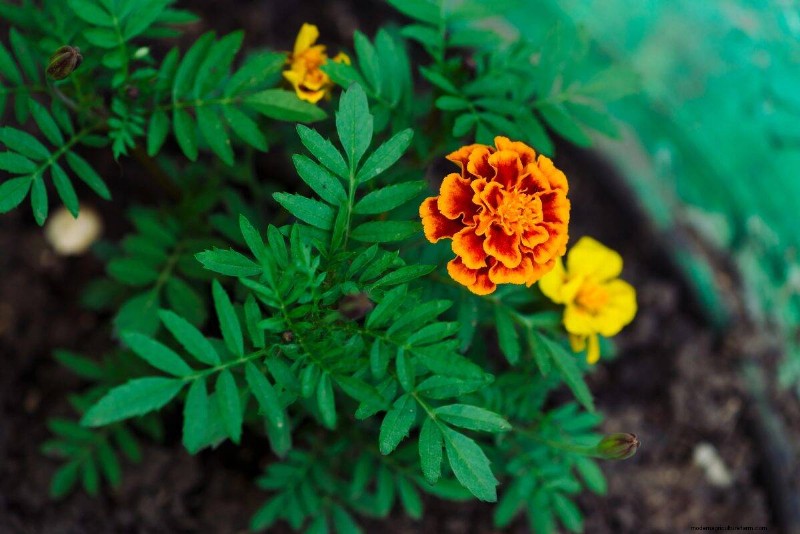
Annual flowers often show the garden’s earliest and most dramatic heat stress symptoms. Their relatively shallow root systems make them vulnerable to soil temperature fluctuations. Popular bedding plants like impatiens develop translucent, water-soaked areas on leaves when temperatures soar.
Flowering annuals respond to heat by producing fewer, smaller flowers with paler colors. Marigolds may develop brown patches in flower centers, while petunias often display shriveled, unopened buds. Annual vinca is better than most, but even these heat-lovers develop scorched leaf edges in extreme conditions. The silver lining? Annuals can often recover quickly once temperatures moderate, producing fresh growth and new flower buds within days of cooler weather.
 Depositphotos
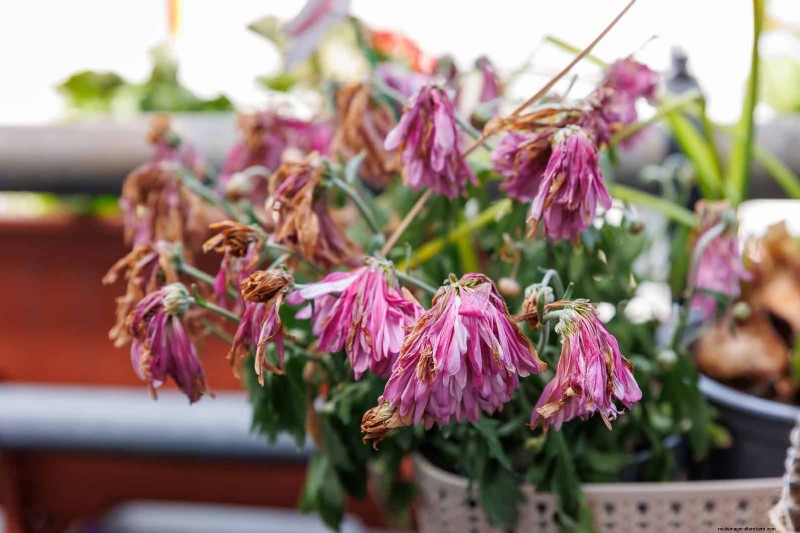
Established perennials typically show more subtle heat stress symptoms than annuals. Their deeper root systems provide some buffer against short-term temperature spikes. Nonetheless, perennials like chrysanthemum respond to excessive heat by producing flowers that open and fade within hours rather than lasting a full day.
Perennials often enter early dormancy during extended heat waves. Hostas develop dry, papery leaf edges that gradually spread until the entire leaf collapses. Garden phlox shows heat stress through powdery mildew outbreaks as weakened plants become more susceptible to disease. Coneflowers and black-eyed Susans might produce plenty of flower buds that fail to open fully or create smaller flower heads with fewer petals.
 Depositphotos
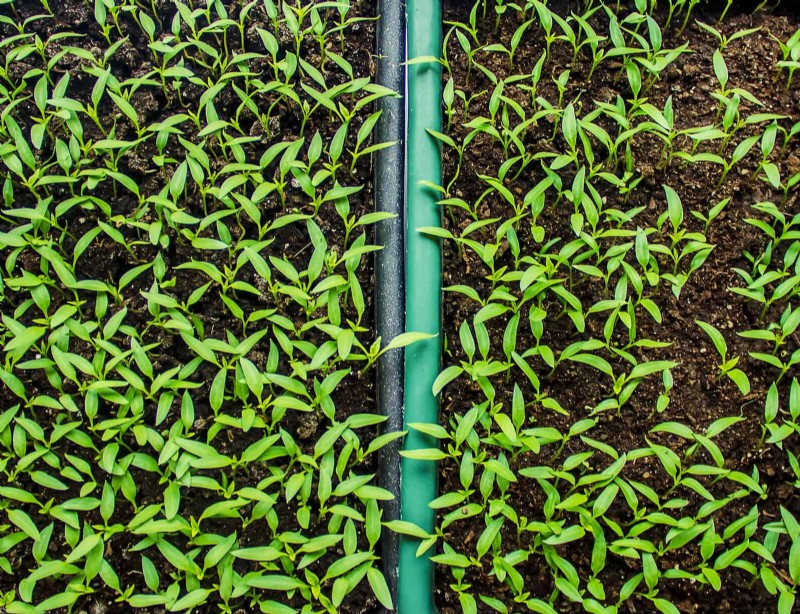
Proper watering becomes critical during heat waves. Plants lose moisture through transpiration much faster as temperatures rise. This water loss accelerates dramatically when temperatures exceed 90°F. The instinct to water frequently but lightly creates more problems than it solves.
Deep, infrequent watering encourages roots to grow downward into cooler soil layers. Aim to moisten the soil at least 6-8 inches deep with each watering session. Early morning watering gives plants maximum benefit before the day’s heat arrives. Avoid evening watering when possible, as it promotes fungal diseases that exploit heat-weakened plants. Consider using soaker hoses or drip irrigation to deliver water directly to the soil without wetting foliage. This reduces water waste through evaporation and minimizes sunscald damage from water droplets acting as tiny magnifying glasses.
 Depositphotos
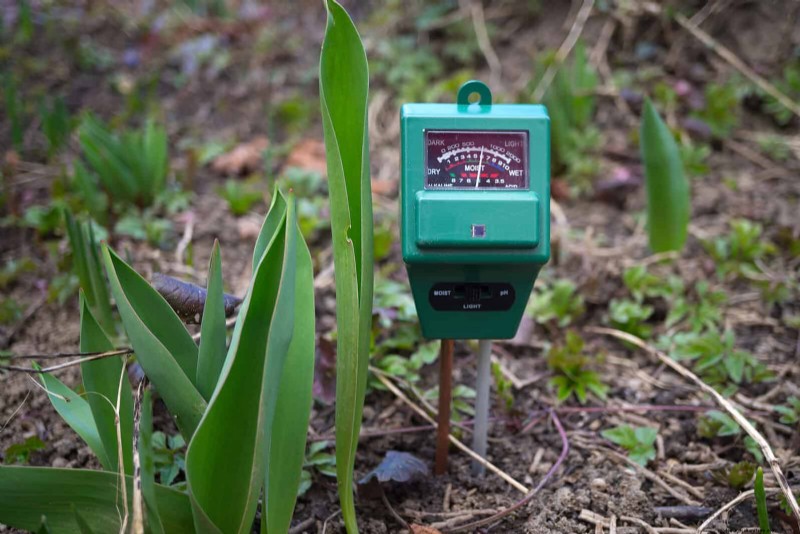
Determining when to water heat-stressed plants requires looking beyond the soil surface. The finger test provides a simple but effective method. Insert your finger 2-3 inches into the soil near the plant’s drip line. Watering is needed regardless of the surface’s appearance if it feels dry at that depth.
Moisture meters offer more precise measurements, especially for container plants where overwatering creates additional stress. For in-ground plantings, observe how quickly the soil absorbs water. If water pools on the surface rather than soaking in, the soil will likely become hydrophobic from severe drying and will need gentle, repeated applications to rehydrate properly. The plant itself provides clues, too. Learn to distinguish between temporary afternoon wilting, which many plants display naturally during peak heat, and the more serious morning wilting that indicates insufficient root moisture.
 Depositphotos
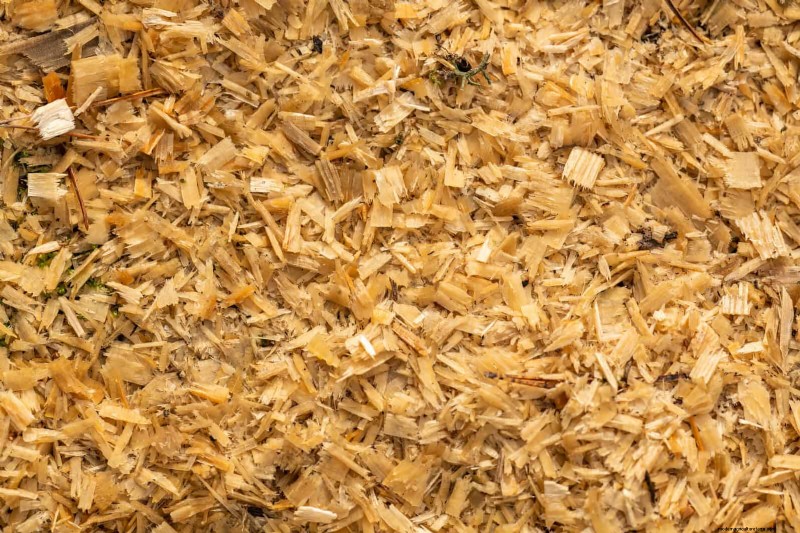
Mulch serves as one of the most effective defenses against heat stress. A 2-3 inch layer of organic mulch insulates soil from temperature extremes, keeping root zones significantly cooler during heat waves. Mulch also reduces evaporation, helping soil retain moisture up to 70% longer than bare ground.
Different mulch materials offer varying benefits during hot weather. Light-colored mulches like straw reflect sunlight and heat away from the soil surface. Wood chips decompose slowly, providing longer-lasting protection. Pine straw works exceptionally well for acid-loving plants like blueberries, creating a loosely packed layer for excellent air circulation. Avoid placing mulch directly against plant stems or trunks, which can cause rot and create hiding places for pests seeking shelter from the heat.
 Depositphotos
Strategic shading helps vulnerable plants survive intense heat periods. Temporary shade cloth suspended over heat-sensitive crops can reduce leaf surface temperatures by 10-15 degrees. Choose 30-50% shade cloth for vegetables and flowering plants that still need good light levels.
Through companion planting arrangements, larger plants can protect smaller ones. Tall trees create natural afternoon shade for smaller plants. For container gardens, simply moving pots to morning-sun locations during heat waves can prevent damage. Even improvised solutions like old umbrellas or bed sheets suspended on stakes can save vulnerable plants during the most intense heat. The key is providing shade during the hottest afternoon while allowing good morning light exposure.
 Depositphotos
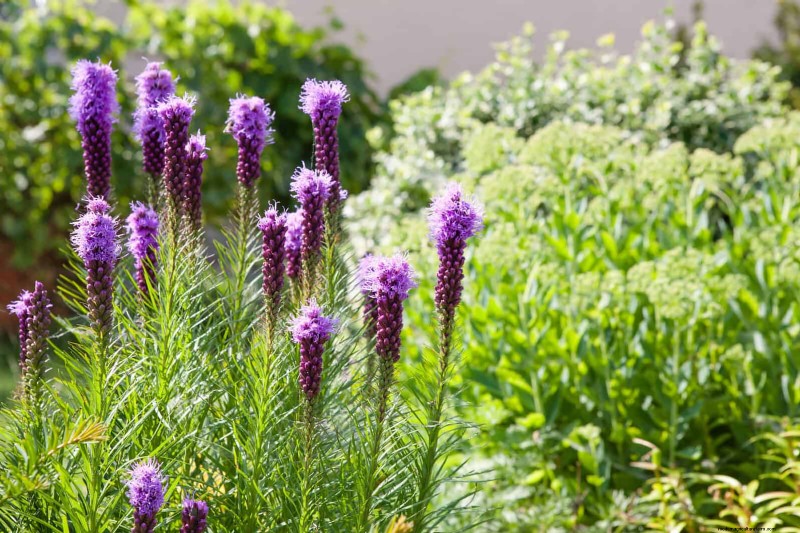
Choosing naturally heat-tolerant plants provides the most sustainable solution to recurring heat stress problems. Native plants typically handle regional heat patterns better than exotic species. Plants like desert marigold and red yucca thrive in the Southwest through triple-digit temperatures.
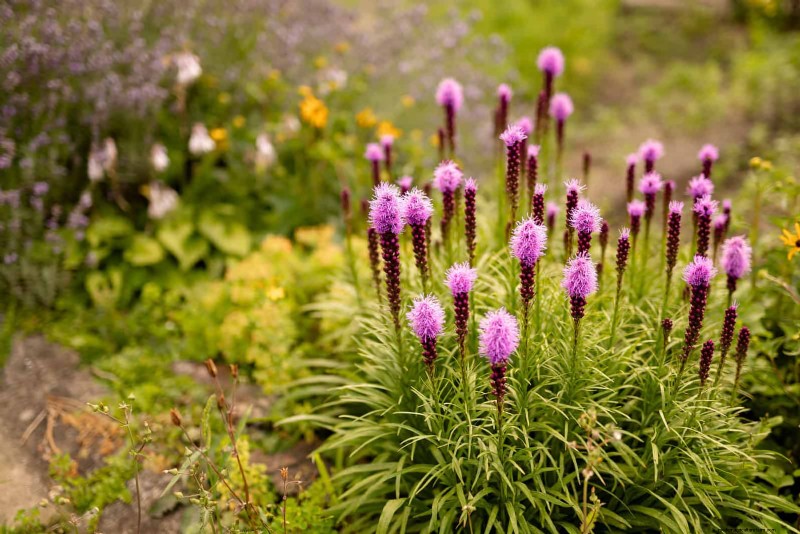
For humid Southern gardens, plants with good air circulation around their leaves fare best. Louisiana iris and oakleaf hydrangea handle hot, muggy conditions admirably. Midwestern gardeners might consider prairie natives like blazing star and butterfly weed that evolved to handle temperature extremes. Even cooler Northern regions now experience occasional heat waves, where plants like lavender and Russian sage provide reliable performance regardless of temperature spikes.
 Depositphotos
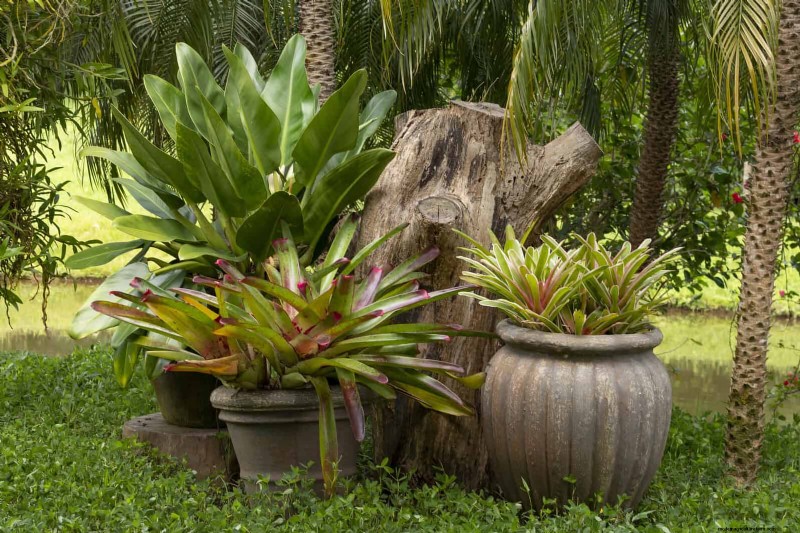
Container plants face heightened risk during heat waves. Soil temperatures in pots can reach 120°F or higher, far beyond what most root systems can tolerate. Containers made from dark materials like black plastic absorb additional heat, essentially cooking plant roots from all sides.
Light-colored containers reflect rather than absorb solar radiation. Double-potting provides another solution, place the plant’s container inside a slightly larger pot, filling the gap between them with insulating material like moss or bubble wrap. Grouping containers creates mutual shading and higher humidity levels around the plants. Move containers to shadier locations during extreme heat events, even if plants typically prefer full sun. Remember that container plants may need watering twice daily during heat waves, as their limited soil volume dries out much faster than garden beds.
 Depositphotos
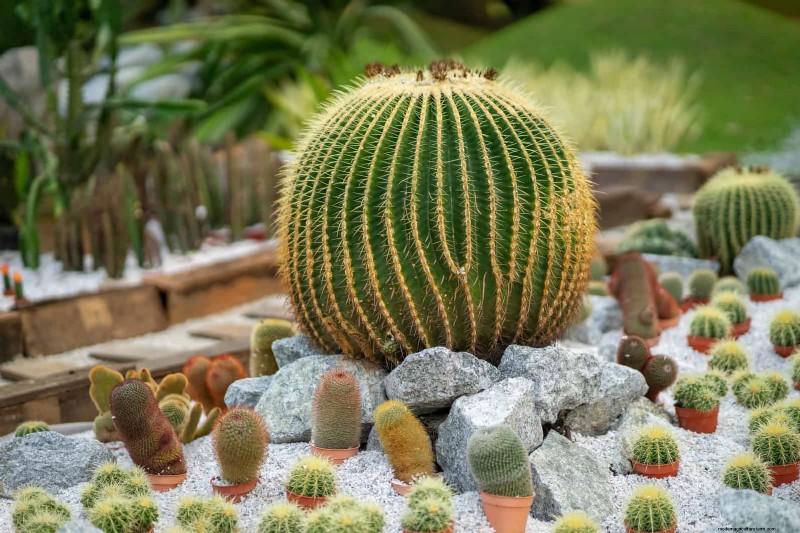
Plants have evolved sophisticated systems to cope with heat. Transpiration, the evaporation of water through leaf pores called stomata, functions as the plant’s natural cooling system. This process works like human sweating, releasing heat as water changes from liquid to vapor form.
Some plants produce volatile oils during hot weather, creating a cooling vapor layer around leaf surfaces. Eucalyptus and herbs like rosemary employ this strategy. Many desert plants have developed specialized photosynthesis methods to keep stomata closed during hot daylight and perform most gas exchange at night when temperatures drop. This adaptation dramatically reduces water loss while allowing the plant to produce energy. Understanding these natural cooling systems helps gardeners select plants with built-in heat resilience.
 Depositphotos
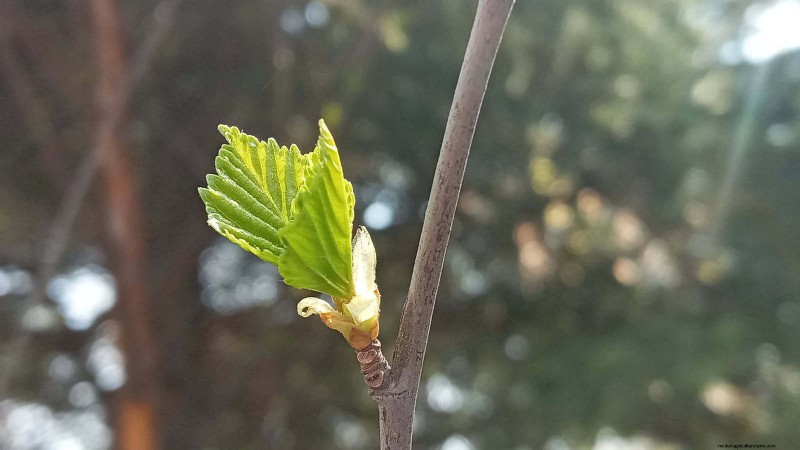
Proper recovery care makes all the difference when heat damage occurs despite your best prevention efforts. Resist the urge to prune heat-damaged foliage immediately. Those partially damaged leaves still produce energy for the plant and provide shade for lower growth. Wait until new growth emerges before removing damaged portions.
Provide consistent moisture during recovery, but avoid fertilizing heat-stressed plants. The nitrogen in fertilizers stimulates new growth that the weakened plant may be unable to support. A light application of seaweed extract can help plants recover without forcing excessive new growth. Move container plants to locations with bright, indirect light rather than full sun until they show signs of recovery. For garden beds, temporary shade devices help create gentler conditions during recovery.
 Depositphotos
As climate patterns shift toward more frequent and intense heat events, garden planning requires long-term adaptation strategies. Consider redesigning garden layouts to take advantage of building shade or establishing trees and large shrubs that will eventually create cooling microclimates for more sensitive plants.
Build organic matter to improve water retention and promote beneficial soil biology that helps plants withstand stress. Gradually shift plant selections toward more heat-tolerant varieties, particularly for long-lived perennials and woody plants representing significant investments. Experiment with planting times that avoid vulnerable growth stages coinciding with your region’s typical heat peaks. These proactive approaches build garden resilience against today’s heat challenges and the more extreme conditions anticipated in coming years.
 Depositphotos
Creating a heat-resilient garden requires understanding plant needs and working with nature rather than against it. Regular observation helps you recognize subtle stress signals before significant damage occurs. Take note of which garden areas heat up first and which retain heat longest throughout the day and season.
The most successful heat-resistant gardens embrace diversity, mixing plants with different survival strategies creates mutual support systems. Deep-rooted trees pull water from lower soil levels, while ground covers shade the soil and reduce evaporation. Some plants serve as natural indicators, wilting early to signal rising stress levels before damage affects their less sensitive neighbors. By working with these natural relationships and staying attentive to the subtle language of plants under pressure, you can maintain a thriving garden even as temperatures climb to challenging levels.


