
Welcome to Modern Agriculture!

 Depositphotos
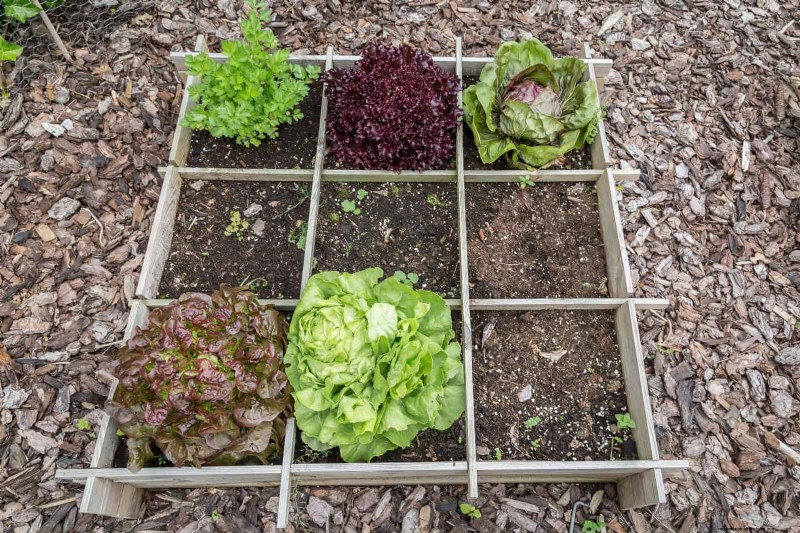
Are you tired of battling your soil with shovels and tillers? Healthy soil contains complex networks of microorganisms, fungi, and nutrients that function best when undisturbed.
These delicate ecosystems develop over centuries but can be destroyed in minutes with traditional digging and tilling. No-dig gardening works with nature instead of against it by mimicking natural processes where plants grow and decompose on the surface.
This approach gradually builds rich soil while preserving the existing structure. You’ll enjoy more abundant harvests with significantly less physical labor while nurturing the hidden life beneath your feet.
 Depositphotos
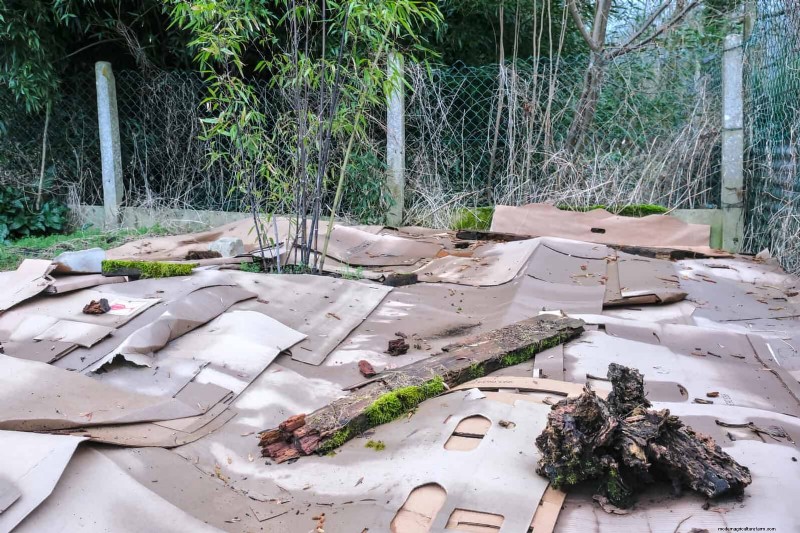
Lasagna gardening creates rich, no-dig beds through strategic layering of organic materials. Start with cardboard or newspaper directly on grass or weeds, then alternate “green” nitrogen-rich layers (kitchen scraps, coffee grounds, fresh grass clippings) with “brown” carbon-rich layers (fallen leaves, straw, shredded paper).
Each layer should be 2 to 3 inches thick, building up to a total height of 18 to 24 inches. The magic happens as these materials break down over several months, creating nutrient-dense soil without disturbing existing soil structure.
Worms and microorganisms thrive in this environment, creating natural aeration channels. You can plant immediately by creating small pockets of compost within your layers for seedlings, or let the bed decompose for a season before planting.
 Shutterstock
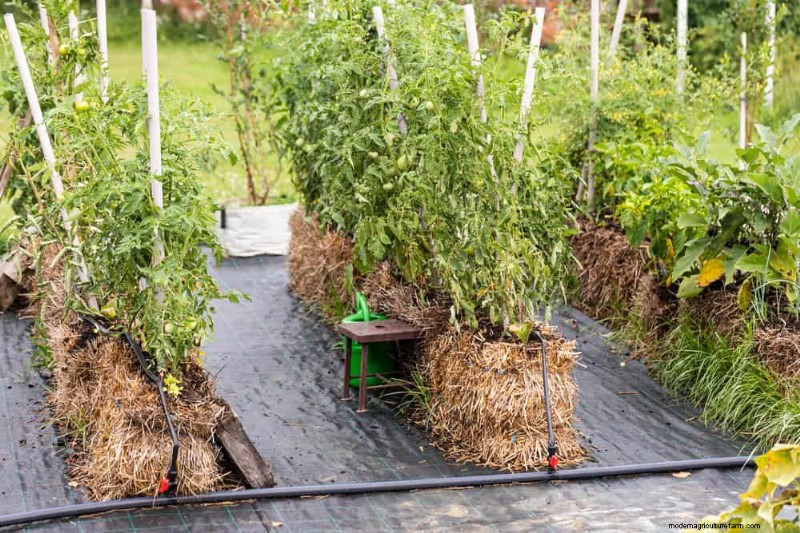
Straw bale gardening creates instant raised beds without digging or building permanent structures. Begin by conditioning straw bales with high-nitrogen fertilizer and water for about two weeks until decomposition begins.
The interior of the bale heats up during this process, creating the perfect growing medium. Once temperatures cool down, add a layer of compost on top. Plant directly into the bales by creating small pockets for seeds or transplants.
The decomposing straw provides nutrients while maintaining excellent drainage and aeration. This method works exceptionally well for growing vegetables in areas with poor soil. At season’s end, the partially decomposed bales can be added to compost piles or used as mulch in other garden areas.
We'll email it to you so you can read it later!
By saving, you agree to receive occasional emails. Unsubscribe anytime.
 Depositphotos
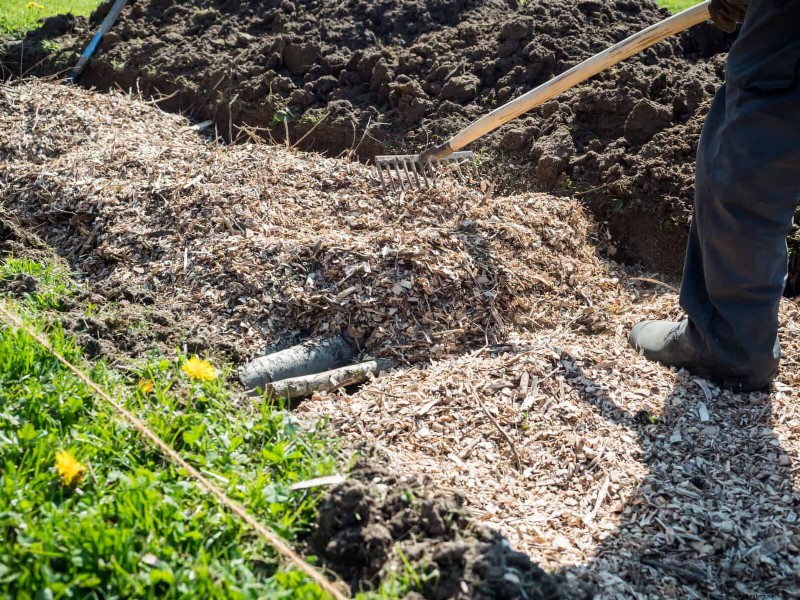
Hugelkultur creates self-fertilizing raised beds using buried wood as their foundation. Start by arranging logs and branches on the ground surface, then cover with smaller woody debris, leaves, grass clippings, and finally a layer of soil or compost.
The resulting mound stands about 3 feet tall and gradually settles as materials decompose. As the wood breaks down slowly over the years, it releases nutrients while retaining moisture like a sponge. These mounds require almost no watering after establishment.
The decomposition process also generates slight warmth, extending your growing season. Plants with different root depths can access varying nutrients as the wood decomposes, creating a diverse growing environment without ever disturbing native soil.
 Depositphotos
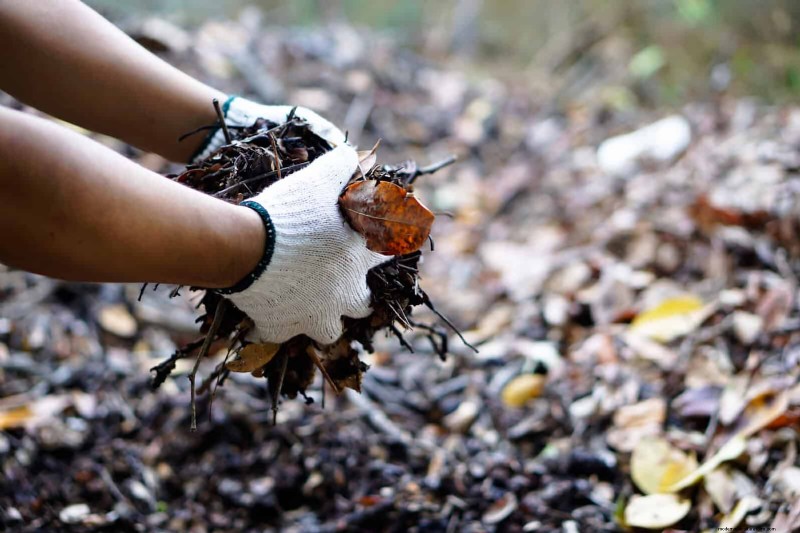
Leaf mold beds utilize autumn’s bounty to create nutrient-rich growing areas without digging. Collect fallen leaves and shred them (running over with a lawn mower works well) before piling them 12 to 24 inches deep in your designated garden area.
The smaller pieces break down faster and resist blowing away. Moisten thoroughly and cover with a tarp to retain moisture. After 6 to 12 months, these leaves transform into dark, crumbly leaf mold with a pleasant earthy smell. This material makes an excellent growing medium that retains moisture while improving soil structure.
For faster results, add a nitrogen source like grass clippings or a light dusting of blood meal to accelerate decomposition. The resulting beds support healthy plant growth, fostering beneficial fungi networks that enhance nutrient uptake.
 Depositphotos
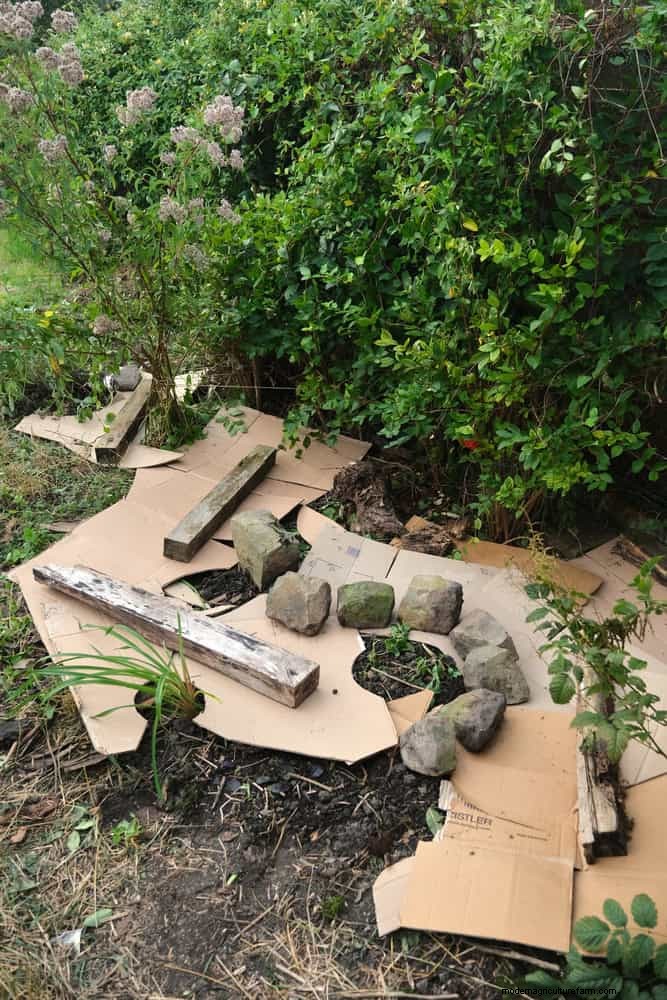
Cardboard sheet mulching offers an effective way to convert a lawn into garden beds without digging. Lay overlapping cardboard sheets directly on grass, ensuring no gaps where weeds could emerge. Remove all tape and staples first.
Thoroughly wet the cardboard to initiate decomposition and prevent it from blowing away. Cover with 3 to 4 inches of compost or mulch. This method smothers existing vegetation while providing a perfect habitat for earthworms, which will naturally incorporate the decaying cardboard into the soil below.
The cardboard gradually breaks down over 4 to 6 months, adding carbon to the soil. Many gardeners plant immediately by cutting small holes through the cardboard for transplants, allowing plants to establish while weeds remain suppressed.
 Depositphotos
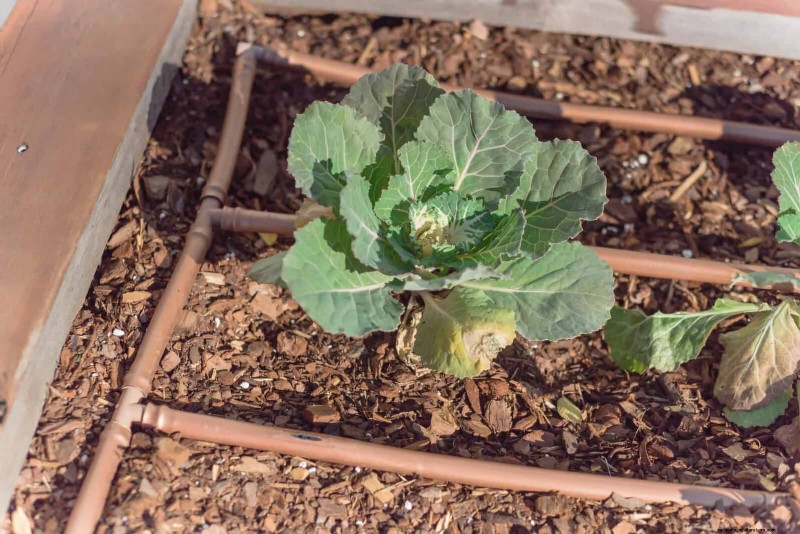
Mulch gardening creates fertile growing conditions by mimicking forest floor processes. Spread a 4 to 6-inch layer of organic mulch, such as wood chips, straw, or leaf litter, over your garden area.
As these materials break down, they feed soil organisms that build structure naturally. The mulch layer also moderates soil temperature and prevents moisture loss. This approach naturally suppresses weeds while eliminating the need for tilling.
Plant directly by moving mulch aside to create small planting pockets filled with compost. The decomposing mulch gradually transforms into rich humus that improves soil structure. Fresh mulch can be added annually without disturbing the developing soil ecosystem.
 Depositphotos
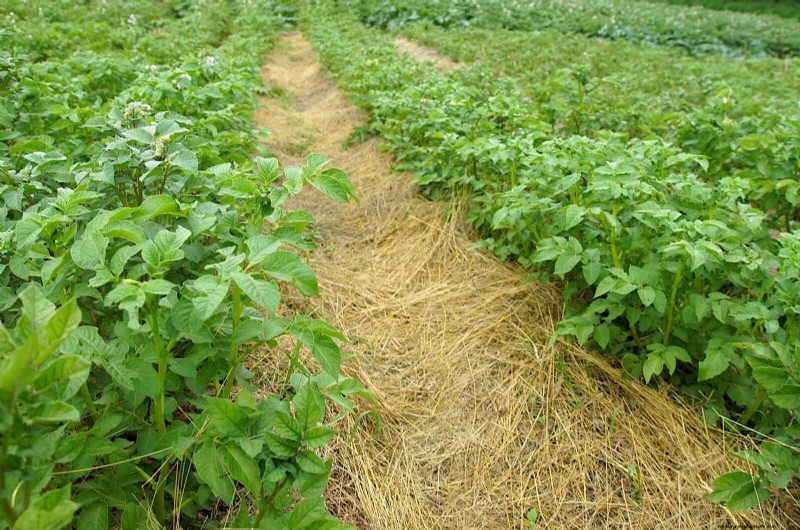
The Ruth Stout method simplifies gardening through deep hay mulching. Cover your garden area with 8 to 12 inches of loose hay or straw. No soil preparation or removal of existing vegetation needed. The thick mulch smothers weeds while gradually decomposing to feed the soil.
Plant by creating small openings in the hay and adding a handful of compost. This approach dramatically reduces watering needs while eliminating almost all weeding.
The decomposing hay creates a perfect environment for earthworms and beneficial soil microbes. As the bottom layers break down, add more hay to maintain depth. This continuous mulching creates increasingly fertile soil without ever turning or disturbing it.
 Depositphotos
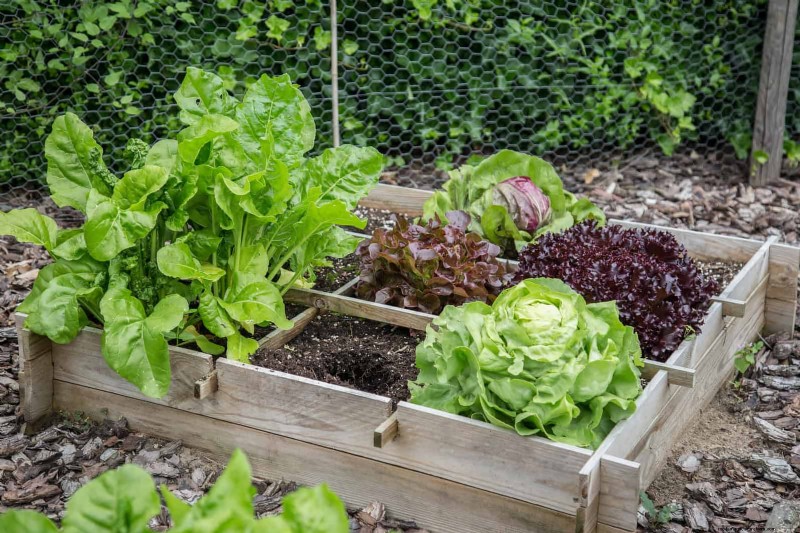
Square foot gardening maximizes productivity in small spaces without digging existing soil. Create raised frames filled with a specialized growing medium called “Mel’s Mix” (equal parts compost, peat moss, and vermiculite).
The frames sit directly on the ground, and the growing medium provides all necessary nutrients without accessing the soil below. This method organizes plants in square-foot sections, with specific spacing guidelines for different crop types.
The grid system ensures efficient use of space while preventing soil compaction. Plants thrive in the lightweight, fertile mix, while beneficial organisms gradually migrate upward from undisturbed soil beneath. The growing medium perfectly retains moisture while providing excellent drainage.
 Depositphotos
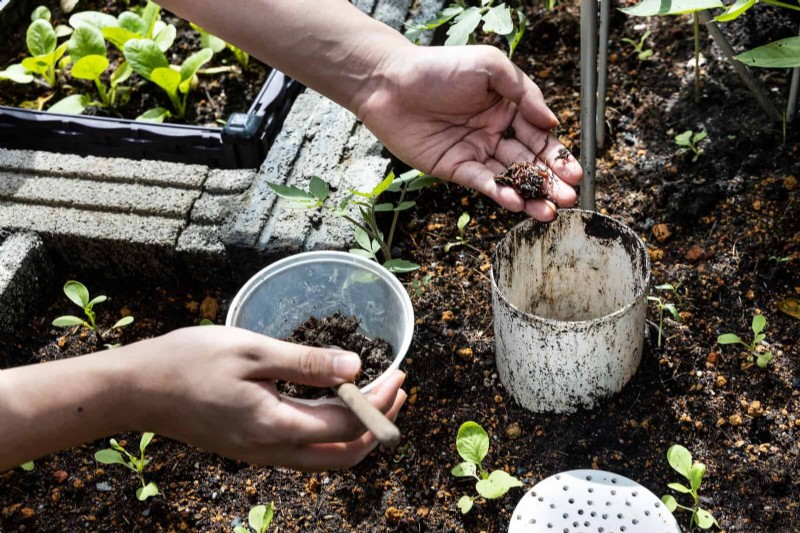
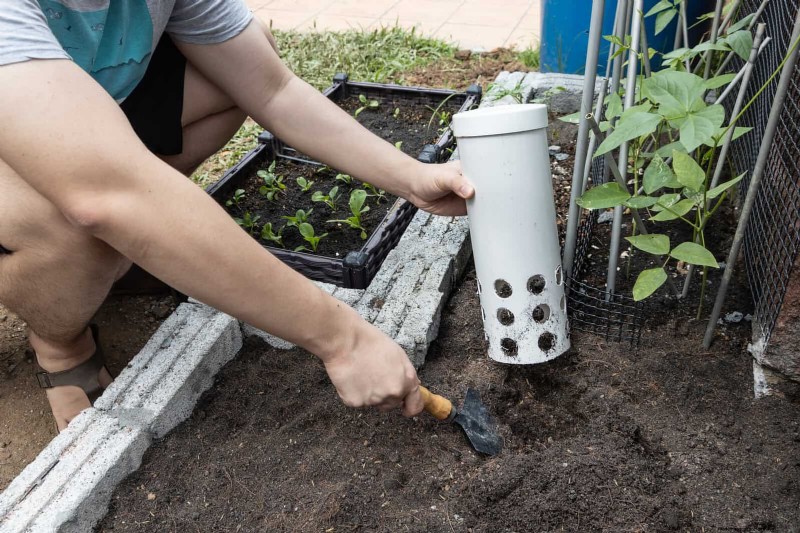
Worm tower gardens harness worm power to improve soil without digging. Insert a large diameter PVC pipe vertically into your garden bed, with numerous holes drilled in the buried portion. The pipe extends slightly above soil level and has a removable cap.
Add kitchen scraps and a starter population of composting worms to the pipe. The worms process the food scraps and travel in and out through the holes, depositing nutrient-rich castings throughout the surrounding soil. This creates fertile zones that expand outward from the tower.
Plant in circles around the tower to take advantage of this natural fertilization system. Multiple towers can support larger garden areas, all while preserving existing soil structure.
 Popolon, CC BY-SA 4.0, via Wikimedia Commons
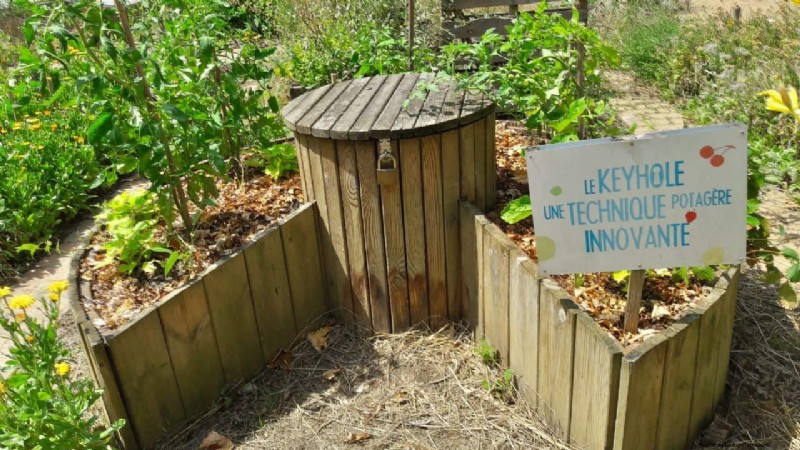
Keyhole gardens feature a unique circular design with a central composting basket that continuously feeds surrounding plants. Build a waist-high circular wall using stones, bricks, or other available materials. Leave a narrow access path to the center where a composting cage stands.
Fill the growing area with alternating layers of browns and greens, similar to lasagna gardening. The composting basket receives kitchen scraps and water, which leach nutrients to nearby plants.
This self-sustaining system requires minimal maintenance while preserving soil structure. The raised design eliminates bending and digging. Plants growing around the keyhole opening benefit from consistent nutrition and moisture from the central composting unit.
 Depositphotos
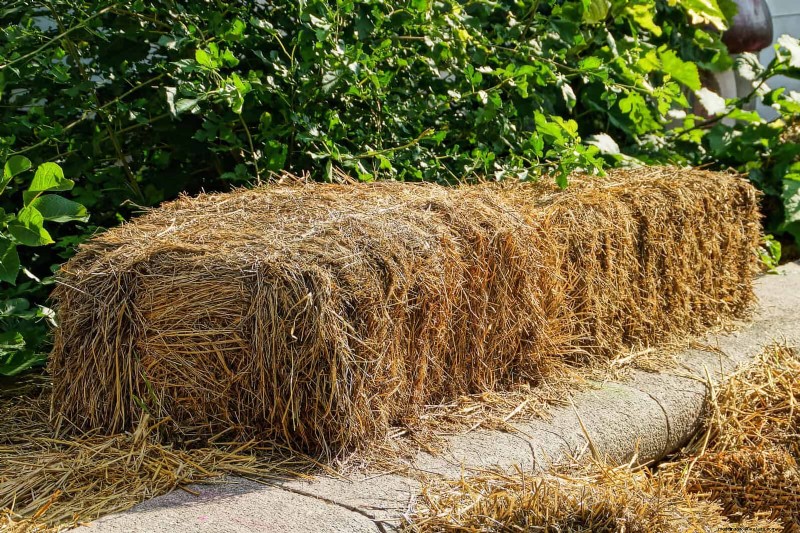
Hay bale cold frames create protected growing spaces without soil disturbance. Arrange straw or hay bales in a rectangle with an old window or clear plastic sheeting as a lid. The decomposing hay generates heat while providing an elevated growing surface.
Place a layer of compost directly on the ground inside your hay bale rectangle. This method extends your growing season by capturing solar energy while plants benefit from the gradual decomposition of the hay bales. The elevated sides protect tender plants from wind and cold.
When the bales eventually break down, they can be spread as mulch, improving soil without digging. This approach works particularly well for starting early spring crops.
 Depositphotos
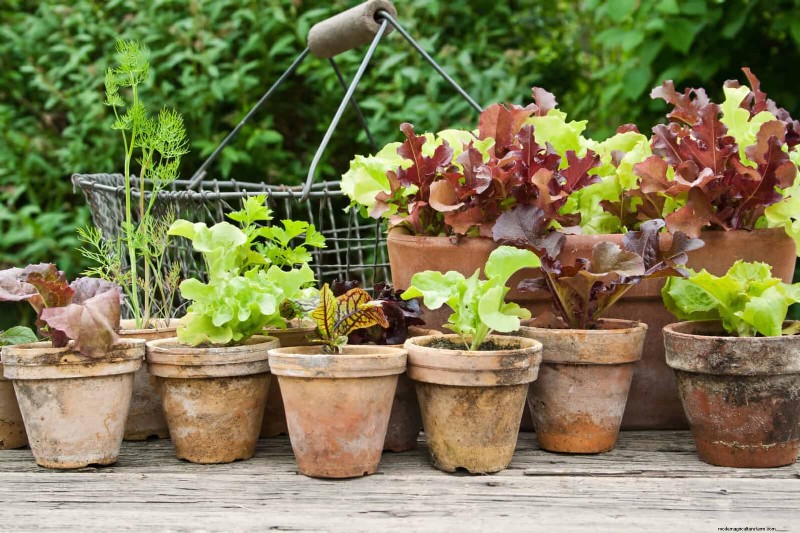
Container garden networks create integrated growing systems above existing soil. Arrange containers of various sizes in clusters, considering companion planting relationships. To reduce maintenance, use self-watering containers when possible.
Connect containers using wicking systems made from cotton rope to share moisture between plants with different water needs. This approach preserves soil structure completely while creating new growing spaces. Position containers strategically to capture sunlight while providing shade where needed.
The spaces between containers can be filled with wood chips or other mulch to suppress weeds and create habitat for beneficial insects. Containers can be rearranged seasonally to optimize growing conditions.
 Depositphotos
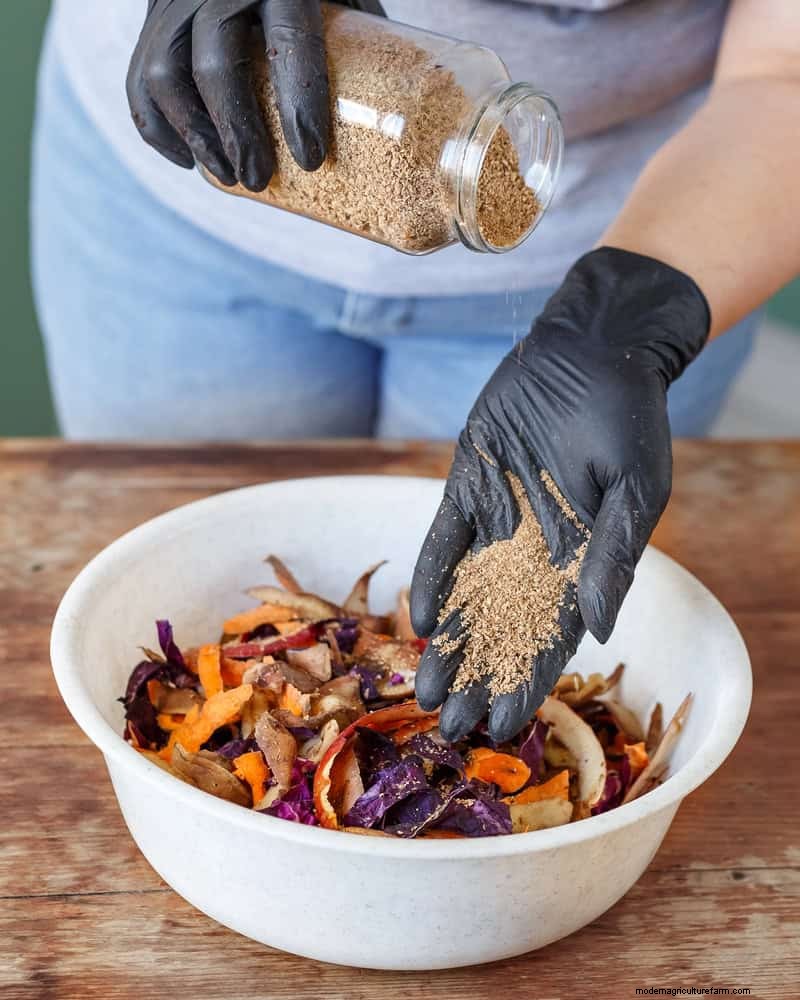
Bokashi soil enrichment uses fermented organic matter to boost soil fertility without digging. This Japanese method pre-composts kitchen waste (including meat and dairy) using special microbes in an airtight container.
After fermenting for 2 weeks, bury the material in shallow trenches between plants or in designated areas of your garden. The pre-fermented material breaks down rapidly without attracting pests. Move the mulch aside, place the bokashi material in a shallow depression, and cover again.
The surrounding soil ecosystem quickly incorporates these nutrients without disruption to structure. This method allows efficient kitchen waste recycling while building soil fertility through additions rather than mixing.
 Depositphotos
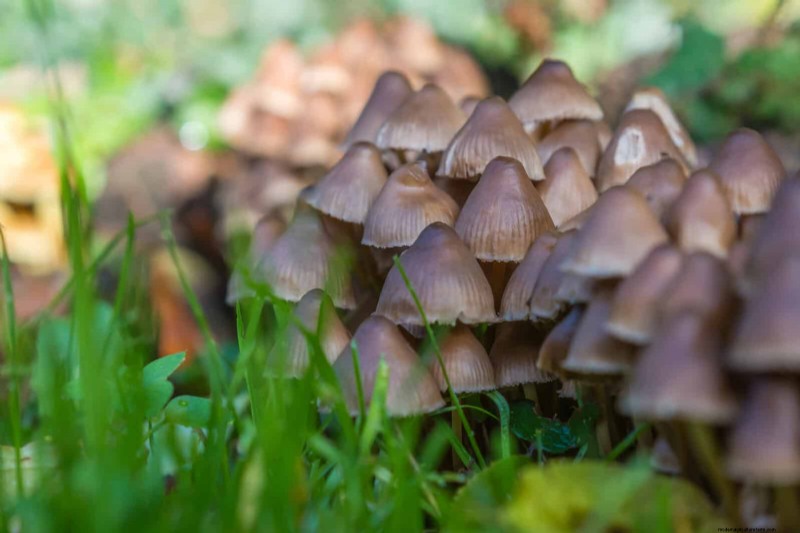
Fungal network gardening enhances soil biology through mycorrhizal relationships. Begin by inoculating your garden area with beneficial fungi spores, available as commercial products or by adding healthy forest soil.
Apply a thin layer of woody mulch to encourage fungal growth. Avoid any soil disturbance that would damage these delicate networks. Plants form symbiotic relationships with these fungi, extending their effective root systems up to 700 times.
The fungi exchange nutrients and water for plant sugars, creating an underground internet that transfers information between plants. This approach mimics natural forest systems where undisturbed fungal networks support diverse plant communities through shared resources.
 Depositphotos
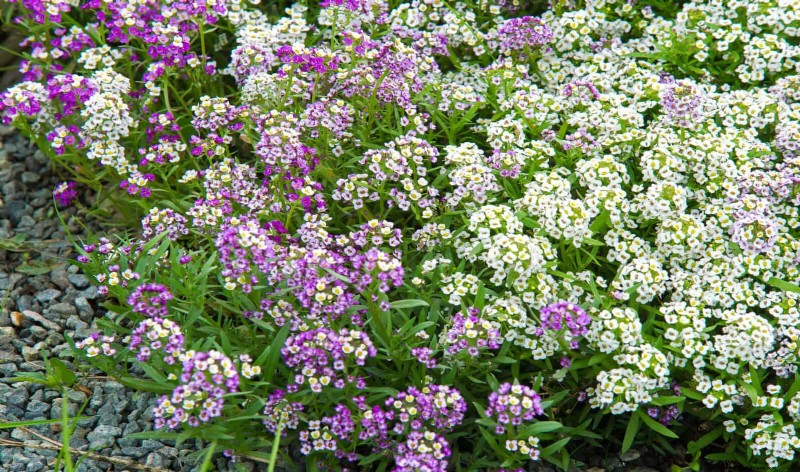
Living mulch systems protect soil by using low-growing plants instead of traditional mulches. Plant shallow-rooted ground covers like white clover, creeping thyme, or sweet alyssum between main crops.
These living mulches suppress weeds, retain moisture, and add organic matter through natural leaf drop and root growth. Many also attract beneficial insects. This approach builds soil from the top down through continuous small additions of organic matter.
The living root systems improve soil structure while preventing erosion. Legume living mulches like clover fix nitrogen from the air, fertilizing surrounding plants naturally. When main crops are harvested, the living mulch protects and builds soil until the next planting season.
 Depositphotos
No-dig gardening represents a partnership with nature rather than an attempt to control it. These methods demonstrate that we can grow abundant food and beautiful landscapes while respecting the complex soil ecosystems developed over millennia.
The soil food web, from microscopic bacteria to visible earthworms, functions best when left intact. Each approach fits different situations and preferences while sharing the fundamental principle of adding materials on top rather than mixing them.
By layering organic matter that gradually breaks down, you’ll create increasingly fertile growing conditions year after year. Your garden becomes more self-sustaining each season as natural processes take over the work you once did with a shovel.


