
Welcome to Modern Agriculture!

 Depositphotos
Navigating HOA rules can feel like walking through a garden maze without a map. Those neighborhood guidelines that seemed simple when you bought your home can suddenly feel restrictive when trying to express your personality through your landscape.
Many homeowners find themselves unwittingly breaking rules they didn’t even know existed. Understanding what might violate your HOA regulations before you invest time and money in garden features can save you from frustrating disputes and potential fines.
From vegetable gardens to decorative sculptures, seemingly innocent additions might put you at odds with community standards. Let’s explore the common garden elements that could be crossing the line in your HOA-governed neighborhood.
 Depositphotos
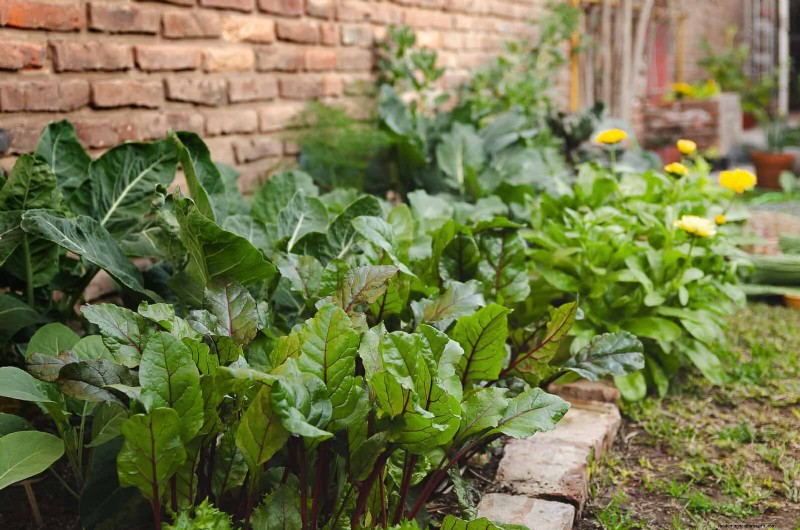
That dream of harvesting fresh tomatoes (Solanum lycopersicum) and zucchini (Cucurbita pepo) from your front yard might clash with HOA aesthetics. Many associations consider vegetable gardens too informal for front yards, where they prioritize a manicured, consistent neighborhood appearance.
The changing seasons can leave some vegetable plots bare or untidy during certain months. Before tilling the soil, check your HOA’s specific regulations about edible landscaping.
Some more progressive associations allow front yard vegetables if they’re incorporated into decorative landscaping or contained in raised beds with clean edges.
Consider compromise solutions like ornamental vegetables such as rainbow chard (Beta vulgaris) or purple cabbage (Brassica oleracea), which offer both beauty and function.
 Depositphotos
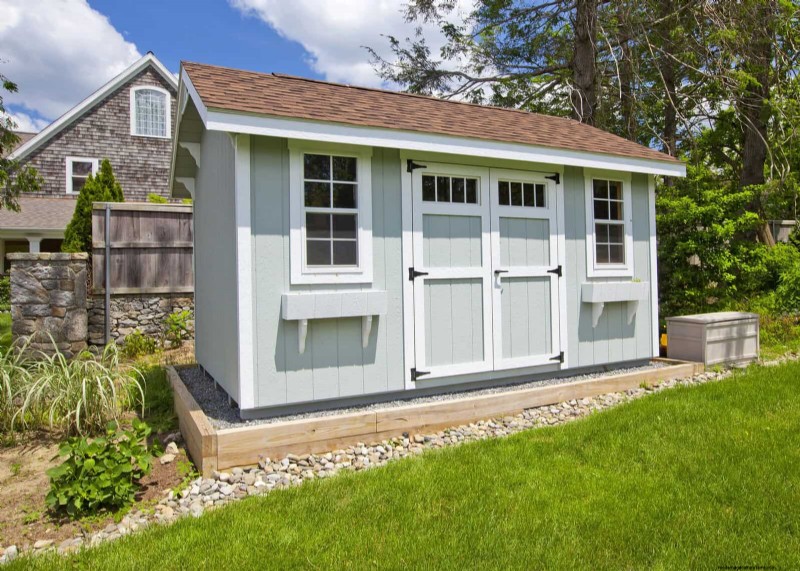
Garden sheds provide essential storage for tools and supplies, but their permanent nature makes them a common target for HOA scrutiny. Many associations have strict shed size, materials, colors, and placement guidelines.
That charming cedar shed you spotted online might violate rules requiring outbuildings to match your home’s architectural style. Before purchase, submit detailed plans to your HOA board, including dimensions, materials, color samples, and proposed location.
Some associations permit sheds only if screened from street view by fencing or strategic plantings like arborvitae (Thuja occidentalis). Exploring partially buried or decorative storage solutions might offer alternatives that don’t trigger the “outbuilding” classification in HOA documents.
We'll email it to you so you can read it later!
By saving, you agree to receive occasional emails. Unsubscribe anytime.
 Depositphotos
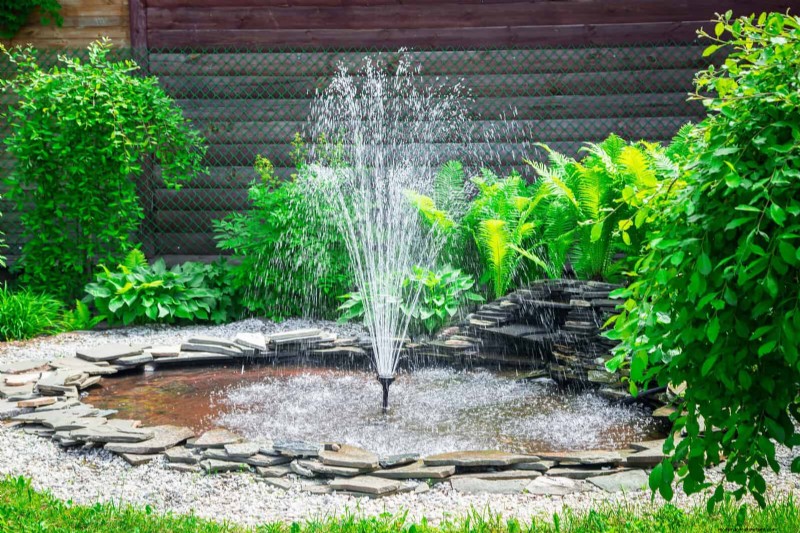
The soothing sound of tumbling water from a fountain or waterfall can transform your garden into a peaceful retreat. However, many HOAs limit the height of water features, typically restricting them to 3 to 4 feet.
Taller water features might block sightlines or create visual disruptions to the neighborhood aesthetic. Consider lower-profile options like bubbling urns, small reflection pools, or stream-like features that stay closer to ground level while still providing the sensory pleasures of moving water.
The gentle gurgle of a small recirculating fountain can mask neighborhood noise without towering above your plantings. Some HOAs also have specific rules about water feature lighting, so check those regulations if you plan evening illumination.
 Depositphotos
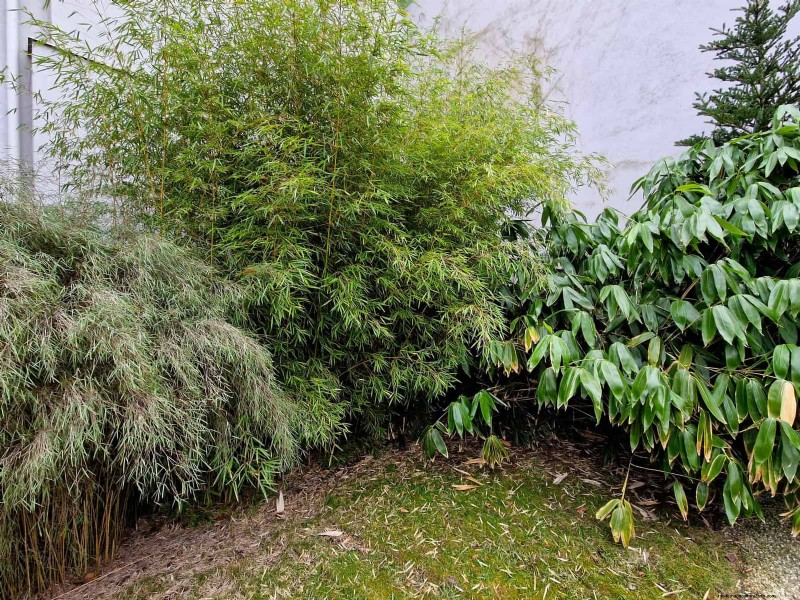
That exotic bamboo (Phyllostachys spp.) might create the perfect privacy screen, but many HOAs restrict non-native species, especially those with invasive tendencies.
Running bamboo varieties can quickly spread beyond your property lines, while plants like English ivy (Hedera helix) or purple loosestrife (Lythrum salicaria) can escape into natural areas and disrupt ecosystems.
Focus on native alternatives that offer similar aesthetic qualities without the ecological concerns. Instead of invasive Japanese barberry (Berberis thunbergii), consider the native highbush blueberry (Vaccinium corymbosum), which offers beautiful fall color, spring flowers, and edible summer fruits.
Native plants typically require less water and maintenance while supporting local pollinators and wildlife, making them HOA-friendly and environmentally responsible.
 Depositphotos
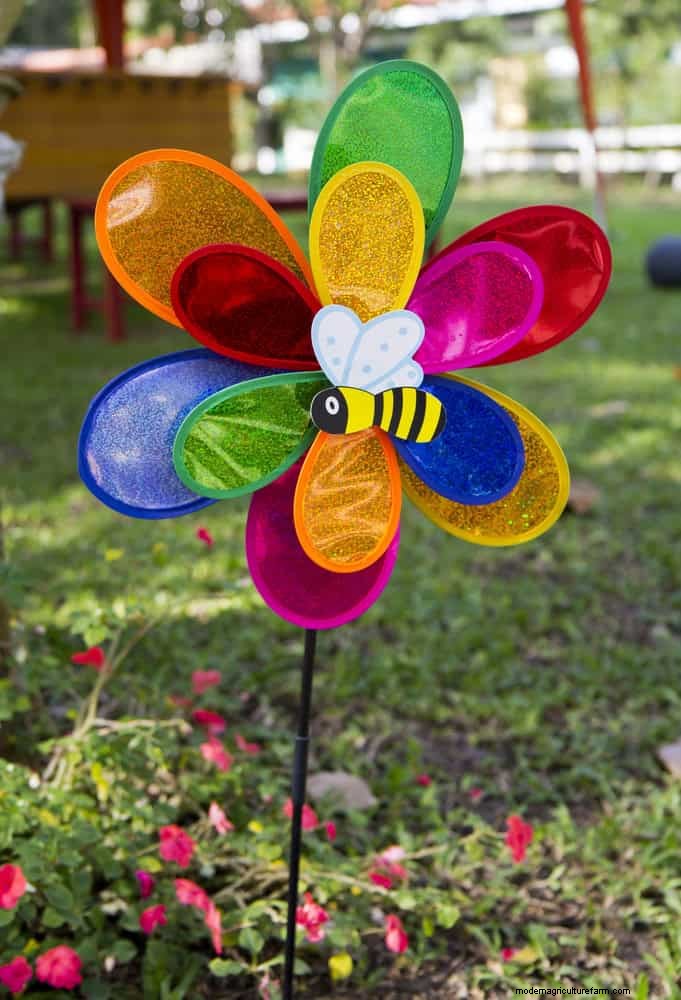
Those cheerful garden gnomes, colorful pinwheels, and quirky animal statues might express your personality, but many HOAs limit the number and type of ornaments allowed.
What you see as charming garden accents might be viewed by your association as clutter that detracts from neighborhood property values and aesthetic consistency.
Review your HOA documents for specific guidelines on decorative elements. Many associations limit ornaments to a certain number per yard or restrict them to backyards only.
Consider focusing on less-quality decorative elements that complement your landscaping rather than dominating it. Architectural elements like stone columns, trellises, or a single focal-point sculpture might satisfy your creative urge while staying within guidelines.
 Depositphotos
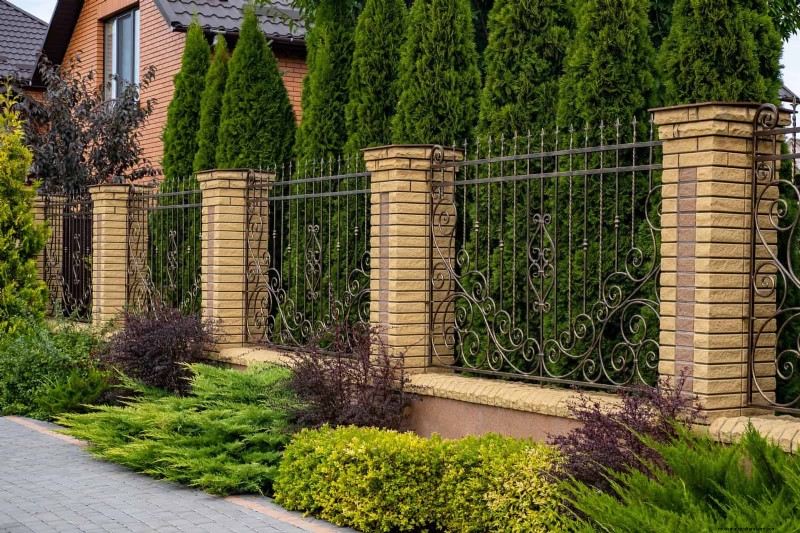
Creating a natural green barrier with arborvitae (Thuja occidentalis) or privet (Ligustrum spp.) might seem like the perfect privacy solution. Still, many HOAs restrict hedge height to 6 feet or less.
Tall hedges can block views, create shadows on neighboring properties, and alter the open feeling many planned communities try to maintain. Check your association’s specific height restrictions before investing in privacy plantings.
Consider alternatives like strategic placement of shorter shrubs, ornamental grasses like feather reed grass (Calamagrostis x acutiflora) that provide seasonal screening, or architectural elements like pergolas with climbing plants. Some HOAs allow taller plantings in backyard areas while maintaining stricter front yard height limits.
 Depositphotos
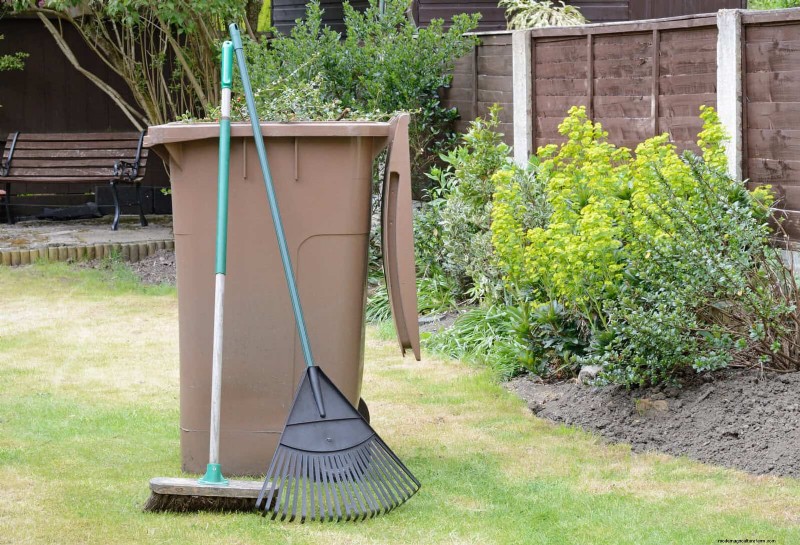
Composting kitchen scraps and yard waste is environmentally responsible, but that black plastic bin or wooden compost structure might violate HOA rules if visible from common areas.
Many associations consider compost bins utilitarian items that should be screened from view, similar to trash cans and recycling containers. Look for solutions that hide your composting efforts while maintaining functionality.
Decorative bins designed to look like stone features, compost tumblers that resemble garden sculptures, or traditional bins screened by strategic plantings of aromatic herbs like rosemary (Rosmarinus officinalis) can keep your sustainable practices going without HOA conflicts.
Some homeowners succeed with indoor vermicomposting systems that eliminate outdoor bin concerns.
 Depositphotos
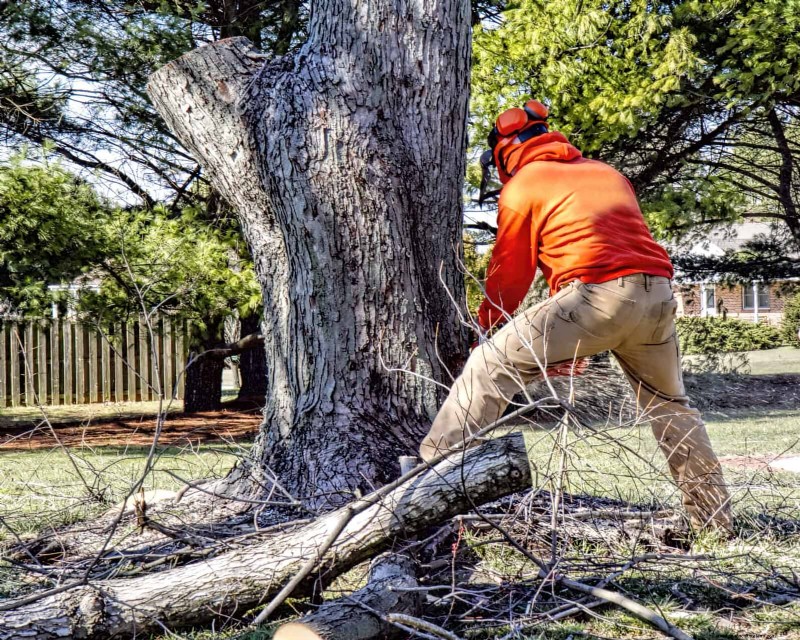
That aging oak (Quercus spp.) dropping branches on your roof might seem like an obvious removal candidate. Still, many HOAs require approval before any tree over a specific diameter can be cut down.
Mature trees contribute significantly to neighborhood character, property values, and environmental quality, making them protected assets in many communities.
Always submit formal requests before removing trees, even dead or damaged ones. If applicable, include arborist reports documenting safety concerns. Many associations require replacement plantings when removals are approved.
Consider consulting with a certified arborist about pruning options that might address safety concerns while preserving the tree. Some HOAs have specific lists of approved replacement species if removal is permitted.
 Depositphotos
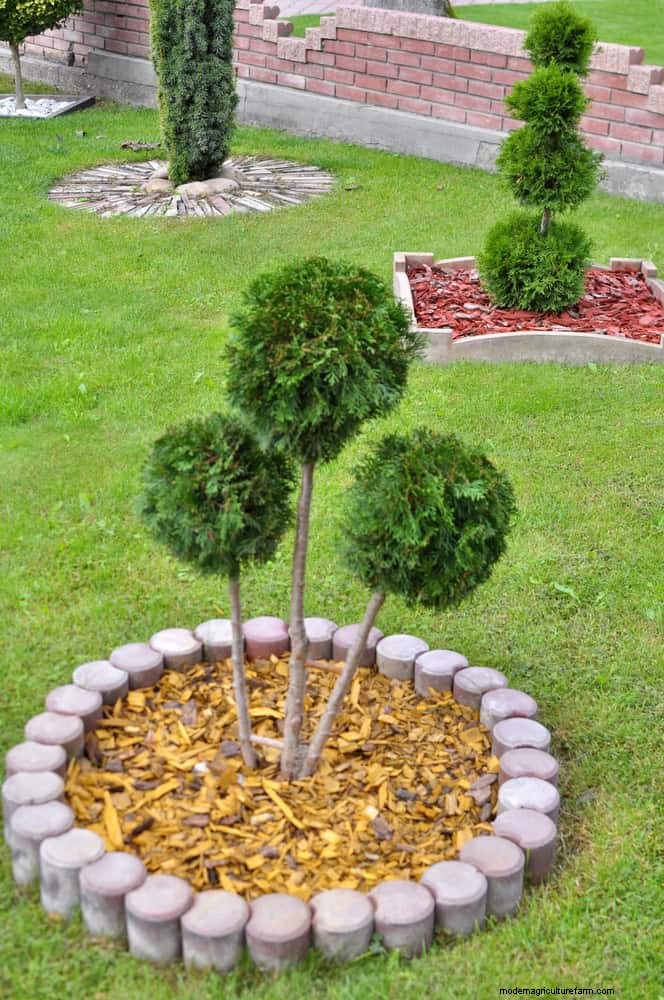
Creative edging using repurposed materials like wine bottles, colorful stones, or decorative concrete molds might express your style, but many HOAs restrict edging to approved materials and heights.
That Pinterest-inspired bottle border might violate rules requiring natural stone, commercial edging products, or materials matching your home’s exterior.
Before installation, review your community’s design guidelines for specific edging restrictions. Many associations approve natural stone, commercial metal edging, or brick that complements your home’s architectural style.
Consider submitting a variance request with detailed plans and material samples if you’re seeking something distinctive. Sometimes, slightly modifying your creative vision can bring it into compliance while still satisfying your design goals.
 Depositphotos
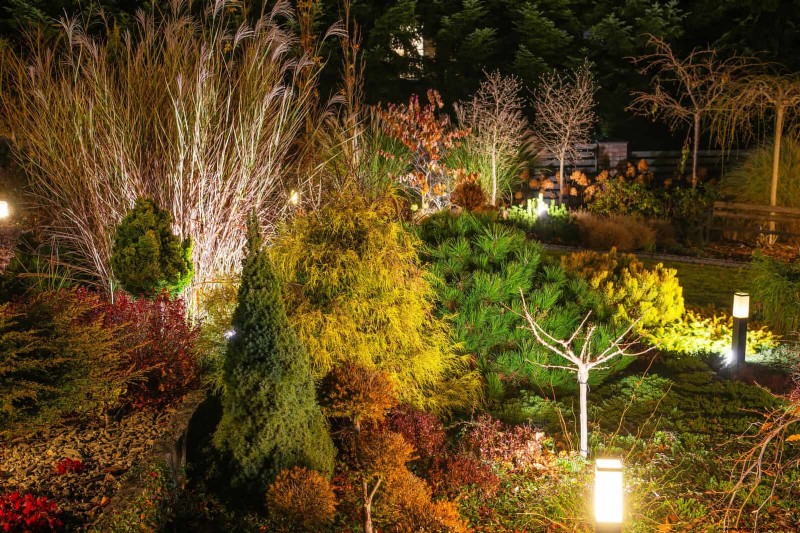
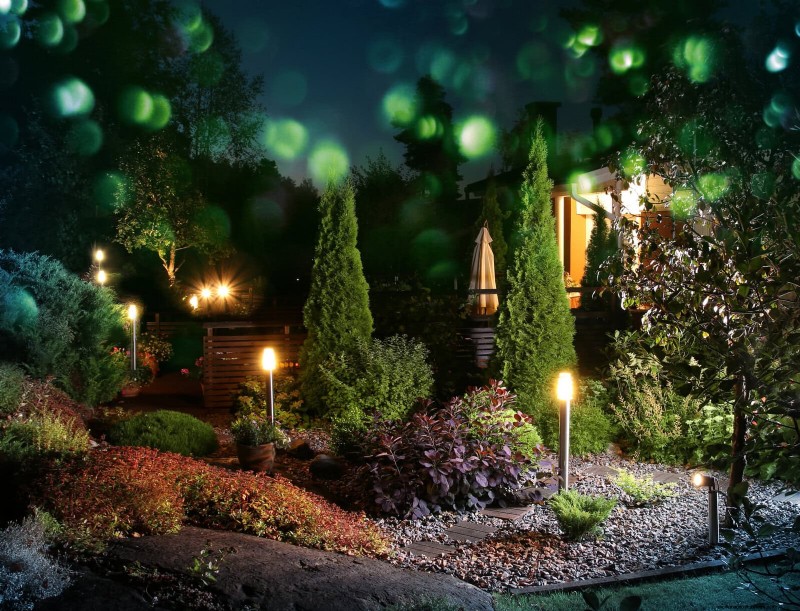
Evening garden illumination enhances outdoor enjoyment and security, but bright spotlights, colorful LED displays, or excessive pathway lighting might violate HOA lighting restrictions.
Many associations limit the brightness, direction, and sometimes even the color temperature of outdoor lighting to prevent glare affecting neighbors and preserve the neighborhood’s nighttime atmosphere.
Look for low-voltage lighting systems with shielded fixtures that direct light downward rather than outward or upward. Warm white lights (2700-3000K) typically appear less harsh than cooler LED options.
Solar pathway lights emitting a gentle glow rather than bright beams often pass HOA scrutiny while providing safety illumination. Intelligent lighting systems that automatically dim or shut off at designated hours can also help address potential neighbor complaints.
 Depositphotos
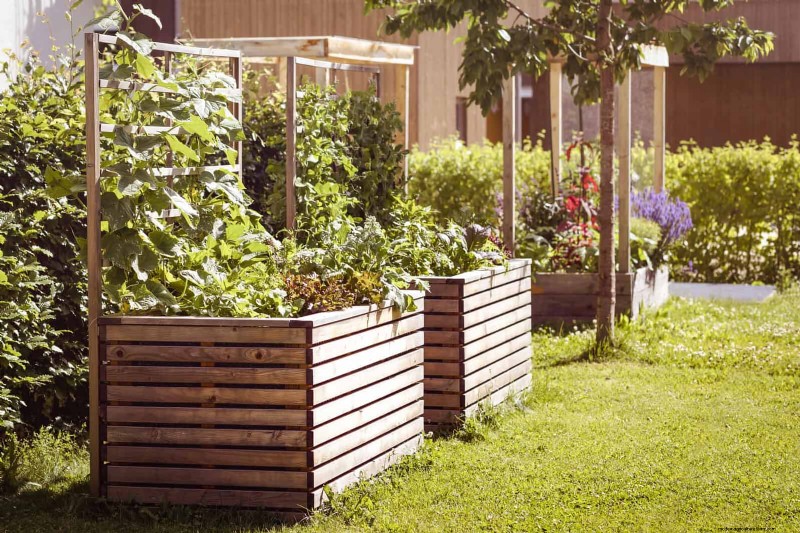
Elevated planting beds offer better drainage and ergonomic gardening, but their structural nature often triggers HOA landscaping rules. Many associations restrict where raised beds can be placed, limiting them to backyards or areas not visible from the street.
The materials used for construction might also face scrutiny, with some HOAs prohibiting certain woods, concrete blocks, or metal edging. Before building, check your association’s specific guidelines on hardscape elements.
Some HOAs approve raised beds in front yards if constructed from high-quality materials like natural stone that complement the home’s architecture.
Consider incorporating permanent raised beds into the overall landscape plan with complementary plantings. In restrictive communities, fabric grow bags or decorative containers might provide the benefits of raised gardening without triggering structural concerns.
 Depositphotos
Drought-resistant synthetic grass might seem like the perfect low-maintenance lawn solution, but many HOAs strictly regulate or prohibit artificial turf.
Some associations require natural grass only because of concerns about appearance, heat retention, drainage issues, and property values, particularly in front yards where uniformity is often prioritized.
If you’re considering artificial turf, request your HOA’s policies before investing. Some associations have approved certain high-quality synthetic products that closely mimic natural grass, especially in drought-prone regions.
Explore drought-tolerant natural alternatives like buffalo grass (Bouteloua dactyloides) or fine fescue blends for low-water lawns if artificial turf is prohibited. Some HOAs permit synthetic turf in backyard areas while maintaining natural grass requirements for front lawns.
 Depositphotos
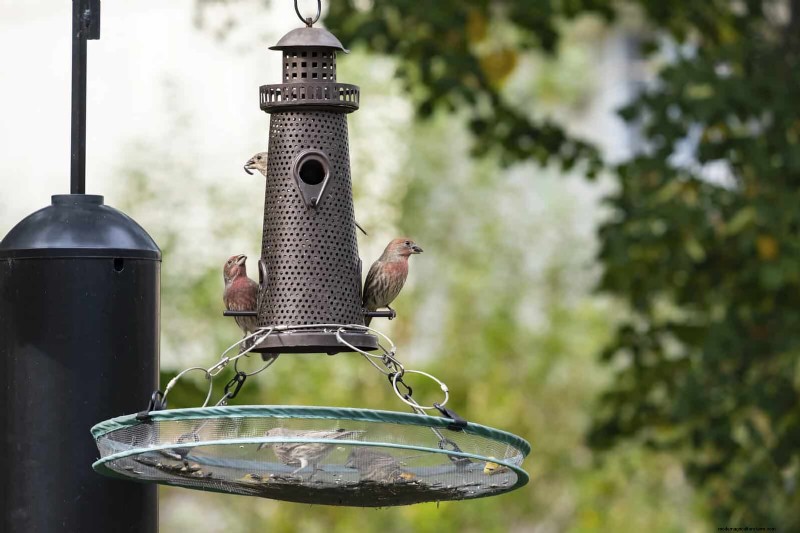
Creating backyard wildlife sanctuaries with bird feeders, butterfly puddles, and bee houses supports local ecosystems, but these features often trigger HOA restrictions.
Many associations limit wildlife features due to concerns about attracting unwanted wildlife, such as rodents, increasing pest problems, or creating unsightly areas. Bird feeders face scrutiny due to seed scatter and the potential to attract unwanted wildlife.
Review your HOA documents for specific wildlife feature guidelines before installation. Many associations allow limited bird feeders if they’re well-maintained and positioned away from neighbors’ properties.
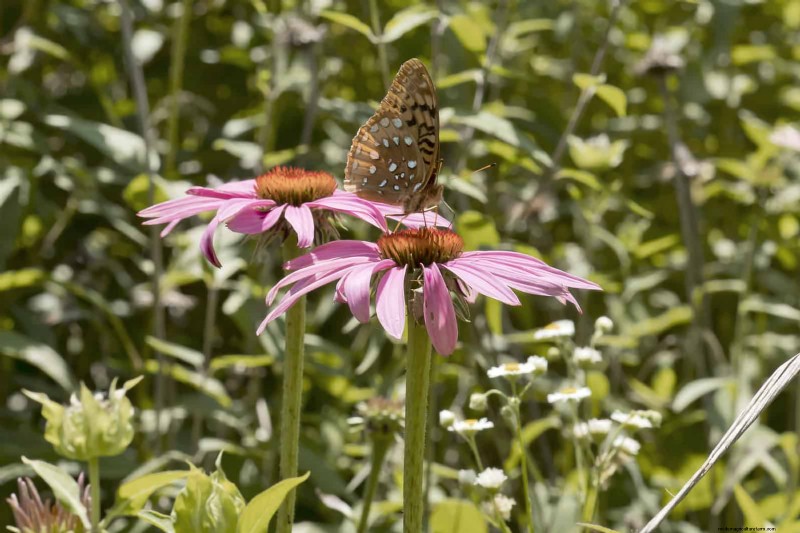
Consider habitat-supporting plantings like coneflowers (Echinacea purpurea) and black-eyed susans (Rudbeckia hirta), naturally attracting pollinators without requiring structural additions.
Some HOAs permit certified wildlife habitat gardens if they maintain a manicured appearance, so exploring National Wildlife Federation certification requirements might provide acceptable guidelines.
 Depositphotos
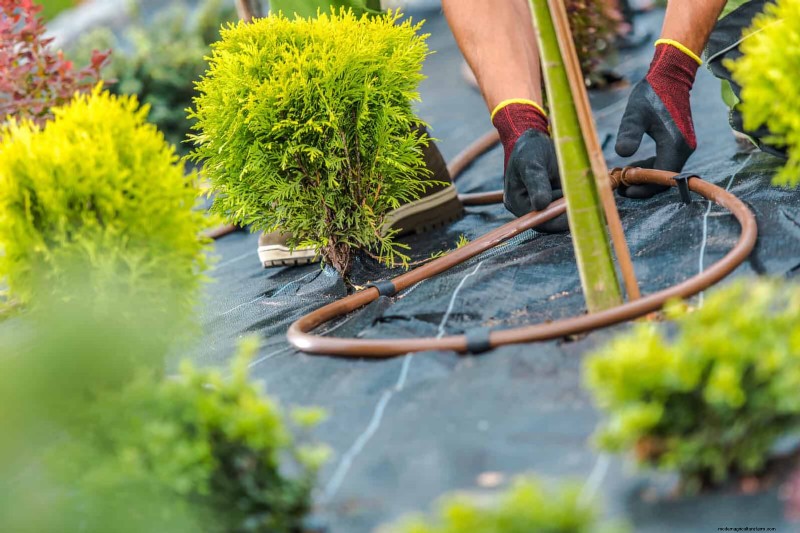
Installing efficient watering systems might seem environmentally responsible, but many HOAs require approval for irrigation modifications, particularly those involving permanent installation or changes to common area sprinklers.
Concerns about water pressure impacts, potential landscape damage during installation, and aesthetic issues with visible components drive these restrictions.
Before digging trenches for irrigation lines, submit detailed plans showing system layout, component specifications, and installer credentials. Many associations approve systems with minimal visible hardware and professional installation.
In your proposal, consider smart irrigation controllers with rain sensors that demonstrate water conservation benefits. Some HOAs permit drip irrigation systems more readily than traditional sprinklers due to their water efficiency and minimal visibility.
 Depositphotos
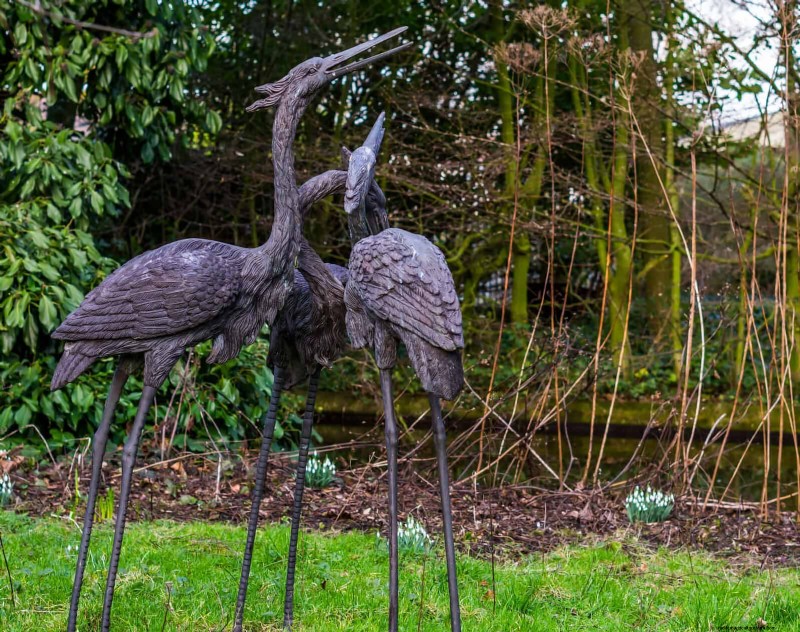
Artistic expression through garden sculpture might beautify your landscape, but size, subject matter, and placement often face HOA limitations. Abstract metal sculptures, religious symbols, or large artistic installations frequently trigger design review requirements.
Many associations have specific height restrictions or require sculptures to be compatible with the community’s architectural style. Before purchasing a sculpture, check your HOA’s design guidelines to particular restrictions.
Many associations are more flexible about backyard art not visible in streets or common areas. Consider sculptures made of natural materials like stone or wood that blend with the landscape rather than contrasting boldly. Rotating seasonal art displays might satisfy your creative desires while avoiding permanent installations that trigger stricter scrutiny.
 Depositphotos
Finding the balance between personal expression and community standards requires understanding your specific HOA regulations before making significant garden changes.
Most associations provide detailed landscaping guidelines in their covenants, conditions, and restrictions (CC&Rs) or design guidelines. Reviewing these documents can prevent costly mistakes and neighborhood tensions.
Consider joining your HOA’s architectural review committee or landscape committee to help shape future guidelines. As awareness grows, many associations are becoming more flexible about environmentally friendly practices and sustainable landscaping.
With careful planning, clear communication, and sometimes creative compromises, you can create a beautiful garden that expresses your personality while maintaining harmony with community standards.


